
Garden shed, summerhouse or log cabin: understanding the names
Garden-building terminology
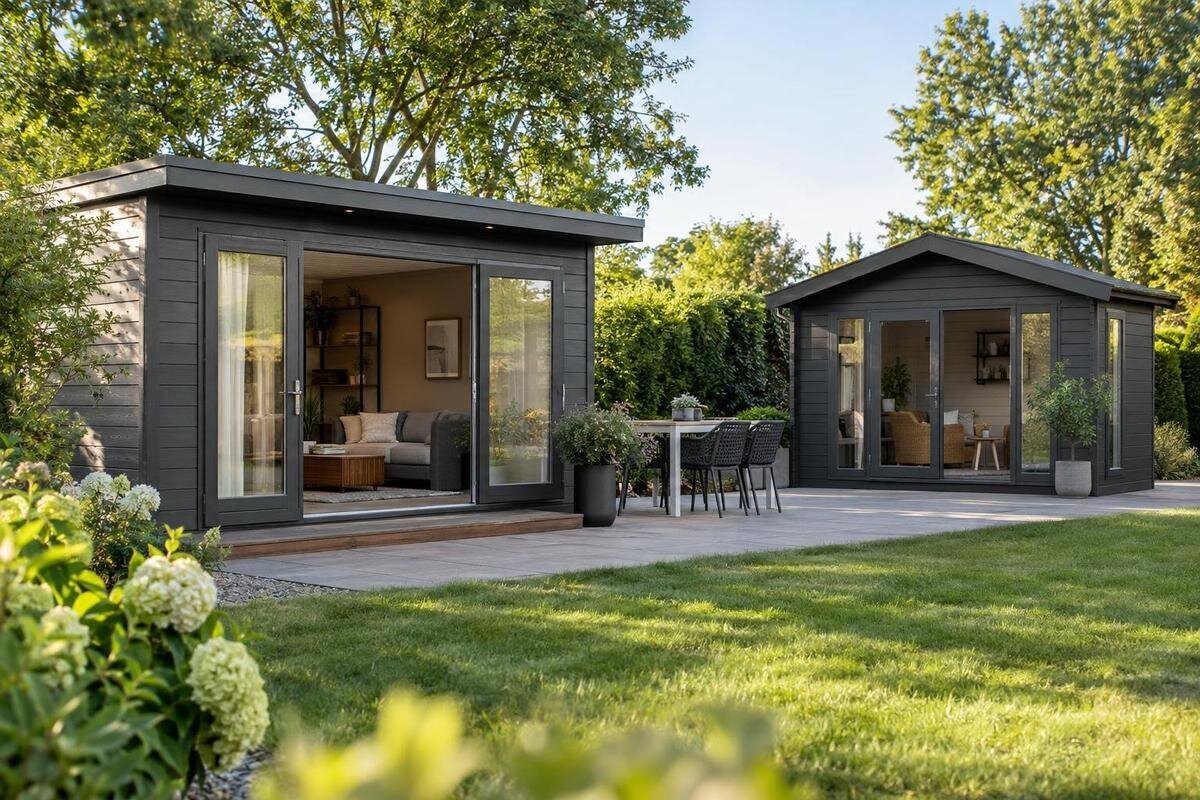
When you compare a garden shed, summerhouse or log cabin, the name on a product page is a clue, not a complete specification. A garden shed usually suggests a practical outbuilding, a summerhouse a place for leisure, and a log cabin a cabin-like appearance or building method. The terms can overlap, while garden house and garden room add further labels. To make a sound buying decision, define how you plan to use the building, then compare its stated construction, dimensions, openings, inclusions and use limits.
Why garden-building names overlap
These names do not form a neat set of mutually exclusive categories. Garden shed is mainly a use-led term; summerhouse evokes a place to sit or spend time; log cabin points more towards a style or construction idea. A single garden building may serve more than one purpose, and sellers can describe the same general kind of product using different labels. Meanwhile, garden house may be used broadly without telling you whether a particular building is aimed at storage, leisure or another activity. Even words such as room or cabin can describe an impression rather than a measurable technical feature. How a seller uses each word may also reflect catalogue organisation, not just the way a buyer might use the building. The label helps with browsing, but it is not a dependable specification.
That overlap matters when search results put products with different names side by side. Use a label to find possibilities, then open the individual product page and check how the seller describes its construction and intended use. Compare written details, dimension drawings and included components rather than relying on category placement, a photograph or one adjective in the title. If one page calls something a shed and another calls a similar-looking item a summerhouse, the products may still differ in layout or supplied parts. Write down the questions each title leaves unanswered, then check them consistently across your shortlist. This turns terminology into a useful first filter, rather than the final reason to choose.
What a garden shed usually means
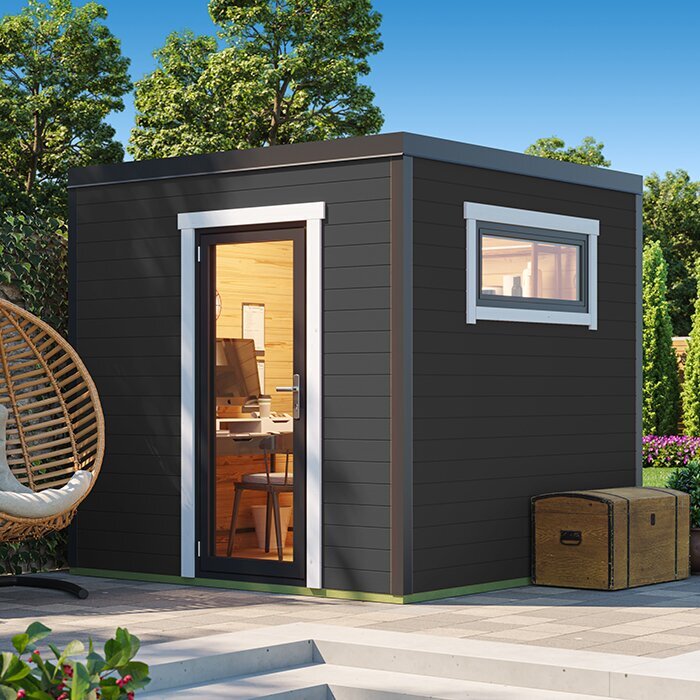
A garden shed generally means an outdoor building intended chiefly for practical tasks, especially keeping garden equipment, tools and other items under cover. Some owners may also use one for potting or a small hands-on project, but those activities depend on the space and features actually provided. The word shed does not tell you what material is used, whether a floor is included, how the doors are secured or what size of item can fit through the opening. Treat storage as the broad idea behind the term, not a promise about any particular product. A shed may be plain or more room-like; its listed details settle what you are buying. For mixed use, decide how much space storage will take up.
If the name says shed, consider what must be stored and how it will be handled. Measure the largest item, note how it is moved and compare the clear door opening rather than relying on the building’s outside width. Account for handles, wheels or cases that add bulk, and leave room to retrieve frequently used items. Look for details on the floor, lockable hardware, shelving or other fittings only if they matter to your use; do not assume they come with the building. A product title such as M timber garden shed is a useful example of the category wording, but the product specifications, not the phrase alone, need to answer your practical questions. If a key point is missing, ask the retailer to confirm it before ordering.
What the word summerhouse suggests
A summerhouse usually suggests a building intended as a place to sit, relax or enjoy the garden rather than as a tool store. That is a useful clue if your priority is a small retreat, somewhere to read or a setting for casual time outdoors. It does not automatically mean the building has particular windows, a glazed door, insulation, heating, a finished interior or comfortable conditions in every season. Details vary by product and should be read from the listing or confirmed with the supplier. The name describes an idea of use, not a guaranteed level of comfort. It also does not establish whether furniture, interior fittings or a particular layout are included.
Where a product page calls an item a garden house rather than a summerhouse, as in Durano garden house, do not let the wording decide the question for you. Check how the seller describes its intended use and compare the layout with what you want to do inside. For a sitting area, assess the space left once seating is placed, where doors open and whether the windows or other openings meet your expectations. Read descriptions carefully for finish and included fittings; words such as retreat or leisure space do not answer those practical questions. If you expect to use the building beyond fine weather, verify its stated limits instead of assuming the label means year-round performance. Measurements and a clear list of inclusions are more useful than a broad lifestyle description.
What to check when a listing says log cabin
Log cabin is the most construction-oriented of the three terms, but it still needs clarification. In ordinary use, it brings to mind a timber cabin, often with a log-like profile or a stacked appearance. A listing may use the phrase for a cabin-style garden building without the words alone proving that its walls are made from full logs. The kind of timber, wall build-up and joining method are details to confirm in the technical description, not meanings to infer from a photograph or a name. Some products can look cabin-like while using a different wall system, so be precise about the feature you want. If appearance matters more than method, say so; if the construction method matters, ask exactly what the listing means.
Write down what you mean by log cabin before comparing pages. Do you want visible log-style courses, a specific construction method, or simply a timber building with a cabin-like feel? Those are not interchangeable requirements. Check the stated wall material, thickness where supplied, profile, jointing, any treatment and whether finishes are included. A title such as Verdana 1 garden house uses a broader label; it cannot settle whether a product meets your definition of a log cabin. If construction language is vague, request a drawing or written description of the wall system and compare the answer with the product information before paying. Ask what the term refers to in that particular listing rather than assuming every supplier uses it in the same way.
Garden house and garden room are broader labels
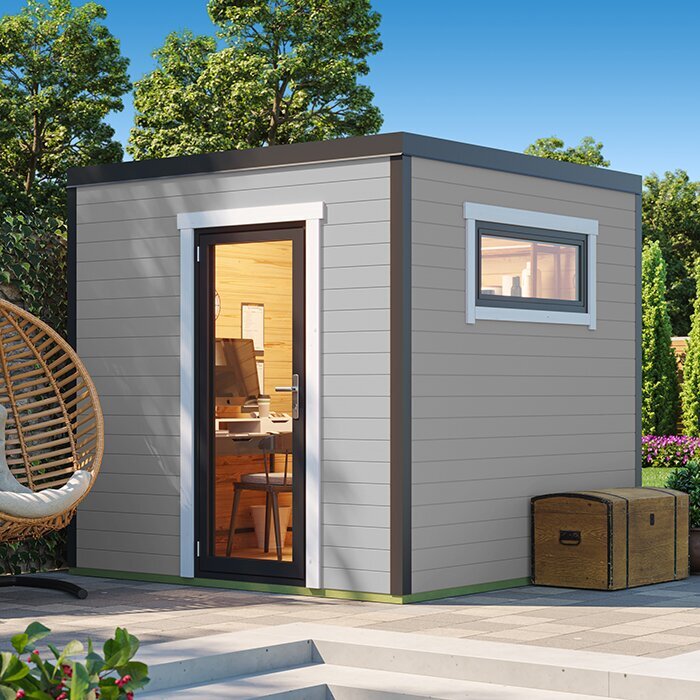
Garden house is a broad product label that can cover different designs, and garden room often suggests a space intended to feel room-like. Neither term, by itself, says what the space is equipped for or whether it meets a particular use requirement. A seller may use garden room for a hobby area or retreat; a buyer might also consider one for storage or work, but suitability depends on the features, performance and limits stated for that product. It is safest to separate the name from your intended use. This distinction is useful when a catalogue groups several styles under a single garden-house heading or when the same general style appears under different headings.
Garden room and summerhouse can overlap when a building is used for relaxing, while garden house can be a wider umbrella term. But the wording will not reliably tell you if a room has particular glazing, insulation or a finished floor. A model name such as Modano 1 cannot answer those questions either. Compare the item page against the description you need: intended use, dimensions, construction, door and window details, finish and items included. This also makes it easier to compare a named design with a listing that uses a generic category name. If a page omits a feature you regard as essential, mark it as unknown until confirmed; do not treat silence as confirmation.
Use dimensions to test whether the building will fit
Names become less useful when the main question is whether a building will work for your things or furniture. Check its external dimensions and, where supplied, its internal dimensions; they describe different usable space. Decide what must fit, allow room for moving it in or positioning furniture, and check the actual opening size and door arrangement. A large-looking exterior or wide product photo can be misleading if the usable area or entrance is smaller than expected. Plan from the drawing and listed measurements rather than image proportions, and confirm which measurements refer to walls, roof edges or other parts. This helps prevent an outside measurement being mistaken for usable floor space.
With any named product, such as Verdana 2 garden house, do not infer extra floor area or a different layout from the number in its name. Find the dimension drawing and check whether it distinguishes the overall footprint, wall measurements and internal clearance. For an intended activity, make a simple scaled plan with equipment or furniture outlines. Allow for door swing, access to shelves and the space needed to use items, then compare the plan with the stated internal layout. If a measurement is not published, ask what it refers to rather than estimating from a picture. That check can reveal a mismatch before you arrange delivery or assembly.
Check the materials and included parts
Timber-sounding names and cabin-style labels are not substitutes for a material schedule. Check what the walls, roof and floor are made from; whether any treatment or finish is supplied; and whether the listing identifies thickness, glazing, hardware or other construction details relevant to your choice. Not every page will include all of this, so separate confirmed details from assumptions. If appearance or maintenance matters, ask what care the supplier recommends and whether a coating or finishing step is included or your responsibility. Do not assume a product arrives ready to use because its title sounds complete. Check how the material description applies to each component, not just the walls, and note what remains unspecified.
For example, the product name Orello 1 tells you which item you are viewing, but a model name alone cannot confirm its materials or included parts. Check the product page, any specification sheet and kit contents for the base or floor, roof covering, glazing, fasteners, fittings, treatment or finish. Note any options that are separate from the listed item. Ask how assembly is handled, what surface or support the supplier requires, and whether maintenance instructions are provided. These questions apply equally when a page calls an item a garden house, summerhouse or log cabin: the details, not the label, define what you are ordering. Keep a copy of any answer that affects your decision.
Choose by intended use, not by the label alone
Set your main use before choosing between names. For tool storage, prioritise the opening, accessible floor area and the storage details explicitly offered. For a place to sit, think about usable room for people and furniture, privacy and how light enters. A hobby space may call for different access, ventilation or daylight, depending on the activity. These examples help you state requirements; they do not establish that every product with the relevant label can meet them. Where one building must do two jobs, decide which requirement takes priority if the layout forces a compromise. Use that priority to rule out listings whose confirmed features do not match, rather than letting a familiar name decide.
A title like Timber Tool Shed S foregrounds a storage-related term, but it still cannot tell you whether a particular mower, bike or box fits without checking measurements. Similarly, a leisure-led name should not be treated as evidence of residential or work use. Write a short requirement list before browsing and mark each point as essential, desirable or unknown. That stops a familiar label from encouraging a purchase that suits a general idea but misses your actual task. If the building will contain items that need specific environmental conditions, verify those conditions with the supplier rather than guessing from material or style. Include how often you will access it and what needs to be easiest to reach.
Compare product pages on the same details
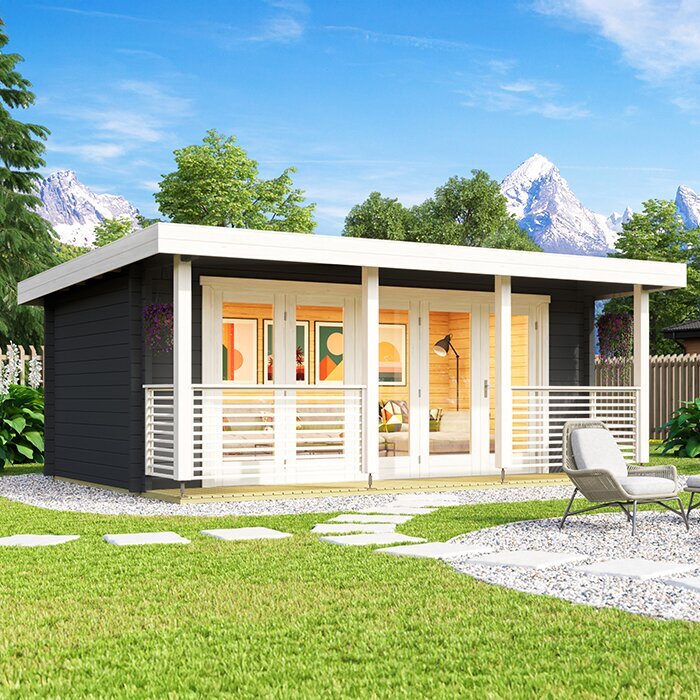
Once you have shortlisted a few terms, compare each candidate against the same fields. Record external and internal dimensions if both are given, wall and roof descriptions, doors and windows, floor and other inclusions, finish, assembly arrangements, care guidance and any stated use limits. Mark a detail as confirmed only when it appears in product documentation or the seller answers it. A simple comparison sheet helps expose an attractive name or image that is not matched by the information you need. It also makes gaps clear before payment. Keep a column for questions, so you do not mistake silence on a page for a feature. Note quote details if they affect the terms you are comparing.
When comparing named options such as Veltor 1, use the same questions for every listing; avoid treating model numbers, category placement or photos as specifications. Before placing an order, check the current quote and terms for what is included, shipping to your address, unloading or assembly arrangements, and what you must prepare yourself. Clarify access or packaging questions with the supplier if relevant. Keep the page, written answers and final item description together, so you can verify that the order matches your shortlist. Delivery and assembly arrangements differ by seller and product, so do not assume one listing’s terms apply to another. Confirm that any chosen options appear in the final order.
A garden-building name does not establish habitable use
If you intend to use the building regularly as a workspace, sleep in it or host others, take extra care with the intended-use information. A summerhouse or log cabin label does not establish that a product is suitable for long stays, equipped for services or approved as habitable space. Check what the seller actually states about its design and limits, then ask your local council or a qualified local building professional about requirements for the proposed use at your site. The important distinction is between a garden structure’s marketing name and evidence that it meets your specific use. Check before you buy, not after delivery; a change of plan can alter what you need to confirm.
Before ordering for any use involving electrical work, heating or fire-related equipment, confirm the relevant design and installation requirements with qualified professionals; do not rely on the building name to resolve them. For a simpler seasonal retreat or storage building, ongoing ownership still deserves a check: read the supplier’s care instructions, find out what maintenance is expected, and keep records of any stated limitations. Thinking about these matters early can narrow your options without turning a broad label into a promise the product page never made. If your intended use changes later, review the product information rather than assuming the name covers the new purpose. Keep care information with the order documents so future maintenance is not based on guesses.
Frequently asked questions
Is a summerhouse just another name for a garden shed?
Not usually. Garden shed most often suggests a practical building, commonly for storage, while summerhouse suggests a place to sit or spend time in the garden. Retailers may use labels loosely, so compare the stated use, layout, dimensions and included features rather than treating the words as strict categories.
Does the name log cabin guarantee walls made from logs?
No. The phrase can suggest a timber cabin or log-like style, but does not by itself identify the timber, wall construction or joining method. Check the product specifications and ask the supplier to clarify the construction if it matters to your choice.
Can I use a garden room as a home office?
Possibly, but the name alone is not enough to establish suitability. Check the intended-use information, dimensions and stated performance. For regular work use, and especially if you plan to add services, ask relevant local professionals about requirements for your proposed use and site.
Does summerhouse mean the building can only be used in summer?
No. The term suggests a leisure-focused use, not a guaranteed season of use or level of comfort. Check the product information for details and limitations relevant to the conditions in which you plan to use it.
What should I compare before ordering a garden building?
Start with your main use, then compare construction, internal and external dimensions, door openings, inclusions, care information and stated use limits. Check delivery and assembly terms too, and ask about any essential detail that the product page leaves unclear.
The simplest way to interpret these names is to ask what each one is trying to tell you: task, atmosphere or construction style. Keep that clue, but make your decision from the product’s documented layout, materials, inclusions and stated limits. A garden shed may suit practical storage, a summerhouse may suggest leisure and a log cabin may appeal for its cabin-like style, yet those labels only become useful when the listing’s details support your plan. Treat the title as a search aid and compare like for like before ordering.
