
Garden Shed or Storage Shed: What’s the Difference?
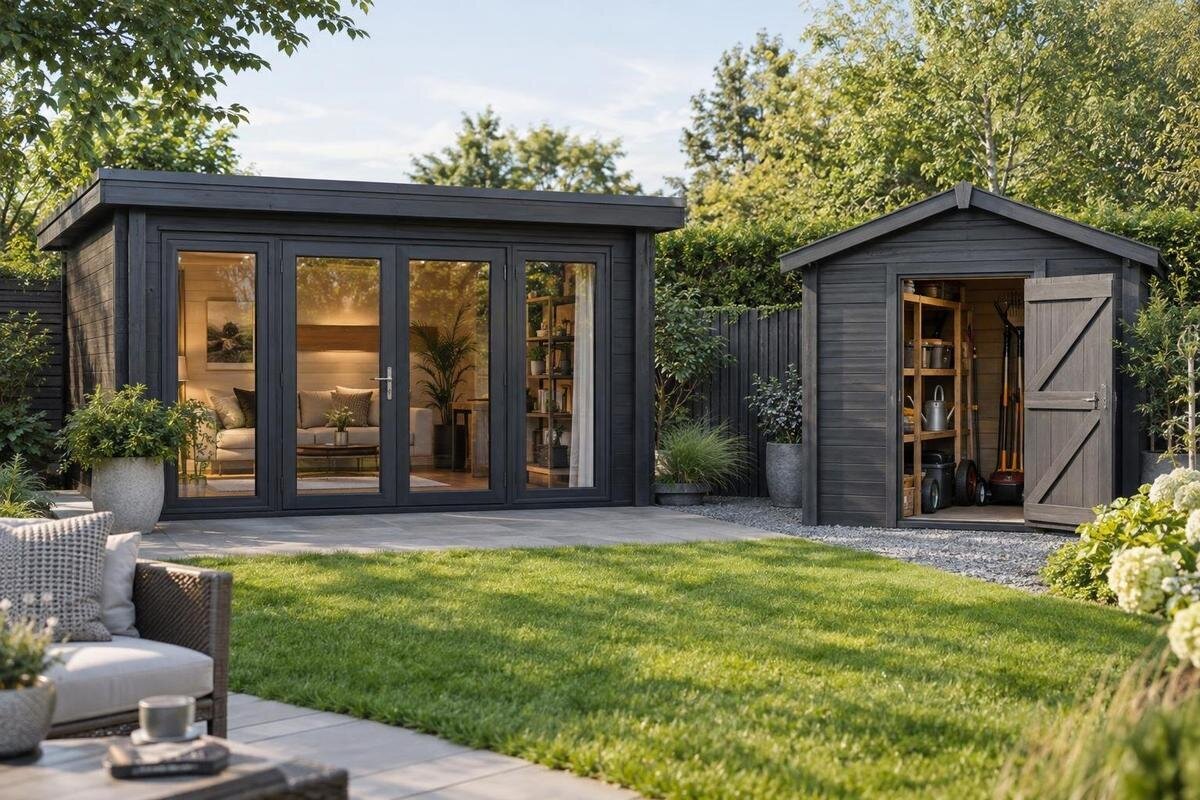
Garden shed buying guide
The names can make this sound like a choice between two clearly defined products, but they often overlap. A garden shed usually suggests a place for garden equipment or gardening jobs; a storage shed describes the broader task of keeping belongings in an outdoor building. Neither label, by itself, tells you how much usable room there is, how the interior is arranged or what the purchase includes. Choose by contents, access and intended activity, then compare actual product details rather than relying on the heading.
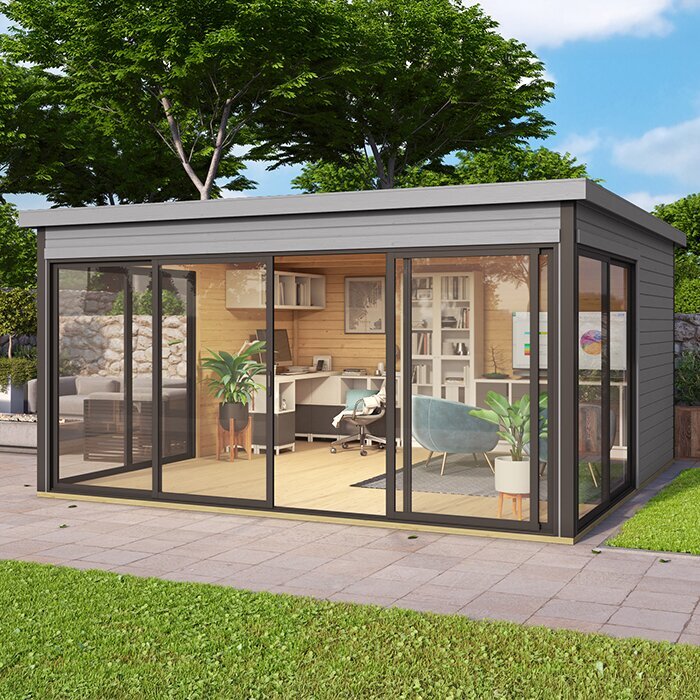
The names overlap in everyday use
In retailer listings, garden shed often signals a building associated with outdoor equipment such as hand tools, pots or a mower. Storage shed puts the emphasis on keeping belongings together: that might mean garden gear, bikes, outdoor furniture or seasonal items. These are useful descriptions of likely purpose, not dependable technical categories. A garden shed can serve general storage, while a storage shed can hold everything needed for gardening. The phrases do not automatically tell you what a building is made from, how its interior is arranged or whether a particular object will fit. They identify the shopping conversation, not the answer. For your purchase, intended use matters more than whichever term appears first.
Treat the name as a search clue rather than a buying decision. A listing may use garden, tool, storage, house or shed in its title, while the information that matters sits in the stated dimensions, included parts and product description. Make a shortlist from what each option actually says, then verify details that affect your use. Do not infer a floor, shelving, windows or a work area from the wording alone. If a measurement or feature is unclear, ask the seller to clarify it before ordering. Use labels to find candidates, then evaluate each against the same practical checklist; this makes differently named options easier to compare. If a title and description seem to point in different directions, rely on confirmed product details rather than choosing the more appealing phrase.
List the contents before choosing a type
Walk through the backyard and make a practical inventory of what needs a home: equipment, containers, garden supplies and other belongings, plus anything you regularly carry in and out. Include items currently stored elsewhere that you intend to move into the shed. Note the largest and most awkward pieces, not just the total number. A mower handle, whipper snipper, folded chairs or a box of pots can need a clear route even when each takes little floor area. Measure containers by their outside size and note whether items must stand upright or lie flat. Separate things you want kept inside from those that can stay outdoors, and mark which are used daily, weekly or only occasionally. This turns an impression of needing more storage into a specific job.
Then divide the list into gardening equipment and general household or outdoor storage. Gardening items may need to be reached during routine yard work, while seasonal belongings can be placed less centrally; if one shed is to hold both, decide which group gets priority. A page such as the Verdana 1 garden house listing can be assessed against that inventory only after you confirm its stated dimensions and what the order includes. Its title alone cannot show whether a bulky item fits. Record the size of your largest pieces, compare it with product information and leave practical room to get each item in and out.
Check the opening as well as the floor area
Floor dimensions alone do not guarantee a workable store. Check the clear width and height of the entrance against the widest or tallest objects you will carry through; then consider how the door operates and whether it needs room outside or inside, if applicable. Trace the route from the backyard to the intended storage position: can you approach while holding a pot, turn a bike or bring a mower through without moving smaller items first? Long handles, wheels and removable parts affect the shape you need to manoeuvre. Measure each item as it will be carried, including handles or attachments. This avoids a common mismatch: enough advertised floor area, but no straightforward way to put everyday equipment away.
Use measurements in the listing, not a catalogue image, to answer these questions. For the Verdana 2 garden house listing, check whether dimensions are provided for the outside, interior and entrance; those figures describe different things. If a key width is missing, ask for it instead of estimating from a photograph. Compare the opening with an item as carried, not just its parked footprint, and consider where it will sit once inside. A simple sketch showing the door, largest item and access route can expose a clash before you order. If the listing does not explain how the entrance operates, clarify that too, as its movement can affect a narrow passage or nearby obstruction. Also test whether you can take out and return the most-used item without shifting everything else.
Decide whether you will work inside
A storage-only shed has one main test: can you put items away and retrieve them without making a pile-up? If you expect to do potting, clean a tool, sort supplies or prepare for garden jobs inside, it becomes a work area as well as a store. That changes what enough room means. Allow for where a bench or work surface would go, where hands and equipment move and whether stored goods would block the task. Consider how often you will work there and whether you need to carry materials in and out while working. A building described as a garden house or shed does not automatically include a bench, power, task lighting or work-ready fittings. Occasional sorting takes less planning than regular hands-on tasks.
For the Durano garden house listing, or any other candidate, check the product description and included-items list for features you actually expect; do not infer a workspace from a title or image. Sketch the work area and storage positions before comparing options. This reveals whether one interior can serve both purposes or whether stored contents would occupy the room needed for a task. Decide whether messy gardening jobs and clean household storage should share the same space, and how you would keep each group accessible. If the activity depends on a feature the listing does not mention, ask the retailer before buying and treat the answer as part of the comparison. Choose around a defined activity rather than assuming the category name means it will be comfortable to work in.
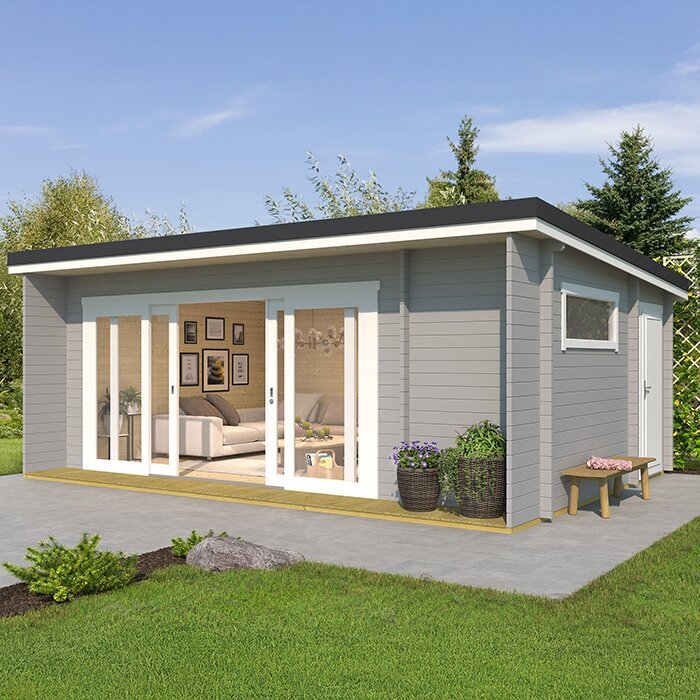
Plan the balance between floor space and fittings
Think about how the interior will be organised, not only its total area. Shelves, hooks, tubs and a work surface may make smaller items easier to sort, but they use wall or floor space and can change access to larger objects. Decide which things must stand upright, which should stay within easy reach and which can be stored further back or higher up. Measure tall tools with handles in their intended position, and note the outside dimensions of boxes and bins. Leave a practical route to items used often, rather than filling the floor so completely that retrieving one object means moving several others. This matters especially when garden equipment and general belongings share the same room.
Read whether internal fittings are included, optional or not supplied, and whether the listed measurements leave room for the arrangement you want. For Veltor 1, compare the product details with a simple plan of large items and shelves; the model name does not describe its configuration. If you intend to add your own storage, check that the manufacturer permits it and provides suitable guidance for supporting it. Note any clearance or fixing points mentioned in the product information. Do not count an accessory as included unless the listing says so. A sketch can also show whether planned shelving would hide items you reach for often or leave them easy to access.
Compare construction details and inclusions
Once the use and layout are clear, compare how each listing describes construction. Check stated materials, wall and roof details, floor provision, entrance and any glazing, as well as whether dimensions refer to the interior, exterior or assembled footprint. Confirm what arrives in the package: the main structure, floor components, fixings and accessories may be described separately, so read the inclusions rather than assuming they are bundled. A catalogue image or product name cannot verify these details. If a feature affects where or how you intend to use the shed, ask the retailer to confirm it before purchase. This also clarifies what work remains after delivery and prevents unlike offers being compared as though they were identical.
The Orello 1 product page is one listing to assess by its own written description and supplied parts; do not infer a specification from the model name or a photograph. Apply the same questions to every candidate, even if one title sounds more suitable. Where a listing uses terms such as usable area, base or optional extra without defining them, ask what each covers and keep the response with your notes. Pay attention to any omitted floor, fittings or finish that would change the preparation required. If an image shows accessories, confirm whether they are included or illustrative. Make sure you are reading about the exact version you intend to order, not a different option in the same range.
Check the available site and access
Measure the area you can actually allocate, rather than fitting a shed into a rectangle on paper. Account for the entrance operating, space to stand and reach items, and fixed features such as fences, garden beds, trees or paths. Think about whether those features can be moved and whether the product guidance calls for access around any side for routine upkeep. Check the route into this part of the yard separately from the final footprint. Marking the proposed outline with string or chalk and standing at the entrance can expose pinch points a drawing hides. A position may look large enough but still be impractical if it blocks a normal path or leaves no room to use the door. Measure narrow points and note anything that affects access, such as a gate or overhanging branch.
For the Modano 1 garden house listing, compare its listed measurements with your site measurements, and note any stated clearance separately from the building footprint. Ask how that particular model is intended to sit and what surface or preparation its instructions require; do not assume that lawn, paving or an existing base suits every option. If the ground or base raises a question, seek guidance from the supplier or a qualified installer before ordering. Local building and placement requirements may also apply, so check with the relevant local authority where appropriate instead of relying on a general article.
Include delivery and assembly in the purchase plan
A shed also has to reach the backyard and become usable. Before ordering, check the seller’s delivery area, delivery method, access needed and whether assembly is supplied, arranged separately or left to you. Confirm any delivery charges, timing arrangements, unloading responsibilities and packaging disposal with the retailer; none can be assumed from the words garden shed or storage shed. Describe narrow gates, steps, slopes or restricted turning space accurately, and ask whether the parts can be taken to the intended spot. Explain the full route from the unloading point to the site, not just the driveway or gate. Find out who is expected to check the package and handle any issue with missing components. If access is uncertain, settle it before committing rather than discovering a mismatch on delivery day.
Use the M timber garden shed listing as an individual order to review: check what its product page says about delivery, assembly and supplied components, then ask about unanswered details. If assembly is your responsibility, read the provided instructions beforehand to understand the tasks, tools and help required; arrange qualified assistance for work beyond your experience. Ask whether base preparation is separate from assembly and keep written confirmations with the order information. That way, you know which arrangements are included and which are your responsibility, instead of letting the choice between garden and general storage distract from whether the order can be completed as planned.
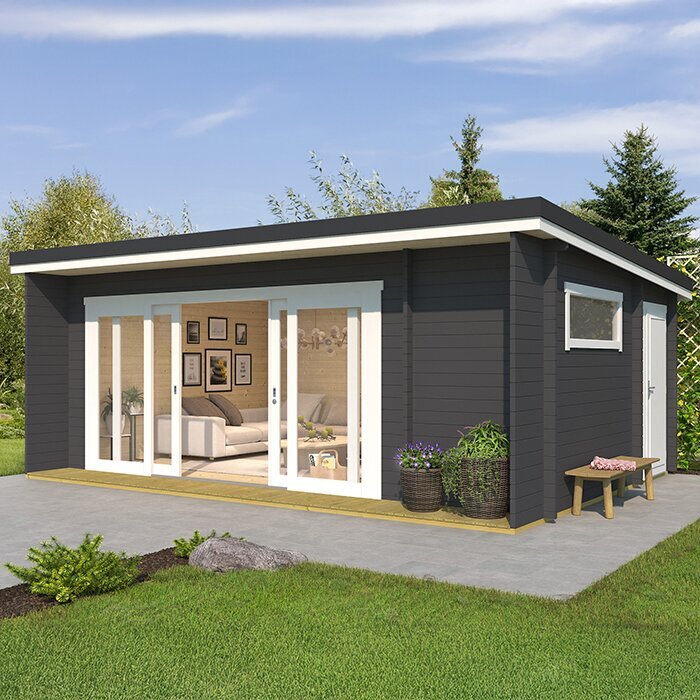
Allow for realistic changes in use
Ask whether the contents are likely to stay stable or change. A garden store may accumulate more pots, bags and tools through the year; a general store may need to rotate bikes, outdoor cushions or seasonal equipment. If one building must do both jobs, decide which use takes priority and how often both groups need to be reached at once. A useful allowance is space for identifiable future items plus a layout that does not bury everyday gear—not an open-ended guess that bigger will always be better. Write down likely additions rather than an undefined just-in-case category. If future needs are unclear, size around today’s inventory and keep the comparison honest.
A title such as the Timber tool shed S listing does not promise that a particular mix of tools or general belongings will fit; test the stated dimensions, entrance and listed fittings against your plan. Write down one realistic change over the next few years—perhaps another bike, more gardening supplies or a new work surface—and see whether the layout can accommodate it. Check that planned additions do not take away the route to items you use now. If storage and work requirements compete for the same floor space, prioritise one or treat them as separate needs before choosing. You need not predict every future purchase; focus the comparison on changes you can reasonably name.
Choose from the job, not the label
If most of the contents are gardening equipment and the space will support garden tasks, garden shed is a useful search term. If the priority is keeping a changing mix of backyard belongings together, storage shed may be the clearer phrase. Use both when both descriptions fit; the label is not a decision rule. A good shortlist comes from your inventory, access needs, intended activities and confirmed product details. If you only need to put away garden tools, do not assume a more room-like title improves the fit; if you intend to work inside, do not judge by floor area alone. Choose the description that helps you search, then decide on the actual building.
Compare candidates using the same notes: dimensions, opening, included fittings, construction details, delivery and assembly, plus the space available at your property. Mark each requirement as confirmed, unanswered or unsuitable. Remove a candidate that misses a non-negotiable even if its title matches your preferred term, and ask the retailer about unanswered information before ordering. Record the exact product and option you reviewed so any later quote or order refers to the same version. The distinction is simple: garden shed points to an association with gardening, storage shed to a function, and the stated details decide whether a particular building fits your plan. Include a note about how the largest item enters and where it will sit once inside; that can reveal a mismatch a feature list will not.
Frequently asked questions
Are a garden shed and a storage shed the same thing?
The terms overlap in everyday product descriptions, but they emphasise different purposes: gardening equipment or tasks versus storage more broadly. Neither name guarantees the dimensions, layout, materials or inclusions. Compare the actual product details before deciding.
Can I use a garden shed for things other than garden tools?
It may suit general storage if its space, access and stated details work for the items you want to keep there. Check the dimensions and opening for bulky belongings, and confirm that your intended use is appropriate for the product. The label alone does not settle the question.
Which type is better for garden tools?
Garden shed is a useful search term when gardening gear is the main job, but choose based on your inventory. Include long-handled tools, a mower and other large items, then check how they will get in and out. Decide whether you need room to work as well as store.
What should I measure before ordering?
Measure the available site and the largest items, including handles and containers. Compare them with the building’s external and interior dimensions, entrance opening and any door clearance. Check the route to the site, too, and ask the seller to clarify measurements that are missing or ambiguous.
Should I choose a larger shed for future storage?
Allow for additions you can identify, such as another bike or more gardening supplies, rather than buying extra space for an undefined possibility. Check that the larger footprint fits the site and that the layout will still give you access to the things you use now.
Whether you call it a garden shed or a storage shed, the practical question is what it needs to hold and how you will use it. A contents list, measured access and a check of the listing’s dimensions, inclusions and order arrangements will show whether a candidate suits the job. Let the name guide your search, not make the decision for you.
