
Glazing Options for Aluminium Greenhouses
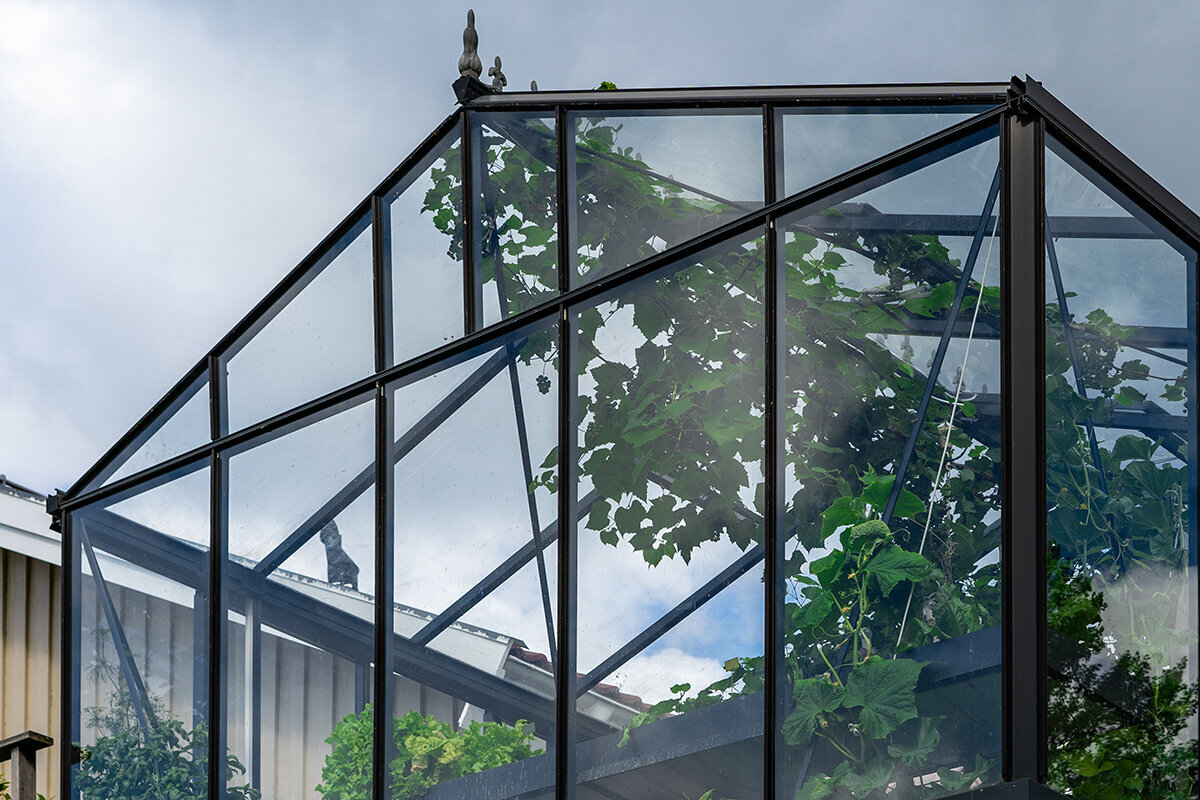
Choosing Glazing for an Aluminium Greenhouse: A Detailed Practical Guide
Glazing does more than close in an aluminium greenhouse. Its properties shape temperature, humidity and the broader growing environment, so the material deserves careful consideration. This guide compares polycarbonate, toughened safety glass, self-cleaning glass and mirrored glass, explaining where each option can be useful. By weighing those differences against your plants, local conditions and preferred level of upkeep, you can choose glazing that better suits the way you garden at home.
Polycarbonate: insulation and durability
Polycarbonate has become a familiar greenhouse glazing material because it is light to handle yet highly durable. Gardeners can choose single-wall or multi-wall sheets, with both forms offering insulation and useful thermal performance. The layered construction of multi-wall polycarbonate is especially effective: air is trapped between the walls, creating an insulating barrier. That capacity to hold warmth can make conditions inside the greenhouse more stable during cooler parts of the year. It is valuable for beginners and experienced growers who want to reduce rapid temperature changes around their plants over time.
Impact resistance is another reason growers select polycarbonate. Compared with glass, it is much stronger and can withstand substantial strikes from hail or wind-blown debris without shattering, an advantage where severe weather occurs. The sheets also transmit useful sunlight to crops while blocking harmful UV radiation. That protection limits UV-related plant damage, while the available daylight supports healthy growth across the year when the greenhouse is otherwise managed appropriately.
Some polycarbonate products include added UV protection. Besides helping shield plants from damaging radiation, this treatment can extend the useful life of the sheet itself. Limiting the harsh effects of sunlight supports more consistent growing conditions, giving crops a protected and controlled setting in which to develop.
Toughened safety glass: clear, bright glazing
Toughened safety glass is valued in greenhouses for a combination of strength, durability and clean transparency. Its defining benefit is the amount of sunlight it can admit, giving plants abundant natural light. Greater light availability supports photosynthesis and can lead to stronger development and improved yields. For a gardener whose main goal is to optimise light quality and brightness beneath the roof, toughened safety glass is a compelling glazing choice.
Strength also gives toughened glass an important safety advantage. It resists everyday knocks and breakage; if failure does occur, the pane breaks into small, relatively blunt pieces instead of dangerous sharp shards. That behaviour makes it safer than ordinary glass in a busy greenhouse, where accidental contact is always possible. Toughened glass also withstands thermal stress, allowing it to cope with the frequent temperature swings inside a greenhouse without easily cracking or breaking.
Light performance is excellent, but toughened safety glass does not insulate as well as polycarbonate. Depending on the climate and season, extra heating or ventilation may therefore be necessary to keep the growing environment suitable, particularly where day-to-night or seasonal temperatures change markedly.
Self-cleaning glass: reduced upkeep and clear glazing
Self-cleaning glass combines toughened glazing with a special surface coating intended to reduce the accumulation of water, dust and dirt. Sunlight activates a photocatalytic reaction in the coating, which breaks down organic grime and deposits on the pane. Because material is less likely to build up as quickly, the greenhouse can remain clearer with fewer routine washes. The result is a convenient glazing option for gardeners seeking lower maintenance without giving up the strength of toughened glass.
This feature is especially useful where rain is frequent or airborne dust is common. Rather than manually washing every pane at intervals of only a few weeks, the coating helps preserve a clear, transparent surface with relatively little effort. Saving that cleaning time is one benefit; another is that cleaner glazing continues to deliver as much available light as possible to plants, encouraging healthy growth.
Self-cleaning does not mean maintenance-free. The coating lowers how often cleaning is needed, but occasional wiping will still be required when stubborn dirt or deposits remain. Cost is another consideration: this glazing can be dearer than standard toughened glass. Balance the reduced workload against your budget before deciding whether the added convenience justifies the difference.
Mirrored glass: directing light and retaining warmth
Mirrored glass has a reflective finish designed to send sunlight back through the growing space, improve its distribution and help retain warmth. It is most often considered for greenhouses in colder climates or positions where daylight is limited and every useful measure of light and heat matters. The reflected rays are directed towards the plants instead of being lost, helping them receive enough light for photosynthesis even through the lower-light conditions of winter and other cool, dim periods.
Returning light into the structure can extend the productive growing season and promote healthy plants throughout the year. The resulting lift in overall light intensity particularly suits crops that need bright conditions to thrive. More even distribution of that light may also help stabilise temperatures across the greenhouse, improving the wider environment for plant health and productivity.
Reflective glazing still needs careful thought. By redirecting sunlight, it may expose plants to more brightness than they tolerate, especially species favouring shade or indirect light. It will not suit every planting plan, and delicate crops prone to sun scorch or overheating may need another option. Match the glazing to every plant's light requirements.
How to choose the right greenhouse glazing
For Australia's varied climates, start with the climate at your site, the plants you hope to raise and the amount of maintenance you are comfortable doing. Polycarbonate combines durability with stronger insulation, making it attractive for cooler settings. Toughened safety glass supplies excellent clarity and light transmission when brightness is the leading concern. Self-cleaning glass reduces routine upkeep, while mirrored glazing is intended for cold or light-limited positions where directing daylight and holding warmth are more important.
Ultimately, the best answer depends on how you garden and what the greenhouse must achieve. One material may favour ruggedness, another high light transmission, simpler care or stronger reflection of available sun. Each brings a distinct benefit that can improve conditions and efficiency inside the structure. Rank those priorities, then choose the glazing that fits your plants and site, helping the greenhouse perform well for years.
