
Greenhouse insurance: key questions after damage
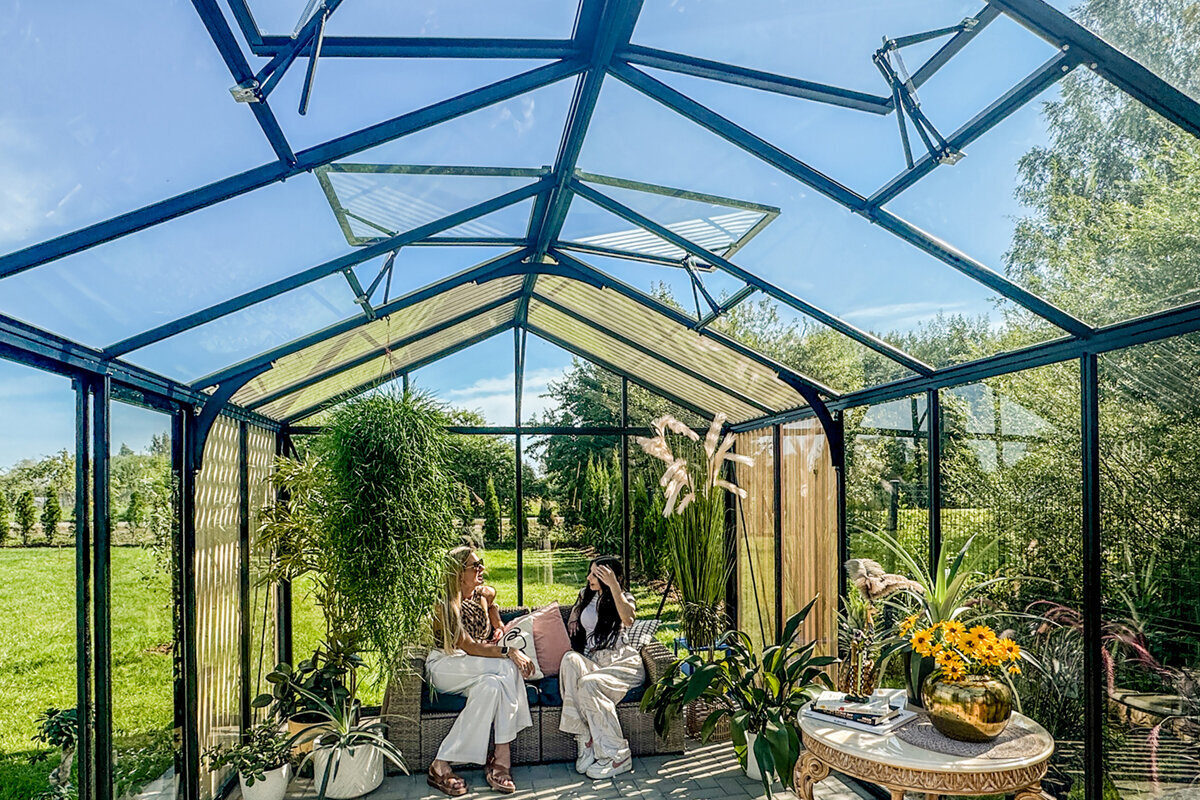
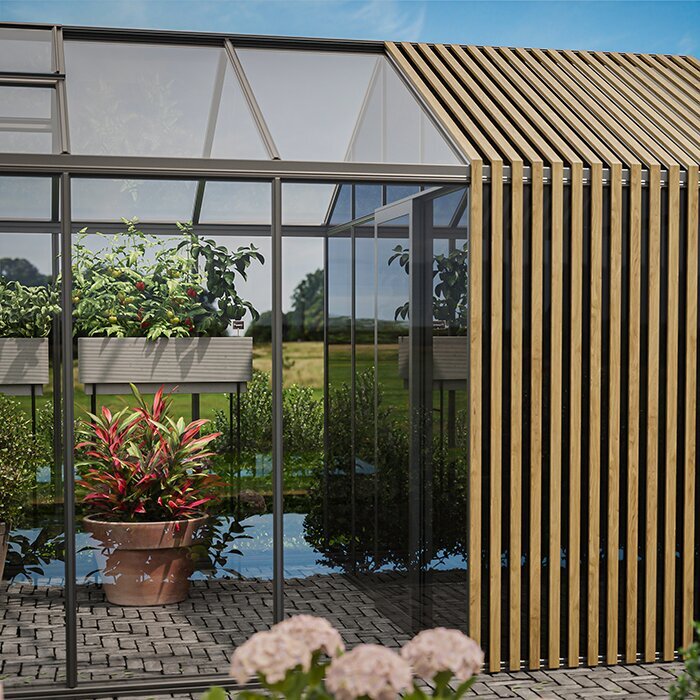
Guide to greenhouse planning
Quick answer: what to clarify first
A policy might address a greenhouse through building, contents, glazing or liability sections. Neither the existence nor extent of cover can be assumed. The insurer will consider matters such as the site, construction, anchoring, insured property and the wording agreed with you.
Before speaking with the insurer, collect photos, purchase records, assembly details and foundation information. Raise questions beyond the broken pane itself: clean-up, damaged contents, rainwater entering the greenhouse and potential third-party claims. Ask for an assessment specific to your address and greenhouse configuration.
01
Property damage
Find out which weather hazards the policy identifies and how it treats the frame, panes, doors, accessories and fixtures.
02
Broken glass
Confirm whether an isolated broken pane is covered when neither hail nor a storm is involved, then check the rules for claims, repairs and replacement.
03
Liability
Ask how personal liability may respond if the greenhouse damages neighbouring land or someone else’s belongings, or injures a visitor, and confirm your responsibilities.
Greenhouse insurance: the right questions for storm, hail and broken glass
A pane could come loose in high wind, hail could strike the glazing, or a component could fall and hurt somebody. None of these events creates automatic greenhouse cover. The result turns on the policy wording, the property classification and the selected sections of cover. Early clarification supports both planning and an orderly claim.
Location, foundation, glazing and fittings commonly shape the buying decision. An insurer may want other facts: whether the structure is anchored permanently, how it is classified under the home policy and whether separate cover is necessary. Confirm the applicable excess, exclusions and supporting evidence as well.
Treat this as a question list rather than legal or insurance advice. Put each point to your insurer or broker and keep the response in writing. Policy wording, not a verbal assumption, determines the position on storms, hail, shattered glazing, resulting losses and personal liability.
01 · Understand the policy
Check how your greenhouse is classified
Begin by establishing the policy category used for your greenhouse. An anchored structure and one designed for easy relocation may not receive the same treatment. Position within the block, foundation attachment and intended use may also affect that decision. Have the insurer identify the information it needs and show you the relevant wording in the policy.
Give the insurer a practical specification covering size, construction materials, glazing, foundation, doors, extensions and fixed equipment. Submit available records before anything goes wrong and check whether they adequately describe the risk. Resolving gaps now can prevent avoidable questions during a claim. Seek written confirmation rather than relying solely on an informal phone conversation.
Include anything fitted after installation, including shelving, rainwater goods, automatic vent openers or a plinth, and ask whether the insured description should mention it. Keep a brief dated change log. The insurer can then determine whether your policy details require amendment without you trying to decide the extent of cover yourself.
Have the insurer compare its current classification with the documents on file. You can then add missing information about the build, site or subsequent alterations before a loss occurs.
Confirm whether the policy regards the greenhouse as a building fixture, an ancillary structure or a separately insured item.
Check which alterations or moves to another part of the property must be disclosed.
For a clear description, documents for a standard Classic greenhouse can help prepare the discussion.
02 · Storm risk
Pinpoint what produced the storm loss
The sequence behind weather damage may be uncertain at first. Wind might have struck the structure directly, another object may have hit it, or rain may have entered where a fitting had already shifted. Because that sequence can affect the insurer’s view, promptly record the conditions, visible effects and order in which you noticed them.
Ask how to report problems that emerge only after the weather clears. Misaligned doors, loosened fasteners and moisture inside can create further loss. Before substantial work begins, confirm the notification and safeguarding requirements. Photograph any urgent steps taken to reduce damage and retain the related receipts.
Photograph relevant surroundings too, including displaced garden items or fallen limbs. These images can illustrate the sequence, although the insurer must still assess it. Ask in advance which reporting channel to use and what emergency action it accepts or expects when a greenhouse needs temporary securing.
Clarify what evidence of the weather event and particular damage pattern the insurer usually requires.
Check whether the insurer categorises impacts from tree limbs, outdoor furniture and wind-blown objects in different ways.
For a greenhouse positioned beside a wall, have the site details for a large Classic lean-to greenhouse and its location ready.
03 · Hail and glazing
Do not confuse hail damage with every glass breakage
Hail can mark or break panes, roofing and delicate fittings, but identifying hail as the event does not make every repair equivalent. Confirm that hail appears in your policy and ask which greenhouse elements it may cover. Also establish whether surface marks, cracking and total failure are treated differently.
A pane broken by a gardening impact on an otherwise calm day presents a different question from hail. Glass cover could be relevant, but it is not necessarily included. Ask the insurer to specify whether greenhouse glazing qualifies, which causes are recognised and which limitations operate. Never infer cover merely because the damaged material is glass.
Where it is safe, take separate images of intact and affected sections, followed by close details of seals, edges and hardware. Ask whether earlier photographs would assist and what technical description of the glazing the insurer wants.
Record both the discovery time and every affected area after hail. That factual account can explain the sequence without you deciding the cause, scale of loss or likely payment.
Confirm the treatment of roof panes, wall glazing, glazed door sections and any independently installed panels.
Request clarification on whether only breakage, or necessary associated work, is described within cover.
For a material description in an enquiry, a standard glazed Classic greenhouse is a useful reference case.
04 · Consequential damage
Consider water, contents and clean-up
The failed part may be only one element of the loss. Rain entering through it could affect shelving, watering systems, pots, tools and stored supplies. Their policy classification and the applicable terms determine whether they qualify. Maintain photographs, receipts and an inventory, particularly for costly items and fixtures.
Storm debris and shattered glass also require safe clean-up. You may need to isolate shards, cover an opening temporarily or remove unstable pieces. Before an inspection, ask what action the insurer permits or requires and what records to retain. Keep damaged components only for the period agreed or reasonably needed for assessment; immediate site safety takes priority.
List fixtures separately from portable property. For each device or accessory, record its name, purchase date and any available receipt. This supplies useful evidence without presuming the insurer’s decision. Establish whether an item must remain available for examination or can be disposed of once documented permission is received.
Itemise affected accessories instead of grouping everything under a general description of greenhouse contents.
Ask whether emergency securing, clean-up and temporary weatherproofing expenses must each be identified in the claim.
Where equipment and a nearby house wall are involved, describe your fully featured Classic lean-to greenhouse in particular detail.
05 · Liability
When the greenhouse harms other people
Personal liability addresses claims made by other people, not damage to your own greenhouse. A wind-loosened part might strike neighbouring property, while exposed shards could cause injury. Both the existence of liability and the insurer’s response depend on the facts and policy terms, so no universal assurance is appropriate.
Establish what the policy expects regarding sound installation, upkeep and securing the site. Regularly examine glazing, fasteners, doors and nearby ground, and move unsecured items away when damaging weather is forecast. If a neighbour reports loss, ask the insurer how to communicate and do not accept liability before the facts are reviewed. Note when you learned about the incident, who was involved and what safety action followed. Forward demands or correspondence promptly and confirm which discussions the insurer wants you to handle.
Respond calmly and preserve an objective record if somebody else may claim. Write down when the incident came to your attention, the people involved and the action taken to make the area safe. Promptly forward correspondence or demands, then seek the insurer’s direction before reaching conclusions or replying substantively.
Clarify whether personal liability cover generally assesses claims arising from a greenhouse on your own property.
Ask for the recommended approach if neighbours already allege damage or request evidence.
When describing risk, the construction of a regular-sized Classic greenhouse can be helpful.
06 · Documentation
Gather documents before damage occurs
Records cannot create cover, but they can make the assessment easier to understand. File your order, invoices, product specification, foundation information and photographs taken after assembly in one place. Include several viewpoints showing the site, nearby trees and adjoining spaces. Refresh the file whenever you alter, repair or equip the greenhouse.
After damage, gather complete facts without exposing yourself to danger. Start with broad photographs, then capture details. Record the date, observed conditions, possible cause and safety work already completed. When notifying the insurer, obtain a claim number, confirm the required documents and ask whether an assessor must attend before work proceeds. File quotations and correspondence together.
Make the records easy to retrieve after wild weather. Descriptive digital filenames and a protected backup reduce searching, while fresh photographs capture major site changes. Before contacting the insurer, prepare a document index and clearly identify anything that is unavailable.
Keep a concise directory of relevant contacts and reporting methods with the file. It will help you answer questions while the invoices, photographs and greenhouse specification are readily accessible.
Store digital copies centrally and add newer photos after visible greenhouse changes.
Store your insurer’s details somewhere other than the greenhouse so damage cannot make them inaccessible.
Installation photos of a full-size lean-to greenhouse can record the original situation well.
07 · Maintenance and prevention
Recognise risks without assuming cover
Maintenance cannot substitute for policy cover, yet it can remove preventable sources of doubt. Ahead of the locally storm-prone period, examine seals, fastenings, door operation and panes for visible faults. Clear leaves from drainage paths and remove objects that wind could drive into the structure. Record defects and arrange suitable repairs rather than leaving them until damage occurs.
Reassess the immediate setting regularly. Branches above the roof, movable outdoor furniture and unsecured pots can become hazards as conditions deteriorate. Check the policy for stated precautions, then consider them alongside the model’s care and assembly instructions. Both documents are needed to understand the insurer’s expectations and the product guidance.
Prevention also involves noticing how the block evolves. Maturing trees, altered drainage or a new structure next door may change the greenhouse surroundings. Revisit its installation and maintenance guidance when that happens. The insurer should decide whether the changed circumstances call for notification or further documentation.
Following strong winds, assess the structure from well back before approaching loose parts or trying any door.
Record when damage was found and which protective measures were arranged afterwards.
Regular visual checks are also useful for a standard Classic greenhouse as part of garden care.
08 · Reporting damage
Act methodically and on time after damage
Report a potential loss within the period required by your policy and provide an objective account. Replace a broad label such as “storm damage” with the affected locations, discovery time, possible cause and steps taken to control hazards. Supply records through the requested channel, and confirm whether approval is needed before repairs and who manages the process.
Insurance and a manufacturer’s warranty are separate arrangements, with potentially different events, conditions and reporting periods. If written warranty terms accompany the greenhouse, retain them and review exactly what they address. The insurer determines the evidence relevant to its claim, while the manufacturer can separately explain product documentation and its own procedure.
Set out events in order: when you found the damage, the areas involved and the measures used to manage immediate danger. A concise chronology keeps the report understandable and reduces omissions. Provide material in the form requested, then record when both the initial notification and every later document were sent.
At lodgement, confirm whether the insurer wants anything further and the applicable due date. Keep a clear sent-file register so later discussions and agreed actions remain traceable.
Request written confirmation of the claim and record agreed time limits and contacts.
Keep invoices, photos and correspondence until assessment and any repair are clearly complete.
For a precise report, describe a large regular lean-to greenhouse with every affected component.
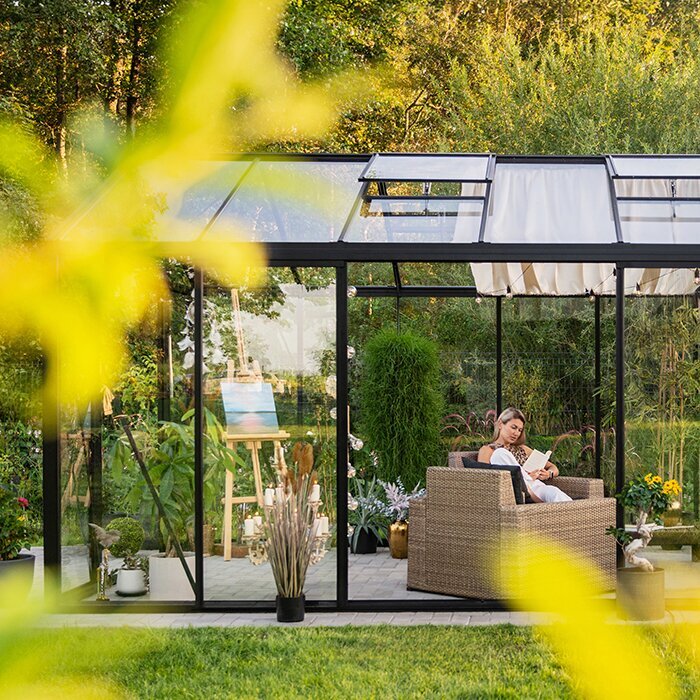
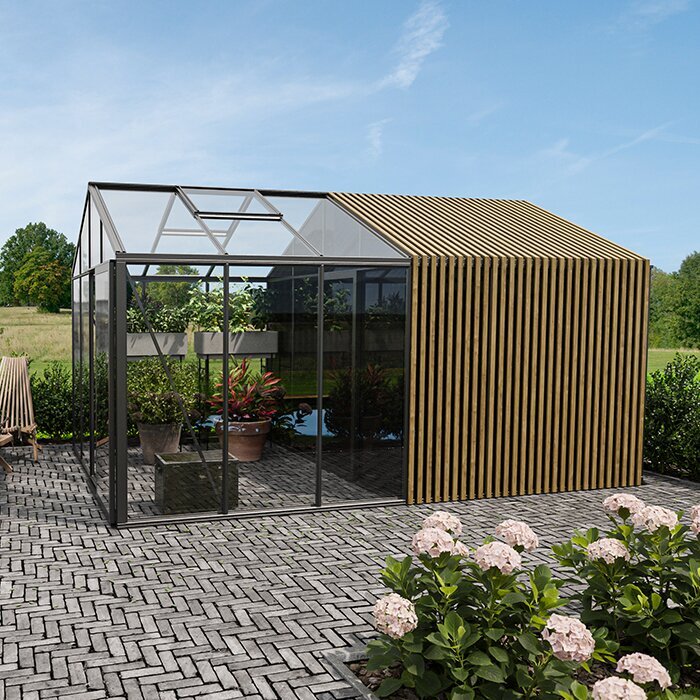
Which questions belong to which insurance area?
This table is an organising aid, not a substitute for reading the policy. Use it to raise the visible loss, affected contents, subsequent consequences and potential claims from other people.
Building insurance
Is the permanently built greenhouse included in the policy?
Photos, foundation details, location description
Storm and hail
What named weather hazards apply, and which parts do they include?
Damage photos, weather timing, purchase documents
Broken glass
Can an isolated break qualify when no severe weather occurred?
Glazing type, detail photos, policy extract
Contents
How are equipment and fixed accessories classified?
Inventory, invoices, installation photos
Liability
How is damage to others caused by the greenhouse assessed?
Damage description, contacts of those involved
Preparing for the insurance discussion
A clear document file and specific questions are more likely to produce useful answers than a general enquiry. Work through the steps and request a written addition to the existing policy whenever something remains unclear.
01
Record the greenhouse
Write down its construction, position, foundation, glazing, fittings and alterations. Include recent photographs inside and out.
02
Have the policy ready
Locate the schedule, policy wording and endorsements. Highlight references to ancillary buildings, hail, storms, glazing and the excess.
03
Separate damage types
Prepare distinct enquiries covering wind, hail, accidental pane breakage, incoming water and loss suffered by somebody else.
04
Agree the evidence
Ask which photos, invoices or notifications are expected after damage and whether approval is needed before repairs.
05
Document the response
Note who responded, when they did so and the outcome. Seek written confirmation or a precise policy clause for significant points.
Checklist: information to keep ready
Use this list as a basis for the discussion. It supports a specific assessment without making claims about your individual insurance protection.
01. Recent exterior images that show the position, foundation and surrounding garden.
02. Purchase evidence, product records and relevant details of assembly or subsequent modifications.
03. A specification of the panes, doors, roofing, shelving and fixed fittings.
04. Existing policy schedule, including endorsements, excess and relevant policy sections.
05. Inventory of equipment, irrigation systems, tools and other items stored in the greenhouse.
06. Contact information plus notes on the accepted reporting method and relevant time limits.
07. Dated images and notes documenting previous damage, repairs and significant maintenance.
08. Enquiries about urgent hazards, safeguarding obligations and claims brought by other people.
Frequently asked greenhouse insurance questions
Is a greenhouse automatically covered by home building insurance?
That cannot be answered generally. Construction, permanent connection to the property, location and policy terms may all matter. Ask your insurer specifically how your greenhouse is classified and request a clear written response.
How might a policy respond to greenhouse hail damage?
Look to the policy for the applicable conditions, the components it addresses and whether hail is a listed cause. Notify the insurer promptly about visible effects and preserve careful records. Lodging a hail claim does not itself establish that every damaged pane or material is covered.
What applies to a broken pane without a storm?
An isolated pane failure can fall under different wording from losses attributed to hail or a storm. Establish whether your policy contains glass cover, whether greenhouse panes qualify and which events it recognises. Ask separately whether the policy addresses only the replacement pane or related labour and other necessary work.
Are plants and garden tools in the greenhouse insured?
Different policy categories may apply to plants, tools and greenhouse equipment. Create an itemised record, then seek an answer for each type of property. The insurer may also consider how the structure is used and whether those belongings are kept there on an ongoing basis.
What cover should I check if my greenhouse damages a neighbour’s property?
Ask about personal liability when considering a possible claim from somebody else, while recognising that the individual policy and facts control the outcome. Give the insurer the greenhouse location, its relevant features and realistic loss scenarios. If an incident occurs, leave the final assessment of the circumstances to the insurer.
Should repairs begin straight after greenhouse damage?
First isolate hazards and take reasonable steps to stop the situation worsening. Before arranging substantial repairs, check the policy’s notification and inspection procedure. Have the insurer specify the urgent action it expects, the photographs to take and the receipts or other cost records that must be retained.
Plan your greenhouse project
Better prepared with clear questions
A greenhouse is a valuable part of the garden, but insurance protection does not arise from assumption. Consider your model’s classification, named causes of damage, broken glass, contents and liability separately. Photos, documents and precise questions provide a sound basis for your insurer’s individual assessment.
Take time to read policy terms and update your documentation when the greenhouse changes. After damage, safety, factual evidence and timely reporting matter. Bloomcabin provides clear product information for planning; only your insurer can give binding advice on insurance protection.
Explore greenhouse solutions and gather the right product details for your project.
