
Greenhouse snow load: compare technical details
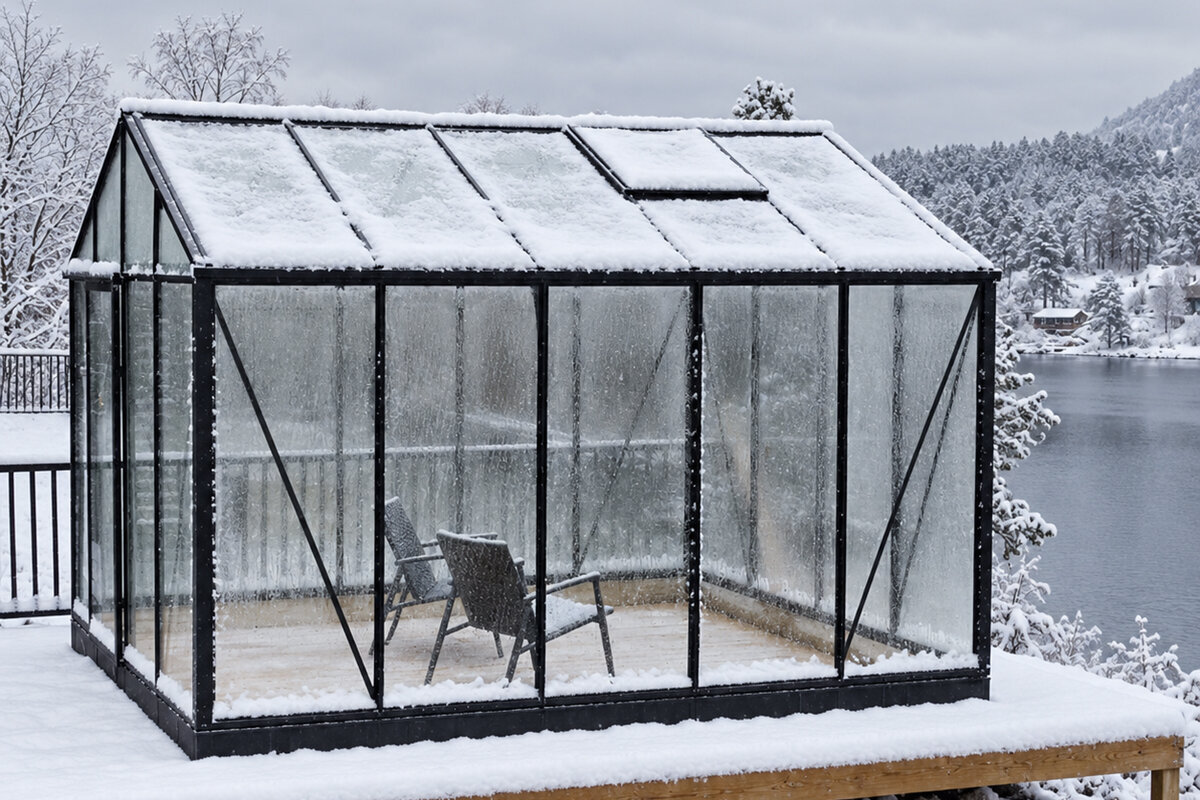
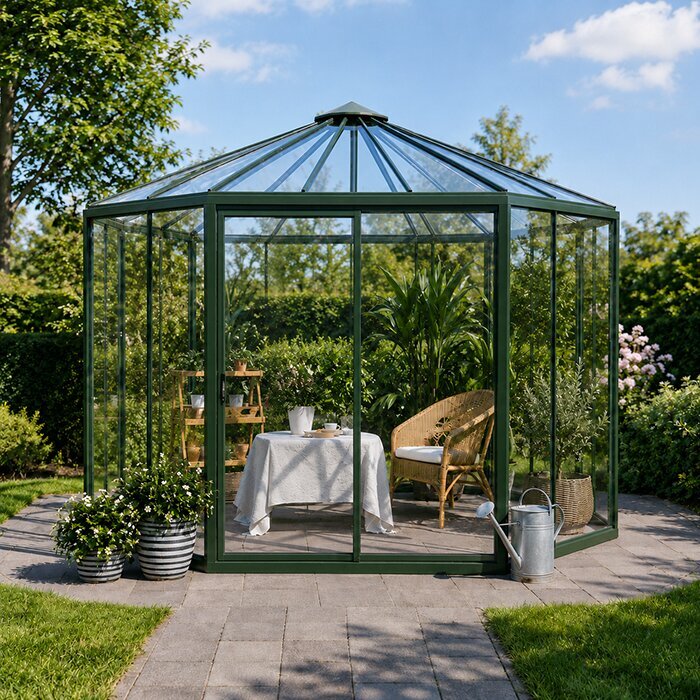
For year-round greenhouse planning, snow-load information should not be read as an isolated number. Check what is documented, which version is covered, and the foundation, assembly and operating assumptions that apply.
A layer visible on the roof tells only part of the story. Wet, compacted or drifting snow may affect a structure quite differently from a light fresh fall. A sound comparison must therefore go beyond the product-sheet number and establish the load definition and all components included in the documented version.
For an Australian project, the precise garden position and its surroundings also matter. Altitude, local weather, wind drift, shaded areas, and nearby tall buildings or trees can affect snow accumulation on a roof. A technical rating is a planning basis, not a substitute for a site-specific assessment.
Use this guide to work methodically through greenhouse snow-load data and judge competing offers on equal terms. It identifies the paperwork worth requesting, explains the importance of the foundation and anchors, and sets out questions to raise before purchase. The headline number then becomes part of an informed decision rather than the decision itself.
Technical basis · 01
What a snow-load rating describes
Snow load is an action applied across the area of a roof structure. A published value shows what the manufacturer has documented for a defined version; it does not establish that every size, accessory combination or variant in the range was assessed alike. Read it together with the precise model reference and stated coverage.
Distinguish carefully between a product rating and what may occur on site. Documented design assumes defined conditions, yet snow can settle unevenly, compact or drift into particular areas. Take these effects into account when selecting the position and organising winter checks.
Also check whether the technical statement concerns evenly distributed loading or addresses unusual accumulations separately. Snow can collect differently near junctions, gutter areas and taller adjacent structures than across an open roof. Model drawings and assembly documents help ensure these construction differences are not missed.
- Establish whether the statement concerns the greenhouse as a whole or only particular framing or roofing components.
- Request clarification whenever the product page, installation manual and technical data sheet describe the rating at different levels of detail.
For a well-documented freestanding starting point, review standard Classic greenhouses while keeping every comparison tied to its model documents.
Comparability · 02
Read roof form, size and version together
Construction must be sufficiently alike before two values can be compared usefully. Roof pitch, span, profile geometry and the route taken by forces through the glazing and frame all shape performance. Increasing greenhouse length is not necessarily a simple scale-up: extra bays or changed spacing can alter the engineering.
A lean-to greenhouse also introduces a connection with the building. The supporting wall, fixings and weatherproofing require their own assessment even though the wall is part of the setting. Its position against a building does not, by itself, make snow management less important.
Gather the complete set of papers for each configuration before comparing it with another. Keep the sales description, specifications, installation manual and optional-component information together. Note whether a statement covers the standard version or requires specified reinforcement, so details belonging to separate variants are not mistakenly assembled into one apparent rating.
- Set figures against one another only when size, roof construction and glazing selection all correspond.
- With a lean-to, establish what is required of the supporting wall, junction, fixings and anchors.
For a greenhouse beside your home, review the dimensions offered for full-size Lean-To greenhouses then assess the façade junction independently of the greenhouse specification.
Reading documents · 03
The paperwork that supports a sound assessment
The sales overview is a helpful first reference, but a technical choice usually requires more. Look for documents that connect the exact variant and dimensions with its parts, anchoring method and installation conditions. Clear identification of the complete configuration makes objective comparisons easier and reveals questions while there is still time to resolve them.
Do not read notes as mere fine print. Statements about foundations, permitted equipment, inspection duties or measures during exceptional weather form part of the technical picture. If anything remains unclear, request an explanation before ordering of the version it concerns. A brief verbal answer does not replace the relevant product documents.
Prepare a basic drawing of the proposed site. Include walls, nearby roofs, trees, paths and places where snow could shed or accumulate. Note usual winter wind direction and known collection areas. It gives specialists clearer information and helps you relate product guidance to conditions in your garden.
- Beside every snow-load entry, write down the exact model, measurements, roof configuration, glazing and proposed accessories.
- Confirm that the installation manual and specification concern one configuration, noting any additional conditions mentioned by either document.
For a consistent documentary review, the variants within Classic greenhouses in standard specification can provide a straightforward baseline.
Assessing the site · 04
Assess the garden beyond its region
Regional weather experience is valuable, yet insufficient for a particular position. A sheltered garden corner can retain snow longer, while exposed ground may encourage drifting. An adjacent roof, high fence or dense planting also changes airflow and accumulation. Where possible, observe how winter weather behaves at the proposed position beforehand.
Ground conditions are central as well. A level, prepared foundation with adequate bearing capacity supports the intended load transfer and correct assembly. Slopes, irregular ground and makeshift supports complicate planning. Where needed, seek specialist advice and discuss construction matters with relevant authorities.
Choose the anchoring approach before installation begins. Establish which foundation arrangement the selected greenhouse requires and whether the ground can be prepared accordingly. Variations in level, elevation or fixing can prevent components working together as intended. Record how the base was completed and retain the installation documents for later inspections.
- Survey the position for places where drifting, shade or snow shedding from another roof has produced local build-up.
- Allow safe access so you can inspect the greenhouse in winter and follow the manufacturer’s guidance.
If connection to the home defines the proposed position, assess full-size Lean-To greenhouses in regular configurations with particular attention to their façade and foundation provisions.
How the structure works · 05
Foundations and anchoring are integral
Roof performance depends on the entire supporting system. Frame sections, joints, glazing, base and anchors work together to transmit forces and keep the greenhouse stable. That is why one snow-load number cannot represent the whole assessment. A foundation prepared to the installation instructions forms an essential part of the designed structure, rather than an optional extra.
Give modifications after assembly proper consideration. Shelving, trellises, internal equipment and other later additions are not automatically equivalent to structural elements. Follow instructions for the relevant model. If your use or site differs from them, seek technical clarification before proceeding.
Set responsibilities and safe procedures before snow first arrives. Following any marked change in weather, examine the roof along with doors, junctions and the surrounding area. Unfamiliar sounds, visible distortion or an obstructed approach warrant attention. Avoid unauthorised alterations to load-bearing components and use the instructions supplied for the model.
- Follow the foundation and fixing details issued for the product, not assumptions carried over from unrelated garden structures.
- Once installation is complete, verify that glazing, doors and frames are free from unintended stress and every connection matches the instructions.
For freestanding garden solutions, explore Classic greenhouses as standard models with the applicable assembly information.
Winter operation · 06
Organise inspection and care for snowfall
The way a greenhouse will be managed in winter belongs in the selection process. Watch roof surfaces and junctions closely after wet falls or temperature swings. Consult the manufacturer’s operating guidance to learn whether snow should be removed and, if so, by what method. Concentrated pressure or unsuitable equipment may damage parts.
Maintain access to the doors, paths and immediate surroundings. Snow or ice dropping from nearby roofs and branches can create an additional hazard. Avoid improvised work on top of the structure and put personal safety first. Stop using the greenhouse and obtain specialist advice if loading appears unusual or the structure visibly changes.
Separate verified facts from assumptions on every comparison sheet. The absence of a specification cannot be treated as evidence that a feature is present. Note each unresolved matter, the date or status of the paperwork and the response received. This record is especially useful when sizes, roofs or equipment appear alike yet have technically important differences.
- Nominate the person responsible for winter observations and agree on a safe response to exceptional conditions before the season starts.
- Keep sharp edges, harsh implements and uneven pressure away from glazing, framing and roof surfaces.
At the building, short inspection routes make it easier to look after regular Lean-To greenhouses in full-size formats throughout the local snow season.
Evaluating offers · 07
Compare technical information fairly
Give every offer its own comparison entry rather than recording a name and maximum value alone. Include the exact size and roof type, together with the proposed foundation and installation conditions. List unanswered questions beside these details. The resulting view shows whether the ratings share a genuine basis or refer to materially different arrangements.
Look for complete communication: sound technical information makes its conditions visible instead of promoting a number alone. Do not draw favourable conclusions from absent details. If evidence is needed for planning, insurance or approval matters, ask the relevant authority, insurer or specialist which documents are required in your circumstances.
Before placing the order, reconcile the chosen configuration with the material you have read. Make sure its model reference, dimensions, roof, glazing and proposed accessories all align. If the order changes, obtain confirmation that the published data still applies. This creates a clear record of the conditions relevant to installation, ongoing inspection and use in snowy weather.
- Check delivered components against the documented version so that optional items or special equipment do not quietly change the assessment.
- Where doubt remains, ask for written confirmation that identifies the rating applicable to the greenhouse you selected.
For a straightforward product comparison, use Classic greenhouses in standard specification as the baseline, provided the compared versions truly match.
Preparing your decision · 08
Resolve questions before ordering
A well-founded choice combines product documentation with site planning. Describe the intended position, desired size and particular circumstances, such as an exposed spot or proximity to a house, to the supplier. Ask which configuration each technical statement covers. This reduces the risk of applying general information incorrectly to your project.
Plan for what happens after installation too: who will inspect the greenhouse in winter, how it can be reached safely and what actions its instructions prescribe. If approval could be relevant, ask your state or territory planning authority and local council which pathway applies to the particular site and proposal.
- Before raising configuration-specific questions, assemble site photographs, measurements and a concise description of the proposed position.
- Store the sales description, installation manual and confirmed order details together so later reviews have a reliable record.
For a project adjoining a façade, consider regular Lean-To greenhouses in full-size options and settle every connection detail before work starts.
Side-by-side assessment
How to compare snow-load information
Use the following questions to examine the full technical context rather than focusing on one number. Transfer the relevant details from each set of product papers and highlight differences. Any blank response should become a targeted enquiry before you settle on a greenhouse.
| Question to check | Comparable information | Why it matters |
|---|---|---|
| Does it apply to the selected model? | Model name and exact dimensions | Versions within one range may be constructed differently. |
| Which roof version is described? | Roof form and construction details | Load distribution depends on geometry and supporting structure. |
| What assembly is assumed? | Foundation, anchoring and assembly guidance | Correct fixing is included in the technical design. |
| Is equipment included? | Glazing and intended accessories | Different components can change the comparison basis. |
| Are winter-weather operating instructions provided? | Inspections and recommended actions | Safe operation complements structural assessment. |
Interpret the figure
A snow-load figure records engineering information for defined conditions. It becomes meaningful for comparison only when connected to the specified model, loaded area, roof arrangement and installation method.
Check the site
No two snow situations are identical. Local accumulation caused by wind, roof edges or unfavourable deposits needs particular attention during garden planning.
Reconcile the paperwork
Obtain the technical material issued for the product, then examine its assumptions, omitted variants and instructions for use during winter as one coordinated set.
A sound selection in five steps
Start with the garden, then work towards the product details. This sequence stops a single figure obscuring assembly, use and local conditions.
01
Record the site
Record the available area, access route, ground, distance from the house and likely places for drifting or build-up. Evidence from earlier winters is more informative than a general assumption.
02
Settle on a model
Choose the form and dimensions to suit the intended use and space first. Fix the exact variant in writing before assessing its specifications.
03
Reconcile all records
Consider the sales description, installation directions and operating notes as a set. Verify that the stated snow loading belongs to the model you intend to buy.
04
Plan the supporting base
Prepare the ground and anchoring arrangement in accordance with the selected version’s instructions. Difficult terrain or unusual conditions may warrant advice from a suitable specialist.
05
Organise winter routines
Establish safe access, observation duties and a response for unusually heavy snowfall, always using the operating and safety directions issued for the product.
Questions for a technical enquiry
Working through these items should produce clearer answers and a more transparent comparison. Bring them to a product discussion or keep them beside you while examining the technical data.
01. Record the exact model designation, size and required roof version in writing.
02. Obtain confirmation that the stated snow loading belongs to the configuration being considered.
03. Check all foundation, base and anchoring requirements completely.
04. Account for the proposed glazing and accessories when evaluating the engineering information.
05. Assess the site for drifting, roof fall and snow that remains for longer periods.
06. Review the assembly guide for special winter notes before ordering.
07. Provide a safe route for winter observations without creating additional hazards.
08. Clarify individual requirements directly for authority or insurance questions.
Common questions on snow loading for greenhouses
Does the greatest snow-load figure necessarily make the best option?
No. Its significance comes from the defined form, dimensions, installation method and documented assumptions. The right choice is the configuration that fits both the proposed use and conditions at your site. Judge the complete set of engineering information, not a value viewed on its own.
When can ratings from separate manufacturers be set against each other?
They can be assessed together only after establishing a common basis. Examine roof geometry and span, glazing, foundation instructions and precisely what each statement covers. A number without these supporting details can create a false comparison, so obtain a clear written explanation before relying on it.
How does the foundation affect resistance to snow loading?
Forces travel through the greenhouse into its foundation and anchors, making both part of the overall load path. They help the installed structure behave in the manner intended by its design. Uneven or unsuitable support can undermine that arrangement, so use the directions issued for the exact model.
Should accumulated snow be cleared from a greenhouse?
Follow the instructions for the model and consider the actual weather and accumulation. Wet deposits or drifts may behave differently from loose, light snow. Use only a safe method authorised by the guidance. If you observe damage or exceptional conditions, stop and seek competent advice.
Could my Australian greenhouse require approval?
Ask the relevant state or territory planning authority and local council whether the particular proposal requires approval. Provide the property details, proposed position, dimensions and design when enquiring. A greenhouse specification cannot determine the planning or building pathway for an individual site.
Will my insurance cover snow damage?
The answer turns on the wording of the policy, the nature of the damage and any conditions agreed with the insurer. Installation, upkeep and record-keeping obligations may affect a claim. Confirm the intended greenhouse cover before purchase and retain its technical and installation papers.
Choose a greenhouse
Decide with complete information
A greenhouse snow-load rating is an important selection criterion, but never the whole story. Only the model, roof construction, assembly, foundation and local winter conditions create a meaningful picture. Reviewing these points together makes technical information easier to interpret and offers easier to compare objectively.
Set aside time to review documents and resolve questions, especially for a difficult site or a greenhouse attached to the home. The Bloomcabin team can assist with navigating the range; project planning should still account for the product instructions and conditions specific to your property.
Explore suitable greenhouse forms and compare technical information for your planned version.
