
Ground screws for a garden shed: when to ask for a site assessment
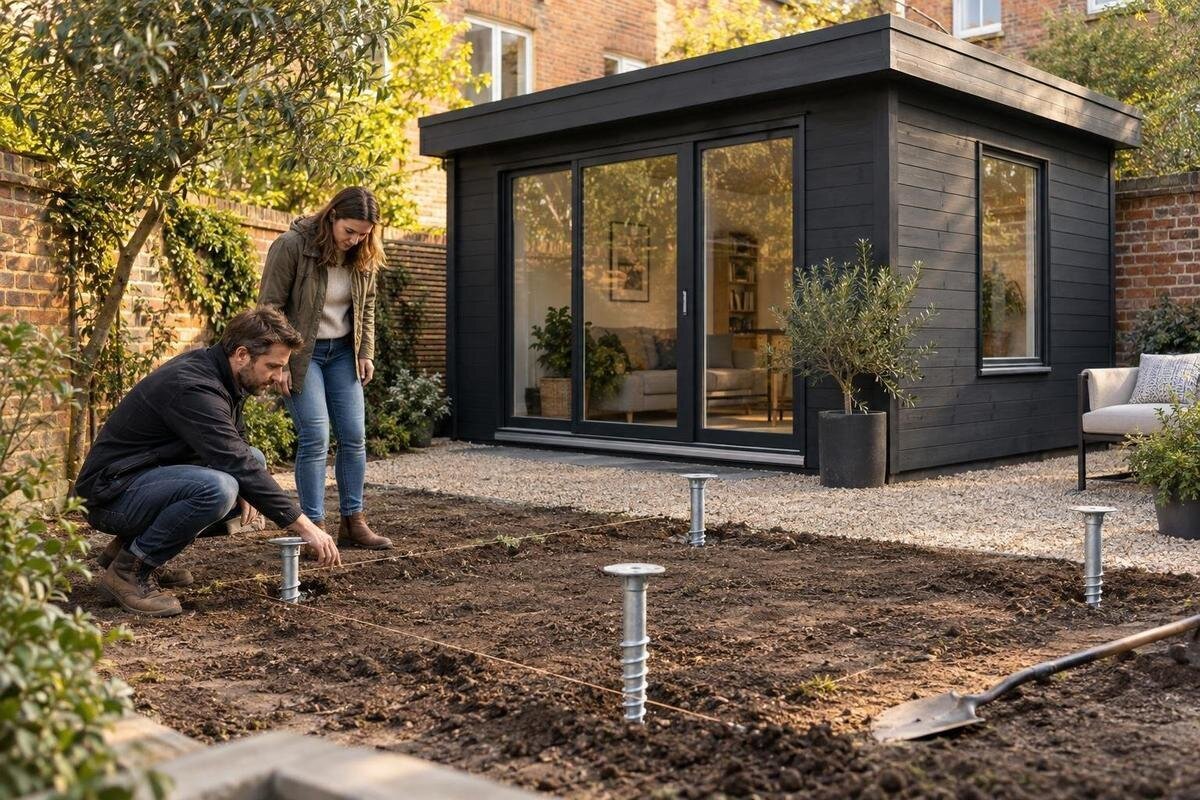
Garden shed foundation planning
Ground screws may be one way to support a garden shed, but the product name alone cannot tell you whether they suit a particular block. A site assessment connects the exact shed requirements with the ground, proposed position and conditions around it. Arrange that review before ordering screws, committing to a base design or treating an early quote as final, especially where the site is sloping, filled, wet, altered or poorly documented. This guide explains when to ask, what information helps and what to clarify in writing. It is planning guidance, not a screw layout or engineering design; have the actual site and shed assessed by a suitably qualified professional.
What a site assessment should cover
A site assessment connects three things: the shed you intend to buy, the exact spot where you plan to put it and the conditions at that spot. Its purpose is to establish whether ground screws are a suitable foundation option to investigate for that combination, or whether more information or another approach is needed. It is not enough for someone to say that screws are commonly used for sheds. A general product description cannot account for your ground, the layout of your block or the requirements of a particular building. Ask what the assessment covers before treating a recommendation as site-specific.
The term can describe different levels of work. One provider may visit and give preliminary advice; another may review existing information, prepare a design or quote only for installation. These are not interchangeable. Clarify who is responsible for assessing suitability, whether they will inspect the site, what information they will rely on and what written record you will receive. A useful review should identify limitations as well as conclusions, including any further investigation needed. If the provider cannot explain the scope, ask for it in writing before you make a foundation decision.
When to request the assessment
Ask early, before choosing a final foundation arrangement or ordering ground screws. That gives the assessor a chance to consider the shed and the proposed position together, rather than trying to resolve questions after materials have been ordered or the building has arrived. It is especially useful when the site has been altered, you have little information about its history or you are still comparing shed models. If the eventual choice differs from the one discussed, check whether the advice still applies; an assessment of one building and position should not automatically be treated as advice for another.
Some site conditions make a professional review particularly worthwhile: a sloping or uneven area, ground that may have been filled or disturbed, water that collects or runs across the proposed footprint, or noticeable differences in surface conditions from one part of the spot to another. Nearby retaining structures, signs of erosion or restricted access are also worth mentioning. These are reasons to ask questions, not proof that ground screws will or will not work. A quick look from the surface cannot settle the foundation decision, so record what you have noticed and let the assessor explain what it means.
Identify the exact shed before reviewing the base
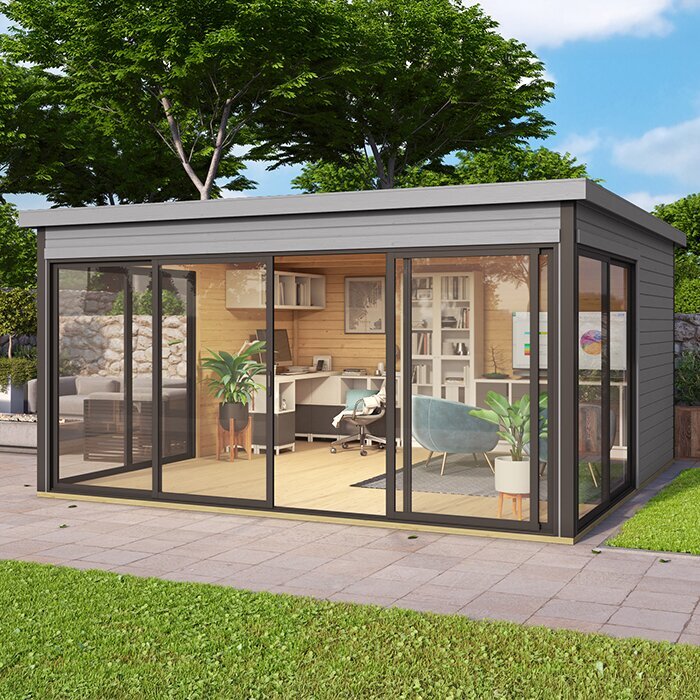
Give the assessor the exact model you are considering, not just a broad description such as a timber shed. Look for current product and installation documents that state the footprint, any base or anchoring requirements, and other relevant foundation guidance. If a document is missing or unclear, ask the seller or manufacturer for it rather than estimating from a photograph. For example, if the Verdana 1 garden house is on your shortlist, provide its exact listing and any available technical documents; the model name alone cannot establish whether ground screws suit your block.
Describe how you expect to use the shed as well as which model you are considering. Tell the assessor what you plan to store inside and mention any intended changes that could affect the building or its use. You do not need to work out technical loads yourself; the point is to give the professional accurate information and ask whether it matters to the foundation design. Keep track of the model version and any options you have selected. If you switch products, alter the footprint or change the intended use after the review, ask whether the earlier advice needs to be updated.
Prepare a site sketch and access notes
A simple, clearly labelled sketch can make the first conversation more useful. Mark the proposed shed position and footprint, and show nearby fixed features such as the house, fences, paths, retaining structures, trees and downpipes. Use dimensions from the current product information where available, and note where each measurement came from; do not scale an image to guess the size. If the Verdana 2 garden house is a candidate, for example, use its documented footprint if supplied, or ask for that information before drawing the proposed position. A sketch is a discussion aid, not a substitute for a survey if precise site information is required.
Add practical access notes as well. Describe the route to the proposed position, including gates, steps, tight turns, soft or uneven areas and overhead obstructions that could affect a site visit or installation. Mark known or suspected underground services and share any records you already have, but do not rely on memory as confirmation of their location. Ask the assessor or installer who will arrange any necessary service-location checks before work begins. If access or the proposed position may change, show that uncertainty on the sketch instead of presenting an early idea as a fixed plan.
Record drainage, levels and nearby features
Describe what you have observed about water around the proposed spot. Note whether water tends to collect after rain, where surface runoff appears to travel, and whether nearby roof drainage discharges towards the area. If you have photos from different weather conditions, they can help explain the pattern, but they do not replace an assessment. Avoid drawing conclusions from a dry-day inspection alone: a surface that looks firm and even at one time may not tell the assessor what happens across the year. Report the observations and let the professional decide whether they affect the foundation plan.
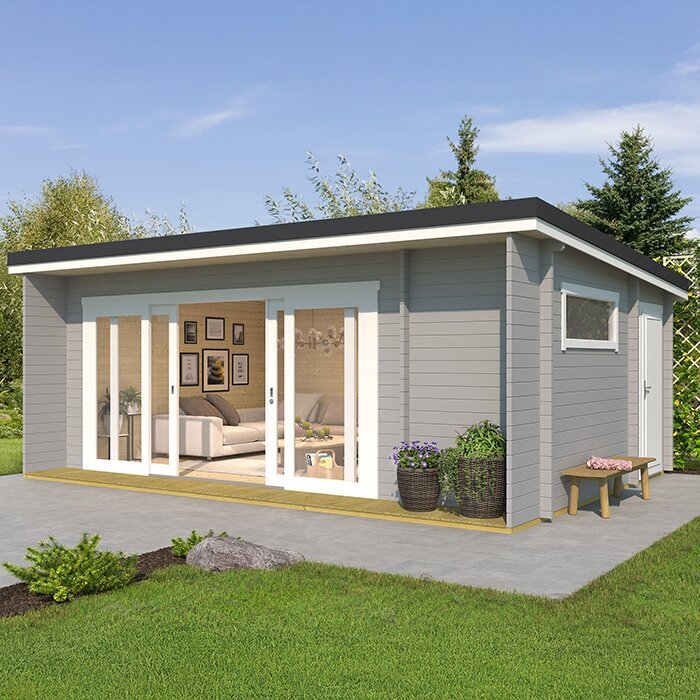
Mark slopes, changes in level and nearby features that could influence the choice of position or access, including trees, retaining structures and adjacent buildings. If there is more than one possible location, show each one separately; the best option cannot be assumed from appearance alone. For a candidate such as the Durano spacious garden house, identify the exact spot being considered rather than asking for a general opinion about the block. The assessor can then say whether the proposed location needs further review or whether another position should be considered.
Bring the site's history into the review
Tell the assessor what you know about previous work on the site. That might include an old shed or other structure, excavation, imported fill, landscaping, trenches or changes to the ground level. If you have invoices, site plans, photos or notes from earlier work, gather them even if they are incomplete. A short timeline of what happened and roughly where can be more useful than a vague description of the whole block. If your shortlist includes the Veltor 1 garden house, include its exact model information alongside the site history so the review can consider the proposed building and location together.
Some uncertainties only become apparent when the assessor compares the history with the proposed footprint. Ground may vary across a small area, and surface appearance alone cannot confirm what lies beneath it. If you know of buried debris, old service routes, areas that have settled or ground that stays wet, say so; do not try to investigate the area yourself to fill gaps. Ask whether the information is enough for an initial view or whether further professional investigation is needed. If additional work is recommended, clarify who will arrange it, what question it is intended to answer and whether the foundation decision must wait for its result.
Questions to ask the assessor and installer
Before booking, ask what role the provider will take on: site assessment, foundation design, screw specification, installation, or only some of these. Find out whether the review includes a visit, which parts of the site will be considered and what documents you should supply. Ask who is responsible for the final foundation decision if different businesses assess, design and install the work. If you are seeking advice for the Orello 1 listing, for instance, make clear which exact model and proposed position the discussion concerns. The answer should describe a defined scope, not leave you guessing what has actually been reviewed.
Ask what the written result will include and whether the quoted work covers the visit, report, design, any extra investigation and installation. A quote for one part does not necessarily include the others, so get the boundaries stated clearly. Useful questions include: what assumptions are being made, what could change the recommendation, what happens if conditions on the day differ from those described, and who should resolve an issue before work proceeds? You are not asking the provider to promise a particular outcome. You are making sure you understand the process, responsibilities and possible follow-up before you commit.
What to look for in the written outcome
The written result should identify the site and proposed shed it relates to, rather than giving a generic statement about ground screws. It should say what information was reviewed, whether the site was visited and what assumptions or limits apply. Look for a clear conclusion: a potential option subject to stated conditions, a need for more information, or a recommendation to consider another foundation approach. If the Modano 1 listing remains under consideration, ask for the document to identify that exact model and the location being assessed. If the report does not make its conclusion clear, request an explanation before treating it as approval to proceed.
Where a design or installation plan is part of the work, confirm what final documents you will receive and who is responsible for them. Ask how the proposed system will relate to the shed maker's current foundation and anchoring guidance, and whether any unresolved difference needs to be addressed. A brief site note or installation quote may not include a complete foundation design, so check rather than assume. You should not need to fill technical gaps by copying a generic layout or working out screw numbers yourself. If the assessment relies on information you did not provide or understand, ask for the relevant assumptions to be explained.
Resolve open points before ordering
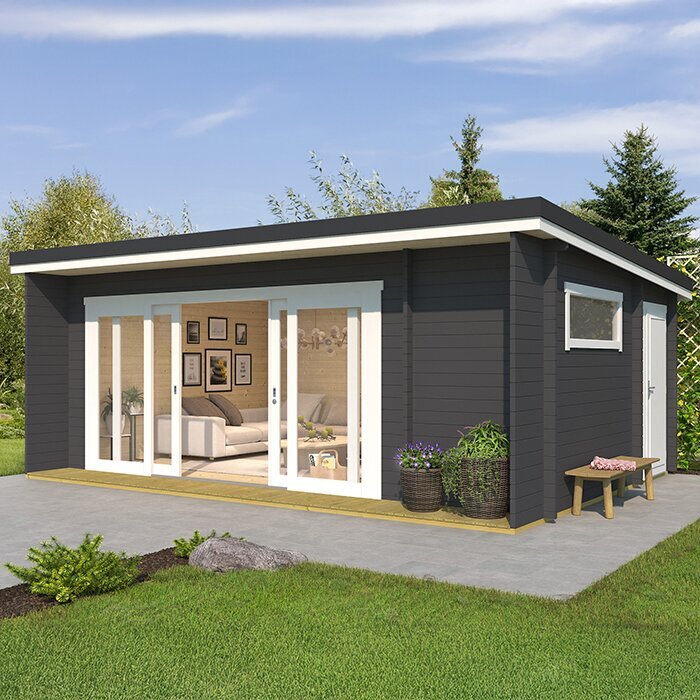
Keep the foundation order connected to the assessment's actual scope. Before committing to screws or related work, confirm that the model, proposed position and intended use in the quote match what the professional reviewed. For example, if you are considering the M Timber garden shed, check that the assessment refers to that candidate rather than to a different shed or a generic building description. Ask whether the quoted work includes design and installation, or whether those are separate decisions. If a recommendation is still provisional, find out what information is outstanding and who will confirm the final arrangement.
Read the seller's current terms before placing an order, particularly if the foundation plan is not settled and a change could affect what you buy. Terms for changes or cancellations depend on the seller, so do not assume you can revise an order later without consequence. Keep the assessment, product documents and quote together, and check that any revised proposal is based on the same version of the shed information. If you receive different recommendations from the assessor, shed supplier and installer, ask them to clarify the difference before purchasing. A written answer is more useful than trying to reconcile conflicting assumptions yourself.
Recheck the plan if the site or shed changes
A foundation decision is tied to the building and place that were assessed. If you change the selected model, alter its footprint or move it to a different part of the block, ask whether the original review still applies. The same is true if new information about ground history or drainage comes to light. Even if the Timber Tool Shed S is simply one candidate on your list, do not assume a conclusion for another shed transfers to it. The assessor can confirm what needs to be reconsidered; you do not need to guess which details matter.
Before work starts, compare the actual site and final shed documents with the information in the assessment. If the conditions differ from what was described, or the final position has moved, contact the responsible professional and ask for guidance before proceeding. Keep the written outcome and any updates with your purchase records so the installer can work from the same agreed information. A considered ground-screw decision is not a universal rule for every shed: it is a conclusion about one building, one position and the evidence available. That is why asking at the right time can prevent a generic recommendation from becoming a costly assumption.
Frequently asked questions
When should I request a site assessment for ground screws?
Ask before you settle on a foundation plan or order the screws, particularly if the ground, site history, drainage or access is uncertain. An early review gives the assessor a chance to consider the actual shed and proposed position before you commit to a plan.
Can I tell whether ground screws will suit by looking at the soil?
A visual check can flag things to mention, such as pooling water or disturbed ground, but it cannot confirm what conditions are below the surface or establish suitability. Give your observations to a suitably qualified professional and ask what further information is needed.
What information should I send the assessor?
Provide the exact shed model and any current product or installation documents you have, a marked site sketch, available site records and photos of relevant conditions. Note the intended use, known access limits, drainage issues, past site work and any known or suspected underground services.
Does an assessment guarantee that ground screws will work for my shed?
No. The outcome depends on the assessment's scope and the information available. It may identify a potential option, set out conditions, request further investigation or recommend another approach. Ask for the conclusion and its limitations in writing.
What if I change the shed or its position after the assessment?
Tell the assessor or responsible installer before ordering or starting work. A different model, footprint or position may change the information the original advice relied on, so ask whether the assessment or design needs to be reviewed.
A useful ground-screw decision brings together two things that match: current information for the shed you are actually considering and a site assessment for the spot where it will stand. Ask early if either is incomplete, and get written answers where assumptions affect suitability. That gives you a clear basis for deciding whether to proceed, seek more information or consider another foundation approach, without relying on a generic recommendation for a different building or site.
