
Growing figs in a greenhouse for reliable harvests
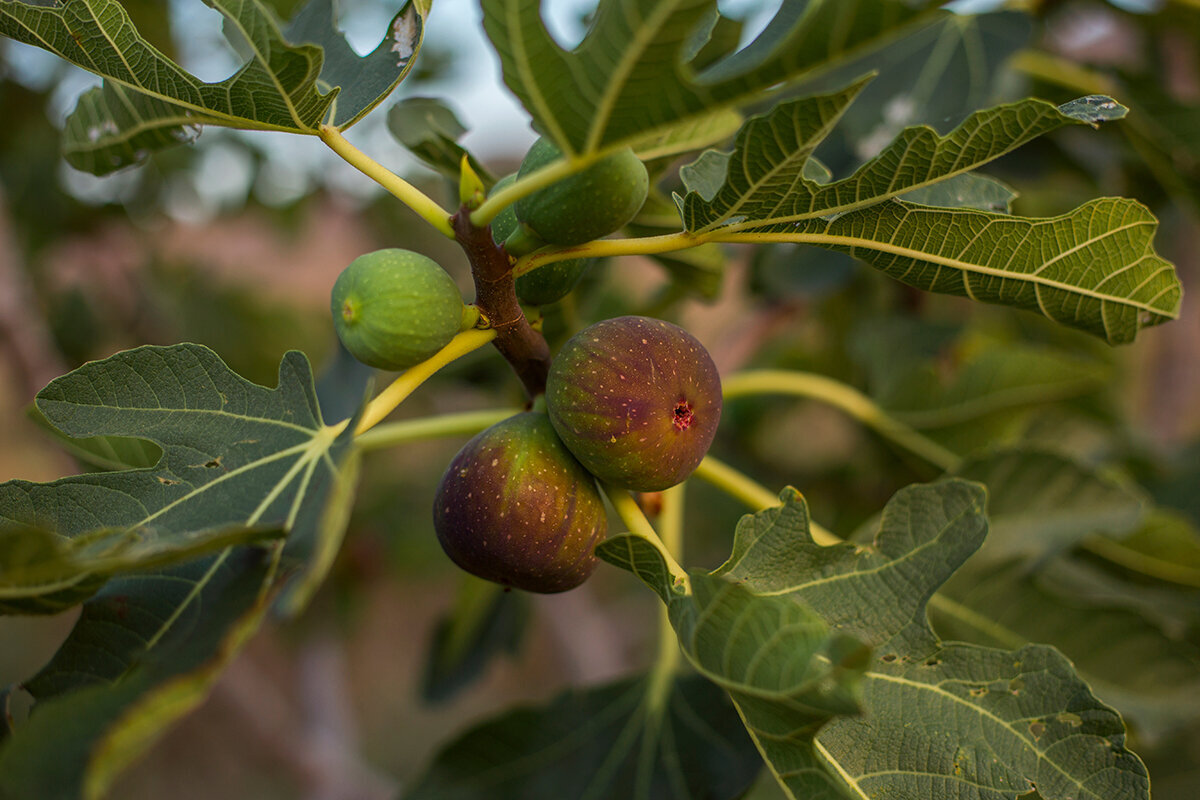
An Australian guide from Bloomcabin
Growing figs in a greenhouse for reliable harvests
Success with a greenhouse fig comes from directing its vigour: provide generous light and warmth, contain the roots and framework, and keep ripening fruit comfortably within reach.
01 / Why containment matters
Glass will not limit a fig by itself, so consistent training becomes essential.
The practical benefit
Shelter adds warmth to the growing season, keeps cold rain off the fruit and creates better harvesting conditions. Across cooler parts of Australia, it may help late figs develop flavour instead of staying hard when autumn temperatures fall.
Natural fig growth is vigorous enough to shade a modest glazed structure quickly. Treat the plant as a permanent orchard tree occupying a defined space, not a fruiting houseplant. Plan a controlled root zone, establish the framework below the ridge, make irrigation easy to inspect and retain a walkway for harvesting without repeatedly brushing latex-bearing foliage or shoots.
Good ventilation in a classic-style aluminium greenhouse supports the whole system with abundant light, usable roof vents and a durable structure sized for the eventual canopy rather than only the young tree.
02 / Match fruit type to climate
A dependable single crop is worthwhile; a second is a bonus.
For fresh fruit, choose a named common fig suited to the length of your regional season. Common figs generally set edible crops without pollination, but this is not true of every fig type. Smyrna figs and related cultivated forms have different pollination needs and are poor choices for uncomplicated home-greenhouse growing in Australia.
Wood formed last season{
The breba crop
Breba fruit develops on growth made during the preceding year. It can mature early, an advantage where cool autumn weather arrives promptly. However, this wood remains exposed through winter: severe or late frost and hard dormant-season pruning may destroy much of the first crop before spring growth is established.
For cold districts, concentrate on sheltering the established framework and bringing bud break forward. Where the warm season is brief, an early cultivar with a sound local record is a better prospect than a variety promising very large fruit that ripens exceptionally late.
This season's shoots{
The main harvest
The later crop is borne on fresh growth. Shelter encourages that growth, but excess nitrogen, water or unrestricted room can produce foliage and length rather than timely ripening. Aim for fruiting wood that receives good light, matures properly and finishes its figs before seasonal warmth and daylight drop sharply.
Nurseries often suggest Brown Turkey, Ronde de Bordeaux or Madeleine des Deux Saisons for cooler temperate areas. Regard them as candidates, not promises of yield. Ask a reputable nursery whether a plant is a common type, when it ripens and how it performs locally. Age, summer weather, sunlight and pruning also affect production.
Examine each shoot before using the secateurs. Smooth green or brown growth made last year may carry breba buds; growth emerging after bud break supports the principal crop. Before a major cut, decide which potential harvest period would be sacrificed.
03 / The critical space choice
Define the fig's rooting area before it expands beyond control.
Fruit production does not require starving a fig, and confining its roots is no instant formula for cropping. Its value lies in matching a vigorous plant to the available structure. A known rooting volume also gives you better control over irrigation, nutrition, repotting and future rejuvenation.
Most home structures suit either a heavy, generously sized pot or a purpose-built pit restrained along its sides. Plant directly into unrestricted ground only where roof capacity is substantial and permanent canopy management is realistic. Once roots spread freely into adjacent soil, maintaining a crown of practical domestic size becomes difficult.
Three ways to manage roots below ground
Large container
Bounded planting pit
Open soil
Large container
This flexible choice provides complete containment. Select a structurally stable, peat-free mix containing mineral material, provide ample drain holes and use a pot that moderates summer moisture changes. Follow a planned repotting cycle and replace depleted mix.
Contained planting pit
Robust side panels or an appropriate root barrier can enclose a pit, increasing soil volume and thermal mass without losing a fixed boundary. A depth and width of about 60 cm provides a practical basis for planning. Effective drainage, irrigation access and the ability to renew the root zone are still essential.
Open soil
This option promotes the greatest vigour. Reserve it for deep, free-draining ground with generous overhead volume and a continuing pruning program capable of keeping the main framework low, airy and easy to reach.
04 / Siting and working room
Allow for the tree at maturity.
Use the brightest suitable position without obstructing doors, roof vents, controls or the main aisle. Along the sunniest side of a freestanding greenhouse, the fig can often be trained as an open bush or low fan. Keeping foliage about 30 cm from the glazing assists cleaning and circulation and stops leaves resting against hot glass.
Measure the floor-to-eave and floor-to-ridge distances before purchase. Keep the intended mature height comfortably beneath the lowest structural element so the canopy remains reachable from above and around its sides. A height near 1.8 to 2.2 m is commonly practical; needing a ladder for every harvest defeats much of the greenhouse's convenience.
To compare spatial options, view the classic-style aluminium greenhouse alongside the classic-style aluminium greenhouse. Plan floorspace, overhead volume, access, vents, benches and irrigation together as parts of one working layout, rather than treating each feature in isolation.
05 / Framework training and pruning
Maintain a simple structure and useful fruiting growth.
Start shaping while the tree is young. Use either a low trunk carrying three to five evenly positioned main limbs or a fan trained against an appropriate rear wall. Both keep figs visible and admit light. Direct extension growth away from the centre aisle, removing surplus basal shoots and competitors before they make large wounds.
A straightforward framework beneath glass
Treat this form as a design guide rather than an inflexible botanical rule. Seek a compact, open crown whose main limbs are reachable, whose fruiting shoots are distributed evenly and whose remaining foliage protects fruit and bark from abrupt exposure.
- Permanent scaffold branches Position these limbs low, keep them robust and preserve clear gaps between them. If the framework ages, replace it in stages instead of drastically cutting down the whole tree in a single season.
- One-year-old shoot Breba figs may appear here. Inspect the shoot before dormant pruning because severe cuts can erase the entire early harvest.
- Current summer shoot This growth helps create the principal crop. During summer, restrict shortening to shoots that have become excessively long, shade figs, block airflow or enter spaces that will become unreachable.
- Where to make a reduction cut Choose a sound lateral or suitable bud pointing into useful open space. Do not leave extended stubs. Begin by taking out dead and frost-injured wood, crossing branches and growth directed into the crown.
Reserve structural pruning for late winter or early spring and keep summer cuts modest. Preserve sufficient sound wood from the preceding season if breba fruit matters. When room runs short, reorganise the principal limbs first; indiscriminate repeated tipping often produces crowded, weak regrowth. Avoid severe work once the growing season is well advanced.
06 / Irrigation, nutrition and restrained vigour
Maintain a steady pattern without saturation.
Spring
Once growth resumes, return gradually to regular irrigation. Wet the rooting volume properly, then allow its surface to become slightly dry before watering again. Increase the amount progressively and begin with restrained feeding, particularly when growth is already strong.
Summer
Containers may need repeated inspection on hot days beneath glass. Slow, measured applications or drip irrigation give steadier results than occasional flooding. Begin ventilation early to limit unnecessary moisture loss while air around the tree is hot and still.
Late summer and autumn
Maintain stable moisture as the crop enlarges and colours, but avoid nitrogen-heavy feeding that stimulates lush late growth. Your objectives are mature figs and firm, hardened wood—not tender new shoots approaching winter.
Winter dormancy
Water only occasionally after the leaves have fallen and active growth has ceased. Do not leave the root ball powder-dry for months, although a cool resting tree needs little moisture. Saturated cold compost poses the greater danger.
Adjustable ventilation matters greatly if nobody is present through the hottest hours. Include the classic-style aluminium greenhouse in your planning and give accumulated hot air a reliable escape route before canopy temperatures become extreme.
07 / Keeping fruit on the tree
Investigate stress before assuming pollination has failed.
Common figs typically grown by home gardeners can produce edible crops without hand pollination or fig wasps. Have the seller verify the fruiting type before purchase. That simple check can prevent a needlessly complex search for greenhouse problems later.
When a confirmed common fig sheds small fruit, examine its timing and growing conditions first. Possible causes include abrupt drying, insufficient light, too much crop on a young plant, marked temperature variation, recent repotting, pests or late fruit initiation. Shelter prolongs warmth but cannot replace diminishing autumn light or alter a cultivar's inherited ripening schedule.
Leave healthy young figs in place rather than thinning them all as a precaution. Support overall balance, remove fruit that is unmistakably damaged, stabilise soil moisture, distribute light through the crown and select a cultivar whose maturity period fits local seasonal conditions.
08 / Managing summer beneath glass
Useful warmth must not become trapped heat.
Although figs favour warm conditions, sunshine can overheat a closed structure very rapidly. Open roof vents and doors before temperatures build, arranging circulation so lower openings admit cooler air while heat exits above. Shade is warranted only when leaves scorch or roots cannot supply demand. Moving air reduces humid pockets within dense foliage, but cannot replace sufficient natural vent area.
Prevent the canopy touching the glazing. Selectively remove a few inward shoots rather than stripping leaves across the tree. Foliage powers fruit maturation and shades sensitive bark. Promptly collect old leaves and dropped figs, especially during damp spells, leaving fewer places for fruit flies, mould and souring to develop.
09 / Reading the harvest zone
Use the fruit's position and feel, not colour by itself.
Skin colour varies too widely between cultivars to serve as the only test. A ripe green cultivar may stay green, whereas another turns yellow-green, brown or dark purple. Read several clues together: increasing fullness, softened skin, a flexible neck, a pronounced droop and less milky sap at the stalk. Harvest repeatedly because figs make little further progress after picking.
1 / Upright
Wait
A firm body, tight neck and vertical position mean this fig should remain attached.
2 / Swelling
Watch
Fullness increases and the flesh starts to yield. Keep the moisture supply consistent.
3 / Drooping
Harvest
A softened neck bends down and the whole fig feels pliable. Raise it carefully, then separate it neatly at the stalk.
4 / Split
Check immediately
A neat, minor crack is not necessarily a problem on fully mature fruit. Throw away any fig that leaks, smells fermented, shows mould or has obvious insect injury.
Protect yourself from latex
Use gloves and cover your arms for pruning and lengthy picking sessions. Milky sap released by stalks, foliage and shoots may irritate eyes or skin. Work upwards from lower branches when practical so it does not run along your hands and forearms. Rinse splashes promptly, sanitise tools after suspicious or diseased growth, and pick delicate figs during the cool morning when possible.
10 / Preparing for winter
Permit this deciduous tree to rest.
Seasonal leaf fall is normal, not evidence that greenhouse culture has failed. Use the resting period to inspect the framework, remove dead foliage and fruit remnants, and assess wood and buds. Delay major structural cuts until the most severe frosts are past, when damage and surviving fruit buds are easier to distinguish.
In cold areas, hard frost particularly threatens potted roots, young trees and tender shoot ends. Place the container on insulating material, move it beside a sheltered internal wall and wrap the pot if required. Do not seal the whole tree in airtight material or stimulate soft pre-winter growth with heavy feeding.
Before exceptionally cold nights, shut the vents and doors and add breathable horticultural fleece if necessary. Vent again during frost-free weather because winter sunshine may still raise interior temperatures sharply. Inspect drainage holes and saucers too. Dormancy is also an opportunity to reconsider root capacity, canopy level and next season's picking route.
11 / Recurring trouble spots
Identify the pattern before making wholesale changes.
Fruit drop
Review the cultivar, sudden drying, saturated roots, recent disturbance, poor illumination and fruit initiated too late in the season. Address whichever stress is evident before doing anything else; a heavy, impulsive fertiliser application commonly makes matters worse.
Splitting
Weather and inconsistent moisture usually interact. Improve drainage, avoid abrupt changes between dry and saturated conditions, ventilate after damp nights and collect mature figs without delay.
Spider mites
In warm, dry and sheltered parts of the structure, look for pale stippling, fine webs and declining foliage. Examine new growth and leaf undersides routinely, separate severely affected neighbouring plants and improve airflow and general cultivation before escalating treatment.
Scale insects
Dormancy is a good time to examine wood that is one or two years old. Small fixed shells and sticky honeydew warrant action. Cut away badly infested material, maintain an open crown and apply only a product authorised for the crop, location and intended use, strictly following its label.
Rotting or souring fruit
Promptly discard figs that have split, started leaking, developed a fermented odour or suffered insect injury. Shorten the interval between harvests, increase air circulation and clear every fallen fruit from below.
Poor ripening
Open an overcrowded crown carefully, reduce a self-shading tree to appropriate laterals and cut back nitrogen. Recheck when the cultivar normally matures. Where summer is brief, sheltered breba fruit may offer greater reliability than a principal crop that finishes extremely late.
Before applying a plant-protection product, identify the problem and improve hygiene and growing conditions first. Confirm through APVMA product or permit records that the product and proposed use are authorised, follow the label, and check the destination state or territory's use rules. Regular inspection is more valuable than hurried, indiscriminate spraying inside an enclosed greenhouse.
12 / Seasonal work calendar
A practical annual rhythm for greenhouse figs.
Timing varies with district, frost pattern, cultivar and greenhouse conditions. Treat the table as an ordered set of cues and tasks rather than rigid dates. Local weather controls an unheated structure, and warm subtropical or tropical districts may have a less distinct dormant period.
| Period | Observe | Act |
|---|---|---|
| January–February | Summer fruit swelling and ripening, irrigation demand, splitting risk and signs of heat stress. | Pick frequently, remove fallen fruit, maintain consistent moisture, ventilate early and avoid stimulating soft growth with unnecessary nitrogen. |
| March–April | The last main-crop fruit, late unripe figs, changing leaf colour and cooler nights. | Continue picking mature fruit, remove spoiled or hopelessly late large figs, reduce feeding and ease irrigation as growth slows. |
| May–June | Leaf fall, the exposed framework, drainage problems and the tree's space requirements for next season. | Prepare frost protection, prevent stagnant humid air and review canopy height, ventilation, harvesting access and root containment. |
| July–August | Dormancy, permanent limbs, retained breba buds, pot condition and any frost injury. | Keep the roots lightly moist, protect pots and tender tips during frost, ventilate on mild days and plan structural work carefully. |
| September–October | Bud break, surviving breba fruit, dead tips and the direction taken by fresh shoots. | Increase irrigation gradually, remove damaged wood, adjust the main limbs, repot when required and keep early feeding restrained. |
| November–December | Rising interior heat, fruit set, shoot extension, crown density and the first indications of pests. | Vent before heat accumulates, water consistently, guide selected shoots, lightly pinch obstructive extensions and inspect beneath leaves at regular intervals. |
13 / Common questions
Practical answers for greenhouse fig growers.
May a fig remain under glass throughout the year?
Yes, provided it receives ample sun and airflow, has a defined rooting area and leaves sufficient working room for pruning and picking. An unheated structure extends seasonal warmth without ensuring frost-free conditions. Where severe frost occurs, use breathable protection for pots, young specimens and vulnerable tips.
Is pollination necessary for greenhouse-grown figs?
Common figs intended for home gardens set edible crops without pollination. Other types depend on specialised pollination and are unsuitable for ordinary Australian greenhouse culture. If you do not maintain that specialist system, choose a named common cultivar deliberately.
How large should a fig container be?
Choose a substantial, steady pot with excellent drainage that supports a healthy root ball without allowing the crown to become unmanageable. Move young trees through progressively larger pots. Reliable hot-weather watering, root inspection, renewal of tired mix and access to the mature canopy matter more than one prescribed litre capacity.
Does a fig require severe pruning each winter?
Usually not. Remove dead, injured, crossing or poorly placed wood, and lower height by cutting to suitable lateral growth. Severe dormant pruning can destroy breba-bearing shoots and provoke vigorous replacement growth that crowds the structure again.
Why is the tree leafy while its figs remain unripe?
Possible causes include surplus nitrogen, excessive root volume, heavy self-shading, erratic irrigation, insufficient late-season warmth or a cultivar that matures too late locally. Simplify the main framework first, then correct the clearest source of stress or excessive vigour instead of altering every factor simultaneously.
What greenhouse characteristics best support a fig tree?
Look for usable overhead clearance, adequate floorspace, an open picking route, accessible doors, adjustable vents and a firm foundation. Begin size and feature comparisons with the classic-style aluminium greenhouse product overview. The finished structure should accommodate the tree at maturity, rather than being designed only for its first season as a small plant.
14 / References and additional guidance
Continue planning with reputable horticultural information.
Site conditions strongly influence fig production. These clearly identified German, British and American horticultural resources provide further detail on overwintering, restricted roots, pruning, crop types, irrigation and plant health, helping you adapt the approach to your own Australian district.
More from Bloomcabin: Planning quality aluminium greenhouses for gardens in Australia · Premium aluminium conservatories and greenhouses · Bloomcabin blog
- Bavarian State Research Centre for Viticulture and Horticulture guidance:Preparing container plants for winter
- Royal Horticultural Society growing guide:How to grow figs
- Royal Horticultural Society fig-pruning guide:How to prune a fig
- Information from University of California Agriculture and Natural Resources:Fig pollination, fruit types, breba fruit and main crops
- Cultivation guidance from the UC Statewide IPM Program:Cultural Tips for Growing Fig
- UC Statewide IPM Program diagnostic information:Fig Drop or No Fruit
- UC Statewide IPM Program fig overview:Fig health, pest management and cultivation practices
Design the greenhouse to suit the mature tree
Set useful limits within which your fig can flourish.
Select a structure whose volume accommodates controlled roots, an accessible canopy, effective ventilation and an unobstructed picking route. Thoughtful design replaces the yearly battle against overextended shoots with a steady and productive cycle of observation, care and mature fruit.
Classic-style aluminium greenhouse