
Growing Lemons and Citrus Trees in a Greenhouse
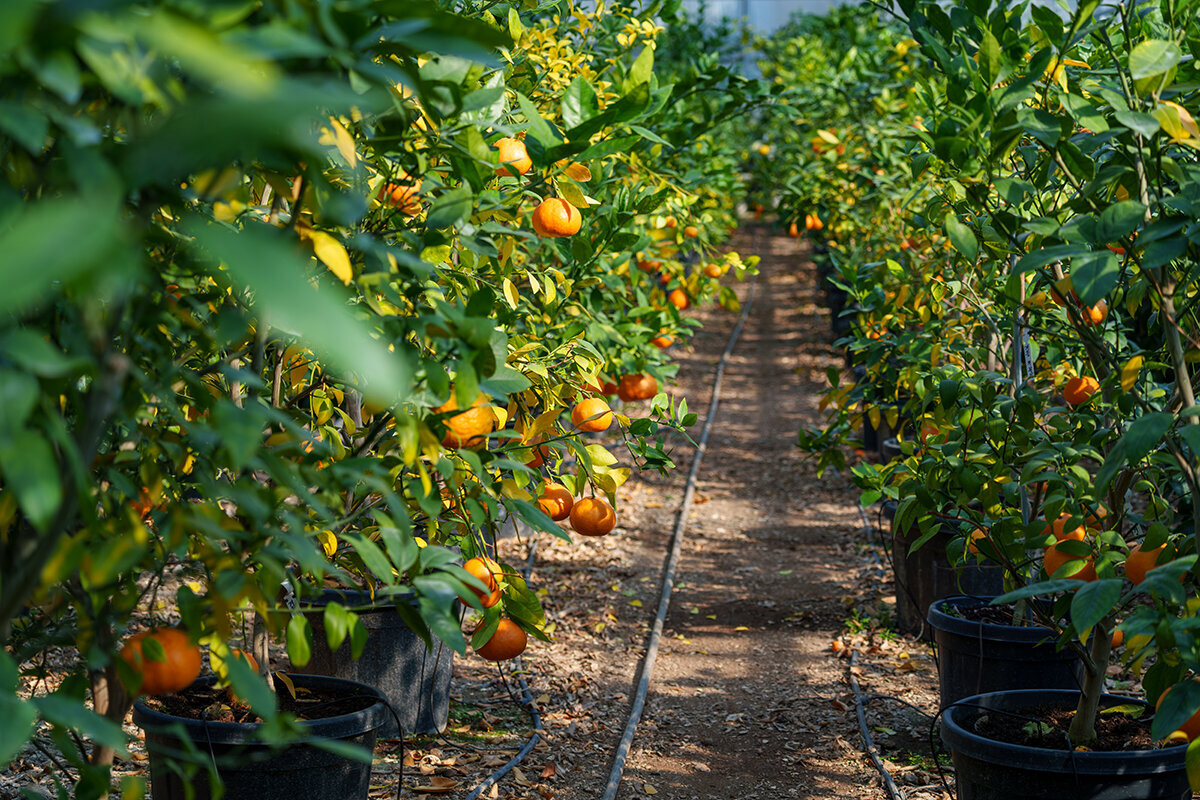
Classic-style aluminium greenhouseAustralia · Greenhouse Journal
Citrus under glass
Greenhouse Growing for Lemons and Citrus Trees
Under glazing, a potted lemon can live and crop for years, provided its light, root, moisture and cold-protection needs are managed together.
The key approach
Approach greenhouse citrus as a deliberately planned, portable orchard , not as a patio specimen moved inside as an afterthought.
Light powers everything Winter shelter helps, although glazing does not ensure strong light. Use the brightest available position and clean the panes regularly.
Roots set the pace In a pot, air, water and nutrients are limited. Match pot size, potting-mix structure and watering practice from the outset.
Seasonal movement matters In Australia, a greenhouse can act as an adaptable orangery: shelter during cool or wet weather, ample summer ventilation, and a bright, monitored, frost-free retreat wherever winter demands it.
01 / Make a lasting choice
Select a citrus tree that can remain container-grown
Build the collection selectively. A restrained, grafted specimen from a citrus nursery is usually a sounder long-term choice than a cheap seedling or a vigorous tree bred for orchards. Seed-grown plants may look attractive, but their traits vary and first flowering can be many years away. In grafted stock, the fruiting cultivar—the scion—is joined to rootstock that influences vigour, root development, suitability for pots and, in some cases, responses to growing stress.
Lemons
The classic orangery appeal of Citrus limon comes from fragrant blossom, useful fruit and, under sound care, several stages of development appearing together. Supply excellent light and protect lemons from frost and persistently chilly, saturated roots.
Limes
Container-grown limes offer perfume and graceful form, but cool conditions often trouble them more than lemons. Reserve the collection’s warmest position that remains reliably free of frost.
Kumquats
With their relatively restrained growth and small, peel-and-all fruit, kumquats suit bright quarters that stay cool in winter. Reliable cold protection is still necessary.
Calamondin and relatives
For a compact orangery, calamondin combines abundant flowers and ornamental appeal with tart, fragrant fruit suited to syrup or marmalade. Its neat habit also makes it a useful second citrus tree.
Ask questions before buying; do not rely on the label alone: Confirm the cultivar, rootstock, likely mature pot size and suggested winter care. Growth and cold tolerance differ among citrus types, so there is no single temperature rule. Clear labelling and sound plant health simplify every later decision.
02 / Read the trunk
Use the graft join to distinguish canopy growth
On grafted citrus, locate the swollen, angled or scarred section near the trunk base. Keep it visibly above the finished potting-mix surface. Burial may encourage the scion to form roots and makes monitoring harder, while constant moisture can damage the lower trunk.
Shoots below the graft are rootstock growth; cut them cleanly from their origin while tender and small. Above the union, shoots make the intended canopy and need selective shaping only. Because citrus leaves store energy, annual hedge-style pruning is unhelpful. Focus on dead, damaged, severely crossing and poorly angled upright branches.
Roots thrive with both moisture and oxygen-filled spaces; a wet pot bottom is unsuitable. Keep the greenhouse canopy balanced and open, with watering access beneath the trunk and airflow between leaves. If light favours one direction, rotate the pot a little every one to two weeks in active growth instead of shifting it dramatically at long intervals.
Scion Growth above the join
Grafted join Leave exposed
Rootstock sucker Cut off beneath
Roots Need air
03 / Building a healthy root zone
Choose drainage, aeration and safe mobility
Allow enough pot volume to moderate summer warmth and fast moisture loss, but increase only modestly beyond the current root ball. In an oversized vessel, unused potting mix surrounding a small tree can remain damp for too long. Slow colonisation then raises the risk of poor aeration, weak growth and damaged roots.
The best time to repot is usually just before vigorous spring growth, moving up by a single pot size. Many mature potted citrus trees can ultimately grow well in a 60–95 litre container ; smaller cultivars may need less and vigorous trees more. Prioritise generous unobstructed drainage, a wide stable footprint and a trolley or wheeled caddy rated to carry the pot after thorough watering.
Use premium container potting mix that retains its structure, not heavy soil dug from the garden. Organic ingredients can hold water and nutrients, while coarse mineral or structural material maintains aeration. A gravel layer at the bottom is not the objective; water should move consistently through the full root zone and out through clear holes.
How water moves through a pot
Container and root mass
Apply water gradually
Wet the full root mass
Retain aerated spaces
Leave outlets unobstructed
With an appropriately sized pot, surplus water exits without delay and the mix subsequently dries at a measured pace. Excessively large containers often remain wet, whereas a root-bound one may lose moisture rapidly. Soak evenly until slight drainage appears, then remove standing water from saucers or decorative outer pots.
04 / Let observations guide watering
Moisten the root area, then assess how the plant responds
Watering by calendar is rarely precise enough for citrus under glass. A bright January week, a cloudy July spell, a recent repot and a pot packed with roots create very different demand. Probe the mix several centimetres down, judge container weight, then treat foliage as supporting evidence rather than the only guide.
1. Check→
2. Water→
3. Drain→
4. Adjust
Check: Feel below the surface. Irrigate after the upper mix becomes slightly dry, before the centre of the root mass turns powdery.
Water: Pour slowly, preferably over two rounds, until slight drainage appears below; avoid giving only a shallow daily splash.
Drain: Tip out retained water from saucers and outer pots, then make sure every outlet is clear. Constant saturation harms citrus roots.
Adjust: Increase watering frequency in hot weather and vigorous growth, then ease back when cooler winter conditions slow light use, warmth and development.
Managing water and nutrients
Over time, alkaline or very hard water can raise potting-mix pH and restrict uptake of micronutrients, notably iron. Do not answer every pale leaf with extra feed. First consider moisture, roots, recent temperature or position changes, pests and the exact distribution of colour loss.
While growth is active, apply moderate, regular doses of citrus fertiliser that includes trace elements. Use the maker’s rate; frequent light applications usually outperform occasional heavy feeding. Feed little or not at all through cool periods with weak light. Where water produces marked lime or salt deposits, clean rainwater or a rainwater–tap-water blend may help. Leach the pot only when drainage is unrestricted.
Inspect foliage before adding feed
Overall yellowing
Veins remain green
Brown leaf margins
Bronzed marks
Stippling
Overall yellowing may be associated with older leaves, weak light, waterlogged roots, depleted mix or an overall nutrient shortfall.Green veins against pale tissue may suggest that trace elements are unavailable, sometimes because pH is high.Browned tips can be caused by dry roots, accumulated salts or over-fertilising.Water-soaked or bronze marks may reflect injury from low temperature, heat or intense sunlight.Speckles, webbing or sticky residue means pests should be checked carefully.
05 / The flower room
Blossom offers potential fruit, not a demand to overload the plant
Pollination
A second tree is unnecessary for fruit set in many self-fertile citrus cultivars. Insect visits and gentle air circulation can move pollen. If winter quarters are tightly enclosed, pass a soft brush carefully among open flowers during the morning. Avoid doing this automatically to every bloom; first see whether fruitlets form dependably without assistance.
Fruit set
Some immature fruit will drop as a normal process. Relocation, stressed roots, poor light, drought or waterlogging can increase the loss of blossom and fruitlets while the tree restores its balance.
Patience
Maintain steady moisture and nutrition during flowering and postpone severe pruning. When a young or weakened specimen holds an excessive crop of fruitlets, thin some so its canopy and roots can continue to strengthen.
Blossom, forming fruit and ripe citrus may all appear on one tree. This is part of growing citrus under cover, and a reminder that stability matters more than repeated intervention. Sudden heat, chilly draughts, extended dryness, saturated roots or sharp light changes can trigger leaf and fruit loss. Correct the conditions before reaching for fertiliser.
06 / The protected season
Ventilation in summer and warmth in winter belong in one strategy
Glazing magnifies the weather outside. Citrus may require roof vents, open doors, air circulation and temporary shade before the wider garden feels oppressively hot. Winter calls for a different response from the same structure: maximise light, prevent frost and match irrigation to the plant’s much slower activity.
Summer: release trapped heat
- Start ventilation early. Openable roof panels, automatic mechanisms and gentle circulation where needed stop hot, still air collecting around foliage.
- Provide temporary shade during fierce sunshine, particularly when a plant has recently left a dimmer sheltered position.
- Introduce citrus progressively to stronger glazing light or direct outdoor sun. A sudden jump in exposure can scorch leaves and prompt them to fall.
- Keep pots away from surfaces that become extremely hot, and assess moisture within the root mass more frequently during summer heat.
Design the orangery so shade, ventilation, watering and room to manoeuvre work as one system. One suitable basis is a classic-style aluminium greenhouse that offers practical height and openings within easy reach.
Winter: protected, bright and cool
Lemons and limes are highly frost-sensitive. Depending on cultivar and rootstock, kumquats and some other citrus may tolerate cooler conditions. In frost-prone Australian districts, unheated glazing cannot be treated as automatic protection for a lemon tree; clear nights may bring a sharp temperature drop. Record actual minima and prepare insulation, suitable supplementary warmth or relocation before cold weather arrives.
Winter protection plan
TemperatureKeep frost away
LightMaximum available light
WaterThoroughly, with longer gaps
AirBrief, careful ventilation
Plan around the least cold-tolerant tree rather than applying one temperature to every citrus. Clean panes and minimise avoidable shade. Because weak winter light limits how much moisture and feed can be used, lengthen the interval between waterings while soaking properly when needed. Brief airing in mild weather can lower humidity without exposing plants to persistent chilly draughts.
For site-specific winter citrus care, assess internal volume, usable height, airflow and technical equipment as a complete arrangement. A classic-style aluminium greenhouse offers a practical basis for an orangery shaped to local conditions. Allow broad access for heavy wheeled pots, keep roof vents reachable and consider suitable glazing or heating where necessary. Place vulnerable trees where temperatures, roots and pests can be checked easily, rather than arranging them solely for visual symmetry.
07 / Investigate first, respond second
Five citrus problems worth a calm inspection
Root-zone warning
Yellow leaves with persistently damp mix
Stop feeding temporarily. Examine the outlets, weight of the pot, any unusual smell and the roots themselves. Correct drainage and irrigation spacing before diagnosing a nutrient shortage.
Low-light warning
Long, soft shoots and few flowers
Begin by assessing available light. Choose a brighter position, wash the panes and avoid nitrogen-rich fertiliser that would encourage further weak, soft growth.
Pest warning
Sticky leaves or dark coating
Inspect young stems and both sides of leaves for aphids, mealybugs, scale insects or other pests. Where practical, separate the tree, remove pests physically and establish better airflow and more consistent inspections.
Salt warning
Dry leaf edges despite regular feeding
Soluble fertiliser residues may accumulate inside a pot. Leach them with appropriate water only where drainage is rapid and complete. Afterwards, during the growing period, use smaller applications at steadier intervals.
Temperature warning
Foliage drops after frost risk or extreme summer heat
Use a dependable maximum–minimum thermometer among the foliage. The temperature history often reveals stress that a single leaf cannot. Address shade, ventilation or cold protection before resorting to substantial feeding or pruning changes.
08 / Following the year under glass
A seasonal guide for Australia’s container citrus
Use these months as a seasonal pattern, not a substitute for observing your weather. Timing varies with region, elevation and the greenhouse itself. A sunny outdoor position may be ideal during warm weather; where conditions demand it, the greenhouse instead serves as transitional cover and a light-filled winter refuge.
June–July Guard against frost, admit as much light as possible, irrigate sparingly and inspect for spider mites, scale and mealybugs. Heavy feeding should not be used to force tender winter shoots.
August–September When fresh shoots start, resume fertilising in moderation. Repot or disturb roots only if the root mass is congested. Vent the roof early whenever days are sunny.
October–November Rising growth increases the need for inspection and water. Acclimatise trees gradually before giving them direct outdoor sunshine, and monitor blossom and newly developing fruit.
December–January Focus on shade, fresh airflow and stable moisture through the root mass. Maintain moderate nutrition while growth is vigorous, checking foliage and containers each day during very hot spells.
February–March In districts with frost, prepare sheltered quarters before nights become dangerously cold. Introduce lower light progressively and complete a pest inspection before moving each tree beneath the glazing.
April–May Put the cold-season plan into operation, wash the glazing, ease back on irrigation and record overnight minima both among the canopy and beside the roots.
Throughout the year Cut away rootstock suckers, rotate containers from time to time for balanced growth, wipe dusty foliage and judge harvest by the cultivar’s expected size, aroma, slight softness and flavour.
Whenever conditions change If foliage reacts, review what recently changed in moisture, site, humidity, feeding, temperature or light before adding another treatment.
To create a structure that accommodates this annual routine, consider the classic-style aluminium greenhouse and examine the available features of a classic-style aluminium greenhouse. An orangery for citrus requires unobstructed paths, space for pot trolleys, conveniently located water, dependable airflow and vertical clearance for an established crown. Base doorway and turning dimensions on the largest fully watered container rather than the small tree originally purchased.
Advice from the citrus bench
Common questions about citrus beneath glazing
Will an unheated greenhouse protect a lemon through winter?
It can do so only if temperatures remain safe for that particular tree. In frost-prone parts of Australia, unheated glazing does not guarantee protection for lemons or limes. Monitor both the canopy and root area, arranging extra protection, appropriate heat or another location before frost develops.
Is another tree required to pollinate greenhouse lemons?
Many citrus cultivars commonly kept in pots can fertilise themselves, so another specimen is usually not needed. Where an enclosure admits little air or insect activity, light air circulation or careful brushing may improve pollen movement.
What watering schedule suits greenhouse citrus?
No fixed schedule suits every plant. Base each watering on moisture within the mix, container weight, current season, available light and temperature. Roots should remain evenly moist and aerated, never continuously saturated at the surface.
What causes leaf loss after relocation?
Abrupt shifts in humidity, warmth or light often unsettle citrus. Move it into the new conditions over several days and keep moisture consistent. Avoid combining relocation with heavy feeding, hard pruning and repotting.
Is annual pruning necessary for citrus?
Use restrained, purposeful cuts. Take out dead material, rootstock suckers, badly crossing limbs and growth that compromises the planned framework, but do not subject the tree to severe yearly pruning.
How can you tell when greenhouse heat is excessive?
Look for wilting despite adequate moisture in the root mass, scorched areas on leaves or internal readings that remain much higher than outside. Vent doors and the roof before heat peaks, encourage airflow and install temporary midday shade.
References for deeper reading
Resources for practical citrus care
The specialist material below expands on pot culture, irrigation, plant nutrition and protection through winter. Use it to adjust broad guidance for local weather, water quality, rootstock and cultivar. A specialist nursery can also assist with valuable specimens or trees in poor health.
Explore more with Bloomcabin: Custom-sized aluminium greenhouse · Classic-style aluminium greenhouse · Aluminium greenhouse sizes, glazing and available options
- North Rhine-Westphalia Chamber of Agriculture: wintering container plantsAdvice from Germany on providing sensitive potted plants with bright, cool quarters that remain free of frost.
- North Rhine-Westphalia Chamber of Agriculture: container-plant bookletA German summary covering suitable positions, routine care and cold-season shelter for vulnerable plants grown in pots.
- Mississippi State University Extension: container-grown citrusInformation about drainage, container sizing, irrigation and nutrient management for citrus maintained in pots.
- Texas A&M AgriLife: citrus growing factsTechnical guidance addressing grafted trees, light, pot culture and effective methods for applying water.
- University of Florida IFAS: nursery production of citrusProfessional material about substrate choice, controlled irrigation and nutrition for protected citrus production.
- University of California IPM: cultural care of citrusAn overview linking irrigation, nutrition, pest monitoring and canopy management with lasting plant health.
Create space for your orangery
Provide the winter quarters your citrus merits.
Allow vertical growing room, clear glazing, reliable ventilation and an unobstructed path for wheeled pots in every season. More than simple shelter for a lemon, the resulting orangery can carry blossom, fragrance and fruit through Australia’s varied gardening year.
Classic-style aluminium greenhouseMore ideas for establishing a durable orangery are available with the classic-style aluminium greenhouse—a considered setting for treasured plants to remain and mature over time.
