
Growing Plants at Home: Pots, Soil and Raised Beds
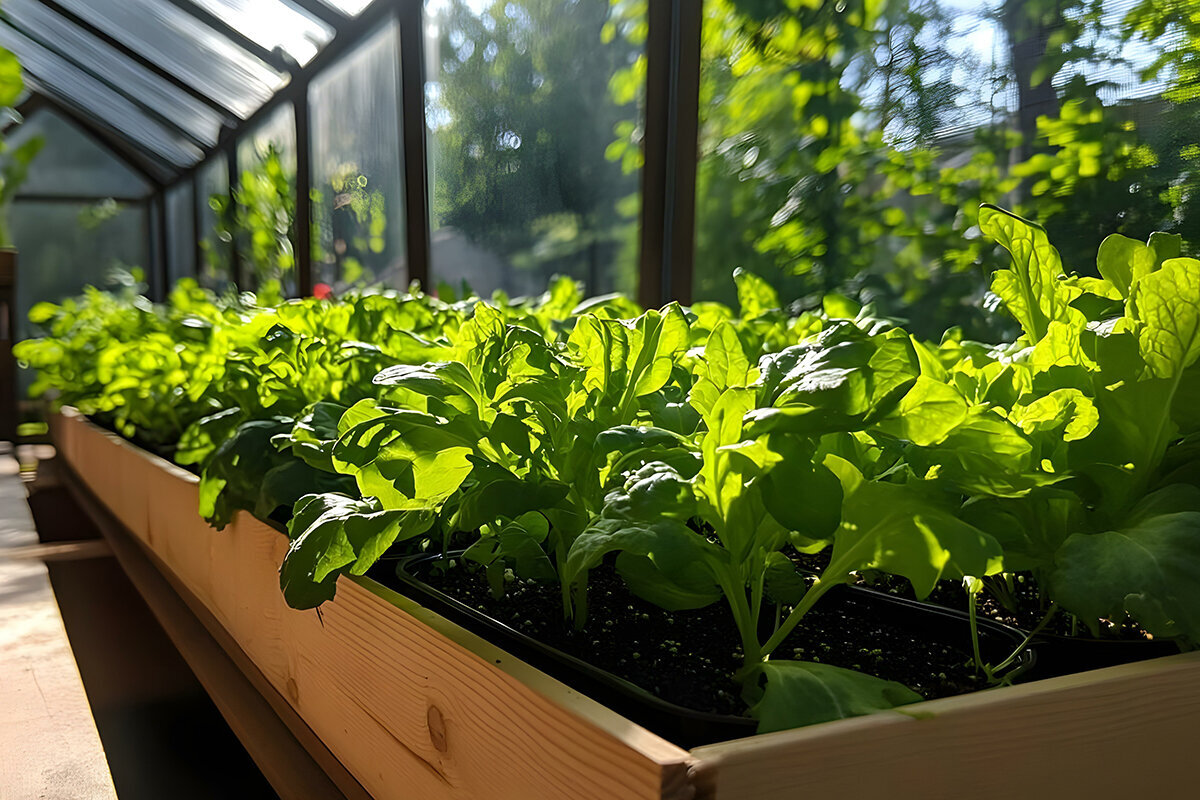
Whether you garden in a suburban backyard or city apartment, home gardening and urban gardening are helping more people grow plants sustainably. Even a compact urban space can support a surprisingly broad range of plants. At home, gardening usually takes one of three forms: pots or containers, planting straight into the ground, or raised beds. Each approach brings particular strengths and limitations, so consider your available space, routine and gardening goals before choosing.
The right equipment can make any of these growing methods work harder. A useful addition is a greenhouse, such as the Bloomcabin aluminium greenhouse. Designed for home gardeners, it supports plant growth across varied conditions. It shelters plants from the weather while creating a favourable garden microclimate. Here is how the main growing methods compare, along with practical points for success.
Container gardening: growing in pots
Advantages:
- Saves space: Well suited to balconies, patios and indoor areas where no conventional garden bed is available.
- Portable: Move pots to catch better sun or shelter plants when weather turns harsh.
- Soil quality: Quality potting mix can reduce exposure to soil-borne pests and diseases.
Disadvantages:
- Restricted root room: Limited container volume can affect plant development and yield.
- More upkeep: Pots dry out quickly, needing more regular watering and fertilising.
- Temperature changes: Containers react more readily to temperature extremes.
Growing directly in the ground
Advantages:
- Unlimited root space: Plants have room to establish deeper root systems.
- Natural soil life: Nutrient-rich soil contains microorganisms and earthworms that support growth.
- Cost-effective: No extra containers or raised-bed materials are needed.
Disadvantages:
- Space and soil: You need access to a garden area with good soil.
- Exposure to pests and weather: Outdoor plants are more vulnerable to pests, weeds and severe weather.
- Variable soil quality: Compost may be needed to improve the soil.
Growing plants in raised beds
Advantages:
- Reliable soil quality: Raised beds let you use nutrient-rich soil.
- Ergonomic: Higher beds make gardening easier and reduce strain on the back.
- Improved drainage: The raised structure helps prevent waterlogging.
Disadvantages:
- Greater initial effort: Building and filling raised beds takes materials and time.
- Faster drying: Raised beds dry faster than in-ground beds.
- Fixed position: Unlike pots, raised beds cannot be moved.
How a greenhouse improves plant growth
Whichever method you choose, a greenhouse can substantially improve plant growth. Greenhouse gardening creates a sheltered microclimate with more favourable growing conditions. In particular, the Bloomcabin aluminium greenhouse offers a durable, efficient option where year-round growing is suitable.
Benefits of a Bloomcabin greenhouse:
- Year-round use: Protects plants from frost and may extend the local season.
- More stable conditions: Managed temperature and humidity support plant growth.
- Fewer pests and diseases: Provides protection from insects and extreme weather.
Conclusion
Pots, in-ground plots and raised beds each bring benefits. Urban gardeners often choose containers or raised beds; those with garden space can plant in soil.
Once you understand the benefits and limitations of each approach, you can choose what suits your garden best. A greenhouse can optimise every growing method. The Bloomcabin aluminium greenhouse protects plants, lengthens the season and creates an excellent setting for healthy growth. Happy gardening!
