
Growing Spinach in a Greenhouse
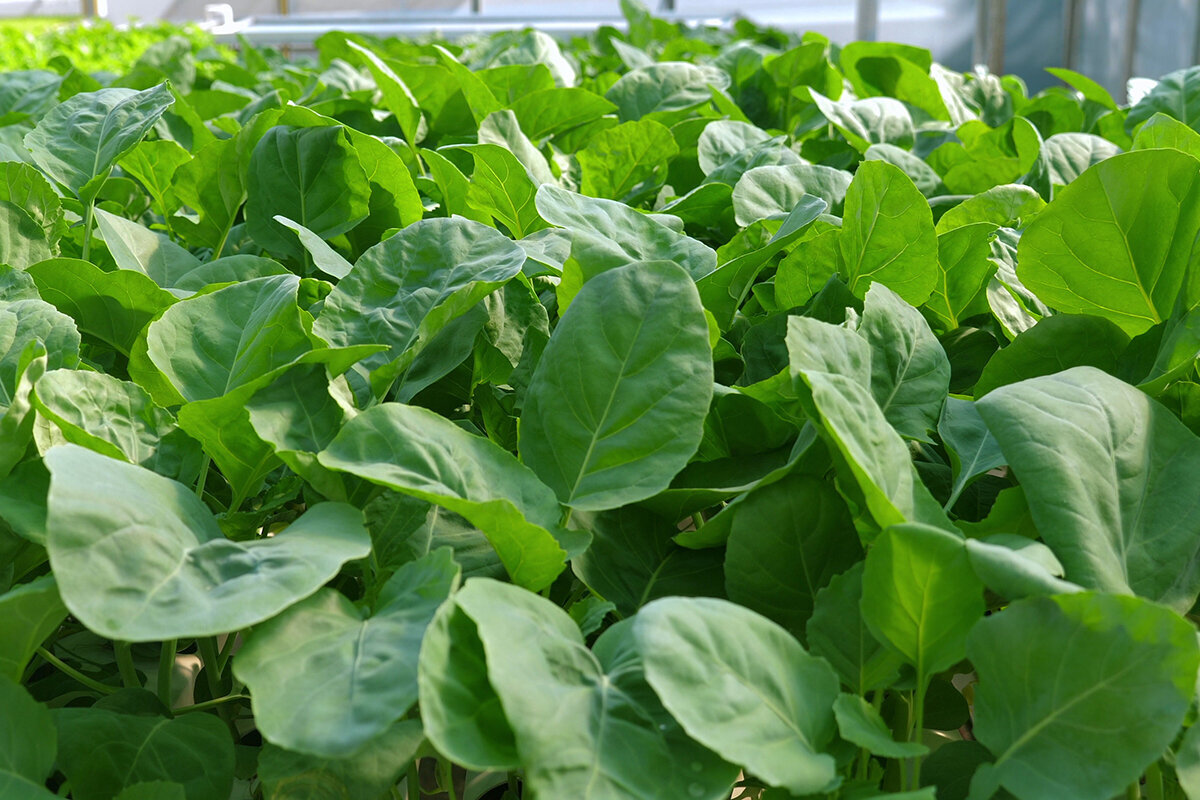
Bloomcabin Field Journal / Cool-season issue 05
Raising spinach under greenhouse cover
A restrained, fast crop for intervals between frost, the first tomatoes and fading autumn light—carefully sown, then picked one leaf at a time.
Crop category Leaf crop for cool weather
Preferred conditions Cool and well ventilated
Seed depth 2–3 cm
Picking pattern Young leaves through repeat harvests
Making use of the seasons between
Unlike tomatoes, capsicums and cucumbers, spinach has little need for pronounced warmth. What suits it is cool light in a sheltered setting: protection from cold rain, enough openness for humid air to escape and firm control of midday heat on clear days.
That combination makes spinach especially useful under cover in Australia. A late-winter sowing can furnish tender salad leaves while outdoor beds remain slow; autumn crops can promptly occupy space vacated by tomatoes, cucumbers or capsicums. In mild districts, established rosettes may remain productive for a long period and resume stronger growth as light increases. Treat the structure as a season-stretching cool house, not merely a hot summer enclosure.
Prepare a clean in-ground bed or a roomy container, sow modest quantities in place, then make further sowings whenever conditions suit. The well-aired Classic Aluminium Greenhouse provides an orderly home for this compact crop, with reachable beds, useful roof vents and control over unwanted heat rather than a constant effort to raise the temperature.
Issue one / choose by harvest window
Let the intended harvest guide your variety choice.
No variety is best for every greenhouse harvest. Smooth leaves work well for baby spinach because they are readily washed, dry promptly and tolerate comparatively close spacing. Semi-savoy forms add texture without holding as much moisture or soil in deep wrinkles. Heavily crinkled cultivars produce sturdy, appealing rosettes for leaf-by-leaf picking, although they need more space, airflow and attention during washing.
For crops sown from late winter through spring, favour varieties bred to retain their rosette form as daylight increases. Autumn and winter sowings call for types capable of steady growth as conditions cool. A stated resistance to downy mildew is also worthwhile. Resistance cannot compensate for wet foliage or inadequate ventilation, but it removes one significant vulnerability. Read the latest seed description carefully because baby spinach, mature leaves and rosettes intended to overwinter represent different growing objectives.
A useful supply rarely begins with an enormous planting. Better results come from having leaves reach cutting size when the kitchen can actually use them.
Obtain fresh seed from a reputable source, particularly for a crop following summer vegetables. Where the bed remains hot at summer's end, delay sowing until conditions moderate or give the soil temporary shade. Movable, lightweight shade can reduce the sharpest temperature peaks, but airflow is still essential. Direct sowing generally causes the least disturbance and remains the straightforward option for autumn, winter and late-winter crops.
Issue two / sowing density
One packet can support four harvest approaches.
Sow spinach about 2–3 cm below the surface. Close spacing favours tender young leaves; wider spacing produces stronger rosettes and makes individual outer-leaf picking practical.
A / Young leaves
Broad dense strip
Tightly spaced rows
B / Mature spinach
Rosettes
8–12 cm spacing
C / Drilled rows
Defined furrows
Rows 20–30 cm apart
D / Pots and boxes
Bench-height growing
Substrate 15–20 cm deep
Bands for baby leaves
Use either a wide strip or several tightly arranged rows. You want a low, clean stand rather than foliage packed into an impenetrable tangle. Harvest while leaves remain upright, tender and roughly the length of a hand. If you wait until the canopy stays wet long after irrigation, it is already too congested. A baby-spinach strip is most reliable when taken as one rapid harvest and promptly replanted.
Spaced rosettes
Once seedlings appear, thin them to about 8–12 cm apart along the row. Keeping them towards the closer end gives numerous small plants for regular picking; extra room supports broader rosettes, sturdier leaf stems and freer airflow. Eat the seedlings you remove as the first young-leaf harvest. Thinning therefore contributes food rather than wasting plants.
Rows with easy access
Leave around 20–30 cm between rows. In a small greenhouse, choose the wider spacing if it lets you water, weed and harvest without brushing wet foliage. Rows are not wasted growing area. They create narrow work and air corridors, improve visibility and make changes beneath leaves or in plant centres easier to spot early.
Containers on a growing bench
Choose pots or crates that provide at least 15–20 cm of growing medium and let surplus water drain without obstruction. The mix should store useful moisture without becoming saturated. Plant a strip for young leaves or arrange several small groups with space around them. Compared with a shallow tray, a larger container steadies moisture and nutrient supply, although waterlogging can still undermine the crop.
Remove surplus seedlings in stages after emergence and use them in the kitchen. Proper spacing also protects foliage: leaves that shed irrigation moisture promptly present poorer conditions for downy mildew and other problems favoured by dampness.
Issue three / almanac of cool light
Watch the whole day rather than the thermometer alone.
For spinach, shelter from harsh weather is the greenhouse advantage; constant warmth is not. Germination can occur in cool conditions, although very cold soil delays and disrupts establishment. Assess root-zone temperature, available light and clear-day heating together. Established plants stay compact in cool or moderate conditions, whereas warmth combined with long days brings flowering forward.
Day length and temperature reinforce one another. A sudden bright, warm spell in early spring may start elongation in a crop that is ready for harvest, even though nights remain chilly. Vent through the roof before the interior heats, position movable shade ahead of the hottest hours and pick well-developed leaves without delay. The Classic Aluminium Greenhouse can bring vents, bed layout, work surfaces and seasonal shade together in a practical plan for leafy vegetables.
Put a minimum–maximum thermometer among the leaves in a small greenhouse instead of judging conditions solely from the forecast. The interior may be chilly at breakfast yet become unexpectedly warm by early afternoon. What matters is the temperature around the foliage and root zone, especially when strong sunshine follows a cold night.
SeasonEnd of winterSpring beginsLater springAutumn
House conditionsShelterAir earlyAdd shade and airflowKeep soil moist
SowingYesSuccessive batchesOnly while coolPrimary period
Bolting riskLowIncreasingHighLow
HarvestGentle, slowFastCut youngOngoing
Issue four / exchange between root and leaf
Create root conditions that support strong rosettes.
Rapid growth makes spinach vulnerable to sharp swings between dryness and saturation. Loosen the soil deeply, ensure it drains, and maintain humus; add a modest amount of fully matured compost only where useful. For covered beds watered repeatedly, investigate structure and nutrient status before reaching for fertiliser. Years of irrigation without flushing rain may leave compaction, salts or an excessive nutrient reserve beneath glass.
SoilLoose and crumbly
CompostMature only
WaterApply at soil level
FertiliserAssess need beforehand
AirOpen vents early
Soil and compost
Clear away old roots and newly emerging weeds. Crumble coarse clods so seed can be placed consistently and seedlings appear at about the same time. There is no need to produce a perfectly smooth finish; intimate contact between moist soil and seed is more important. Well-finished compost can help a poor soil's structure, while fresh manure, partly decomposed matter and heavy advance feeding are unsuitable for such a short leafy crop.
Water without wet foliage
Moisten the full active rooting layer rather than merely wetting the surface. Wait until the top begins to dry a little before the next irrigation. Direct a watering can carefully or use irrigation close to ground level instead of repeatedly showering the entire rosette. Morning is the preferred time: foliage and the soil surface can lose moisture before the cool evening, and opened vents can carry humid air away.
Fertilise only after checking
Although spinach rapidly converts available nutrition into foliage, an over-enriched bed is unnecessary. Liquid feed will not solve insufficient light, overheating, root compaction or ineffective drainage. When old leaves fade, examine moisture, root-zone temperature and soil structure first. Draw on the remaining fertility of a well-kept bed wherever possible, adding modest nutrients only after both soil condition and plant development indicate a genuine shortage.
Air is part of watering
Open the house after irrigation and early during bright mornings. Circulating air limits condensation, shortens the time rosettes remain damp and makes thick foliage easier to manage. Humidity under cover may stay elevated after watering or a cold night even when the surrounding air feels dry. Venting should therefore complete each irrigation routine instead of being treated as an optional summer convenience.
Issue five / continuous, not crowded
Prefer several modest sowings to one crowded planting.
Empty greenhouse soil can be hard to resist filling immediately. A better approach is to sow several small lots at intervals. Leaves then reach their preferred stage at different times, foliage has more opportunity to dry, and an ageing or damaged batch can be removed before it compromises younger plants.
Batch 01Day 0Plant one stripMaintain steady moisture
Batch 02Day 10–14Plant another stripThin the earlier crop
Batch 03Day 20–28Continue while coolStart picking
First batch: establish
Start with a single row or one modest strip. Until seedlings appear, maintain consistent moisture around the seed without saturating the ground or allowing irrigation to crust the surface. Young leaves may reach picking stage reasonably soon under good light, but winter's dimmer periods slow them substantially. Leave the variety marker and planting date beside each row so later sowings do not make the sequence confusing.
Second batch: overlap
After roughly ten to fourteen days, plant another small strip. As true leaves form on the earlier batch, remove surplus seedlings and take them to the kitchen. Rather than producing one brief glut, the beds now progress in sequence: seedlings emerge in one area, another develops foliage, and the oldest approaches harvest while the work remains spread out.
Third batch: continue the rhythm
Between day 20 and 28, add another sowing only when conditions under cover remain cool enough for even emergence and sound leaves. Begin picking outer foliage from the oldest plants, while checking for wet pockets, aphids, slugs and unusual markings. Remove that first batch once its middle starts rising. The purpose of staggered sowing is well-timed produce, not packing in the maximum plant count.
Recognise when to pause
Once the greenhouse is noticeably warm and daylight is increasing quickly, an empty patch alone is not a reason to plant more spinach. Take the present crop while young, tidy the bed and ready it for vegetables that favour heat. Pausing intentionally over summer does more for quality than attempting to maintain spinach through conditions it dislikes.
Issue six / harvest deliberately
Three cutting choices, each producing a different result.
01
Young leaves
Cut 2–3 cm above soil level.
02
Exterior leaves
Protect the central crown.
03
Second cutting
Trim just above the growth point.
Baby leaves: quick and clean
Once upright, tender foliage reaches about 6–10 cm, take the dense stand roughly 2–3 cm above ground. The method quickly supplies a generous quantity, although it is normally managed as a one-off harvest. Choose a dry morning, move the undamaged leaves into a cool kitchen promptly, and plant another strip straight away if suitable weather is likely to continue.
Outer leaves: the ongoing method
Where rosettes have their own space, remove the largest leaves around the outside while preserving the central crown. New foliage continues from that growth point, making this approach useful for extending a household supply. Avoid stripping a plant completely. Retained leaf area and a sound centre promote steadier regrowth and make the first signs of stem extension easier to notice.
A second cut, with realistic expectations
Trim vigorous, healthy plants slightly above their growth point. Keep moisture stable around the roots afterwards, with adequate light and freely moving air. Regrowth may follow, but it is commonly slower and less abundant, particularly once daylight increases. Regard the extra leaves as a useful addition rather than keeping an old stand past the stage when its rosettes offer their best quality.
Choose a cool, dry morning after dew or irrigation has disappeared. A sharp knife or clean scissors will minimise crushed tissue. Green colour alone is no reason to retain plants that are bolting: an elevated centre and lengthening leaf stalks signal that the ideal picking period is ending. Take a final harvest, discard unhealthy matter and prepare the bed for its next use.
Issue seven / stages of bolting
Respond before the rosette begins to rise.
Flowering is not necessarily evidence of poor care; it is the normal reproductive transition for a cool-weather leafy crop. Under cover, that transition can arrive sooner when extended daylight, high internal heat and moisture stress occur together. Manage it through cultivation: use shorter successions, air the structure sooner, add gentle shade if necessary, keep root moisture stable and pick before obvious elongation begins.
1. Tight central crown
Prime time for picking.
2. Centre turning upright
Pick in the next few days.
3. Extending flower stem
Take the last cut, then clear.
Compact centre: Plants are in good condition. Continue removing selected outer leaves or harvest entire rosettes cleanly. This is also an appropriate moment to plant the next modest batch.Upright centre: The newest foliage stands higher and its stalks become longer. Begin airing the structure sooner, maintain reliable root moisture and plan to harvest over the coming days rather than waiting several weeks.Stem elongation: The change towards flowering is now evident, and foliage may develop a firmer texture and stronger flavour. Take one final cut, then remove the batch without delay.
Issue eight / leaf-health clinic
Identify the pattern before deciding what to do.
The position of a symptom often helps narrow down a spinach problem. Note whether it starts on old or new foliage, tracks the veins, develops within the leaf or accompanies continually damp undersides. Remove badly affected plants promptly, then correct airflow and cultivation practices before rushing to treat a minor blemish.
Older leaves
Pale or yellowish
Upper leaf surface
Pale angular areas
Within leaf tissue
Tunnels or spots
Around the margin
Chewed areas or holes
Older leaves: nutrients, roots or excess moisture
Uniform fading on older foliage may reflect restricted nutrient availability, cold-soil slowdown, excessive water or damaged roots. Before applying feed, assess compaction, drainage and irrigation. Where the heart remains vigorous and deterioration is confined to the oldest foliage, harvesting soon and correcting the growing environment may achieve more than a heavy addition of nutrients.
Angular yellow zones: possible downy mildew
Turn leaves over and look for grey or purple growth. Persistently humid air, extended surface wetness and crowding all favour downy mildew. Take out affected foliage or remove badly diseased plants, improve morning airflow and direct irrigation away from the rosettes. For later batches, use resistant varieties where available and carry infected crop remnants out of the greenhouse.
Tunnels and spots in leaves
Tunnels or translucent patches within leaf tissue suggest leaf-mining larvae. Cut off affected leaves early and dispose of them away from the crop. Remove weeds and crop residues that can shelter pests. Where this damage recurs, fine insect mesh during early growth may help. Check regularly so isolated affected areas do not remain hidden in dense foliage.
Irregular edges: inspect at dusk
Examine fresh rows at dusk for slugs. Keep the soil, bench and bed margins orderly, removing hiding places that remain damp for long periods. It is important to separate disease from chewing: holes are not leaf spots, and measures against slugs cannot resolve fungal discolouration. Review the crown, ground, and both sides of each leaf independently before selecting a response.
Issue nine / adapting for Australia
Your sowing dates follow local light and conditions under cover.
Coastal and mild districts
Across mild coastal districts, an autumn planting may remain for a considerable period in an unheated structure. Sow soon enough for robust rosettes to form ahead of winter's lowest light. Growth can almost pause in winter before strengthening with returning daylight. Continue to air the house because a mild day outside does not ensure a dry interior. When strong winds are forecast, secure the doors, vents and any frost cloth fitted inside.
Temperate inland sites and compact city gardens
In temperate inland or urban gardens, plan around two useful periods: late winter into spring, then late summer through autumn. Sunshine in late winter and early spring can heat a small structure unexpectedly fast. Begin ventilation in the morning and plant a modest amount every ten to fourteen days. A thermometer placed among the foliage gives better guidance than the warmth felt while stepping through the door.
Cool uplands and sunny northern districts
For frost-prone uplands, cover very early sowings with frost cloth and do not force them in persistently cold soil. In warmer, sunny northern areas, concentrate more on autumn, winter and the earliest part of spring. As spring advances, prompt ventilation and movable shade matter increasingly. Once summer heat is established, pausing production is usually best for both leaf quality and maintenance.
When selecting a structure to lengthen these cool growing periods, the Classic Aluminium Greenhouse offers a versatile foundation. Allocate an accessible bed to fast leafy vegetables, retain clear routes for planting and picking, and organise roof vents and shade before stronger spring and summer sunshine arrives.
Reader questions / spinach under cover
Key questions before your next sowing.
Will spinach grow without greenhouse heating?
Yes. Cool conditions suit spinach, making autumn, early spring and—in appropriate climates and weather—winter production under shelter possible. Limited light and low temperatures will slow or temporarily halt growth. Plant early enough in autumn for sturdy rosettes to establish before winter's dimmest period. Frost cloth over the foliage may assist in frost-prone districts, while containers should be protected from freezing solid.
What greenhouse temperature suits spinach?
Spinach prefers cool or moderate conditions rather than tropical heat. Focus on workable soil with stable moisture and ample light, while preventing severe temperature build-up. Air the greenhouse promptly on sunny spring mornings. Bolting becomes more likely when heat accompanies increasing day length. At the height of summer, taking a break is generally more sensible than using intensive cooling to obtain mediocre foliage.
How often does greenhouse spinach need watering?
Base irrigation on what the soil needs, not on a fixed weekly timetable. Moisture should remain consistent through the rooting layer without saturation or complete drying. Even when outdoor air is cool, a clear day may suddenly lift water demand inside. Irrigate deeply and precisely near the soil during the morning, then provide airflow so plants and surfaces are dry by evening.
Can spinach be harvested repeatedly?
Yes. On well-spaced plants, remove the largest foliage from around the outside and protect the growth point in the middle. A measured cut immediately above that point may also produce another flush. Subsequent yields are generally smaller and become less certain as daylight increases. Closely sown baby spinach is better managed as one fast cut, followed straight away by a fresh modest sowing.
Why does spinach germinate poorly in late summer?
Excess heat remaining in the soil is a common reason. After clearing tomatoes or cucumbers, allow the weather to cool and ventilate thoroughly. Temporary, lightweight shade can keep the seed zone from reheating strongly through the day. Use fresh seed, press the furrow gently to establish soil contact and maintain even moisture without saturation. Direct placement in the bed remains the easiest approach when conditions are favourable.
What helps prevent greenhouse downy mildew?
Where seed descriptions offer the choice, select a resistant variety. Avoid crowding and maintain clean tools and growing surfaces. Apply morning water at ground level so foliage stays dry or dries quickly, then provide airflow after irrigation and during cool, humid spells. If yellow areas develop grey-purple colouring or growth appears underneath, promptly remove affected foliage or take badly infected plants out of the structure.
Sources and further reading
Use dependable technical references when making plans at the bed.
More from Bloomcabin: automatic vent openers · shade for greenhouses · greenhouse inspiration for Australian gardens
- Stuttgart-Hohenheim State Horticultural Institute — Spinach
- Hortipendium — spinach crop-protection overview
- German Federal Plant Variety Office — spinach vegetable guideline
- Bavarian Garden Academy — planning an autumn vegetable plot
- North Rhine-Westphalia Chamber of Agriculture — biological control of aphids
- Hortigate — winter spinach production trial
- Stuttgart-Hohenheim — Spinach research information
Local growing conditions, variety availability and pest pressure differ. Seek current advice from the relevant state or territory plant-health service when symptoms are unclear. Before using a chemical control, check the current APVMA registration or permit, the destination jurisdiction's use rules and the product label.
● ● ●
Winter / spring / autumn
Put the greenhouse to work before summer.
Warm-season vegetables are not the only reason to keep a greenhouse. It can supply fresh foliage while outdoor beds are yet to begin or have already slowed. Spinach asks for clean soil, stable moisture, enough room, effective airflow and a sequence of modest sowings. With those elements organised, picking becomes a calm and valuable part of the gardening calendar.
Explore the adaptable, traditionally proportioned Classic Aluminium Greenhouse to establish an orderly growing area with beds that are easy to reach, useful roof ventilation and practical work surfaces for productive gardening through changing seasons.
Classic Aluminium Greenhouse