
Growing Watermelons Successfully in a Greenhouse
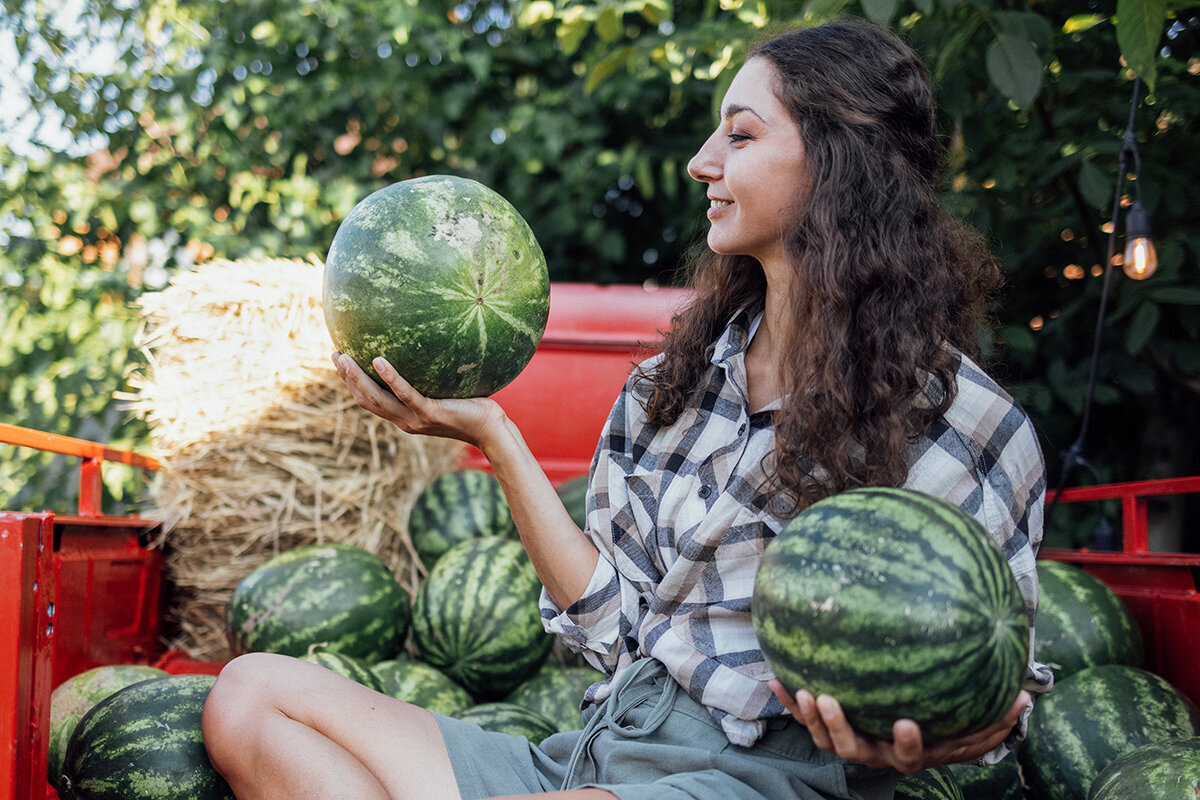
Protected growing · Australia · a weighty summer crop
Cultivating watermelons successfully under glass
Room. Warmth. Load capacity. Growing a watermelon beneath glass involves much more than giving a vine extra warmth. Expect far-reaching stems, substantial fruit and sensitivity to uneven moisture. Decide where everything will go before the crop fills the structure.
1 A single vigorous vine in a compact greenhouse zone
Available room should shape the first decision; variety comes later.
Success under cover depends on coordinating the bed, accessible fruit, unblocked doors, secure footing and sufficient ventilation to let wet leaves dry.
In a compact backyard greenhouse, one vine with a clear route can outperform several tangled plants. Protect a practical walkway first, then map where each stem will run. Decide whether melons will remain on the bed or rest in a separately supported sling. For helpful layout principles, consult the Classic aluminium greenhouse Include the usable bed width, aisle, doors, vents and everyday working clearance rather than considering only the structure’s exterior size.
A warmth-seeking crop may occupy the structure from late spring until summer is nearly over. In a Classic aluminium greenhouse the arrangement can provide long planting beds, an uninterrupted middle aisle, useful high-level ventilation and clear working space around each swelling melon.
The purpose of a greenhouse varies greatly across Australia. Cooler districts, elevated gardens and places with a brief warm season may benefit from warmer root conditions and extra time for ripening. In a sheltered city garden, tropical region or summer heatwave, the priority may instead be releasing excess heat while keeping leaves dry. Think of the house as an adjustable growing environment rather than automatic protection from every extreme. Monitor the soil and overnight conditions, begin ventilating before heat accumulates, and preserve enough working room to adapt the setup to local weather.
01 / Roots need a dependable beginning
Raise briefly. Plant thoughtfully.
01
Sow singly in warmth
Watermelon seed responds to suitable warmth, not hurried sowing. Depending on the district, late winter or spring may suit an unheated Australian greenhouse. Sow seeds separately in roomy pots filled with loose, clean propagation mix that drains freely. Keep them warm and brightly lit. Maintain gentle, uniform moisture during germination, but ensure surplus water leaves the pot without delay.
02
Keep seedlings compact and sturdy
After emergence, seedlings need intense light, restrained watering and separation so their foliage remains uncrowded. Their roots dislike disruption, while allowing long stems to form in a pot brings no advantage. Aim for a firm, compact transplant rather than a dramatic indoor vine already weakened before planting.
03
Let bed conditions decide the planting time
Do not transplant until the protected soil feels properly warm and local frost danger has passed. Suitable dates differ markedly across Australia, so assess overnight temperatures, the site microclimate and how well the structure stores heat. Acclimatise plants progressively during daylight hours. Chilled soil, draughts and sudden temperature swings cause more delay than planting ahead of suitable conditions can recover.
02 / Keep vines low or train them upwards?
Settle how weight will be carried before fastening any shoot.
Although its stems can be directed, a watermelon must not be handled as though it were a light ornamental climber. Consider mature melon size, available bed space, safe access and verified structural capacity. Attractive foliage near the roof never justifies placing substantial fruit over people’s heads.
A / Training along the ground
For larger fruit and uncomplicated support
Run the vine over a mulched, sun-warmed bed or beside a clean border. Place each developing melon on a dry brick, board or ventilated support suited to the task. The rind then avoids damp soil while the fruit’s entire weight remains securely at ground level.
- This is the sounder option for big-fruited cultivars, unknown structural strength or a first attempt under cover.
- Allow a generous stem route along the bed and guide vines in broad curves rather than tight direction changes.
- Arrange the crop so every melon can be reached without crossing stems for irrigation or ventilation.
B / Training upwards
For smaller cultivars with independent load support
Lead one vigorous main stem upwards, loosely tied to plant twine or a separate trellis. Give each enlarging fruit a wide sling early. This saves floor space and improves visibility, but works only when the structure can safely take the load independently of the plant.
- Select early cultivars that produce compact vines and relatively small melons.
- Choose a stable frame rated for the anticipated weight. Glazing, gutters, opening vents and light sections are not substitute hanging points.
- Leave space between leaves and glazing so foliage neither overheats nor traps damp air.
Layout for one growing zone
BED FOR ROOTS
UNOBSTRUCTED WALKWAY
PLANNED VINE LINE
REACHABLE MELONS
Sprawling vines must not stop the structure functioning properly. Routine care is simpler when the walkway remains open, doors and vents still operate, and melons are reachable without brushing through foliage. Allocate a deep bed, an unobstructed passage and convenient fruit positions. Further planning context appears in the Classic aluminium greenhouse Its discussion adds useful considerations for shelter, air exchange and arranging an interior that remains easy to control.
Take measurements from the usable bed edge, not merely from the outer wall. A stem can be redirected gently later, whereas an obstructed doorway, inaccessible emitter or hidden melon may complicate care for weeks. Scale the planting back before transplanting if there is nowhere secure to stand while checking fruit, pollinating flowers or reaching a vent handle. Fewer stems do not necessarily reduce the crop; they can leave each retained melon better supplied and more likely to mature properly.
03 / The fruit-sling workshop
Plan every part that will carry the melon’s weight.
As a watermelon enlarges, it may pull a stem apart or bend a makeshift hanger. The sling therefore has a structural purpose. By cradling a broad area, it avoids concentrated pressure and directs the load towards two dependable attachment points on a frame capable of carrying it.
Make the hammock from material that is wide, clean, soft and preferably quick to dry. Suitable choices include strong netting, gentle fabric or a purpose-designed melon support. Fine cord, wire, cable ties and constricting knots can damage the rind and should not touch it. Fit the support while the melon is still small, allow expansion space, and inspect both its position and attachments at least weekly.
For vertical crops, assess the greenhouse frame’s capacity separately from the fruit support. Never assume an attractive roof brace is suitable for hanging loads. If uncertain, keep fruit low on a clean support or carry it on independent stable internal posts and crossbars.
How the sling transfers weight
MELON
BROAD SUPPORT
RATED FRAME
Important safety point: A sling must not be fixed to an opening vent, glazing retainer, gutter or any component not designed for extra weight. Inspect every knot, clip, fixing and loaded section again after a growth surge, strong wind or maintenance around the windows.
04 / Pollination requires action, not wishful thinking
Identify flowers. Move fresh pollen. Select fruit deliberately.
Enclosure changes how pollen reaches the flowers. Insects may arrive when doors stand well open, but dependable fruit set should not rely entirely on those visits. A watermelon bears male and female blooms separately. The female has a tiny swollen melon behind its petals, while the pollen-producing male sits on a narrow stalk.
Early day01 NEWLY OPEN BLOOM
Recognise02 MALE BLOOM
Collect03 POLLEN READY
Verify04 FRUITLET GROWS
Inspect blossoms early in the day, choosing flowers that have just opened while the female bloom is receptive and pollen is fresh. Lift pollen from the centre of a male bloom with a clean, soft, small brush, then lightly coat the stigma of a female bloom open at the same time. You can instead apply a male flower directly and carefully. A fruitlet that expands evenly over the next few days indicates a successful transfer. Remove any that yellow, stop developing or become markedly misshapen.
Special point for seedless cultivars: A seedless watermelon still depends on pollination to set fruit. It needs a compatible seeded cultivar to supply suitable pollen. Check the seed company’s planting directions and include the nominated pollen donor rather than growing the seedless cultivar by itself.
Choosing how many fruit to retain: When the young melons begin expanding, retain the strongest, most accessible ones rather than asking the vine to mature every set. A fixed number cannot suit all cultivars or sites. Capacity changes with root volume, light, temperature, leaf area, melon weight and the duration of warm weather. In a compact greenhouse, limiting the load commonly gives the selected fruit a better prospect of ripening with good flavour. Cut away weak, injured, malformed or poorly positioned fruitlets early and cleanly.
05 / Controlled water, not constant worry
Match watering to weather and crop stage.
Leaf and fruit growth require generous water, but repeated swings from dry stress to saturated roots affect quality. Drip irrigation applies water where it belongs—in the soil, not on foliage—while keeping pathways drier and allowing measured changes to the supply.
Assess moisture below the mulch and a few centimetres down rather than relying on the appearance of the surface. Sandy or light soil may require modest applications more often. With heavier soil, irrigate slowly and allow oxygen back around the roots. Base adjustments on actual heat, drainage and plant development instead of an inflexible daily schedule.
Because rainfall cannot reach a covered bed, observation is an essential part of irrigation. Test emitters near both ends of every run, especially after cleaning the filter or changing timer settings. Uneven output may look like a puzzling plant disorder when one side is simply receiving less moisture. Record run-time changes alongside notable hot spells, cool nights and visible melon enlargement. Such notes guide the next adjustment more reliably than watering by instinct. No single litre recommendation is meaningful because soil, weather and developmental stage alter demand.
Irrigation through the growing cycle
Newly planted
Consistent
In bloom
Uninterrupted
Melons enlarging
Peak demand
Finishing
Controlled
Avoid a repeated dry–drenched cycle. Moisture shortage during bloom can reduce fruit set and contribute to irregular development. Conversely, drenching dry roots as ripening proceeds raises the likelihood of cracking and poorer quality. Taper irrigation near maturity only in small steps. Deliberately letting the plant collapse from thirst will not make the melons sweeter.
06 / Manage sun and weather
Begin ventilation early. Add considered shade. Minimise wet foliage.
Warm conditions suit watermelon, but temperatures inside a sealed glasshouse can quickly move beyond a productive range. During clear weather, ventilate through the roof and doors before trapped heat causes wilting. Where sharp temperature peaks recur, shading mounted externally or clear of the glazing, effective through-flow and morning inspections are more useful than reacting after the crop is already stressed.
Humidity is the less obvious part of greenhouse management. Crowded growth, wet floors, overhead watering and evening closure can encourage foliar disease. Direct irrigation into the bed, cut off badly damaged leaves using clean equipment, keep melons away from wet surfaces and release moisture-laden air whenever outdoor conditions permit. Configuration ideas are available in the Classic aluminium greenhouse which considers how doors, vents and windows contribute to greenhouse conditions that remain easier to regulate.
Do not shut the greenhouse through a heatwave simply because the crop prefers warmth. Removing trapped, motionless hot air takes priority at that point. By contrast, an abrupt cool night or extended wet spell may justify closing earlier, followed by measured airing the next morning. Australian regions experience very different summer patterns, so an absolutely constant temperature is not the objective. Maintain sufficiently steady conditions around roots and leaves for development, pollen transfer and maturation to continue without severe swings. Conserve useful evening warmth, but never imprison damp air for days.
Field manual / diagnose before acting
Foliage droops at midday but revives by evening Start by assessing the root-zone moisture and air temperature. In hot, dry conditions, transpiration may briefly exceed uptake; that does not automatically call for heavy watering or extra fertiliser.
Blooms fall or young melons stop growing Investigate poor pollen transfer, moisture stress, inadequate light, extreme heat and excessive nitrogen. Try assisted pollination early in the day, then track the environment for several days.
Leaves develop pale, flour-like marks Powdery mildew is the likely cause. Increase airflow, remove badly infected tissue and keep foliage dry. Before using any crop-protection product, confirm its current Australian label or permit covers watermelon and the intended use, then follow the label and relevant state or territory controls.
Sticky new growth, aphids or spider mites Regularly examine the lower leaf surfaces, flowers and growing tips. Deal with a small early population physically where practical, remove severely damaged material and reduce persistent leaf wetness. Obtain local advice when further control is required.
A melon cracks or forms water-soaked patches Review nitrogen inputs and whether irrigation has remained even. Abrupt changes in growth near maturity are a more probable explanation than general lack of plant vigour.
07 / Read the crop’s maturity signals
Use several signs. Treat single tricks critically.
Sweetness does not increase once a watermelon has been picked. Note the date whenever you hand-pollinate and learn the cultivar’s expected time to maturity. Actual progress shifts with warmth, sunshine, plant health and variety. Increase the frequency of checks as the likely picking period draws near.
Helpful indicator
Tendril by the stem
Use comparison
Surface appearance
Only for bed-grown melons
Contact patch
Not sufficient alone
Tap note
Tendril beside the stalk: As maturity approaches, the tendril closest to the melon’s stalk commonly dries and turns brown. This can be informative, although stress may cause the same change too soon. Always combine it with other observations.
Rind appearance: Many ripe cultivars become less glossy, with a noticeably duller surface. Judge the change against less-developed melons still growing on that vine rather than relying on a remembered appearance.
Contact patch: The underside of a bed-grown melon often shifts from pale or whitish towards a creamy or yellow tone. Fruit held above the bed does not develop a useful contact patch, so this clue is irrelevant to vertically supported melons.
Tap note: A low, muted response may accompany maturity, although interpretation is subjective and unreliable by itself. Combine tapping with elapsed growing time, rind appearance, the nearby tendril and how the melon feels.
Careful picking: Use clean secateurs to sever the stalk rather than twisting the melon free. Support it underneath with both hands while lifting and carrying because bruises shorten storage life. Move picked fruit out of direct sunlight. Once cut, watermelon must be refrigerated immediately and eaten promptly. Store intact melons apart from apples, bananas and tomatoes, which release substantial ethylene.
Planning reference
Questions about watermelons under cover
What types of watermelon work well under cover?+
Match the cultivar to the planned training system. Compact plants producing smaller, earlier melons are especially workable on upright supports and in districts where warm weather is brief. Full-sized or particularly heavy fruit is more securely grown at bed level. Consider expected weight and maturity time together with the genuinely usable area.
How many vines should a small greenhouse contain?+
Bed length, rooting volume, access and the selected training system all affect the answer. Restraint is generally preferable. One carefully directed vine may be appropriate in a compact house. Do not surrender the aisle, doorway or ventilation space simply to squeeze in another plant.
Is assisted pollination necessary under cover?+
At minimum, monitor whether pollination is occurring. Hand work may be unnecessary when insects visit consistently through open windows and doors. If visits are limited, collect fresh pollen from a male bloom early in the day and apply it to a female bloom that has just opened. A seedless cultivar also requires an appropriate pollinator variety.
May melons be suspended from the greenhouse roof?+
Only use an independent assembly verified for the anticipated melon weight. Opening vents, glazing retainers, gutters and light frame members are unsuitable suspension points. Twine may steer a vine but cannot safely carry the fruit. If load capacity is uncertain, rest the melon on a dry support at bed level.
What causes watermelons to lack sweetness?+
Good flavour needs adequate warmth and sunshine, healthy foliage, consistent moisture and picking at maturity. Chilled roots, disease, deep shade, drought followed by heavy watering, or harvesting too soon can all diminish quality. Judge readiness from several indicators rather than one.
Do greenhouse watermelon vines require pruning?+
Keep cutting to a minimum. Take out diseased, damaged or seriously misplaced shoots, then direct the remaining growth along its assigned course. Routine heavy defoliation removes the leaf area producing sugars for the melons. Thoughtful fruit selection is generally more useful than severe pruning.
References and additional resources
Research supporting the crop plan
The resources below support the discussion of temperature, protected production, cultivar selection, pollen transfer, irrigation and maturity. Even so, decisions must reflect observations inside your own greenhouse because the soil, variety, microclimate and unfolding weather are specific to each crop.
- Bavarian LWG – hydroponic production of watermelons
- LWG Veitshöchheim – 2024 protected-cropping trial of soilless melons
- Hortipendium – watermelon production for commercial growers
- University of Minnesota Extension – home-garden melon cultivation
- University of Minnesota Extension – melon harvesting and post-harvest storage
- University of Minnesota Extension – food-crop pollination needs
Prepare now for a stronger melon season
Set up the growing space before expanding vines occupy it.
Allocate a genuine planting bed, unobstructed access, effective air exchange and support that safely accommodates each melon’s weight. Beyond using space efficiently, this creates an orderly greenhouse in which local summer conditions are easier to manage.
Classic aluminium greenhouseDuring configuration, assess real bed space, useful headroom, accessible doors and effective high-level ventilation. Later additions for irrigation, shading and secure plant support should remain possible without makeshift access arrangements or unverified structural loading.
