
Hot Tub Electrical Requirements: What to Arrange Before Delivery
Electrical planning
Electrical planning is easiest before you commit to a hot tub, while the product choice and proposed connection can still be discussed together. What electrical work is needed, if any, depends on the exact model and its supplier instructions, the existing supply at your property, and an assessment by a qualified local electrician. A product name or photograph cannot settle those points. Before delivery is booked, obtain model-specific information, ask an electrician to assess your site, and agree the work, responsibilities and timing in writing. This guide stays with electrical preparation; it does not give wiring instructions or assume that one arrangement suits every Australian home.
Get the electrical requirements for the exact model
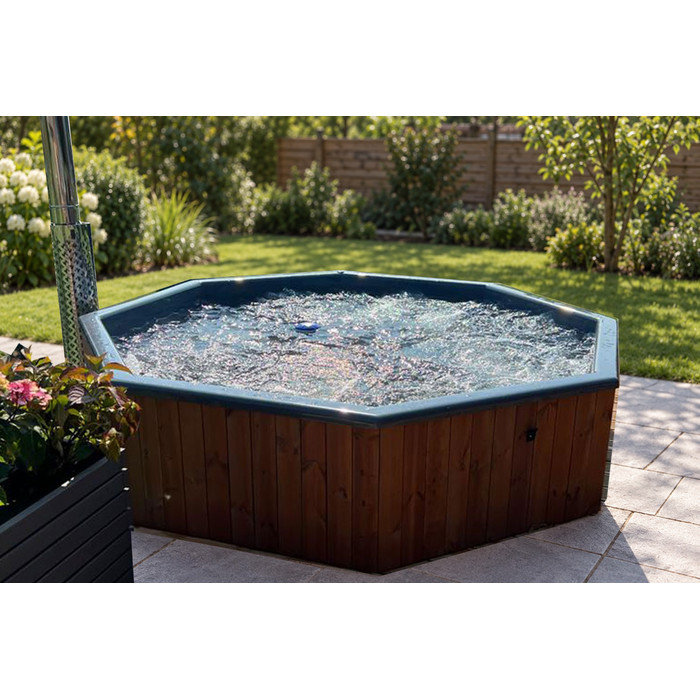
Ask the supplier or manufacturer for electrical information tied to the exact model and configuration you are considering, rather than a general page for something similar. Request the current instruction or specification document and written answers about the supply characteristics, rated input, connection method, equipment included with the product, and any conditions the installer must observe. Ask them to state whether the model includes electrical equipment or needs a site electrical connection at all. These are details to obtain, not specifications to guess from a product name, photograph or model number. If Bloomcabin hot tub Cove 2 is on your shortlist, identify that exact product in the request and ask whether the document applies to the version being offered in Australia.
Ask whether options or variants change the electrical information, whether the supplier has installation instructions for the electrician, and which questions only the manufacturer can answer. Request a product identifier and the document date or revision so everyone is working from the same version. Ask what the supplier provides and what is outside its service; don’t assume product supply includes site wiring or connection work. Send the documents to the electrician before the assessment, and get unclear points confirmed in writing. If the supplier cannot yet confirm a detail, record it as outstanding rather than letting a provisional assumption become the basis of your quote or order. Product-side instructions still cannot establish your property’s suitability.
Arrange a site assessment with a qualified electrician
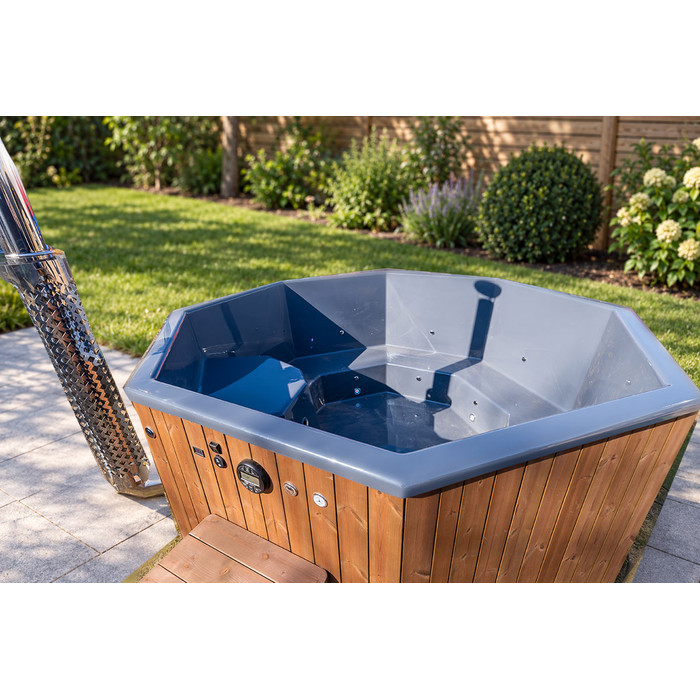
Book the assessment early enough to influence the model choice, not after a delivery date has been fixed. Choose a local electrician with the qualifications relevant to the proposed work, and ask them to confirm what licensing requirements apply in your state or territory. Send the supplier’s written information, the exact product identifier and the proposed hot tub location, and share what you know about the property’s electrical supply. If Bloomcabin Hot Tub Haven 6 is among your options, obtain its own product information too; an assessment based on another model may not answer the right questions. Ask whether a site visit is needed, what it will cover and whether there is a separate assessment fee.
Before the appointment, ask what information the electrician needs; provide records or photos if requested, but don’t open or alter electrical equipment yourself. Discuss whether the present installation can meet the written product requirements, what work might be needed and which points cannot yet be confirmed. Ask for a written recommendation that names the product assessed and notes its assumptions, including any later manufacturer answer required before a final quote. A phone call can identify likely issues, but it should not be treated as site-specific confirmation if the relevant supply, proposed location or route has not been assessed. If the electrician recommends further checks, ask who will arrange them and when.
Assess the property’s existing electrical supply
Have the electrician assess the supply as it is, rather than judging it by the age of the home, the apparent size of the switchboard or whether a spare space is visible. The assessment should consider the property’s actual electrical installation, the requirements given by the supplier and other loads that may operate at the same time. Ask whether the existing supply is suitable and whether changes would be needed. The answer cannot be taken from a model name: Bloomcabin Hot Tub Fjord 8 is a product identity, not a statement of electrical demand.
Discuss possible arrangements without assuming there is one rule for every hot tub. Ask whether a new or separate circuit may be needed, whether an existing one could be suitable, and what the electrician would have to verify before deciding. These are questions for an assessment, not assumptions that every model requires the same setup. If the electrician identifies an upgrade or other work, ask for a clear description of the proposed work and whether any further checks, testing or records may apply. A labelled spare breaker, nearby outlet or history of trouble-free use does not by itself establish that the supply is suitable.
Agree the connection location and cable route
Discuss the intended connection point with the electrician, using the supplier’s instructions, before the cable route is finalised. If you are considering Bloomcabin hot tub Aurora 10, obtain its connection details for this discussion. Mark the proposed point on a simple plan or photo, then ask whether it suits the product’s connection requirements and the way the area will be used. Talk through the proposed route from the electrical supply to that point, including its length, complexity and any concealed or exposed sections. Ask whether access for future servicing affects the recommendation. These details can change the scope or method of the work, so include them in the assessment instead of relying on a generic allowance.
Ask what connection, protection, isolation or access arrangements are specified for this particular installation, and who will select and install them. Confirm the connection method with the supplier and electrician rather than presuming it is a plug-in connection, a hard-wired connection or a particular outlet. If the planned point or route changes after the quote, send the revised plan for review; the change may affect the agreed work or cost. Leave decisions about cable, fittings and wiring to the qualified electrician—working them out yourself is not part of site preparation.
Check the rules, licences and records that apply
Treat the property’s address and the proposed work as essential context; an old forum post or general checklist is not a final answer for a specific job. Ask the electrician to identify the current state or territory rules relevant to the proposed work and the appropriate electrical safety regulator. Confirm what qualifications or licence may be required for the people doing the work, and how to verify that information through official regulator channels. If the answer is unclear, check with the regulator before approving the work. The aim is to understand the obligations attached to the electrical work being quoted at this site.
Ask directly whether the proposed work calls for notification, inspection, testing or a certificate, and whether any obligation depends on the connection or alterations involved. Establish who would arrange each step, who receives the outcome and which records you should keep. Don’t assume that every installation needs the same inspection or certificate, or that none is needed because the work seems small. If the electrician’s advice depends on a regulator’s requirements, ask for the official reference or how to confirm it. Keep this check separate from the supplier’s product instructions: one addresses the product, the other the work at your property.
Put responsibilities and the scope of work in writing
Write down who is responsible for each task before you place an order or accept a quote. The supplier or manufacturer should provide the model-specific information; the electrician should state what they assessed and what work they propose; you may need to coordinate document sharing and dates. The extent of each party’s service can vary, so don’t read the word installation on an order as proof that electrical assessment or connection work is included. When enquiring about the Cove 2 product page, ask the supplier to clarify the services included, and make sure your written scope names whoever will handle the site-specific electrical work.
Set out the practical responsibilities: who checks model details, attends the site, obtains any missing manufacturer answer, supplies labour and materials, schedules the work, and arranges testing or records if those apply. Ask what is excluded, such as a change to the existing supply or extra work found during the assessment. If a task depends on another party’s response, name who follows it up and when the schedule will be reviewed. Keep any agreed changes in writing too. A short, clear record of who does what is more useful than a broad verbal assurance that everything is covered.
Compare shortlisted models using confirmed requirements
Compare each option using the same evidence: exact product identifier, written electrical requirements, the electrician’s site-specific assessment, proposed connection location, any work required and the assumptions behind the quote. If Haven 6 is on your shortlist, ask the supplier and electrician the same relevant questions as for every other option; an assessment of another model should not be carried across. Mark missing information as outstanding rather than assuming it means little or no electrical work is needed. This makes it easier to distinguish confirmed preparation work from questions that still need an answer before you can compare the options fairly.
Then compare the likely preparation and scheduling implications alongside the products themselves. One option may suit the assessed supply, another may involve alterations, and a third may remain uncertain until the supplier replies; the model names alone can’t tell you which applies. Ask the electrician whether a change to the exact model or configuration would require a fresh review. Put unresolved assumptions and any local compliance steps alongside each option’s quoted work. Where several choices remain viable, use confirmed requirements and comparable quotes to inform the decision, rather than assuming the simplest-looking option will be easiest to connect.
Build a budget from current local quotes
Electrical costs depend on the site assessment and the work actually quoted, so use current written local quotes rather than a generic estimate. Possible cost factors include the condition of the existing supply, the route and length of the proposed cable run, equipment or alterations specified by the electrician, and any follow-up testing or inspection that applies. If you are comparing Fjord 8 with other models, include its supplier-confirmed electrical information in your quote request. Ask for quotes based on the same proposed location and route where requirements allow. Don’t infer a cost or work scope from a product name.
Request an itemised quote that separates the assessment, proposed work, materials and any provisional allowances, and states what is excluded. Ask whether taxes and fees are included, how long the quote remains current, what might trigger a variation and whether extra work needs your written approval before it proceeds. If product information is incomplete, find out whether the quoted amount depends on a later answer. Obtain a separate estimate for additional work rather than assuming it is covered. Compare like with like: a lower figure may omit a site visit or rely on different assumptions from another quote.
Coordinate electrical work with the delivery date
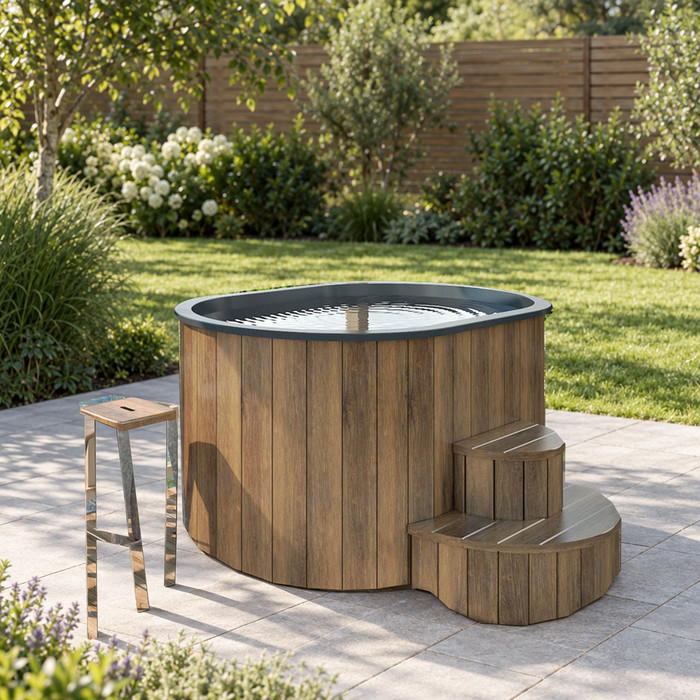
Plan the electrical work as part of the delivery timetable. Allow time to receive the supplier’s documents, arrange the site assessment and consider the quote before setting dates for the work. Then schedule any required follow-up in the order recommended by the electrician. Avoid fixing a delivery date on the assumption that an assessment, alteration or inspection can be arranged at short notice. If Aurora 10 is on your shortlist, record the exact model and configuration in correspondence so the assessment is linked to the intended product, not just to a general description of the hot tub.
Ask the supplier when the exact model and configuration need to be final, whether the delivery booking depends on electrical readiness and what confirmation they expect from you. Separately, ask the electrician what needs to be complete before the tub can be connected or used, and whether any visit or documentation remains outstanding. Build in time for supplier replies, quote approvals and electrical work rather than assuming a universal lead time. If the model, connection location or route changes, tell the electrician and supplier before the work proceeds and confirm whether the assessment or quote needs updating.
Keep the records issued when the work is complete
Ask the electrician what completion records apply to the job and what you will receive. Depending on the work and local requirements, that might include test results or a certificate; don’t assume either document is universal. Keep the records issued together with the exact model’s product instructions, the site assessment, accepted quote, written variations and any correspondence about inspections or notifications. Check that the paperwork identifies the work and property clearly enough for future reference, and ask who to contact if something is missing. These documents preserve the basis for the decision as well as the final account.
If the recommendation included conditions—such as a particular connection point, a change to the supply or a follow-up check—confirm in writing who has completed each item and what evidence is available. Resolve any mismatch between the work done and the agreed scope with the electrician before attempting to connect or use the hot tub. Don’t use paperwork as a prompt to test or alter wiring yourself; ask the electrician or supplier to clarify an outstanding issue. Keep a dated copy of the final product information so a later model change is not mistaken for the version assessed.
Frequently asked questions
Can I use an existing outdoor power point?
A nearby outlet’s appearance or location does not establish that it suits the chosen hot tub. Check the exact product instructions with the supplier and ask a qualified local electrician to assess the outlet and the property’s supply. Don’t connect the tub unless the electrician confirms the arrangement is suitable.
Does every hot tub need a dedicated circuit?
Don’t assume either that a separate circuit is always needed or that an existing one will be suitable. Ask the supplier for the exact model’s requirements, then have an electrician assess the property and explain what arrangement, if any, is appropriate for that installation.
Should I speak to an electrician before ordering?
Yes, arrange an assessment early enough for it to inform your choice. Give the electrician the supplier’s information for each shortlisted model and ask whether the proposed installation would need electrical work. This can reveal costs or unanswered questions before you commit.
Is testing or certification always required?
Ask the electrician which testing, inspection, notification or completion documents apply to the specific work and your location. Confirm who arranges each applicable step and what records you should receive. Don’t assume the same requirements apply to every installation.
What information should I send an electrician for a quote?
Send the exact model identifier and the supplier’s current electrical instructions, if available. Include the proposed connection location and any useful information you have about the property’s existing supply. Ask the electrician what else they need and whether a site visit is necessary; don’t inspect or alter electrical equipment yourself.
Electrical readiness is not something to guess from a model name or nearby outlet. The useful comparison is between the supplier’s written information, an electrician’s assessment of your property and the work and records agreed for the job. Make that comparison for each shortlisted model before finalising the order and delivery date. If the product details or proposed connection change, update the assessment rather than carrying an old assumption forward.
