
Hot Tub Features Worth Paying For—and Which You May Not Need
Hot tub buying guide
Hot tub feature lists can make every upgrade look essential. The useful question is whether an option improves the way you expect to use or care for the tub often enough to justify its price, effort and any ongoing expense. Heating, heat retention, jets, controls, filtration, covers, lighting and automation each solve different problems. Some may make a regular routine easier; others may be enjoyable but rarely used. Compare them against your own habits and preferences, then distinguish verified standard inclusions from paid extras. There is no single feature package that suits every household, and a longer list does not automatically mean better value.
How often will you use each feature?
Estimate a normal month, not the most enthusiastic week after delivery. Would you use the hot tub as part of a regular evening routine, mainly on weekends, or only when visitors stay? A feature that simplifies repeated use can earn its keep; an extra tied to a rare occasion is harder to justify unless that occasion matters a great deal to you. Think about who will operate the controls, how much time people are willing to spend on care, and whether users want the same kind of experience. This is more useful than ranking a feature as premium simply because it appears on a longer list.
Turn that answer into a short use profile: usual frequency, likely occasions, the people who will operate the tub, and the jobs you do not want to add. Use it when reviewing the Cove 2 catalogue page so you can connect each listed feature to something you expect to do. Record whether the feature is included, offered as an option or still unclear, and check that the answer applies to the configuration being quoted. Keep those answers with your notes. This gives you a practical basis for comparison without assuming that every feature shown or discussed is part of the package you would buy.
Separate essential features from nice-to-haves
Make a two-column list: benefits you would notice in routine use, and attractions that are merely interesting. If different users value different things, ask each person to choose their top two and say when they would use them. A preference is a valid reason to pay more; it simply should not be mistaken for a requirement for every buyer. One person may prioritise adjustable water movement, another straightforward controls, and someone else fewer separate care tasks. There is no universal priority order, so rank each item by importance to your household rather than by how prominently it appears in a brochure. Frequency is useful, but it is not the only measure: an occasional feature can still be worthwhile if it is central to the experience you want. Give that preference a place in the budget rather than describing it as a saving.
Label each feature essential, useful or optional, and give every label a reason, such as used each session, reduces a recurring hassle or enjoyable occasionally. Then test the list against the options described on the Haven 6 product page and any other models you are considering. Keep your priorities separate from availability: an appealing feature does not become essential simply because one package includes it. Equally, do not rule out a simpler configuration if it meets your main needs. If no one can name a real use for an extra, leave it off the must-have list until you have compared its price, compatibility and care needs.
Heating and heat retention in regular use
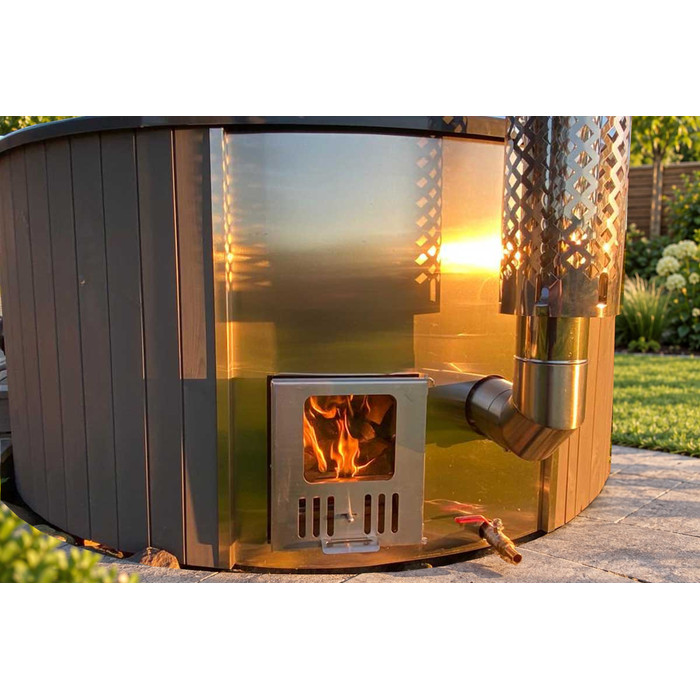
Heating is a recurring part of ownership, so compare how the system is operated as well as its heat source. If a wood-fired option is on your shortlist, consider whether you enjoy organising fuel and tending a fire; if a powered arrangement is offered, understand its connection requirements and energy use. These are different routines, not a simple good-versus-bad choice. The better fit depends on how often you plan to use the tub, who will run it, what local energy or fuel costs apply, and how much preparation you are willing to do. Ask for written operating guidance and realistic cost assumptions rather than relying on a feature label.
Heat retention deserves attention when the tub will be used regularly or kept warm between sessions. A correctly fitting cover and documented insulation details may help limit heat loss, but they do not remove the effect of usage or conditions. Ask which cover or insulation is included, what the seller’s running-cost estimate assumes, and whether a proposed paid option suits the exact configuration. Compare estimates only when they use the same pattern of use, energy assumptions and conditions; otherwise, a lower figure may describe a different scenario. Review the Fjord 8 listing alongside others, while checking specific heating and heat-retention details separately.
Jets and controls: assess feel and ease of use
Jets are worth a premium when the kind of water movement they create is something you enjoy often. A larger advertised count does not, by itself, tell you whether the placement, adjustability or feel will suit you. If a demonstration is available, focus on whether you like the sensation and can change it easily; otherwise, ask what can be adjusted and which areas each control affects. Consider whether users agree on the preferred setting. If most sessions would use one simple setting, an expensive collection of selectable patterns may have little value, even if it makes the feature list look more impressive.
Controls can be more valuable than extra settings when they make ordinary operation easy to understand. Check where they are used, whether labels and status indicators are clear, which functions they manage, and whether any advertised remote or automatic control needs another component or service. A feature that is confusing, seldom used or dependent on an option missing from the quote may frustrate rather than help. When reviewing the Aurora 10 product listing, note any controls you want explained or demonstrated. Focus on the tasks you would repeat during normal use, rather than trying to assess every setting from its name alone.
Filtration features and the care they require
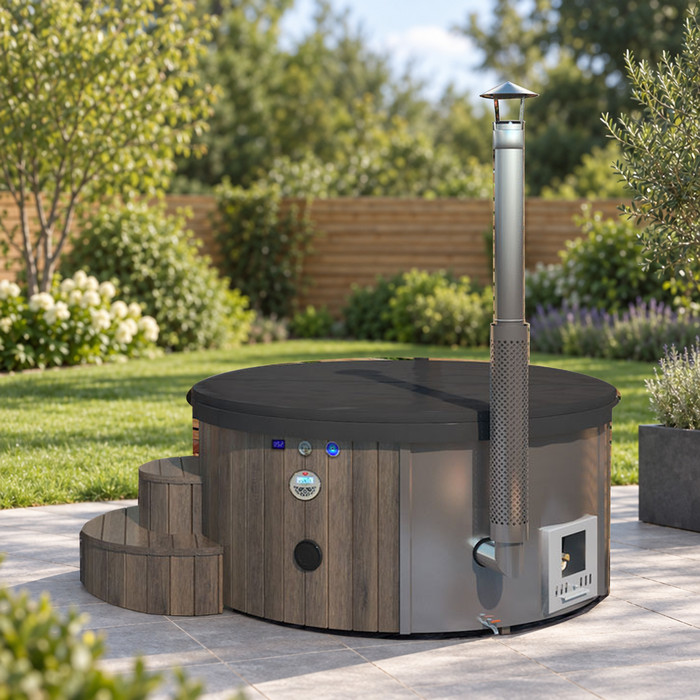
Treat filtration claims as descriptions to unpack, not as a guarantee of low maintenance. Where different arrangements or upgrades are offered, ask what the system is designed to do, how its filters are accessed and cleaned, and which replacement items are specified. Compare the recommended care tasks and replacement schedule in written guidance, not just labels such as advanced or easy-care. Separate the tasks the system performs from the tasks you still need to do: an attractive description is less useful than a clear explanation of both. A system that fits your willingness to maintain it may be more valuable than one with elaborate claims but unclear upkeep. Also check that any water-treatment products you intend to use are compatible with the manufacturer’s instructions.
Build recurring effort into the comparison alongside the initial price. For the Bloomcabin hot tub Cove 2 and other shortlisted models, record the specified filtration arrangement, routine tasks and replacement items before assessing an upgrade. Ask how those replacement items are sourced and what they currently cost. If an optional component is proposed, confirm that it works with the exact model and other selected equipment. Compare the standard arrangement with the upgrade task by task: which jobs remain, which change, and what additional items would you need? That makes it easier to judge whether the extra price buys a benefit you value rather than an unquantified promise.
Covers, lighting and everyday convenience extras
A cover can help keep debris out while the tub is closed and may help retain heat, so its value often rises with frequent use or longer gaps between sessions. The practical test is not simply whether a cover is mentioned, but whether the correct one is included, suits the exact setup and is manageable for the people who will handle it. Ask about the material and care described by the seller, how it is stored when open, and whether a different cover is needed for a selected option. Compare written details rather than treating every premium-cover label as equivalent.
Lighting is mainly worth paying for when ambience or visibility during use matters to you; it can be easy to overvalue in a showroom. Decide whether you want a simple light or would regularly use additional effects, where offered. If one setting would satisfy you, give little weight to a long list of lighting modes. Ask about documented care and replacement arrangements too. Other convenience items, such as steps or storage accessories where offered, should solve a repeated inconvenience rather than simply complete a display. When reviewing the Bloomcabin Hot Tub Haven 6, distinguish included accessories from optional ones and check their compatibility. Assess each item separately rather than assuming a complete accessory package is automatically better value.
Automation and connected controls
Programmable or remote controls can earn their keep when they reduce repeated attention or make routine settings easier to manage. Their value depends on what they actually automate. Ask which functions are included, whether settings can be changed to suit your routine, and whether remote use depends on a separate component, internet connection or paid service. Do not count on lower energy use simply because a control is described as smart; ask what the feature does and what assumptions support any savings claim. If you prefer simple operation, a clear manual control may be more useful than extra connectivity.
Convenience also depends on whether the system remains practical over time. Ask who supports the app or connected function, whether it works with the exact model and selected options, and what happens if you do not want to use a phone. Check whether the feature adds setup, updates or another account to manage. When comparing the Bloomcabin Hot Tub Fjord 8 with other listings, record only connected functions explicitly described for the configuration on offer. Leave an unconfirmed capability out of your comparison until it is clarified, rather than treating it as a benefit or using it to justify an assumed saving.
Compare the full cost of optional features
An upgrade’s price is only one part of its cost. Depending on the feature and how it is used, ownership may also involve energy or fuel, replacement filters or other consumables, servicing, and care products. These amounts vary with the system, local prices, use and supplier guidance, so avoid treating a general estimate as a promise for your household. Ask for current itemised prices and any ongoing-cost information the seller can substantiate. For heating comparisons, make sure the stated assumptions cover a similar frequency of use and conditions before judging one option cheaper than another.
Compare a base configuration with the same configuration plus the optional feature, rather than comparing unrelated packages. Write down the extra upfront amount, the regular expenses it may add or reduce, and the practical benefit you expect to notice. A feature that saves time may still be worth the extra to you, even if it does not lower running costs; a seldom-used option may be poor value even at a modest price. Apply that method to the Bloomcabin hot tub Aurora 10 and any other shortlist entry, using the actual quote rather than an assumed package price. If an upgrade is available only within a bundle, judge the total extra cost against the features you want. Do not assign equal value to every bundled item or count an unwanted extra as a saving simply because it is included.
Feature compatibility and ongoing care
Features do not always work as independent add-ons. A proposed control, cover, filtration component or other accessory may depend on the exact model, configuration or other selected equipment. Ask the seller to identify those dependencies and confirm compatibility in writing. Your comparison should show the complete combination needed for the feature to work, rather than an isolated accessory price. This is especially important when an upgrade affects electrical or other technical systems: product-page descriptions are not a substitute for advice from an appropriately qualified professional about technical suitability. Resolve these questions before choosing between packages, so you are comparing usable combinations rather than extras whose requirements are still unclear.
Include the time and attention a feature asks of you in its value. More options may mean additional cleaning, replacement items, settings to manage or support to arrange; the exact tasks depend on the product and should be stated in its operating guidance. Look beyond the person most enthusiastic about the upgrade. If several people will use the tub, consider whether they are all comfortable with its operation and who will take responsibility for its care. A feature that saves effort during use can add work afterwards, so compare the complete routine. If nobody wants another recurring job, that is a good reason to skip an optional extra.
A quick checklist for comparing features
For every feature under consideration, record six answers: whether it is included as standard; its extra price, if applicable; how often you expect to use it; the care or replacements it adds; its compatibility with your other choices; and the assumptions behind any running-cost estimate. Use one row per feature and separate columns for each model or configuration. Mark a missing answer as unknown, not as no cost or no maintenance. This keeps an incomplete description from appearing better value simply because it contains fewer details. Add the seller’s clarification beside the relevant entry. The checklist should let you see both the benefit you want and the commitment it brings, without requiring you to rate every feature in the same way.
Then mark each option as keep, consider or skip. Keep a feature when it meets a clear priority and its cost, upkeep and compatibility make sense. Consider it when its benefit is appealing but depends on information you still need. Skip it when you cannot identify a likely use, when the added care outweighs the convenience, or when it duplicates something you already value. The result is a feature list shaped by your routine and budget, not by the longest catalogue description.
Frequently asked questions
Which hot tub features are usually worth paying extra for?
There is no universal set. Features that solve a repeated problem—such as making regular operation or care easier—may justify extra spending if their upkeep and ongoing costs suit your routine.
Is a heat-retaining cover worth paying for?
It may be, particularly if you use the tub regularly or want to retain heat between sessions. Check that the cover suits the exact configuration and compare its documented details and price with what is already included.
Do more jets mean a better hot tub?
Not necessarily. Jet count alone does not tell you whether the water movement, placement or available adjustments will suit you. Focus on the feel and settings you would actually use.
Does an upgraded filtration system mean less maintenance?
Do not assume so. Ask for the recommended care routine, filter-cleaning guidance and replacement items for the exact system, then compare the ongoing effort and costs.
How can I compare running costs without an exact figure?
Ask for estimates based on the same frequency of use, heating approach and other stated assumptions. Then compare the energy or fuel, consumables and servicing costs that apply to each option.
A worthwhile hot tub feature is one you can connect to a real preference or recurring need, not simply one that sounds impressive. Give equal weight to its purchase price, the routine it creates and whether it works with the rest of your chosen setup. Once you have compared those details, keeping a few well-matched features—or leaving optional extras out—can be a better fit than paying for options you are unlikely to use.
