
How long does a hot tub take to heat up?
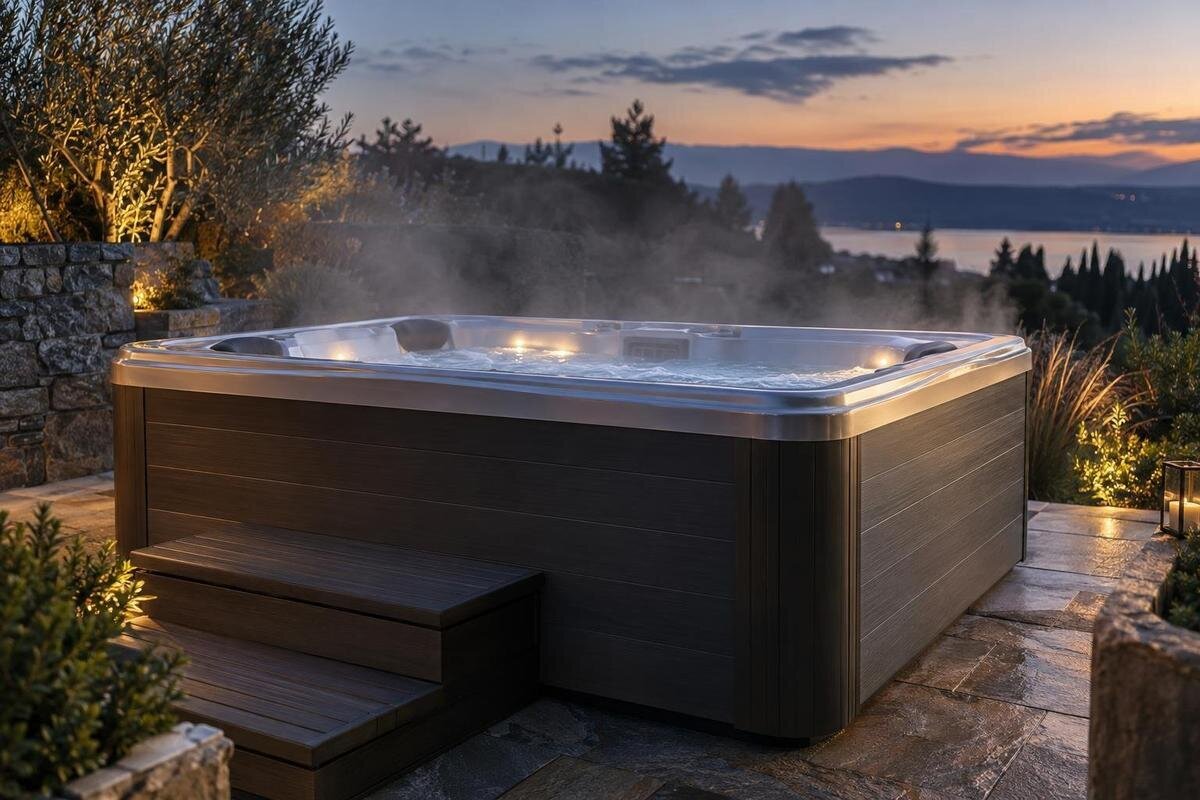
Hot tub heating
Whether you want a soak after work or are planning ahead for a weekend, the useful question is not how quickly a hot tub heats in ideal conditions. It is how long the exact model takes to move from your likely starting water temperature to your intended setting outdoors. The answer depends on the test details as much as on the product claim.
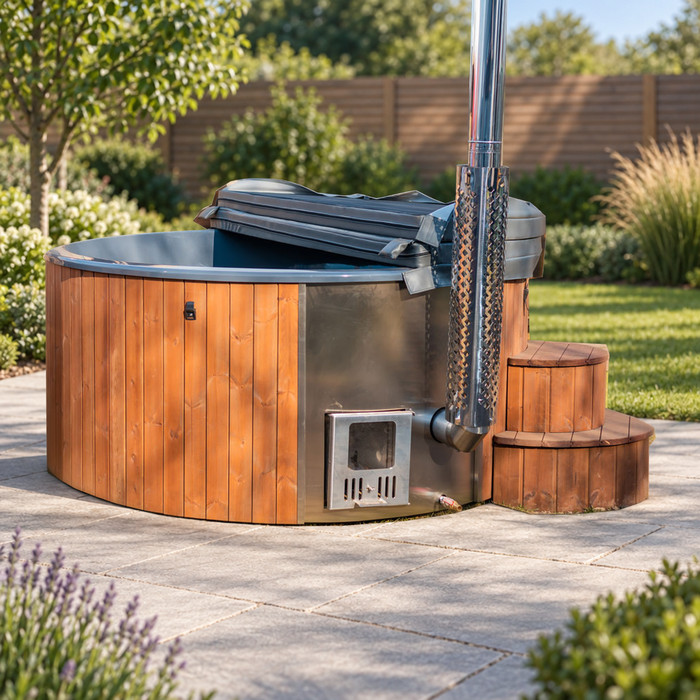
There is no single hot tub heating time
There is no dependable single duration for every outdoor hot tub. The elapsed heat-up time runs from a known starting-water temperature to a chosen target under particular conditions. Change the quantity of water, the temperature rise required, the heater’s output or the weather, and the estimate changes. A broad claim such as “ready quickly” does not tell you whether the tub suits your routine. A product name is not a performance specification: a listing such as Bloomcabin hot tub Cove 2 identifies a model, but its name alone does not establish water capacity or heating time. Look for current manufacturer information tied to the exact model, then check the conditions behind it.
An estimate only answers the situation described by its test. A time recorded for one water volume and one temperature rise will not transfer directly to another, and a rate recorded in mild, sheltered conditions may not match an exposed yard. The same model can therefore take a different time in two homes without the product itself changing. Treat missing details as uncertainty instead of filling gaps with a guess. To compare options fairly, ask the same questions of each: how much water is being heated, from what starting temperature to what target, and under what outdoor conditions? If a listing gives none of these, it cannot establish whether the schedule will suit you. Avoid treating a manufacturer’s figure as a guaranteed time for every day.
The starting and target temperatures determine the rise
Begin with the temperature rise the water needs: the intended target minus the actual starting temperature. With all other factors unchanged, a larger rise takes longer. The same tub can therefore have different warm-up periods when the incoming water starts at different temperatures, even if the target stays the same. Air temperature also affects conditions around an outdoor tub, but it does not tell you the water’s starting point. If the manufacturer’s instructions allow, note the water temperature at the beginning of heating rather than relying on the forecast or time of year. Then check that any published estimate covers a similar start-to-target range.
Be clear about what “starting temperature” means in a product claim. A full fill from cooler water is not the same as raising water that is already partly warm. If a listing gives a reheat time, ask what temperature the water was at when timing began and what target it reached. When assessing Bloomcabin Hot Tub Haven 6, for example, seek a figure that states both endpoints rather than assuming a quoted duration covers every starting point. Choose a target within the manufacturer’s operating guidance and your own preference; another owner’s routine is not a suitable specification. Comparisons are most useful when every model is assessed against the same temperature rise.
Water volume affects the heating time
The quantity of water matters because a greater volume requires more heat to achieve the same temperature rise. If the heating system and conditions are otherwise alike, a tub holding more water will generally take longer to warm. That makes the manufacturer’s stated water volume more useful than a seat count, exterior dimensions or model number. Do not convert a name into a capacity estimate or assume that tubs advertised for similar numbers of users hold equal volumes. For Bloomcabin Hot Tub Fjord 8, as for any option, check the current specification for the stated volume and whether it is connected to the published timing.
Find out whether the quoted capacity is the same volume used for the heating estimate. A figure based on a particular fill amount may not describe the time for a different amount of water. Ask which fill level or measured volume the test used, and whether the estimate covers a full fill rather than only the water added during a top-up. Avoid trying to derive the water volume from the tub’s outside dimensions: they do not tell you how much water is inside. If the volume or test amount is missing, a rate or time cannot be compared confidently with one based on a stated quantity.
The heating system and its rated output
Water volume and temperature rise describe the task, but the heating system affects how quickly heat reaches the water. Check the system specified for the exact model and look for a manufacturer-published output or heat-up figure. A power rating can help identify the equipment, but it is not a complete elapsed-time estimate by itself. The conditions behind the figure and the amount of water being heated still matter. Rather than assuming that all outdoor tubs heat alike, ask for a time or rate connected to the particular system and volume you are considering.
For Bloomcabin hot tub Aurora 10, identify which current version and heating system any published performance information describes. Keep the equipment specification alongside the heating result so you can see whether they refer to the same configuration. If a listing gives an output but no warm-up time, ask whether the manufacturer provides a corresponding time or rate for the stated water volume. Do not treat the output alone as an answer to how long you will wait. Your comparison needs to connect the equipment to the heating task, rather than simply ranking models by a power figure.
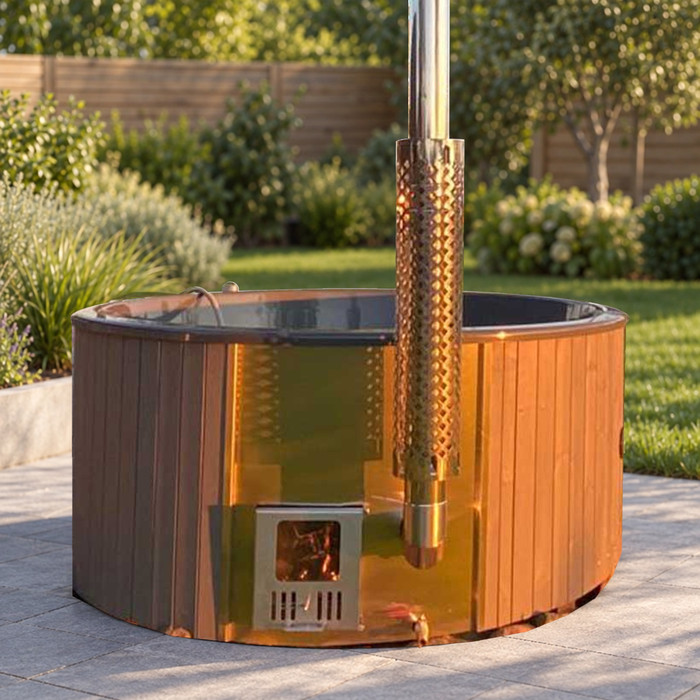
Outdoor conditions change the estimate
Outdoor air and exposure affect the conditions in which a tub warms. Cooler air and wind can increase heat loss during heating compared with milder, more sheltered conditions. Whether a cover was in place may also be part of the test setup, so it is worth checking rather than assuming. Australia has a wide range of local climates, and conditions can differ between regions, suburbs, yards and seasons. A season label alone is not a test condition: the air temperature and exposure at the time of heating are more useful details for comparing estimates.
Match the manufacturer’s test as closely as you can to where and when you expect to use the tub. Ask whether the estimate is based on an outdoor test, what the ambient conditions were, and whether the tub was covered or sheltered. A result from mild conditions may not represent an exposed yard, and there is no universal adjustment that converts it into an exact time for another location. If year-round use matters, consider the range of conditions you expect rather than relying on one favourable day. The Cove 2 model listing identifies an option to assess; its name does not reveal the conditions used for any heating estimate.
How to read a manufacturer’s heat-up time
Read a published heat-up time as a result with conditions, not as an unconditional promise. Look for the exact model, water volume, starting and target temperatures, heating system and outdoor conditions. Also check when the clock starts: is the figure measured from filling, from switching on the heater, or from another point? Does it cover a full fill or water that is already partly warm? A precise-looking duration has limited value if these details are missing. The closer the test is to your likely fill and surroundings, the more useful it is for planning. A range can be more informative than a single time if its assumptions are explained.
Check who published the figure and whether the supporting information applies to the current model. When reviewing the Haven 6 product page, look for manufacturer information explaining what any quoted duration measures. If a listing and a technical document appear to give different times, compare their starting points, targets and test conditions before treating them as conflicting results. One may describe reheating while the other describes heating a full fill. Do not combine the duration from one test with the conditions from another, or borrow a result from a differently configured tub. Keep each published result together with its explanation so its meaning remains clear.
Using a published heating rate
A heating rate, such as a stated temperature rise per hour, is not a complete time estimate on its own. First work out the rise needed from your starting water temperature to your intended target. Dividing that difference by the published rate gives a rough duration only if the rate applies to the exact model, water volume and relevant temperature range. Ask whether the rate is an average over that range, a short-term maximum or a result from a particular test. If the manufacturer provides a full start-to-target time under clear conditions, that may be more directly useful than extrapolating from a rate.
A calculation cannot correct for weather differences or missing test details. The rate may not remain constant throughout the heating period, and heat loss to the surroundings can affect the elapsed time. When reviewing Fjord 8 model details, distinguish a rate measured across the relevant temperature range from a short-term or best-case figure. A calculation based on an average rate still inherits the assumptions of that test; dividing correctly does not make those assumptions match your yard. Keep the calculated duration labelled as approximate, with the test volume and conditions beside it. If the rate’s basis is unclear, leave the duration unknown rather than presenting a precise-looking result.
Does the heat-up time suit your routine?
To judge whether the wait fits your plans, work backwards from when you want the water ready. Consider the likely starting temperature, intended target and outdoor conditions, then compare them with the manufacturer’s estimate. If your plans are flexible and you can heat ahead in line with the manufacturer’s instructions, a longer documented period may still suit you. If you decide to use the tub at short notice, an unknown or lengthy heating window may be a poor fit. This is not a universal start-time schedule: the exact model’s instructions and relevant performance information should guide your expectations.
Allow for differences between the test and your yard rather than planning down to the minute. For the Aurora 10 listing, consider whether the documented heating window leaves enough flexibility before your preferred soak time. A plan that depends on the shortest quoted duration is less flexible than one that allows for the uncertainty in the estimate. Once you have the tub, observed heating times can help you plan future use in line with its instructions. Note the starting temperature, target and outdoor conditions alongside each elapsed time, so you can distinguish a comparable session from one that began with warmer water or took place in milder weather.
Compare heating estimates on the same basis
A consistent comparison is more useful than scanning product labels for a fast-sounding claim. For each exact model, note the stated water volume, heating system and output, starting and target temperatures, published duration or rate, and the outdoor and fill conditions behind the figure. These details show whether two estimates measure the same thing. A timed full fill from a stated starting point is not directly comparable with a bare rate or with a time based on a different water volume. If a specification leaves gaps, list the questions rather than filling them with assumptions.
Compare the relevance of the evidence, not just the numbers. An estimate based on conditions unlike yours may not translate into a shorter wait, while an incomplete specification does not prove that a tub heats slowly. Ask the same questions of each seller and keep the response tied to the exact model and version. Do not infer output, water volume or elapsed time from a seat count, photograph or name. If one figure is lower but its test conditions are unknown, do not automatically favour it over a clearly qualified estimate. The more transparent information is the better basis for judging whether a model suits your schedule.
Questions to resolve before ordering
Make your final enquiry specific to the routine you want. Explain whether you expect to heat a full fill or reheat partly warm water, when you usually want it ready, and the starting and outdoor conditions you anticipate. Then ask which published estimate best represents that situation and where it differs. This gives the seller a clear question to answer instead of a broad request for the fastest possible time. If your circumstances fall outside the published test, ask which parts of the estimate remain relevant and which are uncertain. A useful response should explain the limits rather than simply repeat the headline duration.
Use the manufacturer’s operating guide to confirm the permitted target and heating instructions before treating a proposed schedule as workable. Keep the answer with your shortlist, including any qualifications about the version, fill or weather. Separate what is documented from what is only expected: a published test result, a rate-based calculation and an informal estimate should not look interchangeable in your notes. You can then decide whether the remaining uncertainty matters for your plans. A flexible weekend soak may leave room for a variable wait; a narrow after-work window needs a clearer match between the available heating information and the time you have.
Frequently asked questions
How long does a hot tub take to heat from a cold fill?
There is no single time that applies to every tub. The water volume, starting temperature, intended target, heating system and outdoor conditions all affect the elapsed time. Look for a manufacturer estimate for the exact model and check what its test included.
Does choosing a higher target temperature take longer?
Generally, yes: with the other conditions unchanged, a larger temperature rise takes longer to achieve. Compare estimates only when the starting and target temperatures are clear, and follow the manufacturer’s guidance on operating temperatures.
Will a hot tub heat at the same rate all year in Australia?
Not necessarily. Outdoor air temperature and exposure can differ by location, season and day, which can affect how well the water retains heat while warming. A test under mild, sheltered conditions may not reflect your own yard.
Can I calculate heat-up time from a published heating rate?
You can make a rough estimate by dividing the temperature rise needed by the published rise per hour. That calculation is useful only if the rate applies to the exact model, water volume and relevant conditions; it is not a guaranteed time.
What should a manufacturer’s heat-up estimate include?
Check the exact model, water volume, starting and target temperatures, heating system and outdoor test conditions. It also helps to know whether the time covers a full fill or reheating water that is already partly warm.
A hot tub’s heat-up time is useful only when you know the fill volume, starting point, target and conditions behind it. Compare that evidence with the weather and routine you actually expect, and keep any rate-based calculation in the category of an estimate. If those assumptions cannot be confirmed for the exact model, the honest answer is that its timing is still unknown—not a number inferred from its name.
