
How Much Does an Outdoor Hot Tub Cost in Australia?
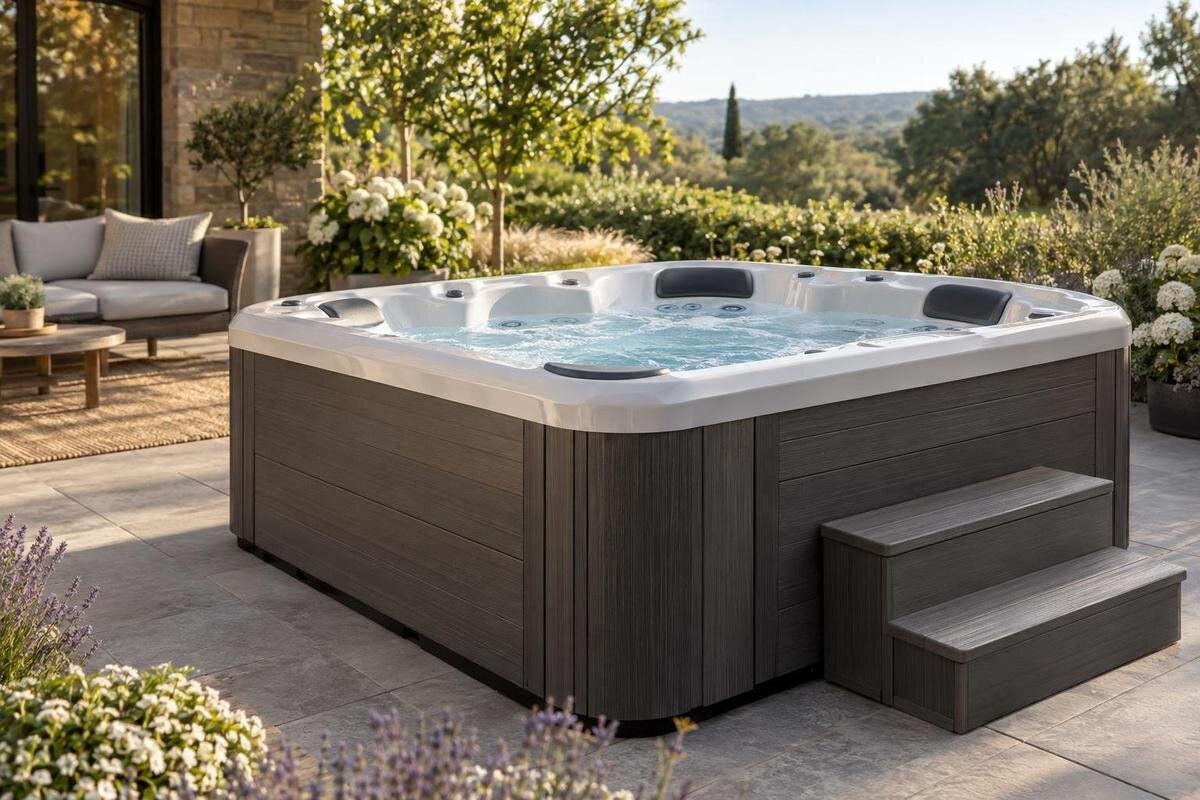
Australian purchase-price guide
An outdoor hot tub price in Australia is useful only when it is current and clear about what the figure covers. The supplied Australian product records confirm the identities of four Bloomcabin models, but include no dated product prices, retailer quotes, GST treatment or confirmed inclusions and exclusions. That means there is no responsible AUD range to publish here and no basis for ranking the models by cost. This guide explains how to compare a live listing or quote without treating missing information as a price or blending delivery, setup and running costs into the tub’s purchase price.
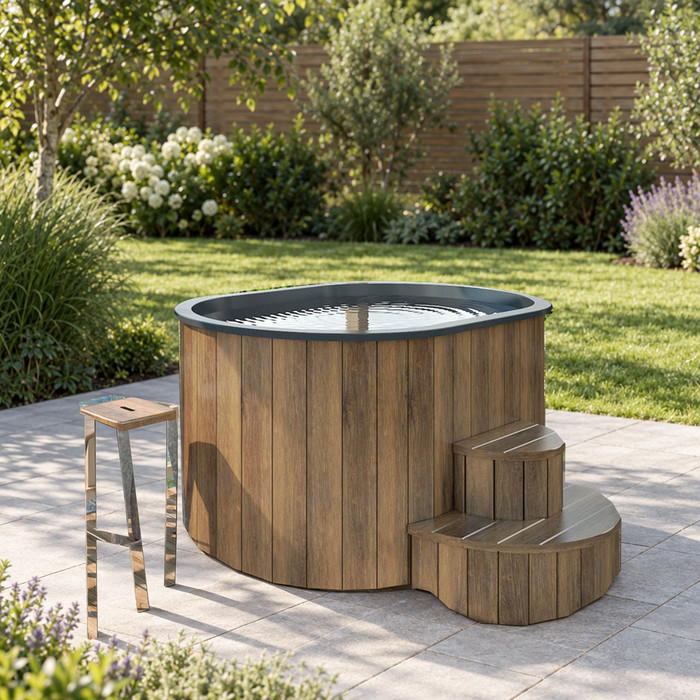
What Australian hot tub prices are available here?
No dated Australian-dollar prices or retailer quotes were supplied for the four models covered here. That leaves no current purchase amount to publish and no supported national price range. A broad low-to-high estimate would not solve the problem: it could mix an old offer, a different package or a product-only amount with one that includes other items. To be useful, a price needs to identify both the amount payable and what that amount buys. This guide therefore marks the model prices as not provided and explains how to assess current offers without treating an unsupported estimate as a realistic purchase budget.
The supplied record for the Bloomcabin hot tub Cove 2 catalogue listing establishes the model identity, but not an Australian asking price, sale, stock status, tax treatment or package. A catalogue entry and a priced offer serve different purposes: the first identifies the product, while the second needs to describe the proposed purchase. A missing price does not mean the model is unavailable or costs nothing. If the live local page displays an amount, read it alongside the offer wording rather than relying on the catalogue record. You can then distinguish a product you are interested in from an offer that is ready to assess against your budget.
Why advertised hot tub prices need the same basis
Two dollar amounts are comparable only when each refers to the same product and the same offer scope. A retailer might show a base product price, a configured set of options or a combined offer; the wording needs to establish which. Some quotes may also describe delivery or placement, while a product page may not state those costs. These are possible differences to check, not verified features of the four models. A headline amount is not enough to tell whether you are comparing like with like, particularly when an option has been selected or a price is presented with conditions. Where a page uses ‘from’, confirm the selected configuration’s amount rather than treating the starting figure as your likely total. Treat price conditions as part of the offer, not fine print to ignore.
For the Bloomcabin Hot Tub Haven 6 catalogue listing, use the currency and tax terms a current Australian page actually states; the supplied record confirms neither. Record whether the amount is in AUD and copy any GST wording accurately. If the source is silent, mark the tax treatment as ‘not stated’ rather than assuming it matches another offer. Keep that uncertainty visible when comparing totals: a figure with clear tax wording and one without it are not yet on a confirmed common basis. The same care applies to any stated price condition, which belongs beside the amount rather than in a separate note you might overlook.
Comparing Cove 2, Haven 6, Fjord 8 and Aurora 10
Keep a separate comparison entry for Bloomcabin hot tub Cove 2, Bloomcabin Hot Tub Haven 6, Bloomcabin Hot Tub Fjord 8 and Bloomcabin hot tub Aurora 10. The supplied record for the Bloomcabin Hot Tub Fjord 8 catalogue listing, like those for the other three, confirms identity only. At present, each purchase-price entry should read ‘not provided in the supplied information’. Keep all four names visible rather than leaving out an unpriced model or assigning it another model’s amount. This gives you a clear view of which options still need pricing without creating an apparent cheapest-to-costliest order from incomplete information.
The numerals in these names do not establish capacity, seating, equipment or a price tier. Nor do the names explain why one model might cost more than another. When prices become available, compare the descriptions of the products and packages alongside the amounts; a price gap alone cannot tell you what differs. Keep model differences separate from differences in the offer, such as selected options or promotional terms. That distinction matters when deciding whether to retain several models on your shortlist. You may be choosing between different products, different packages, or both, and the available information needs to make that clear before a price ranking becomes useful.
Check which items the advertised price includes
Before comparing product prices, look for an explicit description of what arrives for the stated amount. If a listing mentions a cover, heating equipment, steps, filters or other accessories, check whether each is part of the base offer, selected as an option or sold separately. These are examples to verify, not a statement that any one item comes with these Bloomcabin models. Product photographs and a model title cannot confirm package contents. A short summary may not spell out every option, so read the offer details alongside the headline figure before deciding that two prices include the same things. If the details remain vague, classify the package as unclear rather than complete.
The supplied details for the Bloomcabin hot tub Aurora 10 catalogue listing do not confirm a cover, heater, steps, filter or accessory package. When reviewing an offer, separate its base product amount from optional items and mark any unclear inclusion as ‘not stated’. Then distinguish items you intend to buy from extras you would not otherwise choose. An accessory can explain part of a package-price difference without making that package a better purchase for you. If an item appears in both the package description and an optional-extras list, clarify its status before counting its cost. This avoids comparing one package with another that accidentally includes the same item twice.
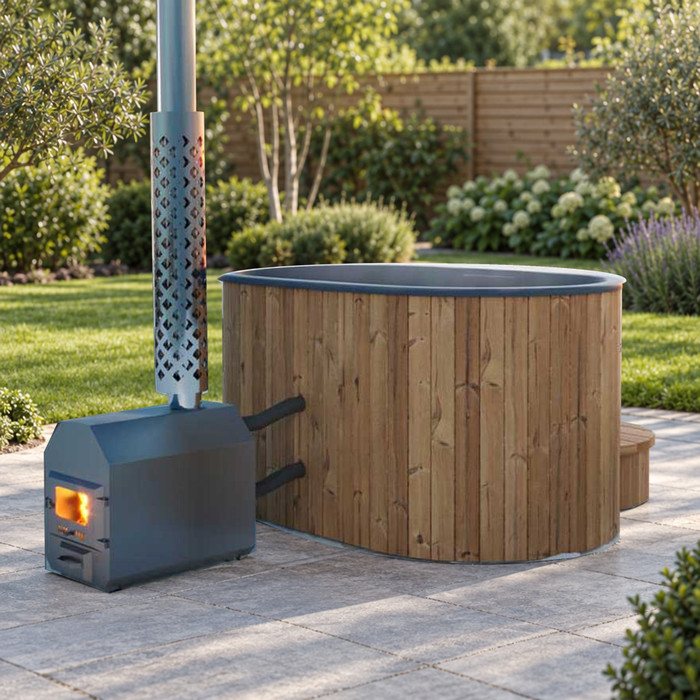
Make a like-for-like price comparison
Use a dated note for each Australian page or quote. Include the exact model name, amount and currency, date viewed or issued, and the scope the source states. Copy the GST wording as given—such as ‘included’ or ‘not stated’—instead of filling a blank by assumption. If the price changes after selecting a configuration, record the option that produced it. If delivery or placement is quoted separately, keep it outside the product-price field. This record makes it possible to revisit the comparison later without confusing a remembered headline with the amount and package that were actually offered. Save the source wording, not just a copied number.
For the Bloomcabin hot tub Cove 2 product page, keep any displayed amount together with the configuration that produced it. If you explore several options, save them as separate versions rather than leaving one price beside another version’s description. Give each version a short, recognisable label using the options actually stated on the page. A phone or email quote should likewise identify the product and configuration it covers. This is particularly useful when you return to a comparison after considering several offers: you should be able to reconstruct the proposed purchase without guessing which selections were active when you recorded the amount.
How to handle a price that is not shown
When an amount is missing, label the model ‘price not provided’ or ‘quote requested’; do not enter zero, an assumed allowance or a midpoint borrowed from another product. For the Bloomcabin Hot Tub Haven 6 product page, the supplied record contains no price. If you want to retain this model on your shortlist, request an amount for the exact product and configuration you are considering. Make the request specific enough to distinguish the base product from any selected extras. You can then assess the response against your purchase limit instead of receiving an amount that answers a different question from the one you intended to ask.
Keep the status of the response clear. ‘Quote requested’, ‘indicative estimate received’ and ‘priced offer received’ describe different stages and should not be treated as interchangeable. If a reply is only indicative, retain that qualification beside the amount rather than allowing a rough planning figure to become an expected purchase price. When part of the response is unclear, ask about that particular gap instead of filling it with another retailer’s description. You can continue comparing the information already available while leaving the unresolved field open. If the missing amount or inclusion could determine your choice, wait for clarification before committing to a model on price alone.
Keep delivery and setup outside the tub price
Keep delivery and placement separate from the tub’s purchase price unless an offer explicitly combines them. Transport arrangements can depend on the delivery location and practical access to the site, but no delivery figure or included service is supplied for these models. A product-only price should not be compared with a delivered amount as if both were the same type of cost. The supplied record for Bloomcabin Hot Tub Fjord 8 product page does not establish delivery terms, so a current retailer statement is needed before adding an amount to either side of a comparison.
Site preparation and installation are separate again unless a documented offer says otherwise. The work, if needed, depends on the property and the chosen position; ground conditions, access and the distance to relevant services can affect what a qualified installer needs to assess. No universal setup amount can be inferred from a product name, and this article does not calculate a separate installation budget. Keep confirmed delivery, base or installation amounts in their own lines, so the tub price can still be compared like-for-like while the broader project total remains visible. Any access assessment should be property-specific, not borrowed from another site.
Treat running costs as a separate budget
Recurring expenses do not belong in the tub’s initial purchase price. Depending on the actual heating arrangement and how the tub is used, ongoing spending may involve energy or fuel, water, water-care supplies, replacement items or routine maintenance. These are cost categories to investigate, not amounts confirmed for the four models, and no consumption or operating figures were supplied. Usage frequency, heating habits and local energy, fuel or water rates can change an estimate, so a figure from another household may not fit yours. Estimate recurring costs separately only when you have relevant product information, usage assumptions and local rates.
The information supplied for the Bloomcabin hot tub Aurora 10 product page establishes model identity, not heater type, power use, filtration, water volume or maintenance requirements. Confirm the actual equipment and the manufacturer’s guidance for the specific product before making a recurring-cost estimate. Keep that estimate in a separate operating-cost budget, with its assumptions visible, rather than adding a speculative annual sum to the tub’s displayed amount. This keeps the first-cost comparison clear while recognising that the lowest purchase price alone cannot establish the lowest ongoing cost.
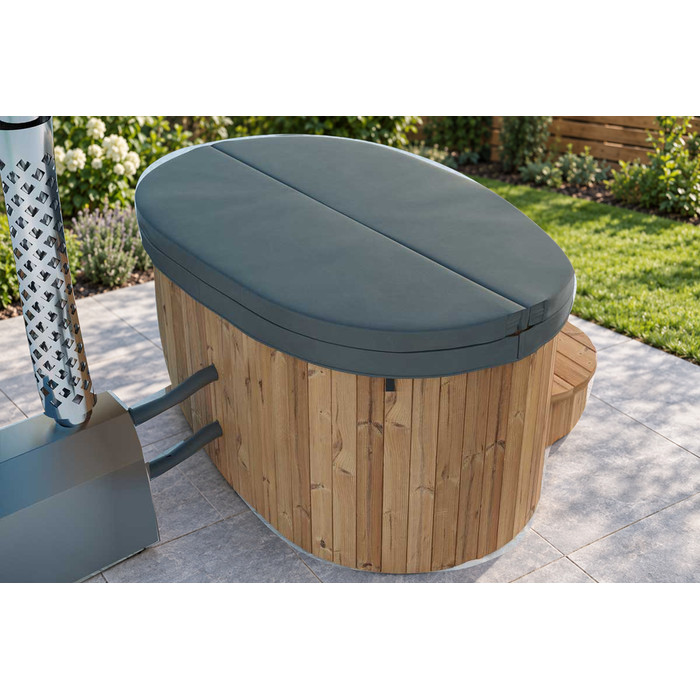
Choose a budget limit that matches the purchase
Decide whether your budget ceiling is for the tub itself or the whole purchase project; those are different limits. A tub-only ceiling can be tested against a confirmed product amount and its stated inclusions. A project ceiling must also account for any separately confirmed delivery, site preparation and installation costs. Keep those one-off items separate rather than subtracting a guessed allowance from the ceiling or adding an assumed bundle price to the product. If a cost has not been established, mark it as unknown: its absence from the listing does not mean it is zero.
Use the budget ceiling to distinguish a purchase you can assess now from one that still has unresolved costs. A confirmed product price may fit a tub-only limit even when the wider project total is not yet known. For optional extras, compare a version containing only the items you intend to buy with the fuller package, keeping the stated inclusions attached to each amount. This shows whether the additional spending reflects your priorities rather than simply a longer accessory list. With no prices or specifications supplied for Cove 2, Haven 6, Fjord 8 and Aurora 10, none can currently be identified here as the best fit for a particular dollar ceiling.
Updating a price comparison before purchase
Before using an earlier comparison to make a purchase, check whether its offers still apply. A listing or written quote is a point-in-time record, not a permanent Australian price band. If a quote states a validity period, keep that condition with the amount and seek an updated offer when needed. When a webpage changes, update the price and inclusion notes together so a new figure is not paired with an old package description. Keep the earlier version clearly dated if you want to retain it for reference. It should remain a record of the earlier offer, not an alternative current price.
If an updated total differs, compare the two versions before drawing conclusions about the change. Check whether the product configuration, included items, optional extras or stated terms also changed. A different total does not by itself show that the same package became cheaper or more expensive. Keep the comparison limited to the offers you actually have: one current amount can describe that purchase opportunity, but cannot establish a market average or a four-model price range. For the models covered here, the amounts remain unprovided. A useful comparison can be completed when current prices are available without replacing those gaps with an invented estimate in the meantime.
Frequently asked questions
What is the current price of an outdoor hot tub in Australia?
No dated Australian prices or retailer quotes were supplied for this article, so a current national range cannot be supported. Check a live local listing or request a quote, then record its date and what the amount includes.
Are Cove 2, Haven 6, Fjord 8 and Aurora 10 priced in the supplied information?
The records confirm the four model identities, but provide no prices, tax treatment or package details. That means their prices are unconfirmed here, not that the models are unavailable.
Does an advertised hot tub price include GST?
The supplied information does not state the GST treatment. Check the wording on the current listing or quote and record it as not stated if the source is silent.
Should delivery and installation be included in the tub’s purchase price?
Include them only if the offer explicitly combines them. Otherwise, compare the product amount separately from delivery, site preparation and installation; keep ongoing costs in a separate budget too.
Can a model number tell me its capacity or expected price?
No. The supplied names establish model identity only. They do not confirm capacity, specifications, inclusions or price.
An Australian outdoor hot tub’s purchase price can only be compared once the amount, date and inclusions are visible. For Cove 2, Haven 6, Fjord 8 and Aurora 10, the supplied evidence confirms names but no prices, so an estimated range or cheapest-to-costliest order would mislead. Keep the tub amount separate from delivery, site work and ongoing costs, and use a current, clearly scoped offer for any budget decision.
