
How Much Does It Cost to Run a Hot Tub in Australia?
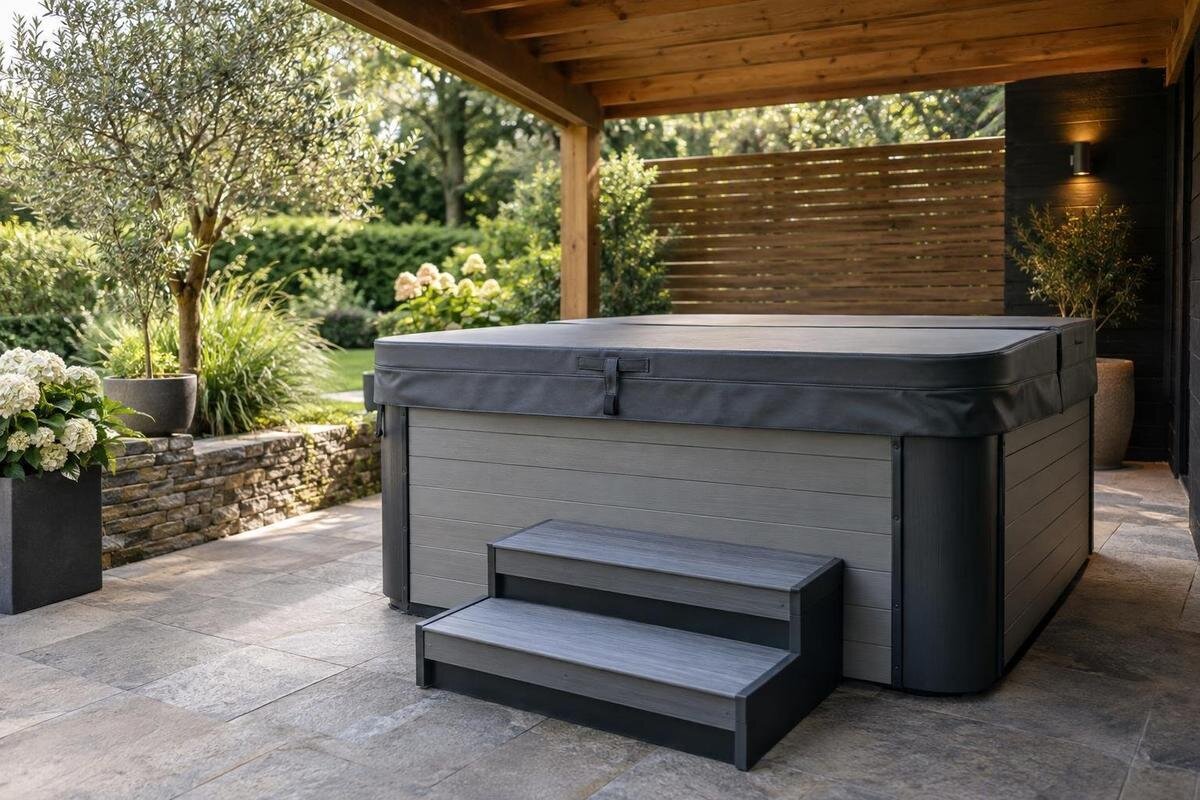
Hot tub running costs
Hot tub running costs in Australia are best calculated from the equipment’s actual energy or fuel use and the rates on your own bills, not from a single national monthly figure. This guide covers heating and filtration, water, care supplies and routine upkeep. Purchase, delivery and installation are separate. The itemised A$ calculation below shows how to use local inputs to build a household budget and distinguish known expenses from estimated costs.
01
What counts as a hot tub’s running cost?
Count the recurring expenses that arise from operating the tub: electricity for an electric heater and any powered circulation or filtration equipment, or purchased fuel for a confirmed fuel-fired heater; water for later top-ups and water changes; water-care products; and routine upkeep. The relevant energy line depends on the actual setup. For Bloomcabin hot tub Cove 2, establish which of these categories applies before entering amounts. Give each expense its own line rather than combining everything under heating. Alongside the amount, note whether it comes from a bill, a supplier estimate or a provisional allowance. This makes it easier to update one uncertain input without rebuilding the whole budget or losing track of what the total includes.
Keep operating expenses separate from the tub’s purchase price, delivery, site preparation and installation. Those may matter to the overall project budget, but they are not recurring running costs. Separate one-off spending from repeat use as well: a first fill belongs on a one-off line, while later top-ups belong in the ongoing water allowance. If your household already has an electricity or water account, avoid assigning its entire fixed service charge to the tub. Count the additional usage charges, and any genuinely new fixed charge, that the tub causes.
Confirm the heating and filtration setup first
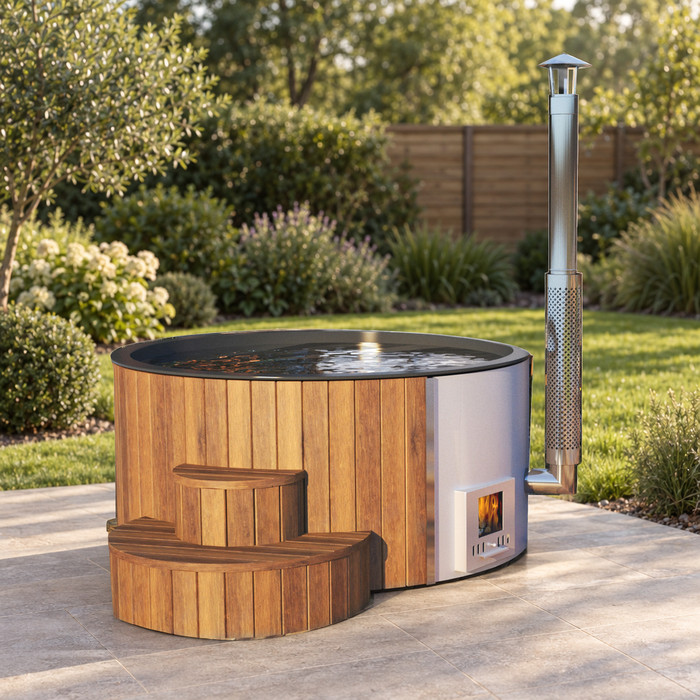
Before estimating energy, find out which heater is supplied, whether any equipment is optional, and what powers circulation and filtration. A tub may have more than one operating cost: for example, a fuel-fired heating system could still have electrically powered components, if those are part of the confirmed setup. When reviewing Bloomcabin Hot Tub Haven 6, ask about the particular configuration you intend to buy rather than assuming that a model name or photograph establishes its equipment. Record supplied and optional components separately. If you are considering an option, keep its associated running costs in a separate version of the budget so you can see the difference between the configurations you are actually comparing.
For electrical equipment, ask for consumption in kilowatt-hours over a stated period, ideally for the complete operating system rather than the heater alone. A rated power figure in kilowatts does not tell you how many kilowatt-hours will appear on a bill: operating time and cycling matter. Ask what use, water conditions and outdoor conditions the estimate assumes. If the confirmed heater uses fuel, record the fuel actually bought and its local price; do not substitute a generic fuel-use figure when the supplier has not provided one.
02
Use your actual electricity tariff
Take the relevant usage rate from your current electricity bill or retailer account and note the billing period and tariff structure. If your bill states a rate in cents per kilowatt-hour, multiply the tub’s monthly kWh by that rate and divide by 100 to get an A$ estimate. If your plan has different rates at different times, calculate each period separately using the kWh that falls into it. For a budget covering Bloomcabin Hot Tub Fjord 8, pair the consumption input with your household tariff rather than a rate used in a supplier’s example. Keep the original consumption figure beside the calculation. That way, you can update the dollar estimate when your tariff changes without suggesting that the tub itself has started using more energy.
The most useful consumption input is a reading that isolates the tub over a representative period. If you cannot obtain one, use a supplier estimate whose assumptions are clear and label it as an estimate. A change in the whole-house bill alone may include other appliances, weather-related use or a tariff change, so it does not automatically show what the tub costs. If a separate measurement requires electrical work, ask a qualified professional rather than altering fixed wiring.
How use, weather and the cover affect energy use
Frequency of use is only part of the picture. A tub kept ready between sessions may use energy to replace heat lost while idle; use that involves more frequent heating or water changes can add different demands. The effect of heating only around planned sessions depends on the system, its insulation and operating guidance, so it is not safe to assume that one approach always costs less. Ask for an estimate based on the way you expect to use the tub, rather than relying on a figure with no usage pattern attached.
Outdoor conditions and the condition and fit of a cover can also affect heat loss. Exposure to cold air and wind, or a cover that does not fit or is in poor condition, may make the system work differently from a sheltered test setup. No specific saving should be assumed without supporting evidence. When discussing Bloomcabin hot tub Aurora 10, ask what conditions underpin any energy estimate and how closely they match your intended location. Keep notes on cover use and outdoor conditions alongside your expected session frequency. If you later compare two consumption periods, those notes help you recognise differences in how the tub was used instead of attributing every change to the weather or the cover alone.
03
Budget for water and water-care supplies
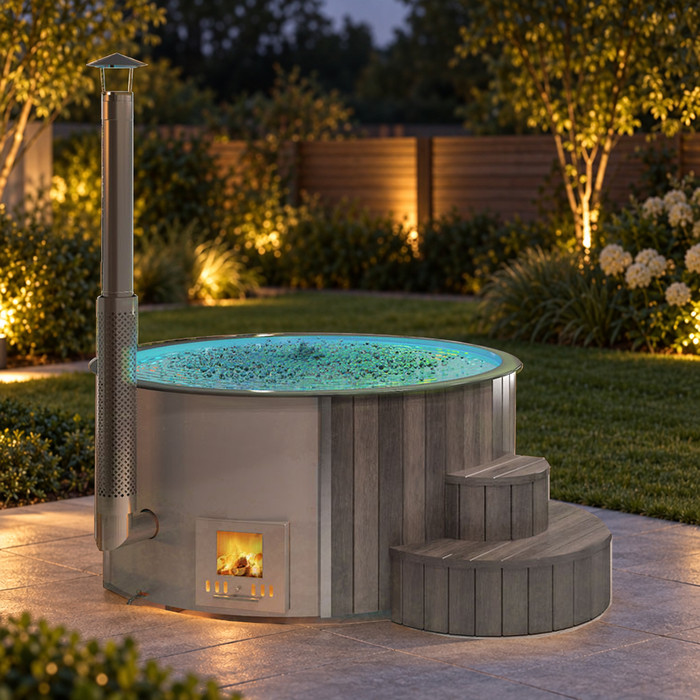
Use the confirmed water volume and your local water retailer’s usage charges to estimate a first fill. Check the bill for any usage-linked wastewater charge that applies to water use at your property. For an ongoing budget, include the water used for top-ups and any later changes recommended in the system’s care guidance. When checking the Cove 2 product page, seek confirmed volume and care information rather than estimating either from the model number. Keep a full water change separate from smaller top-ups in your worksheet, and state how many of each your estimate allows for. This makes the water line easier to revise if your actual use differs. Record litres and kilolitres consistently before applying the bill’s rate.
Water-care supplies are another recurring line. Base them on the products and quantities you will actually use, following the applicable instructions, and check current local shelf or supplier prices. Test supplies and treatment products can be bought at different times or in different pack sizes, so record the purchase price and spread it across the period the supplies cover. This gives a more useful monthly average than charging a whole multipack to one month. Avoid using a generic allowance as though it were the price for every setup.
Include filtration and routine upkeep without double counting
Where circulation or filtration uses electricity, its consumption belongs in the energy estimate; do not add it again as a separate energy charge if the supplier’s whole-system figure already includes it. Consumables are different. Use the Haven 6 listing as the model reference when asking about the filtration equipment supplied. If the confirmed setup uses a replaceable element, establish what cleaning or replacement guidance applies and what a compatible replacement currently costs. Note whether that cost is already covered by another upkeep allowance. Each item should appear once in the total, even if it serves more than one purpose. A brief description beside each allowance helps prevent a broad service budget and an individual replacement line from covering the same expense.
Include an allowance for routine upkeep that recurs under the maker’s care guidance, such as cleaning products or scheduled service if you plan to pay for it. Use actual supplier prices or quotes and record what they cover. Keep an occasional major repair separate from normal operation rather than presenting it as a predictable monthly running expense. If you choose to set money aside for unexpected repairs, identify that as a separate household reserve, not a quoted operating cost. This distinction lets you see both the expected recurring expense and any extra financial buffer you have chosen to maintain.
04
Build a monthly and annual AUD worksheet
Use one representative month as a worked calculation, with inputs from your own current bills and purchases. Let K be the tub’s attributable electricity use in kWh for that month and R be the tariff in cents per kWh; electricity is A$(K × R ÷ 100). Let F be actual fuel spending in A$, V be tub-related water use in kL, and W be the applicable usage-linked water and wastewater rate in A$ per kL; water is A$(V × W). Let C be the average monthly spend on care products and U the monthly amount set aside for routine upkeep. The itemised monthly total is A$[(K × R ÷ 100) + F + (V × W) + C + U]. Leave out a fuel line only when the confirmed setup does not use fuel; do not treat an unknown cost as zero.
For an annual total, add the monthly lines across the year. If the example month is genuinely representative, multiply each monthly line by 12; otherwise allow for seasonal differences and sum the months separately. Record a first fill once, not as a repeated monthly charge, and keep purchase and installation costs outside this total. Distinguish the monthly average from the amount you expect to pay in a particular month: a care-product purchase or scheduled service may be paid for at once even though you spread its cost across the budget. Keep the payment date beside the annual amount so you can plan for both. This is an A$ calculation template, not a current tariff quote or a model-specific cost estimate. Note the dates and basis of the electricity bill, water charge and care-product prices you enter. Label the completed result as measured, estimated or a mixture of the two, according to its inputs; calculating a precise total does not remove uncertainty from the figures used.
Allow for seasonal changes in running costs
A single month may not represent the year. Energy use can change with outdoor conditions, the way the tub is kept between sessions and how often it is used; water and care-product spending can also vary. Build lower, expected and higher estimates using assumptions that match your likely routine and the information the supplier can support. For Fjord 8 running-cost enquiries, describe those routines explicitly rather than asking only for an average monthly price. Keep local tariffs and product prices consistent across the comparison so the difference comes from usage assumptions, not unrelated rates. Change the relevant budget lines individually instead of adding an unexplained percentage to the total. For example, if the higher estimate assumes more sessions, show which consumption or supply allowances you have changed and why.
If the tub is already operating, compare an attributable consumption reading over a representative period with the estimate you began with, then revisit it in a different season. Keep the bill dates, tariff changes and usage notes together so a changed electricity plan is not mistaken for a change in the tub’s consumption. Where a direct reading is unavailable, keep the figure labelled as estimated and state the assumptions. This gives a more honest range than multiplying one mild-weather month by 12 and calling the result a measured annual cost.
05
Compare supplier running-cost claims on like-for-like terms
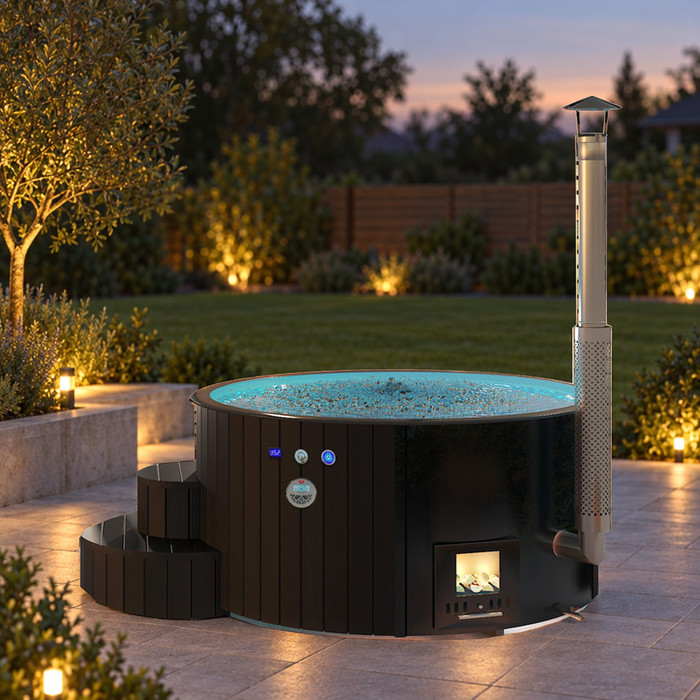
Ask what equipment a supplier’s figure includes: heater, circulation, filtration or other powered components. Find out whether the claim is measured or estimated, its time period, and the usage and outdoor conditions behind it. If relevant, ask whether the calculation assumes a fitted cover and what operating pattern it uses. When reviewing the Aurora 10 product page, keep any subsequent running-cost response with the details of the configuration it covers. Ask for consumption and price inputs separately, not just a combined monthly amount. You can then apply the same household rates to each shortlisted model. If one estimate includes water and care supplies while another covers only energy, separate those categories before drawing a comparison.
For a system with confirmed fuel heating, ask what fuel use the supplier assumes and compare it with local fuel prices using the same purchase unit. For electrical use, compare kWh rather than heater rating alone, and apply the tariff that would actually appear on your bill. Check whether filtration is already included in the figure so you do not count it twice. If the supplier cannot support a precise number, keep the uncertainty visible in your range instead of converting it into a firm monthly promise.
Decide whether the ongoing cost fits your budget
Compare the expected and higher-cost versions of your monthly estimate with what you are comfortable spending through the year, not just in a mild month. Energy and care costs recur, while the first fill and purchase or installation costs belong on separate lines. If you are planning household cash flow, a monthly reserve can smooth bills or occasional scheduled upkeep, but it should not obscure the annual total. A clearly itemised budget shows which expense is fixed, which follows use and which remains uncertain.
If an important input remains unknown, identify how it affects your decision rather than treating it as free. Work out how much room remains between the known recurring expenses and your spending limit. That is the amount available for the unresolved costs, not evidence that they will fit within it. If your decision depends on a particularly low estimate for one uncertain line, resolve that uncertainty before committing. Conversely, a budget with room for the higher-cost version gives you a clearer view of the commitment than one that works only under the most favourable assumptions.
Frequently asked questions
Is there a standard monthly running cost in Australia?
No single figure suits every household. Costs depend on the confirmed heating and filtration equipment, how often the tub is used, local electricity and water charges, and the care products required. Build an estimate from your own bills and supplier information rather than treating a national average as a quote.
Can I calculate the electricity cost from the heater’s kW rating?
Not reliably on its own. A kW rating describes power, while the bill charges for energy used over time, measured in kWh. The heater may not run continuously, and circulation or filtration equipment may also use electricity. Ask for a whole-system consumption estimate or use a suitable measured figure.
Should I include the first fill in my monthly budget?
Show the first fill as a one-off water expense, using the confirmed tub volume and your local usage charges. Do not count the whole fill as a monthly cost. For an ongoing budget, include the water used for top-ups and later water changes, following the care guidance for the confirmed system.
Should I include my electricity supply charge?
Include the tub’s consumption charges. If your household already has an electricity account, its existing daily supply charge is not generally an extra cost caused by operating the tub. Add a separate fixed charge only if the tub genuinely leads to a new or higher charge on your bill.
What should a supplier’s running-cost estimate explain?
Ask whether the figure is measured or estimated, what equipment it covers, the period it represents and the usage and outdoor conditions assumed. It should identify whether circulation or filtration is included and state the energy or fuel basis. A monthly figure without those details is difficult to compare.
A useful running-cost estimate has separate lines for energy or fuel, water, care supplies and routine upkeep, each tied to a confirmed setup and a current local price. Use measured consumption where possible, keep estimates labelled, and account for seasonal use before annualising a monthly figure. That gives you a practical basis for deciding whether the ongoing expense fits your household budget, without confusing operating costs with the price of buying or installing the tub.
