
How Often Should You Change Hot Tub Water?
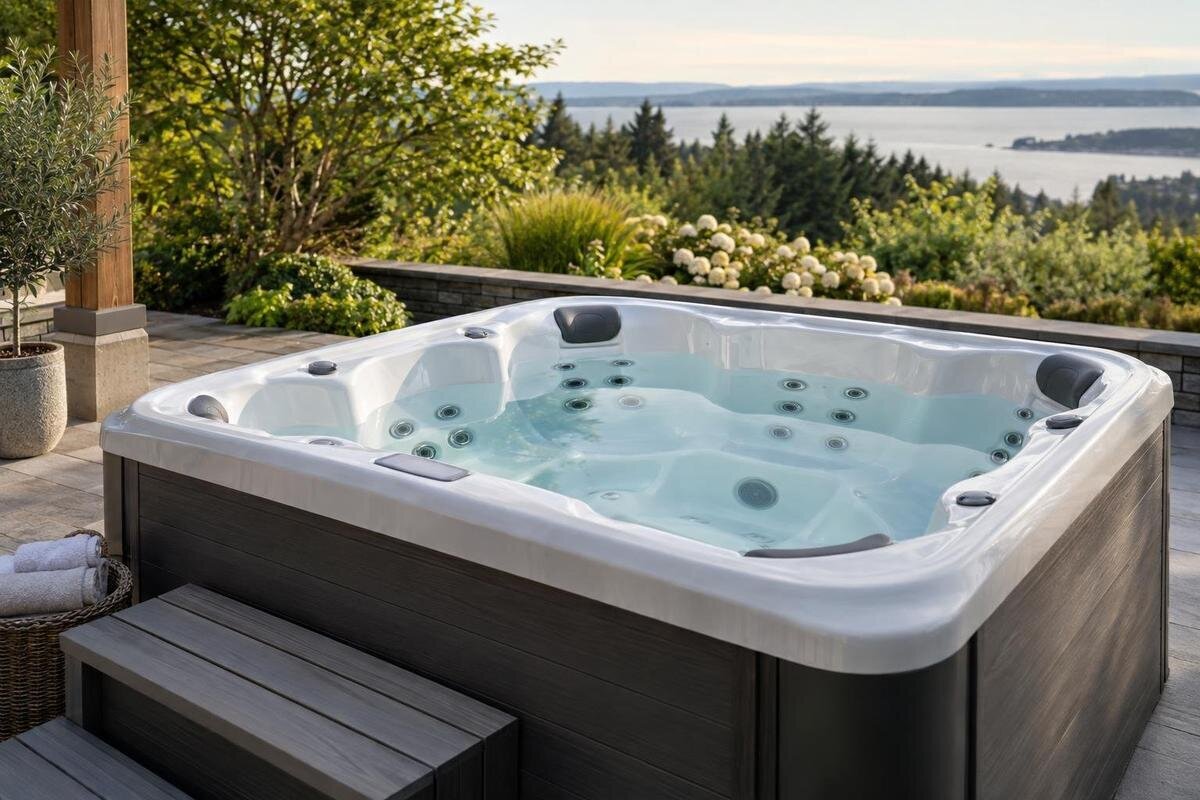
Hot tub water care
If you’re looking for a fixed number of months, there isn’t one that can safely be applied to every outdoor hot tub. Timing needs to come from the current manufacturer’s instructions for your exact model and its specified water-care method. Usage and the way the water is cared for can affect the advice, so a timetable from another tub is not a reliable substitute. This guide separates a full drain and refill from routine testing, treatment and filtration, then explains how to check model guidance and local water-use and disposal requirements before you act.
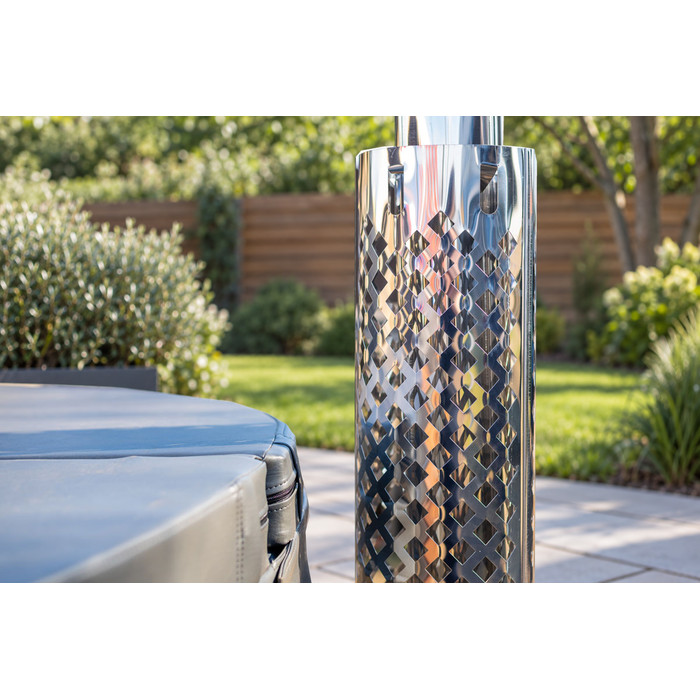
There’s no single interval for every hot tub
There is no single calendar interval that can be applied reliably to every outdoor hot tub. The relevant direction is the current manufacturer’s guidance for the exact model and the water-care method specified for it. A schedule written for another spa, treatment approach or set of assumptions is not an automatic instruction for yours. When you read the manual, note whether it gives a calendar interval, a use-based instruction or a stated condition, and any qualifications attached to that advice. Follow the wording as given rather than converting it into a personal rule of thumb. If the manual is missing or unclear, get the applicable instructions before choosing a date; a fixed number without that information would be guesswork.
That distinction matters when browsing the Bloomcabin hot tub Cove 2 or any other model. Read timing advice together with its qualifications: an interval linked to a particular pattern of use is not an unconditional promise about how long the water can remain in the tub. Likewise, a condition-based instruction needs to be understood as written, rather than converted into a fixed date for convenience. If a supplier mentions a typical interval, ask whether it comes from the applicable manufacturer’s instructions and what assumptions accompany it. This helps you distinguish a documented requirement from an informal estimate without guessing at the model’s care needs.
Usage and water-care method affect the guidance
Usage is one factor to check, but it does not create a universal calculation. Read whether the instructions distinguish between patterns of use and, if they do, follow the maker’s definitions rather than deciding that ‘busy’ means a particular number of days or months. A change in how often the tub is used is useful context when reviewing the guidance; it is not, by itself, proof that a drain is due. Note any major change in use if the manual asks you to keep records or if you need to explain your routine to the supplier. Don’t extrapolate a schedule from someone else’s different pattern: the relevant distinction is the one in your model’s instructions.
The specified water-care method matters as well. A timing recommendation tied to one approach cannot automatically be transferred to another, so check which method the guidance assumes and whether it matches your setup. If you’re considering the Bloomcabin Hot Tub Haven 6, ask for its applicable care instructions and how they address usage; don’t infer either from the product name. A supplier should be able to identify the relevant document or direct you to the manufacturer. Compare its written assumptions with the way you expect to use the tub, including how often it will be used, rather than relying on a generic timetable.
Routine water care is different from a water change
Routine testing, treatment and filtration are ongoing water-care tasks; a full water change is a separate action. Testing follows the method’s stated checks, treatment follows its instructions for products or adjustments, and filtration is carried out as specified for the tub. These jobs are not interchangeable: filtering or treating the water does not mean all existing water has been replaced. Use the manufacturer’s directions for the timing and process of each routine task. There is no single test schedule, product or quantity that can be prescribed without knowing the exact model and specified method, so don’t transfer those details from an unrelated guide.
A full drain and refill means removing the existing water and replacing it, then following the maker’s instructions for preparing the refilled water before use. It does not automatically replace routine checks and care due before or after the change; equally, completing those tasks does not establish that a full change is never required. When considering the Bloomcabin Hot Tub Fjord 8, request both parts of the guidance: the routine care while water remains in the tub, and the separate rule for replacing it. Keep the two kinds of task distinct in your notes so a test or treatment entry is not mistaken for a water change.
What to check before draining and refilling
Before deciding to empty the tub, find the model’s decision process and match it to the water-care method currently in use. Check what interval or condition the manufacturer states, whether the instruction calls for a particular check, and how it says to respond to the result. Don’t substitute an online post, a schedule for a similar model or a single change in appearance for those directions. One symptom alone does not automatically prove that a drain is due; the manufacturer may direct another check or action. If you’re concerned but unsure what the instructions mean, contact support rather than guessing or simply ignoring the issue.
A straightforward log makes that review easier. Record the date of a complete change, the water-care method in use, any relevant change in usage and the checks or actions the manual asks you to track. Keep readings in the form you measured them and note the procedure used; results from different methods may not be comparable. If a result is outside the acceptable range specified by the manufacturer, follow that document’s response or ask its support contact. A log helps you explain what has happened and what you have already done, but it does not create a new threshold for draining.
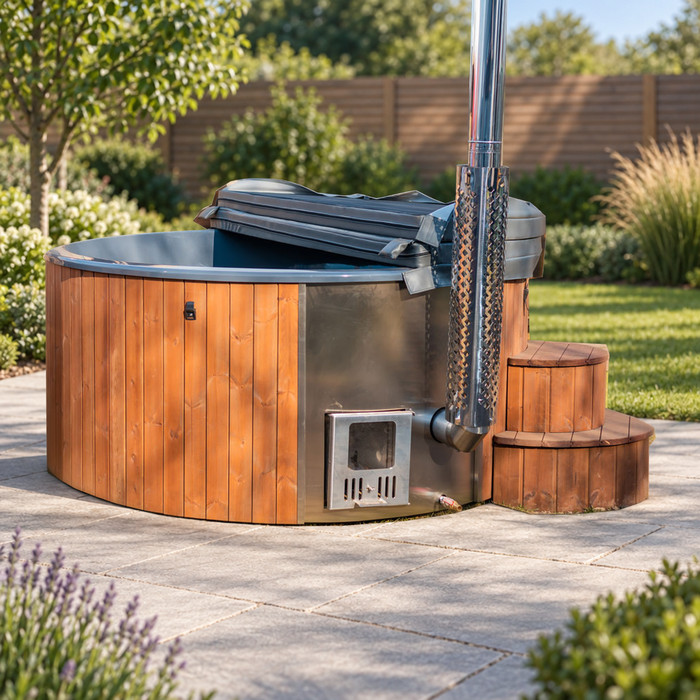
Find instructions for the exact model
Use instructions for the exact model, not merely a guide for a similar tub or the same brand. Check the model identifier on the product documentation and confirm that any water-care advice is current and applies to the method you plan to use. If you have a printed manual, follow the manufacturer’s direction on whether a newer version replaces it. If you don’t have one, ask the seller or manufacturer where to find the official copy. A product listing can help identify what you’re considering, but it should not be treated as proof of a particular schedule unless it provides or points to applicable instructions.
When researching the Bloomcabin hot tub Aurora 10, ask the supplier to point you to water-care documents for the exact model and clarify which method they cover. Look for a stated water-change interval or condition, any assumptions about usage, and directions for routine testing, treatment and filtration between full changes. If the documents refer to a different model or method, request the correct version instead of trying to reconcile them yourself. Keep the model and manual details with your water-care notes; they can make later questions to the seller or manufacturer easier to resolve.
Plan the workload around the written guidance
Once you have the actual requirement, make it workable without changing what it says. Record the last full water change and any model-specific condition that determines the next one. A calendar reminder makes sense if the manual gives a calendar interval; if the advice depends on a check or condition, use a reminder to review that instruction rather than draining automatically on a date. Keep water-change entries separate from routine testing or treatment records, so it is clear what has and has not been done. This makes the guidance easier to follow without turning a reminder into an unsupported schedule.
A change also takes practical planning: you need to follow the manufacturer’s draining and refilling procedure, arrange the water supply, and complete any specified water-care steps before use. Account for the whole process rather than treating the moment the tub is full as the end of the job. The time, fill volume and equipment needed for a particular model must be confirmed rather than assumed. For the Cove 2 by Bloomcabin, as for any tub you compare, ask which tasks you will need to handle yourself and where help is available. Compare the documented workload rather than assuming a product is easier to manage.
Check local water-use and disposal advice
Water restrictions and discharge guidance need a local check in Australia; don’t assume one nationwide answer or rely on old advice. Before arranging a refill, check current notices from your water supplier or local council for the address where the tub is used. Ask whether a current restriction affects filling and whether any applicable conditions or exceptions are relevant. Notices can change, so a neighbour’s past experience or an old web page may not match today’s situation. If the property has shared water arrangements, check with its manager as well as the relevant authority so you know who is responsible for the supply.
Ask separately where used hot tub water may be discharged. Tell the council or water authority that you want to dispose of used hot tub water, describe the water-care method you use, and ask which disposal route is accepted at your address. Find out whether any conditions apply to that route, and check the manufacturer’s handling directions too. Don’t assume a garden, drain or other outlet is suitable just because the water looks clear. Confirm the disposal arrangements before emptying the tub; advice about permission to refill does not also answer the question of where the old water can go.
Compare documented requirements before buying
Ask every supplier for the same written details so the comparison is meaningful: the current manual for the exact model, the water-care method it covers, the stated water-change interval or condition, and any assumptions about usage. Ask what testing, treatment and filtration the owner handles between changes, and who can clarify the instructions if a question comes up. A vague answer such as ‘regularly’ does not explain the expected workload. Also avoid comparing a fixed interval for one tub with a condition-based instruction for another as though they meant the same thing.
Apply the same comparison to the Haven 6 hot tub by Bloomcabin and every other candidate. Keep confirmed requirements separate from unanswered questions: an omitted water-change interval does not establish that changes are unnecessary, and an unclear answer does not establish a lower workload. Note whether each answer comes from the applicable instructions or remains a point for clarification. If one supplier describes a calendar interval and another describes a condition, retain that distinction in your comparison rather than forcing both into a single frequency column. The aim is to understand what each owner must do, not to rank products using incomplete information.
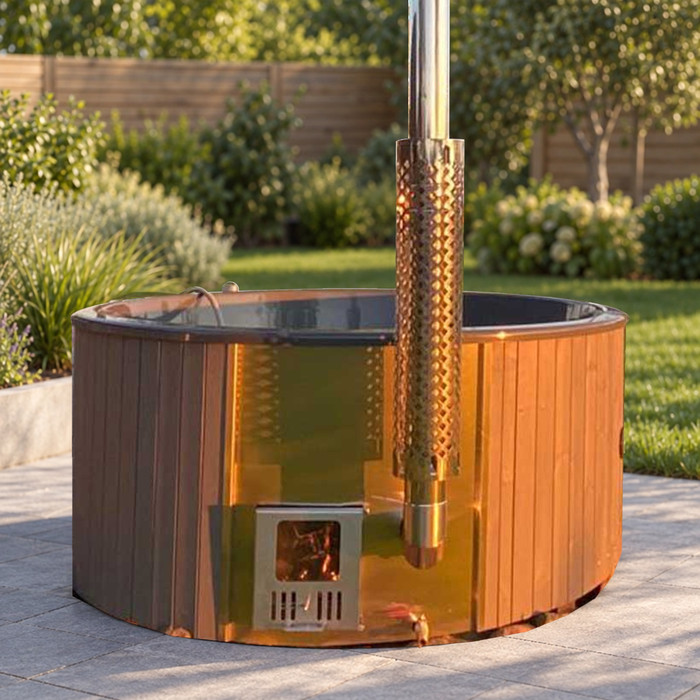
Allow for water use, supplies and service costs
Water-change frequency is only one part of ongoing workload and cost. A full change uses water and takes time; the water component depends on the fill volume documented for that exact tub and your local water charges. Don’t use a model number as a capacity figure or estimate volume from a product image. Include only costs you can substantiate: the water-care products specified in the instructions, any support you choose, and any local disposal service or charge that actually applies. Other running-cost estimates need their own model-specific evidence. Compare the assumptions behind each figure rather than presenting a guessed annual total.
For the Fjord 8 hot tub by Bloomcabin, ask the supplier for the manufacturer-documented fill volume and water-change instructions, then confirm whether supplies or support are provided or priced separately. These are questions, not assumptions about the product. Use your own local water charges and the stated volume if you want to estimate refill costs, and note your assumptions. A shorter interval does not by itself produce a reliable cost comparison if volume, method, usage assumptions and included services differ. Leave out any figure you cannot verify.
Getting clear answers from a supplier
When an instruction is unclear, quote the relevant wording and explain exactly what you need clarified. For example, ask: ‘Does this interval apply to the water-care method I use?’ or ‘Which instruction applies when my usage changes?’ If you already own the tub, include the model identifier, the manual version and relevant entries from your water-care log. This gives the supplier a specific question to answer rather than a broad request for a timetable. Ask them to identify the applicable instruction so you can keep the explanation with your records.
For a purchase enquiry about the Aurora 10 hot tub from Bloomcabin, distinguish questions about the manufacturer’s requirements from questions about the supplier’s support. Ask who can explain preparation and post-refill steps, what assistance is available if you cannot complete a task, and whether that assistance is included or priced separately. Direct questions about current local water restrictions or disposal arrangements to the relevant authority rather than treating a product recommendation as local permission. Keep any unanswered points visible in your comparison; a missing answer should remain an unknown, not become an assumed favourable interval or an assumed service inclusion.
Frequently asked questions
Is there a standard number of months between hot tub water changes?
There isn’t a single interval that applies to every hot tub. Use the current instructions for your exact model and water-care method, including any conditions or assumptions about usage. If the guidance is missing or unclear, ask the manufacturer or supplier rather than adopting a general timetable.
Does frequent use automatically mean the water needs changing sooner?
Not automatically. Usage may affect the manufacturer’s advice, but don’t turn it into your own formula or assume a particular amount of use means a drain is due. Check how your model’s instructions account for usage and follow any stated process.
Can testing, treatment and filtration replace a full water change?
They are separate tasks. Testing, treatment and filtration follow the routine-care instructions for your tub; a full water change removes the existing water and replaces it. Neither routine care nor a refill should be treated as a substitute for the other requirements in the manufacturer’s guidance.
Does one change in the water’s appearance mean it’s time to drain?
No single symptom automatically proves a water change is due. Check your model’s instructions for how to assess the water and what action to take. If you’re unsure how to interpret the result, contact the manufacturer or supplier instead of relying on a generic rule.
Can I empty hot tub water onto the garden in Australia?
Don’t assume a garden or any other outlet is suitable. Check current advice from your local council or water authority about disposal at your address, and follow the manufacturer’s handling guidance. Local requirements may differ, so confirm the route before emptying the tub.
Water-change timing comes from the instructions for the exact tub and water-care method, interpreted using the usage pattern the manufacturer specifies. Keep a full drain and refill separate from regular testing, treatment and filtration; don’t decide to drain based only on a generic timetable or one symptom. For Australian owners, check current local advice on water restrictions and disposal before planning a refill or emptying. Buyers can compare the written schedule, routine tasks and available support on the same basis, rather than guessing from a model name.
