
How to Plan Your First Wood-Fired Hot Tub Session
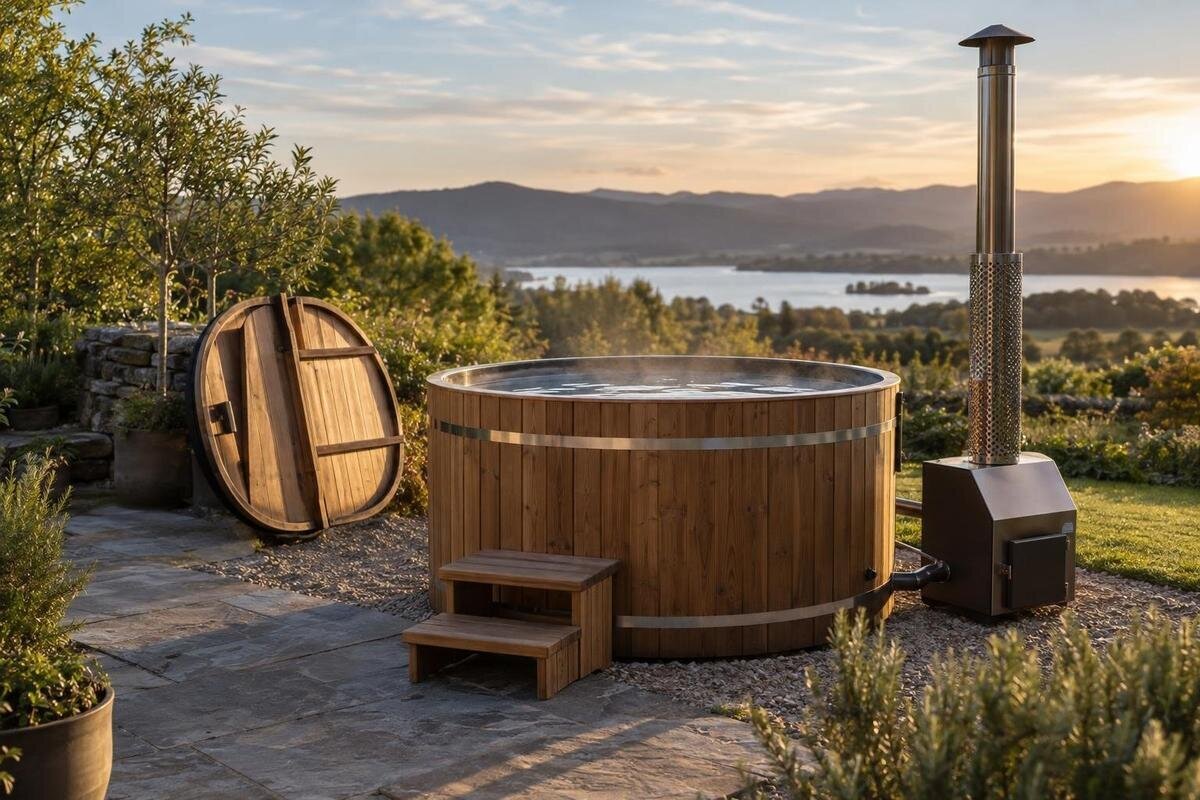
First-use planning guide
A first wood-fired hot tub session is easier to enjoy when preparation is part of the plan, not a last-minute rush. The operating sequence, water requirements and temperature checks depend on the exact model, so the manufacturer’s instructions must guide the practical steps. Use this guide to make room for those instructions, local fire information, time to attend the heater and the tasks that remain after the soak—without relying on a guessed heating time.
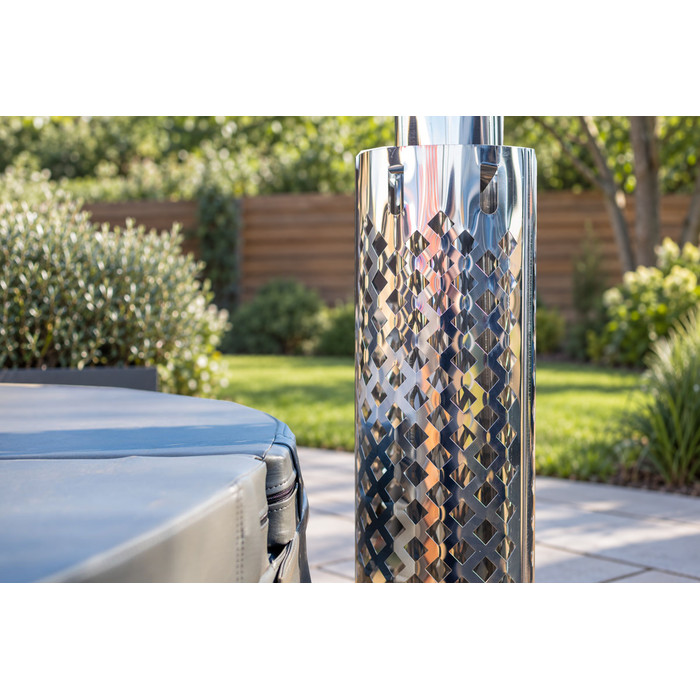
Allow a flexible window for your first session
Treat your first session as a block of time, not an appointment with a guaranteed start. List the stages you need to complete: read the model’s instructions, prepare and fill the tub, follow the heating steps, check the water, get ready to soak and finish the after-use routine. The first run can include pauses to confirm a control or reread a direction, so avoid booking something immediately afterwards. A flexible finish means you can postpone if an important check is unresolved rather than hurrying into the water.
Work back from a broad soak window, allowing extra room for stages you haven’t done before. Don’t tell guests the water will be ready at an exact hour on the basis of a guess. If you’re considering Bloomcabin hot tub Cove 2, confirm its heating type and use the matching operating routine to assess whether it suits your schedule. The model name alone doesn’t establish those details. Separate tasks that need your attention from periods when the instructions allow you to wait. Then consider your other commitments: collecting guests, preparing dinner or leaving home could make an otherwise generous window difficult to manage. Ask yourself whether you can start earlier and keep the rest of the evening open if preparation takes longer than expected. For the first session, it is more useful to leave that flexibility than to make an optimistic timetable you feel obliged to follow.
Read the instructions for the exact model
Before preparing the tub or heater, identify the exact model and find its manufacturer’s operating instructions. A general article, a neighbour’s routine or a guide for a different unit is not a substitute. When considering Bloomcabin Hot Tub Haven 6, confirm the heating type in current manufacturer information and make sure you have the instructions for that model. Read them before choosing a session date, rather than discovering the preparation requirements when everyone is ready to begin. Keep the relevant product details and manual accessible while you plan. If you use a digital copy, find the sections you will need in advance so you can return to them easily without searching through the whole document at each stage.
Read the instructions from beginning to end before the session, then note the sections you’ll need to refer to: preparation, filling order and required water level, heater operation, supervision, temperature checking and immediate after-use tasks. Look for any conditions that mean you should stop or postpone, and for the maker’s directions if something does not behave as expected. Don’t combine steps from different guides or fill gaps with assumptions. If an important part of the sequence is missing or unclear, ask the manufacturer or supplier before starting.
Check local fire information before choosing the day
Before lighting an outdoor heater, check the current fire information and restrictions for your location with the relevant state or territory fire authority and local council. Conditions and advice can change, so don’t rely on what was permitted on a previous visit or what a neighbour is doing. Don’t assume that a backyard hot tub is exempt from a restriction; confirm how the current information applies to your setup. If local advice or the manufacturer’s instructions rule out use, move the session to another day.
Choose a time when you can follow the complete operating routine without interruptions. Consider the forecast and any conditions the manufacturer says are relevant, but use official local advice rather than interpreting a general forecast as permission to light a fire. Avoid scheduling the session just before guests arrive or when you need to leave. If conditions change after you have prepared, stop and reassess rather than trying to keep to the original plan. A flexible date is part of a sensible first-use schedule.
Prepare the area and gather the required supplies
Before filling the tub, organise the space around it. Clear the route between the house and the tub of clutter, and decide where people can leave clothes, shoes, glasses and other belongings. Put towels and robes somewhere dry and easy to reach, without obstructing the heater or access to anything the instructions say you may need. If you expect to use the tub after dark, make sure the route and the area where you will prepare are adequately lit. This is simpler to sort out before the heating stage begins.
Gather the tools and supplies the manufacturer specifies for first use, including any items required for the stated water-care or temperature-checking process. Don’t substitute a product or guess at a treatment amount because it worked with another tub. When reviewing the Cove 2 product listing, distinguish what is included with the tub from anything the matching instructions require you to obtain separately. Clarify any uncertainty before setting a date, so your first session does not depend on a last-minute purchase. Group the supplies by when you will need them: preparation, water checks and after-use tasks. That gives you a practical way to notice a missing item without turning the plan into a second set of operating instructions. Keep the manufacturer’s directions alongside the supplies rather than relying on labels or memory to reconstruct the procedure.
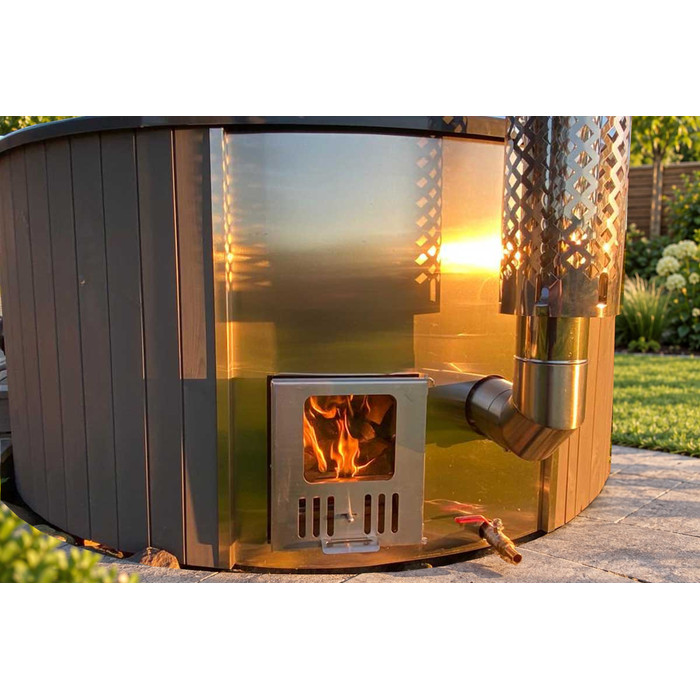
Prepare and fill the tub in the stated order
Use the manufacturer’s first-use directions to establish what must be checked before filling and in what order the tub and heater are prepared. In particular, don’t guess whether filling comes before or after any heater-related step, or what water level is required. Follow the instructions for the exact model rather than inferring details from a photograph or a similar-looking tub. Set aside uninterrupted time for preparation and filling, and pause if you discover damage, a missing part or an instruction you cannot follow safely. Resolve the question before continuing.
Follow the specified water-care directions for the initial fill. The instructions should identify whether treatment or testing is needed before use and which method to follow; don’t invent a dose, mix products or borrow a routine from another model. If the Haven 6 catalogue entry is on your shortlist, consider the preparation described in its matching instructions when assessing how much time you can set aside. Include filling and any required water-care checks in your plan, rather than counting only the heating stage. Mark the point at which each required preparation step must be complete before you continue. This helps you see where a delay would affect the rest of the session. Once the tub is filled, complete the maker’s checks before moving to heating, keeping the sequence visible rather than relying on memory.
Set aside time to attend to the heater
Before starting the heating process, make sure you understand what the manufacturer expects you to do while it is operating. Check the directions for the approved fuel and method, the level of attention required, any checks to make and what to do if you notice a problem. Decide who will carry out those tasks and make sure that person has read the instructions. When comparing Bloomcabin Hot Tub Fjord 8 with other options, confirm its heating type before assessing the operating routine. Consider the demands on your attention as well as the overall time you have available. A long afternoon is not necessarily a suitable window if it includes commitments that prevent you from carrying out required checks. Make those commitments visible in your plan before deciding when to begin.
Write down the maker’s sequence and any checks that need to happen at particular points; don’t create your own intervals or assume that every heater works the same way. Keep the manual close, and don’t begin when you know you’ll need to leave or be distracted during a required check. The goal is not to predict how quickly the water will heat, but to be available for the steps the instructions specify. If the process is unclear, pause and seek advice rather than improvising with the heater.
Plan around checks during heating
Treat heating time as a period when you may still have responsibilities, not as guaranteed free time. Follow the manufacturer’s directions on whether someone needs to remain nearby and what observations or actions are required. Don’t assume you can leave the area, take on a distracting task or hand responsibility to someone who hasn’t read the instructions. If the manual calls for checks, use a reminder to keep them on schedule, but let the written directions—not an arbitrary timer—determine what to do.
Use any time that the instructions leave free to finish low-distraction preparations, such as setting out towels or checking that the route to the tub is clear. Record readings or progress only in the way the manufacturer recommends; elapsed time on its own does not confirm that the water is ready. When reviewing the Fjord 8 listing, consider whether the supervision requirements in its matching manual fit how you want to spend the preparation period. Keep essential heating tasks separate from optional jobs on your session plan. If a required check interrupts another activity, leave the optional job unfinished rather than trying to fit the check around it. Avoid filling every apparent gap with something else to do: some flexibility is useful while you are learning the sequence and finding the relevant directions.
Check the water temperature before anyone gets in
Use the temperature target and checking method stated in the manufacturer’s instructions. If the maker specifies a separate measuring tool, have it ready and use it where and how directed. Don’t treat the time since heating began, the appearance of the water or an unverified display reading as proof that it is ready. If you’re considering Bloomcabin hot tub Aurora 10, find out how its instructions describe this check before planning the transition to soaking. Include time to take and interpret the required reading, rather than treating it as an instant final formality. Know where to find the directions for a result that is outside the stated range. This gives you a clear point at which to decide whether you can proceed or need to follow further instructions, without pressure from an expected start time.
Make the final check just before entry, after completing any other preparations that could delay you. If the reading is unclear, outside the stated range or inconsistent with the instructions, don’t guess or enter the water; follow the maker’s directions for what to do next. Check whether the manual requires further readings while the tub is in use. A temperature check made as directed matters more than matching a particular time on your session plan, because the schedule is only an estimate.
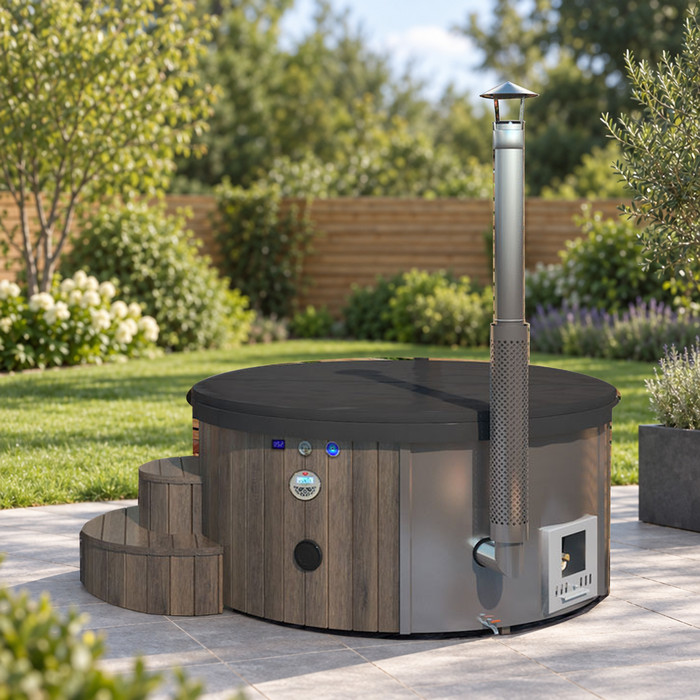
Organise the transition from preparation to soaking
Before anyone gets in, make sure the person responsible for the heater knows what the manual requires during the soak. Agree who will carry out any remaining checks and what to do if a check is missed or a problem appears. Don’t assume the heating tasks stop as soon as the water reaches the desired temperature. For a first session, keep the plan straightforward: avoid adding unrelated jobs or distractions when you still need to learn the operating routine.
Have towels, robes and personal items ready so people don’t need to search for them once they are wet. Make sure everyone knows where to enter and leave the tub, and check the manufacturer’s instructions for handling any cover or removable parts if the model has them. Discuss the after-use responsibilities before getting in, so the person completing them has enough time available afterwards. Keep any guidance on use separate from your timetable: an open evening is a scheduling choice, not a recommendation for how long to stay in the water. The aim is to make the transition from heating to soaking, and then to closing down, unhurried and easy to manage.
Allow time for the immediate after-use tasks
Before the first session, read the instructions for what to do when use is finished. Depending on the model, the directions may cover ending the heating process, handling the heater, leaving or treating the water, or draining and covering the tub. Don’t assume every task applies to your tub, or invent a sequence for cooling, extinguishing or water care. When assessing the Aurora 10 product entry, include its documented after-use routine in your comparison, rather than judging convenience only by the preparation stage. Identify which tasks require attention immediately and whether the instructions describe later tasks or waiting periods. Put those obligations in your plan before choosing a finish time. The end of the soak should not become an unexpected deadline for someone who has already arranged to leave or move on to another commitment.
Leave a buffer after the soak so you can carry out the required steps before moving on to something else. Keep the manual available, assign the tasks to someone who understands them, and follow any waiting or handling instructions exactly. If you are unsure how to complete a step, don’t guess or leave it for later without checking what the manufacturer requires. Make a short note of questions that came up during the session, then resolve them before your next use. That way, the next plan can reflect the actual instructions rather than remembered assumptions.
Frequently asked questions
How much time should I allow for my first session?
There is no reliable universal time. It depends on the model, the instructions and the conditions, and you may need extra time to check unfamiliar steps. Plan around the manual’s sequence, leave a buffer and avoid promising an exact start time based on a guess.
Should I fill the tub before lighting the heater?
Follow the sequence in the instructions for your exact model. The correct order can’t be established from a general guide or another tub’s routine. If your manual doesn’t make it clear, ask the manufacturer or supplier before starting.
How can I tell when the water is ready?
Use the temperature target and checking method given in the manufacturer’s instructions. If a separate measuring tool is specified, have it ready and use it as directed. Don’t rely on elapsed time, the heater display or touch unless the instructions say those are suitable checks.
Can I use a wood-fired hot tub during a fire restriction?
Check current information for your location with the relevant state or territory fire authority and local council before use. Don’t assume a restriction does or doesn’t apply to your heater. If official advice or the manufacturer’s instructions rule out use, postpone the session.
How do I know if this routine will suit me?
Consider whether you can set aside time for preparation, remain available for the checks required by the manual and complete the after-use steps without rushing. If you need a spontaneous, tightly timed soak, compare that routine with the documented process before choosing a tub.
Plan the first soak around the complete routine: check the exact instructions and local fire information, prepare without rushing, stay available for the prescribed checks, verify the water temperature and finish the stated after-use tasks. If an important step remains unclear or conditions rule out use, postpone rather than improvise. Once you know the sequence for your tub, you can plan future sessions around what its manufacturer actually requires.
