
How to Reduce Hot Tub Heat Loss and Running Costs in Australia
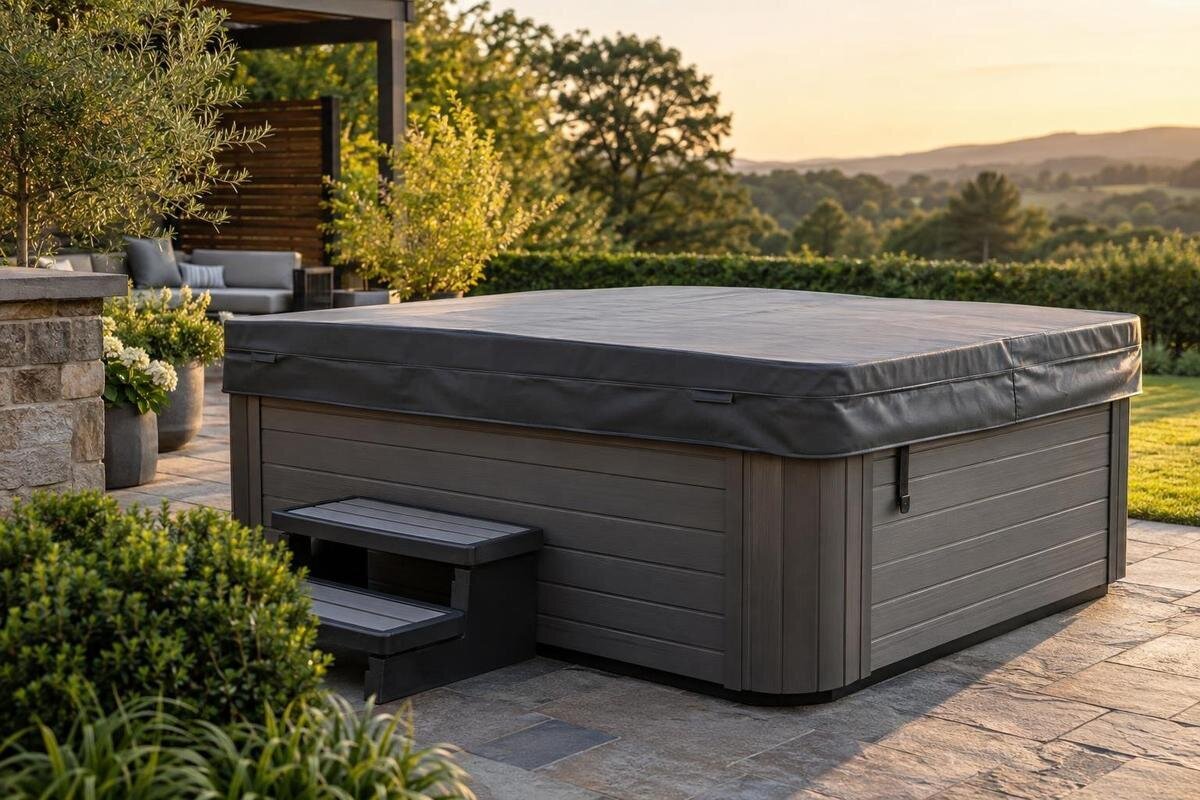
Hot tub energy use
An outdoor hot tub can lose heat through its water surface, shell and connected components, while cool air and wind can increase the rate of loss. Reducing the bill is less about guessing at one upgrade and more about identifying an avoidable loss, changing one thing at a time and checking whether the result holds. Conditions and electricity plans vary around Australia, and tubs can use different heating systems. The method below uses your own operating record and current local bill or fuel price rather than promising a particular saving.
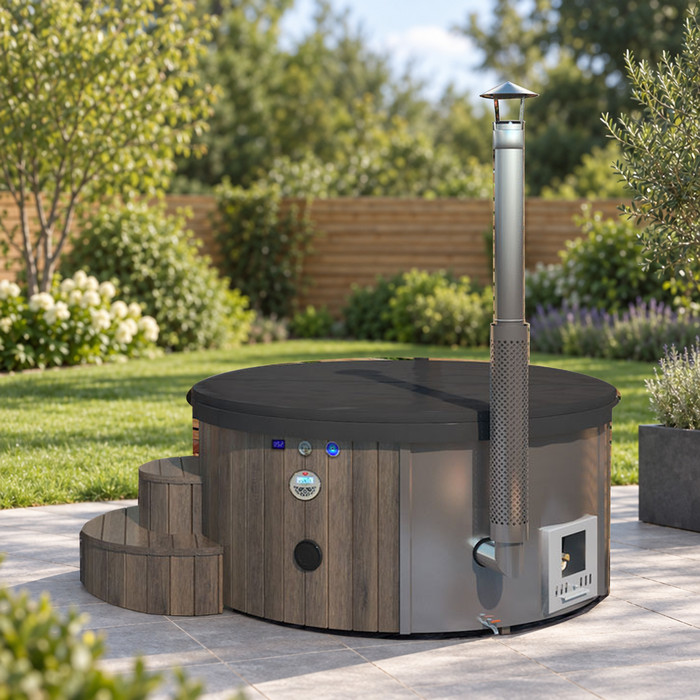
Where an outdoor hot tub loses heat
Heat leaves an outdoor hot tub by several routes, and their relative importance depends on its design and use. At the water surface, evaporation carries energy away, and heat also transfers between the water and surrounding air. Leaving the tub uncovered, opening the cover for longer than needed or having a visible gap can increase surface exchange. Wind can strip away warmed air above exposed water. These are useful places to inspect first, not evidence that the surface explains a fixed share of your bill. A cover may reduce surface losses, but it cannot compensate for poor insulation elsewhere.
Heat can also pass through the shell, base, cabinet and connected pipework, depending on the construction. Draining and refilling creates a separate heating demand, rather than the same kind of loss as keeping water warm between visits. Cooler surroundings increase the temperature difference that drives heat out, while moving air can intensify exchange at exposed parts. The amount attributable to each route varies, so a warm exterior or a high bill alone is not a reliable diagnosis. Separate routine standby use from periods after a refill, then compare like-for-like days. A consistent log and exact manufacturer information are more useful than guessing from appearance.
Establish a comparable baseline
Before changing anything, record a run of ordinary use. Note the dates, when the cover is lifted and replaced, approximate time uncovered, bathing sessions, the set temperature shown and any water changes. Record the weather around the tub, particularly overnight conditions and wind exposure, using the same source or method each time. Add the energy or fuel data available for those dates, along with the current plan or supplier price and its date. A phone note or simple spreadsheet is enough, provided the units and conditions are clear. This baseline makes it easier to see whether a change is worth investigating.
Keep the comparison fair: avoid changing the schedule, set temperature and cover routine all at once, because then you will not know which change mattered. Prospective buyers can also identify which operating details they need before estimating costs. For Bloomcabin hot tub Cove 2, ask which equipment is included and whether energy-use information is available for the proposed configuration. Retailer interval data for the whole household may help explain timing, but it does not isolate the tub. Label any tub-only number derived by estimation as an estimate, explain what the calculation includes, and keep the method consistent when you repeat it.
Check the cover’s fit and condition
Inspect the cover closed and from all sides rather than judging its insulation by appearance. Check whether it sits evenly on the rim, whether there are obvious gaps, and whether the centre sags or the edges look distorted. Look for tears, worn seams, and damaged straps or latches where fitted. Note any sign that the cover has become unusually heavy or waterlogged. Photograph a concern and ask the supplier what it may indicate; do not assume every tub uses the same shape, seal or fastening arrangement. An intact-looking cover can still fit poorly, while a bulky one does not prove its insulation performance.
If the cover does not sit properly or is visibly deteriorated, first check the care and replacement guidance for the exact tub. Do not add improvised layers or extra weight unless the manufacturer confirms they are suitable; an incompatible addition may fail to address gaps or interfere with the cover’s intended use. For Bloomcabin Hot Tub Haven 6, the product name alone does not establish whether a cover is included or what replacement would fit. Ask the seller to confirm the cover’s fit and any relevant specifications for that exact model. A verified repair or compatible replacement is easier to assess than an untested workaround.
Find out what the insulation actually covers
Insulation is not always one simple feature. Depending on the design, heat may pass through the tub shell, base, cabinet or pipework, and a description that mentions insulation may not explain which parts it covers. An exterior panel or finish is not, by itself, evidence of how the tub is insulated. For an existing hot tub, look for the original product information or ask the manufacturer about the construction. For a prospective purchase, seek specific documentation rather than inferring performance from the model name or a general marketing phrase.
Ask whether any published insulation information applies to the walls, base and connected components, and whether energy-use figures were measured under stated conditions. If considering a retrofit, get confirmation that it is designed for the exact tub and will not interfere with access or other manufacturer requirements. For Bloomcabin Hot Tub Fjord 8, treat insulation coverage and any compatible additions as open questions until supported by current product documentation. Insulation that cannot be verified is not a sound basis for forecasting a lower bill, even if an upgrade sounds plausible.
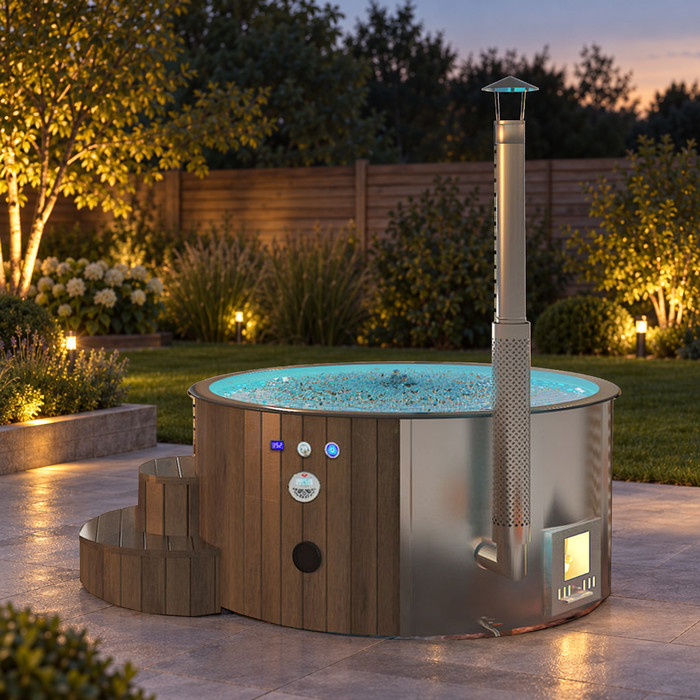
Assess wind and local weather exposure
The conditions around the tub matter as much as the broad season. Australia includes many different weather patterns, so a general winter or summer assumption will not describe every backyard. Note whether the tub is exposed to prevailing winds, whether nearby buildings or existing landscaping provide shelter, and what overnight conditions are like during the periods you use it. Wind can increase heat exchange around exposed surfaces and can make gaps in a cover more significant. Cooler air also increases the temperature difference between warm water and its surroundings. Compare local conditions rather than relying on another owner’s experience in a different setting.
A sheltered position may reduce wind exposure, but do not assume that a new screen or enclosure is automatically suitable. Check the manufacturer’s siting guidance and preserve any specified access or clearance; consult a qualified professional if a proposed change affects the installation. For a prospective purchase such as Bloomcabin hot tub Aurora 10, ask for the siting instructions for that exact tub and compare them with your actual location. Do not treat a product listing or a sheltered setting as proof of a particular energy saving. Record wind and overnight conditions when comparing usage so that a weather change is not mistaken for an upgrade result.
Match heating controls to your routine
Check what the controls actually do before changing a setting. A thermostat, timer or economy mode may affect the target temperature or the times when heating is allowed, but the behaviour varies by system. Read the manual for the exact tub and controller rather than assuming that a button labelled “economy” has a standard meaning. A lower target can reduce the temperature difference driving heat loss, but it also changes readiness for use and may shift when heating occurs. There is no single setting that suits every household, heating system or pattern of use.
Test one manufacturer-approved setting at a time and record how it changes energy or fuel use alongside your routine. If you are away, follow the maker’s instructions for standby or shutdown instead of disabling components or using an improvised timer. For Cove 2 from Bloomcabin, ask which controls are supplied and how their settings affect heating between sessions. This helps you assess whether the available settings suit the times you normally use the tub. If a seller describes a control as energy-saving, ask what it changes and under what conditions the claim applies. Compare that explanation with your own operating record.
Limit avoidable heat loss during everyday use
The time a tub is uncovered is one routine factor you can control. Keep the cover closed when the tub is not in use, and replace it as the manufacturer directs after a session. This limits the period when warm water is exposed to the air and reduces evaporation from the surface. If several people are using the tub, organising the session so the cover is not repeatedly opened and left off may help reduce unnecessary exposure. Do not compromise required water care or the maker’s instructions just to shorten open time; the aim is to avoid leaving the water uncovered without a reason.
Use habits interact with heating settings, so changing how often you use the tub may alter both the time it sits warm and the number of heating periods. Using it several times close together is not automatically cheaper: keeping water warm between sessions can have a different cost from following an approved lower standby setting. For Haven 6 hot tub from Bloomcabin, check the operating instructions when deciding how to manage the gaps between sessions. Consider whether your priority is readiness for frequent use or a routine with longer breaks. Keep that distinction clear in your records, rather than comparing two periods as though the tub had been used in the same way.
Compare compatible changes with routine adjustments
A remedy should match a loss you have actually identified. Correcting a cover that does not sit properly, using an approved replacement, reducing wind exposure or considering a documented insulation upgrade are different interventions, not interchangeable solutions. Availability and compatibility depend on the exact tub. Ask the seller or manufacturer to confirm whether an option is supported, which part of the tub it addresses, whether fitting is required and whether it affects access for servicing. Avoid buying an add-on on the strength of a general claim that it suits hot tubs; that does not establish that it addresses the problem you have observed or is appropriate for yours.
Compare the full cost of a proposed change, including any fitting or ongoing care, with a no-cost adjustment such as closing the cover promptly or using a documented control setting. Change one thing at a time and repeat the baseline record under comparable conditions. For Fjord 8 hot tub from Bloomcabin, ask for written confirmation of any compatible heat-retention upgrade before including it in a cost comparison. If an upgrade and a new routine are introduced together, a lower bill will not show which one made the difference. Keep unverified benefits out of the calculation.
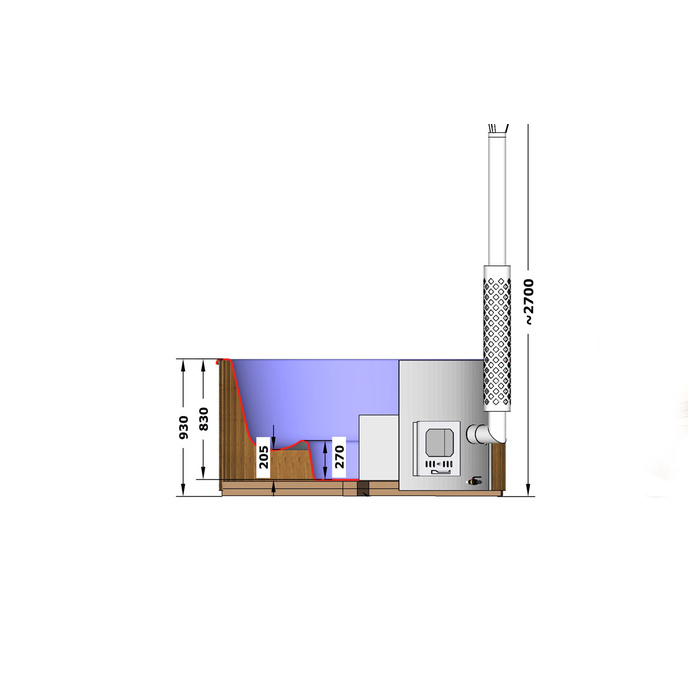
Use current local prices to compare costs
For an electric system, compare measured hot-tub electricity use with the usage rate on your current plan: cost equals kilowatt-hours used multiplied by the applicable price per kilowatt-hour. If your plan has time-of-use rates, match consumption to the relevant periods rather than applying one convenient rate to every hour. Use the variable usage charge, not the daily supply charge that would apply whether or not the tub is running. Whole-house readings include other appliances, so identify tub consumption from suitable data or clearly label a whole-house comparison as an estimate.
For a fuel-fired system, first verify the heater type, then multiply the quantity used by a current local supplier price for the same unit, including delivery where relevant. Do not assume a model’s heating system from its name. For Aurora 10 from Bloomcabin, confirm the exact system and any documented consumption before choosing an electricity or fuel price. Record the date and source of each rate, plus weather, initial water condition, target setting, cover-open time and usage pattern. Compare the full purchase and fitting cost of an upgrade with the estimated annual reduction for a simple payback figure; it is an estimate, not a saving guarantee, and rates or use may change.
Verify heat-retention details before buying
Ask for product information that answers practical questions about the exact model: what heating system it uses, whether a cover is included, what parts are insulated, how the controls behave and whether any heat-retention upgrades are compatible. If energy-use data is published, check what it measures and the conditions behind it, including the target setting, weather and usage pattern where stated. Request clarification when a listing uses broad terms without explaining their scope. A product name establishes identity, not dimensions, heating performance, insulation construction or expected running costs.
Compare products on the same basis and keep unknowns visible. One listing may provide more detail than another, but missing information is not evidence of poorer performance or a reason to invent an advantage. Ask the supplier to confirm any cover inclusion, fit, control function or add-on in writing for the model and package you are considering. Then compare documented features with your location, routine and current local energy or fuel price. If there is no reliable consumption figure, base a budget on clearly labelled assumptions and leave room for uncertainty rather than treating a forecast as a fixed bill.
Frequently asked questions
Where should I look first for heat loss?
Check the water surface and cover fit first, then consider the tub’s insulation, exposed pipework and wind exposure. A consistent usage and energy record helps identify a likely cause; appearance alone cannot show which route accounts for most of the loss.
Does a thicker-looking cover mean lower running costs?
Not necessarily. Appearance does not confirm insulation performance, fit or compatibility with your exact tub. Check documented details and the cover’s condition, then compare energy use under similar weather and usage conditions.
Should I switch the heater off between uses?
There is no universal answer. A lower setting or shutdown may reduce standby heating, but the cost and operating implications depend on the heating system and the maker’s instructions. Compare approved settings using your own usage and energy data.
How do I compare costs using Australian energy prices?
Use the current usage rate on your electricity plan or the current local price for the fuel your verified system uses. Match the price unit to measured consumption, and note the dates, weather and operating pattern behind the estimate.
How can I tell whether an upgrade will pay for itself?
Compare its purchase and fitting cost with a measured, like-for-like reduction in variable energy or fuel spending. Divide the upfront cost by the estimated annual reduction for a simple payback estimate, but treat the result as uncertain rather than guaranteed.
The best first change is the one that addresses a loss you can observe and that the manufacturer confirms is suitable for your tub. Record the baseline, check the cover and documented features, then compare a single adjustment under similar conditions. Use the current rate for your verified heating system and keep weather and use assumptions visible. When the available data cannot isolate the tub’s consumption, report the result as an estimate—not a guaranteed saving. That approach helps avoid paying for an upgrade whose benefit has not been demonstrated in your setting.
