
How to store a garden shed kit before assembly
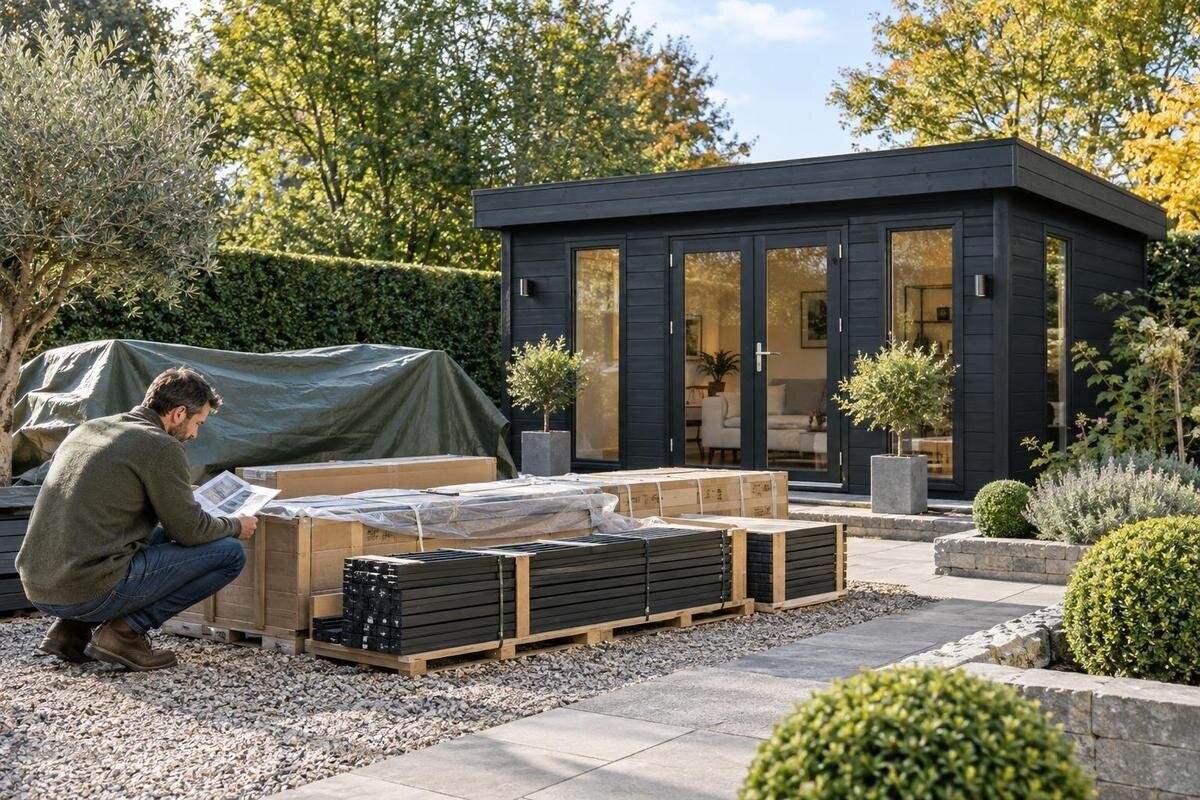
Garden shed storage
Getting a garden shed kit home is only part of the job; it may need to wait for a suitable assembly window. Storage conditions during that gap can affect whether packages stay clean, dry and easy to identify, while poor stacking or repeated handling can create avoidable damage. Plan the holding area before you order, confirm package details with the supplier, and keep the manufacturer’s instructions with the kit. The aim is not to create a special storeroom: it is to give the components a stable, sheltered place and a clear route to the assembly area until you are ready to begin.

Reserve a storage space before you place an order
Treat storage as part of the purchase plan, not a job to solve once delivery is on its way. A kit’s packaged footprint can differ from the completed shed’s footprint, and several cartons may need to stay together. Before choosing a model or placing an order, identify a space that can remain dry and secure throughout the likely wait. Measure the usable floor area, doorway and access route, then leave clearance to inspect or move cartons without dragging them over wet ground. Don’t estimate package dimensions from finished-product measurements; ask for the packed dimensions and weights of every parcel. This tells you whether the proposed space is suitable for more than a brief stopover.
Think about how long the kit might need to wait, not just where it could sit overnight. A space that works for a short stop may not suit a delay through changing weather. Consider whether cars, gardening or household storage could bump or cover the cartons, whether irrigation could reach them, and whether the route to the assembly area will stay clear. When reviewing the Verdana 1 garden house listing, use the page to identify the product you mean, then request the actual package and storage details. The model name alone does not tell you how much room the shipment needs.
Confirm the package details with the supplier
Before settling on an order, ask for a packing summary: the number of cartons, the packed length, width and height of each one, and its weight. Confirm whether the delivery may arrive in separate consignments and whether particular cartons need to stay together. Ask about any orientation markings, stacking restrictions, lifting guidance and instructions for keeping the original wrapping in place. Don’t infer these details from a product photograph or the completed shed’s footprint. Check the measurements against both the storage space and the route into it, including any narrow gate, low doorway or turn where a parcel might be difficult to manoeuvre.
Ask how long the kit can remain packaged in the conditions you can provide, and whether its materials call for particular care around moisture, heat or sunlight. A covered bay can still become hot or humid, so it is worth asking about more than rain protection. If your assembly date is uncertain, explain that before ordering and ask what options are available if the wait becomes longer than planned. While considering the Verdana 2 garden house page, treat product information as a starting point and confirm any storage or handling details that are not stated there. Keep the supplier’s response with the order documents.
Choose a sheltered, dry holding area
Choose a roofed, sheltered place that stays dry during rain and is not already used for wet equipment. Look beyond the roof itself: wind-driven rain, a leaking gutter or water running across the floor can still reach a package. Keep the cartons away from sprinklers, hoses, drains, damp soil and likely splash zones. A covered outdoor space is not automatically suitable for long-term storage. If you have only an exposed or partly covered area available, ask the supplier whether the specific packaging and kit may be stored there before deciding to leave it in that spot.
Shade and protection from direct weather can also help keep storage conditions more consistent. Avoid placing packages where they will sit in strong sunlight, close to a heater or beside equipment that creates heat or moisture. Allow some room to see and reach the cartons rather than wedging them behind other belongings. The page for the Durano garden house listing identifies a product to ask about; it does not, by itself, say whether its packages can be stored outdoors. Check the instructions for the actual kit, especially if your only option is a covered but unsealed area.
Keep packages stable and limit dampness
Use a dry, level and stable surface, with support arranged as the supplier directs. Where the instructions permit, keep cartons clear of soil or a floor that can become damp. Broad, stable support is less likely to let a parcel rock than small improvised blocks, but don’t raise or prop packages in a way that could make them shift or fall. Keep the arrangement away from drains, doorways and places where water pools. If your only available floor is uneven or regularly gets wet, look for a better location or ask for an approved way to store the kit rather than improvising.
Moisture can also collect around packages when humid air meets cooler surfaces. Leave enough space to inspect the cartons and allow air to circulate; don’t wrap them so tightly that dampness is trapped. If you use an outer cover, make sure it does not collect rainwater or blow loose, and follow any directions about the original packaging. Check the area after wet weather for water underneath or a cover that has shifted. A listing such as the Veltor 1 product page cannot replace the supplier’s instructions on suitable support or covering for the actual shipment.

Follow the storage needs of the supplied materials
Read the care and storage instructions for the materials actually supplied. A garden shed kit may contain different kinds of components, and timber, metal, glazing or composite parts, if included, may respond differently to moisture, heat, sunlight and handling. Keep packages away from water, direct heat and chemical spills, but don’t apply oil, stain, paint, cleaner or preservative simply because a carton looks unprotected. A treatment that suits one surface may not suit another. If wrapping is torn, ask how to protect the contents rather than sealing them in a new layer without checking ventilation guidance.
Product titles and images are not a substitute for instructions about how a specific kit should wait before assembly. For example, the Orello 1 garden-house page can help identify the product you are considering, but its name or appearance does not establish how its components should be stored. Check the materials and assembly information supplied for your order, and ask the supplier in advance if the storage guidance is not available. Keep protective layers in place where the instructions call for them, and avoid leaning loose components against one another if that could mark or damage a surface.
Prevent cartons from shifting or being stacked unsafely
Unless the packaging or supplier’s instructions explicitly permit stacking and explain how to do it, keep cartons side by side. Don’t place household items, tools or building materials on top: the added pressure can damage a box or conceal a problem inside. Keep packages stable, avoid leaning them against objects that could move, and leave labels visible. Store them away from doors, vehicle paths and busy work areas where a bump could shift the arrangement. If the instructions describe a particular orientation, follow the markings rather than turning packages to make them fit more conveniently.
Plan how you will move each parcel before it arrives, and don’t drag it across a rough or wet surface. Check the stated weight and handling guidance first. If a package is too heavy or awkward for you to move safely, get appropriate help rather than attempting it alone or lifting by straps that are not identified for that purpose. When looking at the Modano 1 listing, use it to identify the product, then ask the supplier for its packed weights and handling instructions. Those details are more useful for storage planning than assumptions based on the completed shed.
Keep parts, labels and instructions together
Use the package labels and any packing list or assembly documents to keep the kit organised. Keep the paperwork with the cartons, along with your order reference, and note which cartons belong to the same product. If the supplier provides a sequence or package numbering system, preserve it instead of rearranging everything for convenience. This makes it easier to find the right parcel later and to spot a missing package before assembly begins. A simple note on the storage area can also remind other household members not to move or separate the kit.
Avoid opening every carton just to see what is inside. If an inspection or the supplied instructions require you to open one, work on a clean, dry surface and keep its contents grouped with the original label. Photograph the label and the arrangement before removing parts, and put any loose fittings in a separate, clearly labelled container. Don’t write directly on finished surfaces or stick tape to them. Before ordering, check what information is available for the M timber garden shed page and ask how the delivered components should be identified and kept together.
Inspect the shipment and record any damage
Inspect the outside of each package as soon as it is practical to do so. Look for punctures, crushed corners, torn wrapping, water marks or labels that are difficult to read. Photograph any concerns with the package label visible, and keep the order details and delivery paperwork. Avoid throwing away cartons or protective material while you are checking the shipment or waiting for advice. External damage does not always show what has happened to the contents, so record what you can see without assuming that the parts are either damaged or unaffected.
If the instructions allow an internal check, compare the contents with the supplied list and keep components from different cartons separate. Note anything missing or damaged and ask the supplier how to proceed before assembling or altering affected parts. Follow the reporting process given for your order rather than relying on an assumed deadline. Before buying, use the Timber Tool Shed S listing to identify the product you are considering, then confirm directly with the supplier how to report an issue if a package or component arrives damaged.

Check the kit while it is waiting
If assembly is delayed, keep an eye on the storage area as well as the cartons. Check for dampness, a cover that has shifted, water pooling underneath, labels becoming detached or packages that have moved. Recheck after severe weather and at sensible intervals during a longer wait, following any inspection advice from the supplier. You do not need to unpack everything each time: look at the outside and the surrounding space, and open a carton only when the instructions or a concern calls for it.
Keep the kit separate from wet hoses, garden equipment, household items that may spill, and anything likely to be stacked on top of it. If the storage area is shared, mark the parcels as part of one order and let others know they should not be moved or covered. If the space becomes damp, exposed or unsafe, plan a careful move to a better location before the packages are affected. Check the new spot against the supplier’s storage advice rather than assuming that any sheltered corner will do.
Move from storage to assembly in a controlled way
Before moving the kit to the assembly area, make sure that area is ready to receive the packages and that you can keep parts protected while you work. Use the carton labels or sequence in the instructions to bring forward the relevant packages, rather than unpacking everything in advance. Keep components covered and grouped if assembly has to pause. If weather or other conditions mean the parts cannot stay dry and organised at the work area, keep them in their storage place until you can handle them appropriately.
As you unpack, check components against the supplied instructions and watch for signs of damage or missing parts. Don’t try to correct a problem by applying direct heat, chemicals or a treatment that the manufacturer has not recommended. If a package or component has become wet, altered or damaged in storage, ask the supplier how to proceed before assembly. Avoid forcing a part that appears damaged or does not match the instructions. This final check helps carry the care taken in storage through to the start of the build.
Frequently asked questions
How long can a garden shed kit stay in storage?
There is no safe period that applies to every kit. It depends on the supplied materials, packaging and storage conditions. Follow the manufacturer’s instructions and ask the supplier how long the kit can wait in the space you have available, particularly if your assembly date is uncertain.
Should I leave the cartons unopened?
Follow the instructions supplied for the kit. Keeping cartons closed can help keep parts grouped and protected, but you should still inspect the outside packaging and check any required inventory. If you need to open a carton, keep its labels and parts together and replace the protective packing as directed.
Can I store a garden shed kit outside?
Only if the supplier’s instructions allow it and you can keep the packages sheltered, stable and dry for the whole wait. A tarp alone may not prevent wind-driven rain or trapped moisture. Ask the supplier what cover, support and ventilation are suitable for the specific kit.
Is it safe to stack the cartons?
Do not stack them unless the packaging or supplier’s instructions say that stacking is permitted and explain how to do it. Keep packages stable, avoid placing other items on top and leave labels visible. If the instructions are unclear, ask the supplier rather than guessing.
What should I do if a carton gets wet or damaged?
Photograph the carton and its label, keep the order details and packaging, and contact the supplier for advice before assembly. If the instructions allow you to inspect the contents, note any damage or missing parts without mixing components from different packages. Don’t try to dry or treat parts with heat or chemicals unless instructed.
A garden shed kit is easier to protect when you plan its storage before it arrives: choose the holding space, get the package details and understand the supplier’s instructions for shelter, support and handling. Keep cartons stable and identified, check them during the wait, and unpack only when you can protect the parts and follow the assembly guidance. That preparation makes the gap between delivery and assembly more manageable without guessing about the kit’s needs.
