
Inflatable vs rigid hot tubs: which suits long-term use?
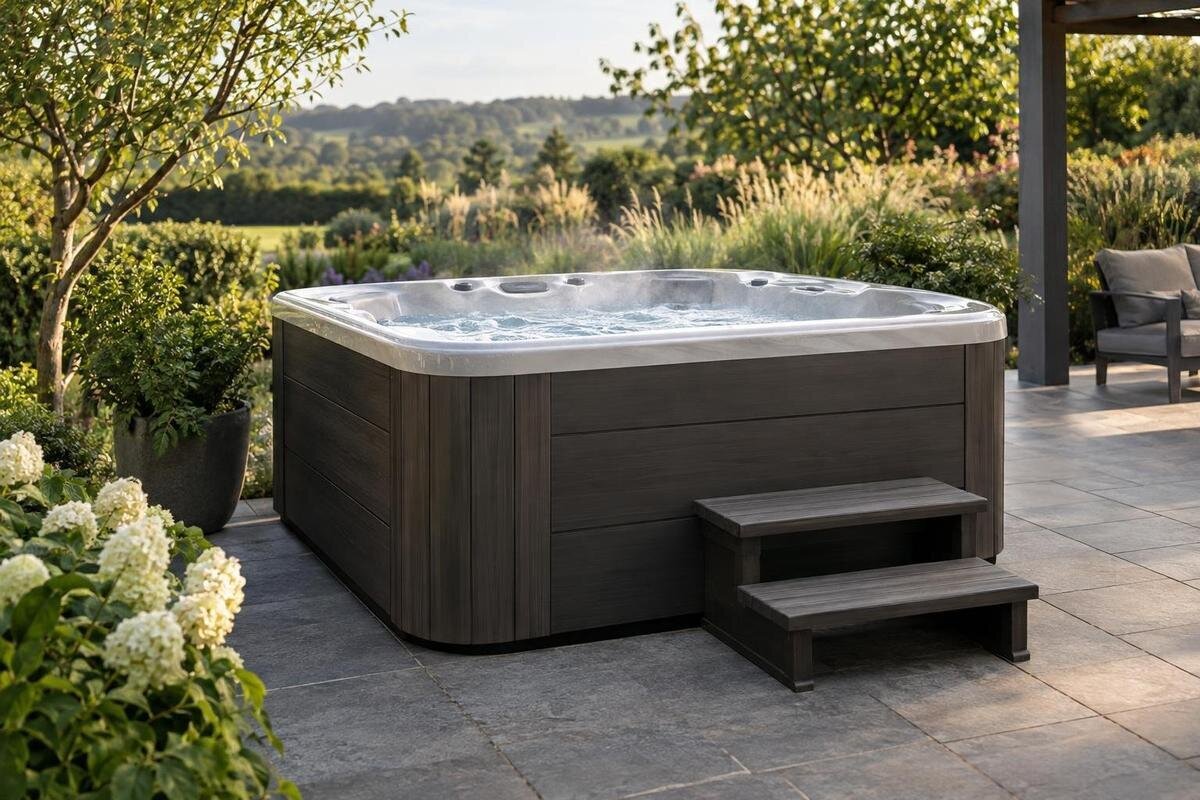
Long-term hot tub ownership
For long-term use, the choice between an inflatable spa and a rigid hot tub is less about which category wins and more about what you are willing to manage. One may suit a household that values being able to put its spa away; another may fit a space where it can stay assembled and be used regularly. Purchase price is only one part of ownership: set-up, care, parts access and after-sales support also affect value. Compare verified details for the exact model with a realistic picture of your routine.
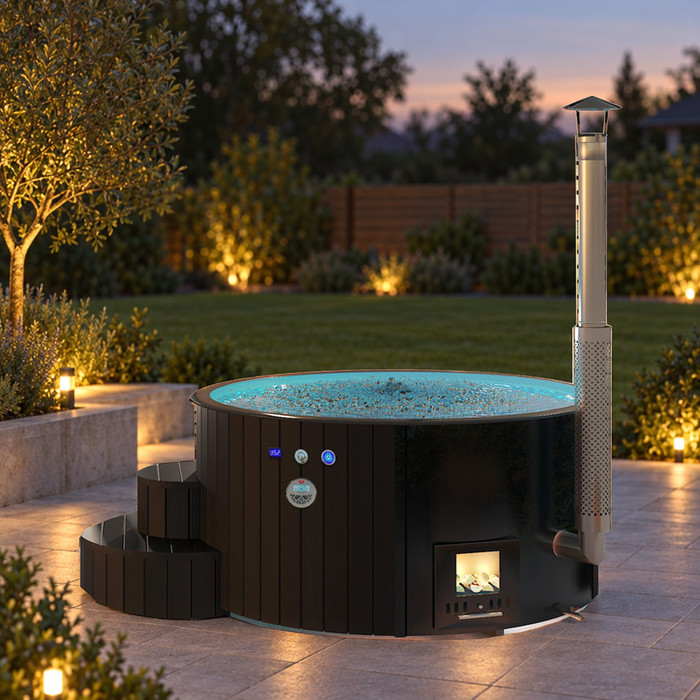
How inflatable and rigid hot tubs differ
Inflatable and rigid (often called hard-shell) describe broad formats, not a quality ranking. An inflatable spa has a flexible body inflated for use; a rigid spa has a fixed-form body. That difference can affect how you prepare it, where it stays between sessions and what kind of repair support you might need. It does not establish the materials, included equipment, expected service life or repair cost of any individual model. Those details vary by product. Check the current specification and manufacturer’s manual for each candidate rather than inferring facts from a catalogue name, photograph or category label.
An inflatable model may be designed to be deflated and stored, but follow the exact model’s instructions; storage still means making room for the packed spa and any accessories, then repeating set-up when you want to use it. A rigid unit generally remains assembled, avoiding that recurring job but occupying space between sessions and being less convenient to relocate. The distinction matters if you use the spa intermittently, may move home or need the outdoor space for other things. Neither format automatically means less effort overall: consider the tasks before, during and after a typical session.
Compare purchase price with the cost of ownership
Start with the current Australian price for the exact model and configuration, including delivery to your address and anything charged separately for set-up or accessories. Compare like with like: a low headline price may not include items you need, while a package may include extras you would not choose. Record the date and inclusions beside each quote instead of assuming inflatable models cost less. Add the Cove 2 product listing to your comparison once you have identified the version and package being offered. Keep the upfront total separate from recurring expenses so you can see both what you need to pay now and what you would need to budget for later. If one option costs more initially, identify what that extra spending actually provides. Decide whether those inclusions matter to your ownership plans rather than treating a higher price as evidence of better long-term value.
Then estimate ownership costs across the period you actually expect to keep the spa. Relevant variables can include care supplies, replacement filters where fitted, energy or fuel, water treatment, servicing, parts, storage and paid help. Use the product’s care instructions and current quotes rather than a generic estimate. Keep your own time as a separate consideration unless you apply a consistent value to it. Add confirmed costs and clearly labelled allowances; do not treat an assumed lifespan or future resale price as certain. This makes the comparison useful without pretending to know costs that depend on your use and location.
Plan for set-up, storage and space between uses
Storage can make an inflatable format appealing when you need to clear the area between uses, but putting it away is not the same as having no storage demands. Check the manufacturer’s directions for packing and storing the spa, and allow space for the packed item and its accessories. Consider how often you would repeat those steps and whether you have a suitable place to keep everything. If the routine sounds manageable only when you imagine doing it once, account for the effort each time you plan to use the spa.
A rigid spa typically stays assembled, so think about the space it will occupy when it is not in use, as well as access for routine care and servicing. Moving it later may need extra help, so obtain a quote if that possibility matters to your plans. When considering the Haven 6 model, confirm its set-up and storage requirements before deciding how it would fit your routine. Compare two realistic arrangements: leaving the spa in place between uses, and putting it away whenever you need the area for something else. For each arrangement, consider where accessories will go and who will handle the work. If you share the outdoor space, agree on how often it needs to be cleared. The ability to store a spa is useful only if its packing requirements and your available storage space make that arrangement practical.
Match the format to how often you will use it
Frequency changes the balance between convenience and effort. If you expect to use a spa regularly, repeatedly preparing it may become a reason to skip a session; keeping a rigid model assembled could avoid that particular job, if a permanent space suits your household. For occasional use, weigh the preparation and packing effort against the benefit of freeing up the space between sessions. These are trade-offs to test against the exact product instructions, not promises that one format is always easier.
Estimate use realistically rather than counting every session you hope to have. Consider who will do the preparation and care, how your routine changes during holidays or colder months, and whether other household members will use it. You can estimate cost per session by dividing ownership costs by a conservative number of uses, while keeping uncertain repairs separate. Apply the same calculation to every option, including the Fjord 8 listing, using the same planned ownership period. Then repeat it with fewer sessions to see whether the purchase would still feel worthwhile. This is a way to test your budget, not a prediction of future use or a reason to use the spa more often than you want to. Keep convenience alongside the calculation: a lower estimated cost per session will not resolve a preparation routine you already know you are unlikely to maintain.
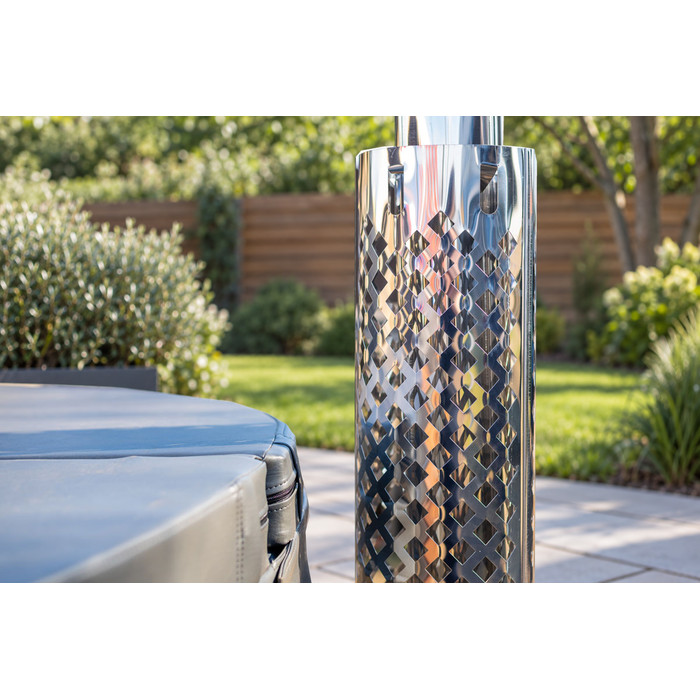
Compare care requirements over time
Every hot tub needs routine care, but the tasks, supplies and instructions are product-specific. Check the current manual for water-care requirements, cleaning, any filtration components, and what to do when the spa will be unused for a period. Do not transfer a method from another model just because it has the same broad format. This matters for long-term ownership because a routine that is awkward to follow, or supplies that are difficult to obtain, can make a seemingly suitable purchase less practical.
Compare the frequency of the stated tasks as well as their likely cost. Ask what needs regular attention, what may need replacing and which jobs call for a service person rather than an owner. Include seasonal storage or restart tasks only where the manufacturer’s instructions call for them. When reviewing the Aurora 10 product page, use the exact model’s care requirements to build a realistic picture of the work involved. Separate tasks associated with each use from those required at stated intervals or during periods without use. That distinction helps you compare occasional ownership with regular use without assuming that fewer sessions remove all upkeep. Agree on who will handle each task and consider how it will be managed when that person is away. A manageable routine matters more than a vague description such as easy-care, and it should remain manageable after the novelty of the purchase has worn off.
Check repair options and spare-parts access
Repair needs depend on the product. For a flexible body, ask what repair method the manufacturer supports for a puncture or leak. For a fixed-form spa, ask how faults such as shell damage or problems with operating components are assessed and serviced, where applicable. These are questions to investigate, not claims about a particular model or proof that one format is easier to fix. Find out which repairs an owner may undertake, which require a service person and whether help is available in your area. Avoid relying on a generic repair kit or advice intended for another product.
Before buying, ask about replacement parts, their cost and availability, and how to arrange a repair if something fails. For Bloomcabin hot tub Cove 2, establish who would assess a fault and how you would obtain a model-compatible replacement part. After a fault occurs, compare a diagnosis and written repair quote with the total cost of replacement. Separate the cost of fixing the identified problem from any other work you are considering, so the comparison stays clear. Include parts, labour and any applicable transport costs, and check whether warranty coverage affects what you would pay. Also consider how long you are prepared to be without the spa. Money already spent on the purchase does not, by itself, make another repair worthwhile. A repair may suit your plans when appropriate parts and service are available at an acceptable cost; otherwise, replacement may be the practical option, regardless of age.
Read warranty and after-sales terms closely
A warranty is a set of coverage terms, not a promise of the product’s total service life. Check which parts are covered, what exclusions apply, how long coverage lasts, when it begins and what evidence or steps are required to make a claim. Also clarify who handles the claim and whether service, labour or transport is included. Do not assume the same terms apply to every component or every model; read the current documents for the exact product you would buy.
After-sales support also affects whether a repair is realistic several years into ownership. Ask who provides help in Australia, how to request service, whether replacement parts can be ordered and what happens if a model or component is no longer supplied. When considering Bloomcabin Hot Tub Haven 6, distinguish the warranty claim process from the help available for paid repairs outside that coverage. For each, establish whom you would contact, how the fault would be assessed and whether you would need to arrange transport or a service visit. A general promise of support does not answer those practical questions. Keep the model details, purchase record and relevant support contacts together so you can identify the product when seeking help later. Current support arrangements are useful information for comparing ownership options, but they should not be treated as a guarantee that every part or service will remain available indefinitely.
Look for evidence behind durability claims
Treat broad phrases such as long-lasting or all-weather as claims to verify, not as a lifespan estimate. If a seller or manufacturer gives a service-life figure, look for the evidence behind it and the conditions it assumes, including use and maintenance. A warranty can show what is covered for a stated period under its terms, but that period does not by itself establish how long a spa will remain usable. Reviews can provide individual experiences, though one owner’s outcome does not guarantee yours.
Use information that applies to the exact model and version: current specifications, care instructions, repair guidance and parts availability help show what ownership may involve. A material description alone cannot prove lifespan, and a general statement about inflatable or rigid spas may not apply to the product you are assessing. Consider durability statements for Bloomcabin Hot Tub Fjord 8 only where they clearly relate to that model. Keep evidence about condition separate from evidence about serviceability: an account of a spa remaining usable does not necessarily tell you how a future fault could be repaired. Likewise, a successful repair in one owner’s circumstances does not establish the cost or availability of that repair for you. If the basis for a lifespan claim is unclear, leave the figure out of your cost comparison. You can still compare known care obligations and repair arrangements without assigning an unsupported replacement date.
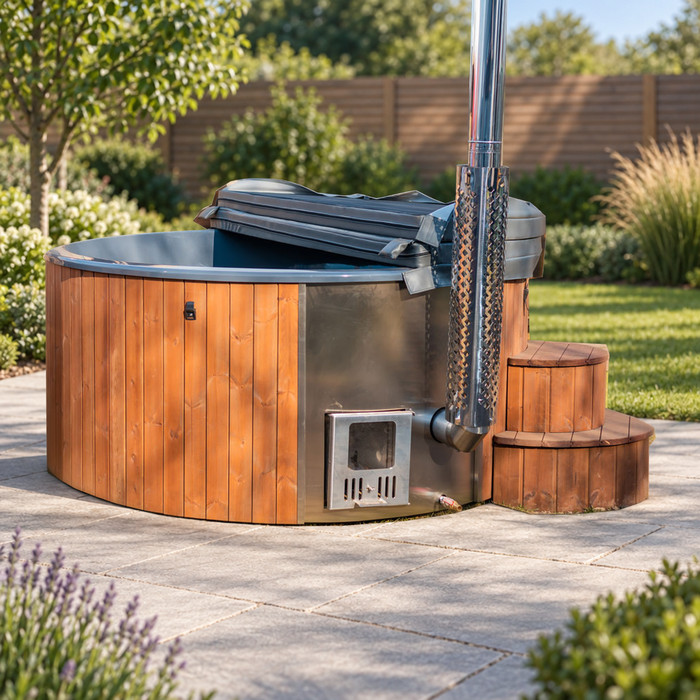
Choose the format that fits your plans
An inflatable spa may suit you if you value being able to store it between uses and are prepared to follow its set-up and packing routine. That advantage matters less if you expect frequent use and know repeated preparation will put you off. A rigid spa may suit a household with a suitable permanent space that wants to avoid that particular task. But keeping a spa assembled does not automatically mean fewer care jobs, easier repairs or longer service life; check each point for the specific model.
Think about how long you expect to stay in your home, whether you might need to move the spa and what you would do if you stopped using it. For a move, check whether the product can be handled or stored as you intend and obtain a quote for any help needed. Do not count on resale value without a sound basis for it. Apply these questions to the Aurora 10 model as well as every other candidate. Compare the purchase under your current plans and under one plausible change, such as moving sooner or using it less often. Identify which costs and tasks would still be acceptable in either case. This can help distinguish a genuine need for storage flexibility from a preference that is unlikely to affect ownership. It also avoids paying for a permanent arrangement simply because it suits an idealised routine rather than the one you expect to follow.
Confirm the details for the exact model
Before deciding, put the same information side by side for each candidate: verified format and specifications, current price and inclusions, manufacturer’s care and storage instructions, likely recurring costs, parts availability, repair arrangements and warranty terms. Add your realistic use pattern and the space you can keep available. Mark every unanswered item clearly instead of treating missing information as a zero cost or a positive feature. This turns a broad inflatable-versus-rigid comparison into a practical assessment of the products you could actually own.
A sensible choice is the one whose costs, tasks and support arrangements remain acceptable for as long as you plan to own it. If type, care instructions or repair options are unclear, ask for model-specific information before relying on a category assumption. If your plans change, review the same factors rather than deciding by a predicted lifespan that no one has established. The outcome may be an inflatable spa for one household and a rigid one for another; the useful result is knowing why the trade-offs suit your routine.
Frequently asked questions
Is an inflatable spa always cheaper to own?
No. The total depends on the current purchase price, setup, care, energy or fuel, storage, repairs and parts support. Compare actual costs for the models you are considering over a stated period rather than assuming one format is cheaper.
Do rigid hot tubs last longer?
Not automatically. Service life depends on the individual model, its use and its care. Look for evidence that applies to the exact version, and check its maintenance instructions, warranty terms and repair support. A category label is not a lifespan guarantee.
Can an inflatable hot tub be repaired if it punctures?
Possibly, but the supported repair method and availability of parts or service vary by model. Ask the manufacturer or seller what repairs are appropriate and whether they affect warranty terms; do not assume a generic patch kit will suit it.
What should I include in an ownership-cost comparison?
Use the current price and inclusions, delivery or setup costs, care supplies, energy or fuel, storage, servicing and likely parts or repairs. Label estimates, use a realistic holding period and keep uncertain resale value separate.
Is a rigid spa better for frequent use?
It may suit you if avoiding repeated set-up matters and you have space to keep it assembled. But frequency alone does not settle the choice: compare care tasks, repair support, costs and the exact model’s instructions.
The most practical long-term choice is the one whose care, storage and repair route you can manage—not the one with the most reassuring category label. Put the current price beside the exact model’s instructions and support terms, then weigh them against how often you expect to use the spa. That comparison will show whether an inflatable or rigid format makes sense for your household.
