
How to Inspect a Garden Shed After Strong Winds or Heavy Snow
Garden shed inspection
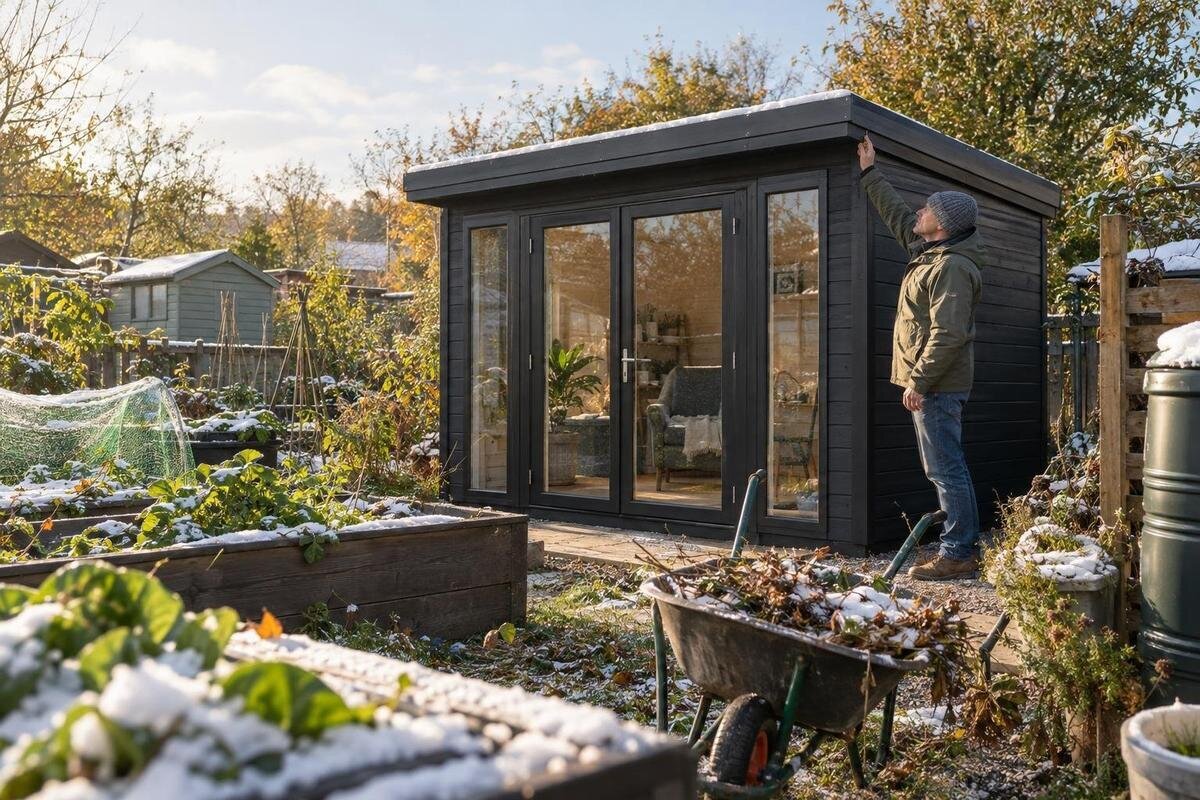
After strong winds or heavy snow, a garden shed inspection should begin with safety rather than opening the door. Some changes are visible only as a roof edge out of line, a door that no longer closes or a shifted base; none tells you, by itself, whether the whole structure is sound. This guide sets out a cautious ground-level check of the roof, walls, supporting surface, openings and interior. It also explains when to keep out, who to ask for an assessment, and what to verify if you decide that repair or a replacement is needed.
01
Safety around the shed
Wait until gusts have eased and any falling debris has stopped before approaching. If snow or ice remains on the roof, keep clear of the eaves and any section that looks bowed; a pause in snowfall does not show that the structure is safe. First scan your route for branches, loose objects, damaged fencing, unstable trees and standing water that could make the ground slippery. Stay well away from fallen power lines and contact the relevant electricity network operator or emergency services; do not try to move them. If there is immediate danger to people, leave the area and call emergency services. Do not treat the shed itself as a shelter while its condition is uncertain.
Choose a viewing position on stable, open ground, with a clear way back. If the shed is leaning, visibly sagging, has a wall pushed out or has parts hanging loose, do not enter, lean against it or test whether a component moves. A structure can shift unexpectedly, and touching it cannot establish that it is sound. Keep children and pets away while you arrange a qualified building professional or the shed's installer to assess obvious structural damage. If the exterior appears stable and the site is safe, begin with a ground-level visual check, looking around rather than standing beneath an area that appears damaged. Do not use a ladder or climb onto the roof, even for a brief look.
Recording visible changes
Record what you observe before moving debris or tidying the area, unless action is needed to address an immediate hazard. Note the date, whether you first noticed the change during strong wind or after snow began to melt, and which side or corner appears affected. Describe visible facts, such as a roof edge that now looks lower or a door that sits unevenly, rather than deciding that a particular connection has failed. Record what you could not see too: snow, a tree, stored items or an obstructed side may hide important areas. This makes it easier to separate observations from guesses when you later discuss the damage.
Take a wide photo of the shed and its surroundings from a safe spot, then closer images of visible changes only if you can do so without going beneath a roof edge or reaching over debris. Include a corner from more than one angle where safe, and keep original images with their dates. Compare them with earlier photos, assembly documents or maintenance records if available; a different camera position or shadow can make a roofline look altered when it is not. Do not move a component just to improve the view. Make a short list of areas you could not inspect and share it with a professional if you seek an assessment.
02
A ground-level roof inspection
Roof designs vary, so look for a change from how this particular roof normally appears rather than judging it against another shed. From several safe ground positions, scan the ridge, edges and visible covering for a new dip, lifted or displaced section, exposed gap, or material hanging loose. Wind can shift coverings or send debris against the roof; heavy snow can obscure the surface while adding load. If snow remains, do not climb up, sweep or shovel it off. If the roof looks distorted, or you cannot see it without standing under a suspect area, keep clear and arrange a professional assessment. Binoculars can help with distant details, but they do not replace a proper assessment.
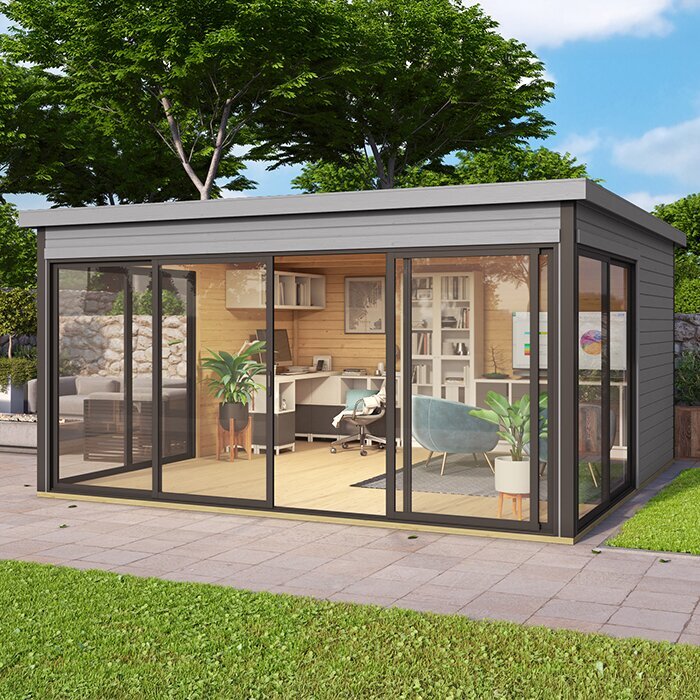
Once the surrounding area is safe, look from the ground for changes at the roof-to-wall junction, eaves and visible drainage parts. A gap, bent section or debris jam may explain a later leak, but it does not reveal whether the roof structure underneath is sound. Do not lift coverings or try to tighten fasteners to investigate. When comparing replacements, check whether current written product information states the roof design and any wind or snow limits relevant to your site; a name or image is not evidence. Use the Verdana 1 garden house page to review the product information that is provided. Ask the seller or manufacturer about anything not stated before ordering, and note any fresh fragments on the ground without assuming where they came from.
Movement in walls and connections
Walk around the shed only where the ground is stable and clear. Look along each wall for a new lean or bow, a panel or board that sits out of line, a joint that has opened, displaced trim, or a visible gap where the wall meets the roof or base. Compare corners and opposite sides: a change affecting adjoining areas can help an assessor understand whether the structure has moved as a whole. Note whether the change is on the side most exposed to the wind, if you know, but do not use that observation to diagnose the cause. A change near a corner or opening is useful to record alongside any shift in the adjoining area.
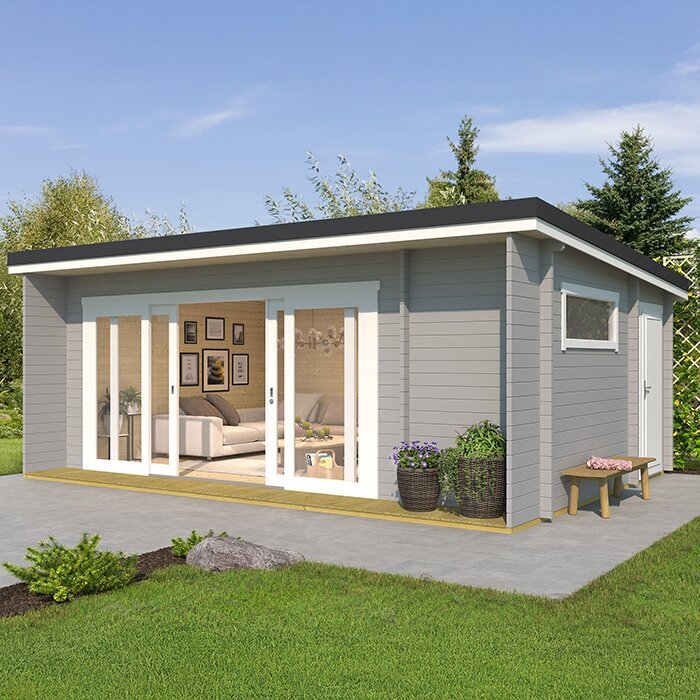
Do not push a wall, prise off a cover strip or tighten a connector to see whether it is loose; this can worsen damage and remove useful evidence. Photograph changes from safe ground and note whether doors or roof edges nearby are also out of line. If considering a replacement, compare documented construction, assembly requirements and stated weather limits for each candidate rather than relying on a product image. The Verdana 2 garden house listing is one page to check for details that are actually provided; ask the seller or manufacturer to clarify missing information, and have a qualified professional relate the answers to the shed's exposure.
03
The base and surrounding ground
Inspect the ground and supporting surface around the perimeter from a safe position. Look for a shed that appears to have moved relative to a path or fence, a new gap at its base, a visible support or paver that has shifted, fresh soil washout, or a patch where water has collected after snowmelt or rain. Note fallen branches or objects that have struck the walls, as well as changes that may affect access. Nearby fences, paving or landscaping can offer comparison points, but a shift in one of them does not by itself prove the shed moved. These observations help show whether the concern extends beyond one roof or wall area.
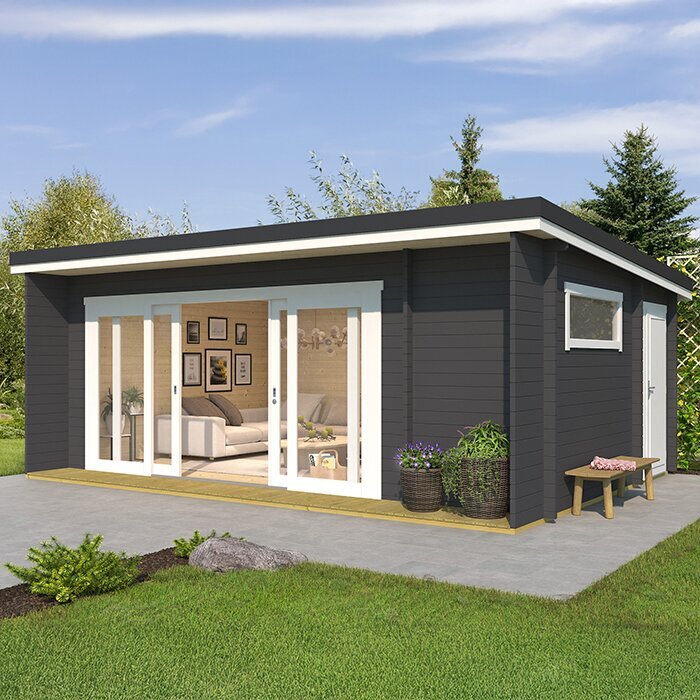
Do not dig around the base, pull on exposed fixings or try to level a structure by hand. If the shed has shifted, the ground has eroded, or the way it is supported is unclear, ask a qualified building professional or installer to assess the structure and site before anyone uses it. Existing paving or a flat-looking patch does not by itself confirm that a replacement can use the same support. Before ordering, compare the new shed's stated base and anchoring requirements with the assessed site; check the Durano garden house page only for specifications it actually gives, not as proof it will suit the existing base. Ask whether site preparation is required rather than attempting it based on a guess.
Doors, windows and other openings
Check doors and any windows from outside first. Look for a frame that no longer sits square, a new gap, a latch that has shifted, a door that scrapes or will not close, or glazing that appears cracked or out of place. These changes can follow movement, but a sticking door alone does not diagnose structural damage; obstruction, swelling or worn hardware can also affect how it works. If the shed looks stable and the opening is clear, try it gently once. Stop if it resists, shifts, makes an unusual sound or could release a loose part, and do not force it. A handle that feels different is something to record, not a reason to dismantle the fitting.
An opening that cannot be operated safely is a reason to keep people out until its cause is understood, especially if the frame or surrounding wall has moved. Do not reach through broken glazing or stand beneath a loose overhead panel to retrieve items. For a replacement, use a current plan or written dimensions to check door position, opening direction and clear space on your site; do not guess from a photograph. The Veltor 1 garden house listing can be reviewed for layout details only where these are documented. Ask the seller to confirm unclear dimensions before ordering, and check the space needed for the door to open.
04
Signs of water inside
Only inspect inside if the exterior gives no reason to think the shed is unstable and the entrance can be opened without force. From the doorway or another safe position, look for a fresh water track on the ceiling or wall, daylight through a new gap, fallen material, or objects displaced from where they were stored. After snow melts or rain follows wind, staining or drips may appear later than the storm itself. Note the location and when you see moisture; do not assume a mark is new without an earlier comparison. If you can see only part of the interior safely, write down that limitation rather than moving stored items to reach the rest.
Do not climb onto stored items, shift heavy contents or reach beneath a visibly damaged roof to inspect a stain. If water is present near electrical equipment, or there is loose ceiling material, stop and seek appropriate professional help rather than continuing inside. A damp patch can indicate moisture but cannot establish what has moved above it or where water entered. Move wet or damaged contents only if you can do so without entering an unsafe area. If replacing the shed, compare stated materials, finishes and care requirements only where product information provides them; check the Orello 1 garden house page for recorded details and ask about exposure limits rather than assuming them from the model name.
When to keep the shed out of use
Use a cautious threshold for returning the shed to normal use. Keep it closed and unoccupied if you have seen a sagging roof, leaning wall, shifted base, loose structural part, fresh opening between components, or damage that makes an entrance unsafe. A quick walk-around cannot rule out a concealed problem, and moving tools or storage back in may make a later assessment harder. If there are no visible changes and the openings work normally, that is reassuring but not a structural clearance. Where snow remains on the roof or you are unsure what a sign means, pause use and get a qualified assessment before re-entering.
Give an assessor the photographs, notes, any available assembly instructions and the event details. Explain which areas were hidden by snow, debris or stored items, and whether doors or openings changed after the event. Ask what parts need inspection and whether the structure is safe to enter before carrying on. A replacement is not automatically more suitable just because it is new or looks sturdy. For any candidate, including the Modano 1 garden house listing, look for written wind and snow guidance and have unanswered site-specific questions answered by the seller, manufacturer or qualified professional before relying on it.
05
Repair or replacement after an assessment
Do not decide between repair and replacement from appearance alone. A qualified professional can help identify whether damage is local or involves the roof, walls, support or connections, and explain what work is needed before you compare options. Ask for the proposed scope in writing, including which areas will be assessed, what needs replacing and whether further issues may emerge once safe access is possible. Keep the inspection record with the shed's product and assembly information. Avoid improvised structural repairs or work that conceals a shift before its cause has been understood. Ask whether use should remain restricted until the work is complete and who will confirm the outcome.
If replacement is being considered, list the actual requirements of the site and use: available footprint, access, storage purpose, door clearance, support conditions and the weather exposure the product needs to handle. Match those against current written specifications, assembly information and stated wind or snow limits; if a limit is absent or unclear, ask before paying. A product title does not establish material, capacity or suitability. Use pages such as the M timber garden shed page to inspect what is documented, then compare like with like and rule out options that cannot be confirmed for your situation. Treat missing information as a question to resolve, not as confirmation.
Information to confirm before ordering
Before ordering, settle the exact model and configuration from the written description, including dimensions, openings and any options you need, rather than relying on a thumbnail or similar model name. Check those dimensions against both the intended position and the route of access. Confirm that the proposed support, access for delivery and assembly, and intended location have been considered by someone qualified where structural advice is needed. Ask the seller who is responsible for installation, what site conditions must be ready, and which instructions and weather-related limits apply. Check the answers in writing so they can be compared with the assessment of the existing shed and its site.
Also read the purchase terms and product information before committing: confirm what is included, what documents will be supplied, whether assembly or site preparation is separate, and how questions about damage or replacement parts are handled. Do not assume that a garden shed is suitable for heavy snow or a windy location simply because it is sold for outdoor use. For instance, review the details attached to the Timber Tool Shed S listing and ask for written clarification of any weather suitability that is not stated. A well-founded purchase is one you can match to the site and verified requirements.
Frequently asked questions
Can I inspect the shed while snow is still on the roof?
You can look from a safe distance, but do not climb up, brush snow off or stand beneath a roof that looks distorted. Snow can hide changes and add load. Keep people clear if you are concerned, and arrange a qualified assessment before entering or using the shed.
Should I climb a ladder to check the roof?
No. Check from safe ground-level positions and do not stand under an area that looks damaged. If you cannot see enough from a safe distance, ask a qualified building professional or shed installer to assess it.
What if the door is jammed after the storm?
Do not force it. Check from outside for a shifted frame, nearby wall movement or an obstruction, but do not dismantle the fitting. A jam can have several causes and does not prove structural damage; if the shed looks unstable, keep out and seek an assessment.
Does no visible damage mean the shed is safe to use?
Not necessarily. A ground-level visual check cannot confirm the condition of concealed supports or connections. If the roof, walls, base or openings have changed, or snow or debris prevented a clear view, pause use and ask a qualified person to assess the shed.
How should I choose a replacement after weather damage?
First establish the condition of the shed and its supporting surface. Then compare a replacement's written dimensions, assembly and support requirements, intended use, and any stated wind or snow limits with your site. Ask the seller or manufacturer about missing details, and get professional advice where suitability is uncertain.
The point of checking after wind or snow is not to prove a shed sound by appearance alone. It is to note visible changes, avoid a risky entry and give a qualified person useful information if the condition is uncertain. Keep a record of what you saw, pause use when there are signs of movement or roof damage, and base any repair or replacement decision on the assessed condition and verified product details for the site. That makes the choice to use, repair or replace the shed a considered one rather than a guess from a single mark.
