
Key Gardening Trends for 2025
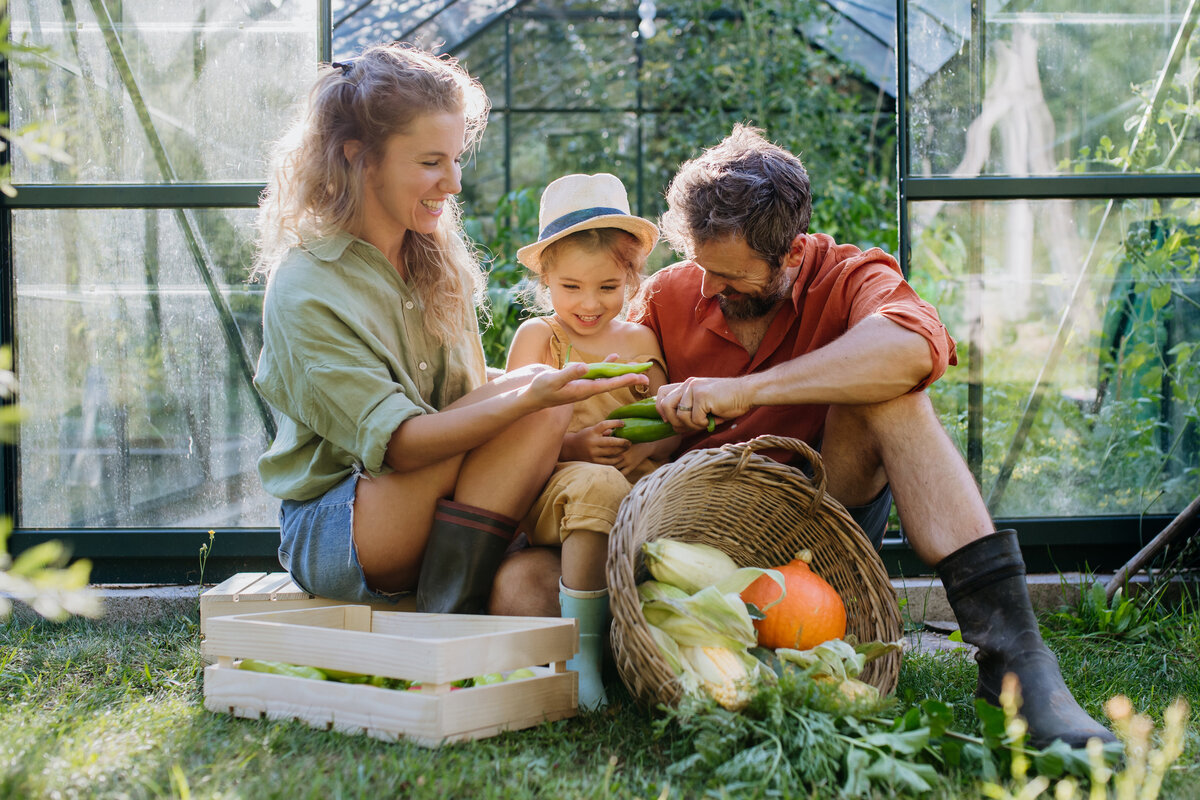
Gardening in 2025 is becoming smarter, more sustainable and more individual. From connected tools to lower-impact growing methods, the garden is changing quickly to suit today’s enthusiasts. Whether you have years of experience or are planting your first patch, these ideas can help you make outdoor areas more productive, attractive and better connected with nature. Here are the key gardening trends for 2025.
1. Smart gardening 🤖
Bringing smart technology into the garden is already part of everyday growing, and its role will continue to expand in 2025. Moisture sensors, automated irrigation and smart greenhouses give gardeners practical ways to streamline routine care.
- Smart greenhouses: Sensors for temperature, light and humidity let you monitor conditions remotely and make adjustments when needed.
- Automated irrigation: A useful option for busy households, helping plants receive the water they need.
These tools can make gardening easier to manage and more efficient, especially where urban space is limited.
2. Sustainable gardening 🌱
Sustainability has moved beyond a passing phrase; it is increasingly necessary. In 2025, gardeners are prioritising lower-impact approaches to reduce their environmental footprint.
- Composting: More households are turning kitchen scraps into nutrient-rich compost for the garden.
- Rainwater harvesting: Collecting rainwater for irrigation is becoming increasingly important to environmentally conscious gardeners.
- Organic gardening: Avoiding chemical fertilisers and pesticides can protect the environment and support healthier plants.
Many gardeners also choose native plants suited to their local conditions, often needing less water and maintenance while supporting biodiversity.
3. Edible landscaping 🥕
In 2025, garden design and food growing are becoming more closely linked. Edible landscaping—arranging fruit, vegetables and herbs attractively—has become a major direction for home gardens.
- Vertical gardens: Well suited to compact areas, they allow a wide range of edible plants to grow upwards.
- Herb walls: A creative way to keep fresh herbs close at hand while adding greenery indoors or outdoors.
- Multi-purpose gardens: Combining ornamental and edible planting creates a space that is both practical and visually appealing.
It especially suits city gardeners who want home-grown food without the room for a conventional garden.
4. Climate-aware gardening ☀️
Climate change is reshaping garden practice around the world. In 2025, the focus is on resilient gardens that can better cope with extreme weather.
- Drought-tolerant plants: As water becomes more valuable, gardeners are selecting plants that perform well in dry conditions.
- Shade structures: Shielding plants from intense sun is becoming a priority, particularly in areas affected by heatwaves.
- Seasonal adaptability: Greenhouses and cloches help extend growing periods or protect tender plants from frost.
5. Minimalist garden design 🌿
Minimalism is moving outdoors as well as indoors. Clean lines, open spaces and easy-care planting are becoming defining features of contemporary garden design.
- Hard landscaping: Gravel, stone paths and raised beds can create a refined look while remaining functional.
- Quality over quantity: Rather than filling every area with plants, gardeners are choosing fewer high-impact features, such as statement trees or shrubs.
- Neutral tones: Soft, earthy colours bring a calm, balanced feel to garden spaces.
6. Indoor gardens 🪴
With more people living in urban areas with limited outdoor room, indoor gardening is gaining popularity. From small balcony set-ups to larger interiors, 2025 offers inventive ways to bring greenery inside.
- Living walls: Vertical planting that also works as a decorative feature.
- Smart indoor gardens: Systems such as the LivingBloom Smart Garden make it easier to grow herbs and vegetables with minimal effort.
- Microgreens and herbs: Growing small, quick crops is a convenient way to enjoy fresh produce throughout the year.
