
Overwinter Potted Plants in a Bloomcabin Greenhouse | Australia
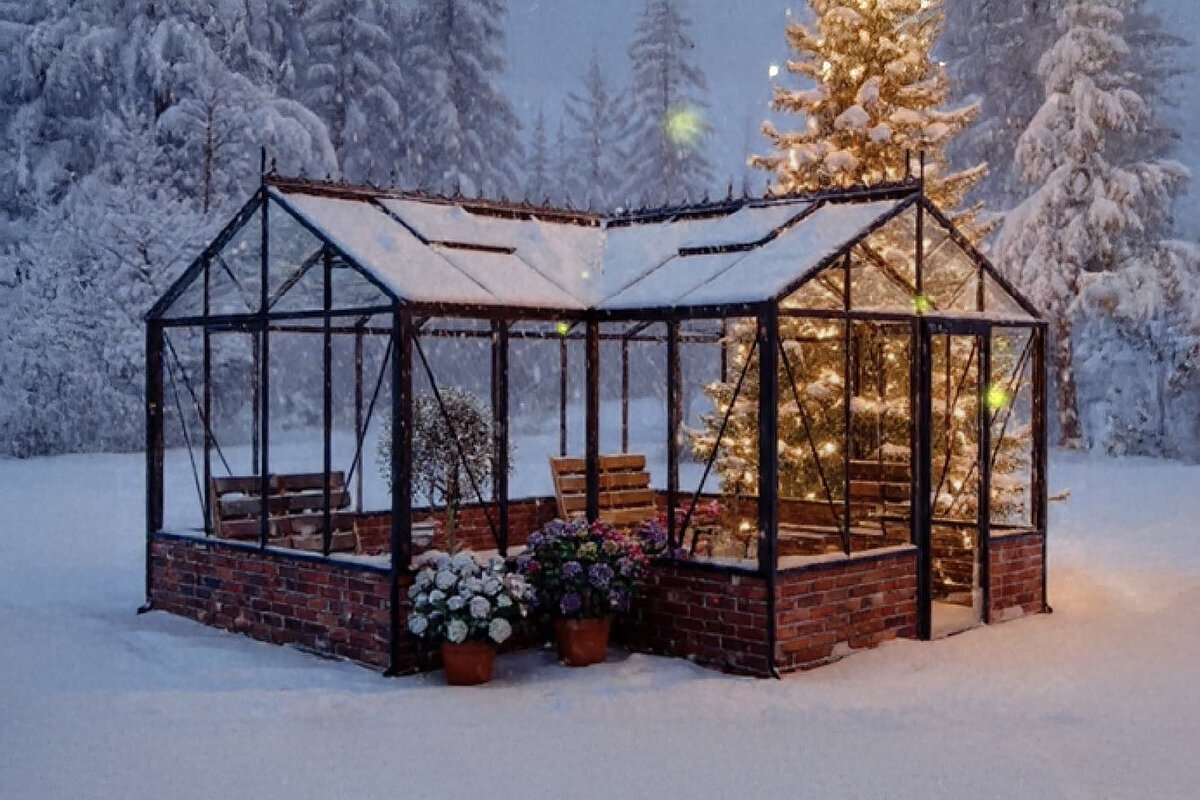
Winter care for potted plants in a Bloomcabin aluminium greenhouse
Winter protection for container plants is an important gardening task, particularly in Australia’s diverse climates, where frosts, humid weather, sudden temperature shifts and extended cold periods may occur. A plant growing in a pot depends wholly on its container and growing medium for root protection. Unlike a plant planted in the ground, it has no surrounding earth to insulate the root system, and warmth escapes around the entire pot.
With so little insulation, potting mix loses heat quickly, may freeze sooner in frosty weather and then warm rapidly under winter sun. Each freeze–thaw sequence stresses the roots, can cause drought stress and often splits containers. A well-built Bloomcabin aluminium greenhouse provides wind shelter, buffers temperature changes and creates a microclimate that can be managed. Proper winter preparation is nevertheless still necessary in an aluminium greenhouse for reliable results.
Australian gardeners and Bloomcabin customers can use this detailed guide to make their greenhouse productive throughout the year. It gives practical, technical advice on taking potted plants safely through winter, explains the frost weaknesses of ceramic and terracotta, and compares them with plastic containers, timber boxes and concrete planters. It also addresses root-zone mulch, drainage, stored warmth, container volume, placement, winter irrigation, airflow and humidity control. Whether you plan to buy a greenhouse or have a Bloomcabin aluminium greenhouse already, this advice helps protect both plants and containers through winter.
Why containers require another approach in winter
Open-ground plants draw on the thermal mass of surrounding soil, which gains and loses heat gradually and shields roots from abrupt changes. Lower soil layers can stay relatively steady even through sustained frost. Pots lack that buffer: heat escapes from the walls, bottom and top surface, allowing the root zone to chill much sooner.
In frost-prone parts of Australia, winter may alternate between subzero nights and sunny, warmer days. The potting medium then goes through continual contraction and expansion. That physical movement can injure delicate roots and markedly raise the risk of losing them. Greenhouse shelter narrows the swings, although extra precautions are needed to manage them fully.
A common rule used by experienced gardeners is to treat a potted specimen as one hardiness zone less hardy than its in-ground equivalent. By blocking wind, retaining heat and making use of sunlight, a Bloomcabin aluminium greenhouse can help compensate. Plant-specific preparation remains vital despite that protection.
How a Bloomcabin aluminium greenhouse assists during winter
Australia does not have one uniform winter pattern: humidity and temperature changes are widespread, frost affects many inland and elevated districts, and alpine locations may receive snow. Aluminium suits a Bloomcabin greenhouse in moist conditions because it keeps its form, will not warp and does not rust.
Good light transmission is another winter advantage of aluminium greenhouses. Even when the sun sits low, daytime solar warmth can build inside and delay the temperature drop after dark. Insulating film, heat-storage materials and ventilation equipment can also be added without difficulty.
The decision to make a greenhouse purchase can hinge on dependable winter shelter for plants. Thoughtful use of a Bloomcabin aluminium greenhouse can lower plant losses, protect containers from frost damage and support faster, stronger growth in spring.
Why frozen water damages pots
Cold alone is not responsible for most winter injury in container plants. Moisture within the growing medium becomes especially damaging when it turns to ice: its volume increases, pressing the mix against the pot walls. Surrounding earth lets this force spread through a garden bed, whereas a confined container receives the pressure directly.
Wet autumn and winter weather can leave potting mix saturated. That water becomes ice during frost, and greater water content means greater mechanical stress. Poor drainage, or saucers left holding water, makes the problem considerably worse.
How frost affects ceramic and terracotta containers
Although ceramic and terracotta have strong visual appeal, their winter performance is limited. Both are porous, so they draw in moisture from damp air as well as from the growing medium. Ice forming in those pores occupies more space and begins tiny fractures in the walls.
With each return of frost and thaw, small fractures can grow until the container breaks apart. Fine terracotta walls face the greatest risk, but glazing does not protect ceramic from hidden microscopic damage.
Treat these materials as decorative outer pots in summer rather than the plant's main winter container. The plant can remain in a frost-tolerant inner pot, which is transferred to the aluminium greenhouse when cold weather begins.
Benefits of plastic, timber and concrete containers
Flexible plastic containers
The combination of low water absorption and slight give makes plastic a practical winter option. If frozen mix swells, the container can yield a little instead of splitting. Its low weight is useful too, as pots can be shifted and clustered inside the greenhouse with little effort.
Quality matters: select UV-stabilised plastic because inexpensive or weathered material may turn brittle. Commercial nurseries have relied on plastic growing pots for safe winter holding over many decades.
Planter boxes made from timber
Air held within timber provides insulation, while the material accommodates some movement as frozen mix swells. Roots therefore lose heat more gradually and experience steadier conditions. A greenhouse makes timber more effective by keeping direct rain off it.
Timber boxes can hold a greater depth and volume of mix, adding useful thermal storage. They must still drain freely to prevent waterlogging.
Heavy concrete containers
Substantial strength and thermal mass are the main advantages of concrete. A concrete planter takes up heat, releases it over time and smooths changes near the roots. Its rigid walls also cope well with pressure created by frozen mix.
Their weight makes a fixed position most practical. Once placed in the greenhouse, however, a concrete planter can remain serviceable for a very long time.
The winter benefit of extra pot volume
More mix gives a large container greater capacity to hold heat, so conditions at the roots shift more gradually. During hard frost a small pot may freeze right through, while ice in a larger one may be confined to its outer margin.
Extra volume also distributes and holds moisture more consistently, reducing the likelihood of winter drying. Olives, figs, citrus and camellias grown in tubs have a better chance through winter when their planter is generously sized.
Insulating the root zone with mulch
A mulch cover over the potting mix is a particularly effective form of winter protection. Pockets of trapped air supply insulation, limiting rapid temperature changes around the roots.
For greenhouse pots, choose bark, wood fibre, coir or dry straw. Apply about 5 to 10 cm to create an effective barrier against cold, but leave clear space around the plant's stem so trapped dampness does not cause rot.
Arranging pots inside the winter greenhouse
Every greenhouse contains microclimates. Areas beside the walls are usually colder, while the centre has steadier temperatures. Position sensitive plants as centrally as possible and close to the ground.
Place pots together so less of their combined surface remains exposed and their stored warmth is shared. Set the least cold-tolerant specimens towards the cluster's centre.
Managing drainage, watering and fresh air
Winter drainage must keep water moving out of each pot, since saturation raises the risks of freezing injury and root rot. Remove saucers, or tip them out often. Plants need less irrigation, not none; water on a frost-free day so any surplus drains. Open the greenhouse briefly and regularly to release humidity and deter mould.
