
Patio door care: tracks, rollers, hinges and seals
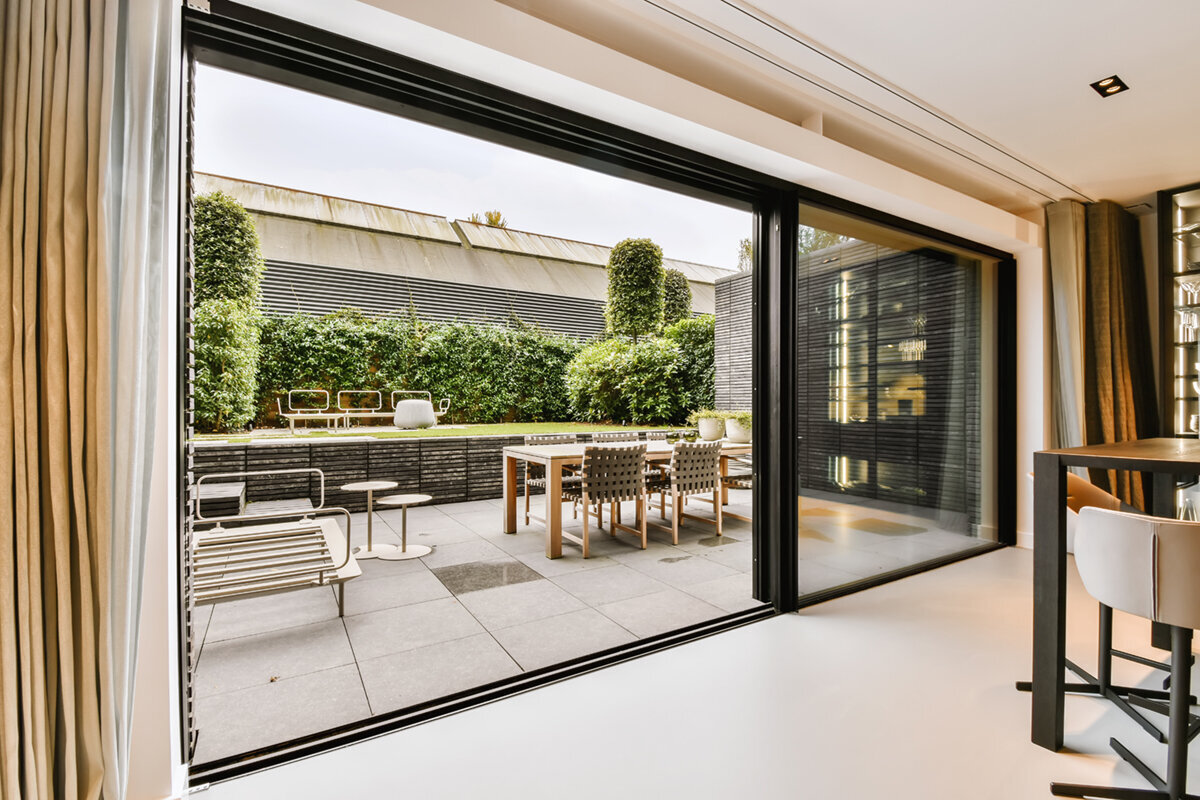
Patio door care guide
Daily use exposes a patio door to plenty of wear. Pollen and sand settle in the track, wet footwear leaves grime around the threshold, and frequent opening can reveal minor alignment changes through the handle or closing action. Begin by identifying the mechanism. Sliding doors rely on a guide and rollers; swing doors use hinges, a lock and keepers. Both depend on sound seals. Considering upkeep, diagnosis and any eventual replacement together helps prevent oiling the wrong component or forcing a door that has become stiff. This guide covers useful observations, cautious checks an owner can make and the point at which a qualified tradesperson should take over.
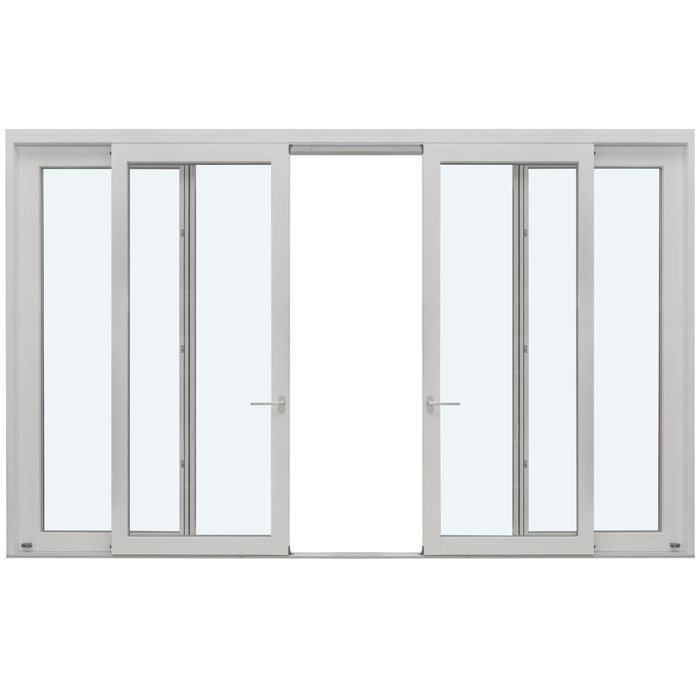
Identify the door type and fault path first
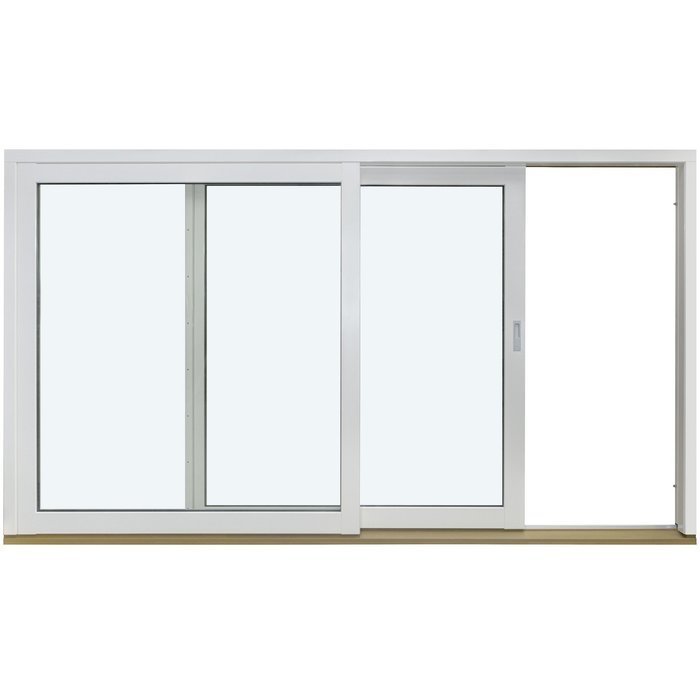
Before choosing any cleaning or care product, establish exactly how the door operates. A lift-and-slide design lifts the panel before it travels sideways, while other sliding mechanisms use different hardware and controls. A swing door is supported by hinges and closes using its handle, lock and keepers. Compare current operation with how the door originally felt rather than simply describing it as heavy. Record whether resistance begins during unlocking, the initial lift, one section of sideways travel or final closure. Check as well for changing clearances between the panel and frame. Following this order helps separate contamination and operating mistakes from possible loss of alignment.
A Patio Life lift-and-slide door calls for a different inspection from a single swing door. For the sliding design, concentrate on the bottom guide; for the swing design, compare the hinge edge, lock edge and contact with the seals. Look beyond the first symptom. Resistance near the end of travel might come from something lodged in the guide, while stiffness from end to end may involve the guide, rollers or panel alignment. Move the door slowly and do not lean on it. Note whether rain or dry conditions alter the symptom. A description of where and when it occurs is far more useful to a tradesperson than simply reporting a stuck door.
Clean tracks and thresholds while preserving their function
Dust, grit, leaves and doormat fibres readily accumulate in the bottom track. Begin with a soft brush, a suitable vacuum nozzle or a dry cloth, removing loose material across every visible section and into the corners. Shift the panel carefully so each part of the guide becomes accessible. A torch can reveal debris in recessed areas and help distinguish a stray object from scoring or apparent deformation, without taking the assembly apart. Follow with a barely damp cloth that has been thoroughly wrung out. Do not pour water through the track, as this may wash grime into concealed areas. Scouring products, wire brushes and sharp tools can harm the running surfaces and should not be used.
A threshold may combine guidance with drainage, so its openings, channels and covers must remain unobstructed. Remove leaves and loose dirt, but do not seal openings or insert makeshift plugs. Stop and seek an assessment if water still pools after cleaning, reaches the interior from outside or a cover has come loose. Maintenance should preserve the designed water route rather than test it with large amounts of liquid. On a side-sliding patio door , revisit this area after local peak pollen periods, seasonal leaf drop, building work or activity on the patio or balcony. Paving sand and construction dust can abrade the guide, so clear them without delay.
Observe rollers rather than adjusting them at random
Although the rollers may be concealed, the way the panel travels can indicate their condition. Clean the guide before drawing conclusions if movement feels rough throughout, the panel jolts repeatedly at one location or the handle requires abnormal effort. If the symptom remains, make a record of it. Compare movement with closure as separate actions: easy travel followed by poor closing does not by itself identify faulty rollers. Professional checking may be appropriate where the panel has visibly sagged, contacts an edge or can move only after being lifted.
Adjustment features exist on many doors, but neither their location nor their effect is consistent across systems. A minor alteration may change panel alignment, seal pressure and locking at once. Unless the correct instructions are available and the purpose of the adjustment is understood, do not experiment with tools or lubricant. Grease or oil applied in the wrong place can capture grit and worsen operation. When arranging maintenance, ask whether the roller can be reached, whether the proposal is adjustment or component inspection, and whether travel and closure will both be tested afterwards. For side-sliding Siegenia doors , provide the exact version and identify where in the travel the fault occurs so the suitable service approach can be determined.
Understand hinges on hinged doors as load-bearing connections
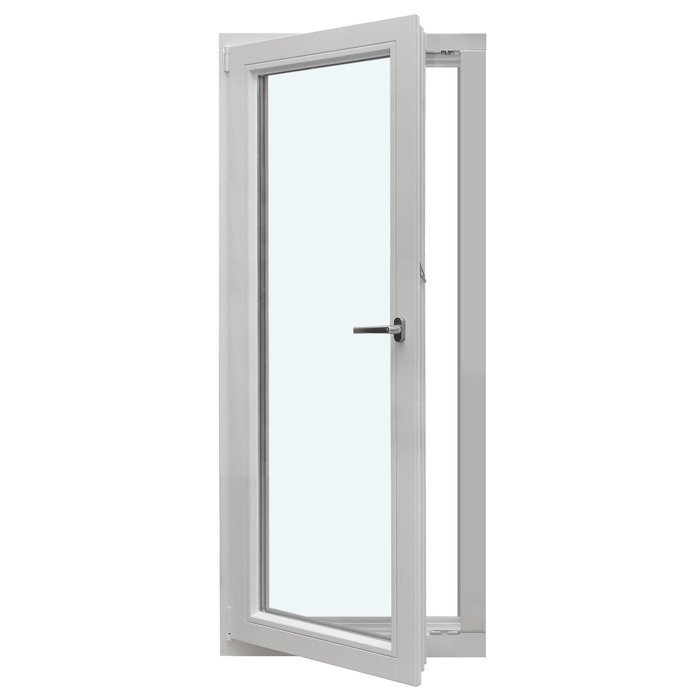
The hinges of a swing patio door support the panel and hold it in the correct relationship to the frame. Position may have shifted if an edge rubs, the surrounding gap varies or the handle works only while pressure is applied to the panel. Inspect it without tools. When closed, does the panel sit evenly? Is contact occurring at the top, bottom or lock edge? Does lifting it slightly change the handle action? Open only to a position you can safely control, listening for unusual sounds and looking for loose covers. Visible screws should not be tightened unless their function is known.
Opening direction also shapes everyday use. A single inward-opening patio door requires unobstructed space on the room side. Rugs, furniture and child barriers should not press against the panel during its swing. For outward-opening doors, inspect outside obstacles, stops and the surface beneath the opening path. Review the hinges, keepers and handle together instead of chasing only the point that makes noise. Qualified attention is appropriate for obvious play, a loose handle, sudden sagging or movement that is hard to control safely. Pending assessment, avoid slamming, wedging or packing beneath the door as an attempted correction.
Inspect seals deliberately and clean them gently
The seals provide a flexible meeting surface between the panel and its frame. Open the door and follow each seal around its full length, checking for dirt, splits, deformation, poor seating or sections protruding from the groove. Lift away loose particles with a soft cloth. If further care is needed, use only mild products compatible with the material and approved in the manufacturer’s guidance. Solvents, abrasive cleaners and hard implements may damage the profile or its finish. Give extra attention to the bottom corners and lock-side area, where moisture and grime commonly collect. Clean the matching frame surface too, because contamination there can prevent proper contact.
Noise, draughts and dampness are not proof that a seal has failed. Even a serviceable profile may make uneven contact when the panel is warped or misaligned. Shut the door in daylight and view the joint from inside, comparing compression and any visible gaps around the full perimeter. For a single outward-opening patio door , consider whether exterior grime or a poorly positioned stop is mechanically interfering with the profile. Choose no replacement from appearance alone. Its section, fitting method and door system must correspond with the existing assembly, which a tradesperson can confirm before it is ordered.
Check the handle, lock and keepers as one system
Resistance at the handle does not necessarily originate in the handle. Misalignment, contaminated keepers or excessive pressure from a seal can all affect it. Test the operating stages without force: compare the handle with the door open, lightly against the frame and completely shut. A marked change between stages points to an interaction that deserves inspection. Never extend the handle with another tool or force it to its limit. Doing so may damage fittings that could otherwise have been adjusted or repaired after timely assessment.
Double doors add coordination between both panels. With a double outward-opening patio door , identify which panel displays the symptom first and note whether its partner is open or closed. Confirm that the passive panel is correctly seated before bringing the active panel into place. Altered alignment may reveal itself through rattling, handle resistance or inconsistent seal pressure. Before an appointment, record the size, panel count, opening direction and precise sequence of the fault, and photograph the exposed hardware side. These details are not a diagnosis, but they allow the maintenance visit to begin with relevant information.
Separate cleaning, care and lubrication clearly
Treat cleaning, surface care and lubrication as separate jobs. Cleaning lifts contamination; care protects suitable visible materials; lubrication is reserved for specified moving parts. A glossy track coated in a dust-catching film is not well maintained, and a multipurpose household spray may be incompatible with seals, plastics, hardware or powder coating. Consult the maker’s instructions before applying anything, use only a small amount and remove surplus product before it reaches the glass, floor or running guide. If no dependable instruction is available, limit the task to gentle cleaning rather than testing a lubricant.
Base the inspection routine on exposure and use, not an inflexible timetable. A sheltered opening differs from one exposed to wind and dust. After gardening, renovation, heavy pollen or sustained leaf drop, inspecting the assembly may be more valuable than applying another care product. For outward-opening folding doors , examine the greater number of panels, joints and fittings methodically. Move one panel at a time, clean accessible folds and confirm that each reaches its proper end position without pressure. Stop if you encounter scraping, skewing or abnormal resistance rather than continuing to clean in the expectation that the fault will disappear.
Assess moisture properly instead of merely drying it
The position and timing of water provide important clues. Moisture condensed on the indoor face of the glass is different from droplets confined to a corner, a pool within the guide or wet flooring inside. Dry the affected place, then record when it returns: during rain or wind, after washing, in the morning or as the door moves. Outside, check whether soil, foliage, pot saucers or adjacent finishes conceal the threshold. Leave sealants, perimeter joints and drainage pieces unchanged. Where water becomes visible may differ from the route by which it entered.
If dampness recurs, take images before wiping it away, including the closed door from inside and the surrounding exterior. For a double inward-opening patio door , include both panels, their meeting line and each bottom corner. Explain whether the moisture follows particular weather or also appears in calm, dry conditions. Water carried in on a shoe is not equivalent to recurring unexplained dampness. Recording that distinction reduces the risk of treating only the visible surface. Arrange prompt professional investigation when the interior becomes wet or the frame or attached parts show damage or looseness.
Coordinate maintenance with the patio, flooring and use
The surrounding space can affect door performance. A new patio surface, deep mat, planter, awning or item of furniture may alter clearance, drainage or access for cleaning. Before changing the area, map the swing path, preserve access to the track and ensure the threshold remains serviceable. Keep finishes and movable objects from pressing against the panel, frame or guide. Curtains, cables and furnishings must also remain clear of a sliding panel’s sideways path. Effective upkeep therefore includes sensible daily use: preserve clearance, keep meeting surfaces clean and never force the mechanism.
Where several doors or windows in a project develop related symptoms, assess them together. For each one, note its room, design, handing, timing and observed fault. The record may show an isolated issue at a heavily used opening or support coordinated inspection and adjustment across the home. A traditional-looking pair of outward-opening patio doors operates differently from a contemporary slider, yet the same method applies: identify the construction, clean accessible parts carefully and document departures from normal behaviour. For a new installation or replacement, decide the panel arrangement, handing, threshold treatment and preferred operation together before placing the order.
When self-checking ends and what information helps
Owners can reasonably undertake gentle cleaning, visual checks and symptom recording. Stop before loosening parts, altering fittings, loading the glazing or disturbing seals. Seek qualified help if a panel scrapes, cannot be secured, remains obstructed after cleaning, repeatedly admits water, sheds a seal from its groove or changes operation suddenly. Keep everyone outside the travel or swing path if the panel is loose, badly dropped or difficult to control. Temporarily restrict access, use another exit where possible and do not attempt to lift out a heavy panel. Avoid further use until it is assessed. A tradesperson can systematically examine alignment, closing action, hardware, seal contact, the guide and visible perimeter connections.
Give the supplier or tradesperson a concise description of the mechanism: swing, lift-and-slide, conventional sliding or folding. Include the panel count, opening direction, when the change began and the exact stage at which it appears. Where safe, provide photographs of the threshold and hinge or handle edge, together with a short video showing ordinary operation and the fault. For a possible replacement, discuss site measurement, handing, installation conditions and exactly what work is included. Bloomcabin specifies a 5-year guarantee for windows and doors and a delivery period of 4 to 6 weeks, subject to order confirmation. Neither detail diagnoses the existing assembly, but both assist practical planning.
Frequently asked questions
How often should I clean a patio door track?
Inspection frequency should reflect the site and how often the door is used. Look after heavy pollen, seasonal leaf drop, gardening or visible deposits of sand. Remove accumulated particles gently while dry, working along the complete accessible guide rather than cleaning only the area beside the panel.
Can I oil the rollers?
Only when the door-specific care instructions expressly call for it. The wrong product can trap grit or spread into parts designed to remain dry. Clean accessible guide surfaces first. If stiffness continues, record where it occurs and ask the manufacturer or a qualified tradesperson which maintenance procedure applies.
Why does the handle work only when the door is lifted?
The panel may no longer be meeting the keepers and seal without strain, but that observation does not establish one cause. Avoid forcing the handle. Note any scraping or uneven clearance and pass those details to the person carrying out the inspection.
Does a visible seal need immediate replacement?
Minor discolouration or surface dirt alone does not make replacement necessary. Clean gently, then trace the seal around the door to confirm its seating. Splits, displaced sections, substantial deformation or repeated moisture justify assessment. A new profile must match the door system and fitting arrangement.
How do I get ready for a maintenance visit?
Provide the mechanism, panel count, opening direction and a step-by-step account of the fault. Include clear images of the threshold and hinge or handle edge, plus any moisture before it is wiped away. Make the surrounding area accessible so the tradesperson can safely examine movement, fittings, guides and seal pressure.
Next steps
Regular, restrained attention to accessible hardware, guides, thresholds and seals generally keeps patio doors operating more easily. Match the check to the mechanism: observe the running path on sliders, while swing doors require attention to hinges, handle action and how the panel closes. Cleaning is usually appropriate; unapproved adjustment and lubrication are not. Before intervening, record when and where the change occurs. Scraping, skewed movement, repeated dampness or insecure closure are better investigated than overcome with force. If replacement is being considered, weigh daily operation, maintenance history, handing and threshold design as parts of one decision.
