
Positioning a garden shed near trees: roots, branches and debris
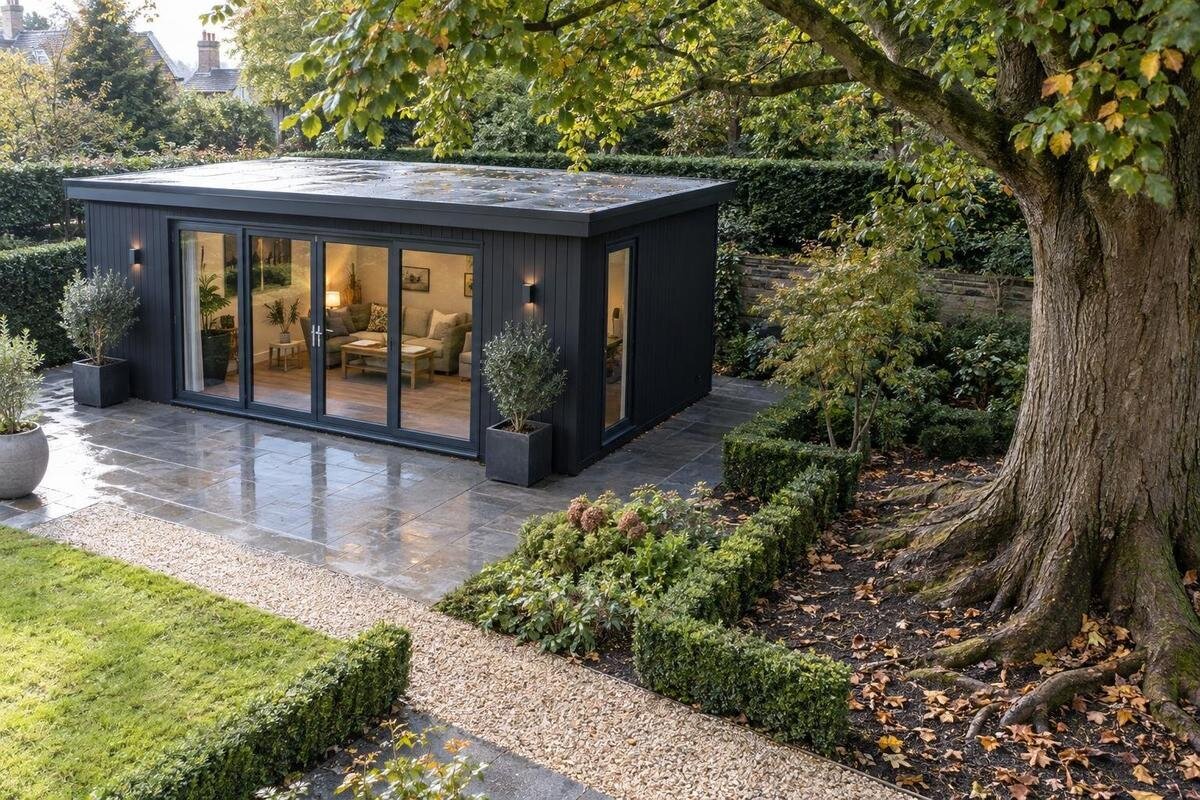
Garden shed planning
A position beneath or near trees can look convenient, but it is worth checking more than the available patch of ground. Roots may raise questions about site preparation, branches can overhang the proposed spot, and leaves or other debris may add to routine upkeep. Compare locations with the tree and the chosen shed in mind before you order.
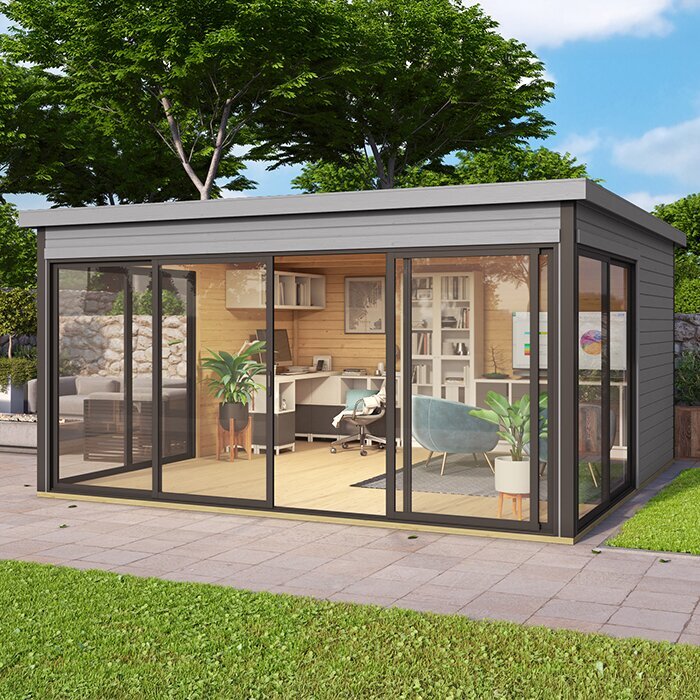
Choose a position by looking at the whole tree
A garden shed does not always need to be placed well away from every tree. The useful question is how the tree and the proposed shed position relate: where roots may affect the ground, whether branches reach over the site and what leaves or other debris collect there. Those conditions can vary between two spots in the same garden, even if both appear equally sheltered at first glance. Consider the tree’s trunk, canopy and likely root area as parts of the same site condition, rather than assessing only the patch of ground where the shed will stand. Also consider whether the tree is young, mature or already showing signs of stress, as its relationship with the site may change over time.
Compare a few plausible locations before settling on one. Note the nearest trees, the direction their branches extend, any visible roots and the places where fallen material gathers. Look at the site after different weather rather than relying on a single dry-day inspection. This gives you a more realistic picture of ongoing upkeep and highlights questions to resolve before ordering or preparing the ground. Marking possible shed corners with pegs or a temporary outline can also make it easier to see which branches, paths and cleaning areas would be affected.
Consider how tree roots may affect the ground
Roots are not necessarily visible at the surface, and a visible root does not by itself prove that a shed cannot be placed nearby. Root patterns depend on the tree and its surroundings. Changes in ground level, exposed roots, cracking or movement in nearby hard surfaces can be reasons to seek an informed assessment, but they are not enough on their own to diagnose what is happening underground. Avoid probing or digging around roots simply to investigate them, as that may disturb the tree and still provide an incomplete picture of the root system. Note whether water tends to pool, run off or soften the ground around the proposed footprint, because these observations give useful context for a professional assessment.
Avoid assuming that roots can simply be cut back or that a particular distance will make the site safe. Root work can affect the tree and the ground, and the implications vary with the situation. If a large or established tree is close to your preferred position, ask an arborist to assess it before site work begins. Their advice can help you decide whether to keep the position, move it or investigate another option. This is especially worthwhile before arranging excavation, levelling or delivery, when changing the proposed location is usually less disruptive.
Confirm the ground and support requirements before site work
The area beneath a garden shed needs to meet the requirements for the particular model and installation method. A tree’s roots may complicate excavation or make it difficult to prepare a consistent surface, but that does not mean every site near a tree is unsuitable. Find out what the manufacturer’s instructions say about ground preparation and support, then compare those requirements with the actual site. Include the route needed to bring materials and equipment to the location, since avoiding roots at the final footprint does not automatically make site work straightforward. Measure the proposed footprint and its approach rather than judging clearance by eye, particularly where roots, trunks or garden edges make the space appear more open than it is.
Do not treat cutting roots, covering them or raising the shed as a simple workaround. Each can have consequences that depend on the tree, ground and design. Before booking groundwork, describe the proposed position to the shed supplier or installer and raise any visible roots or uneven areas. If Verdana 1 garden house is on your shortlist, use its available documentation to check the actual requirements rather than relying on its name or a general assumption about timber sheds. Keep notes on what has been confirmed so the site plan remains consistent between ordering and installation.
Assess branches over the proposed position
Look up as well as across the site. Branches that extend above a proposed shed position may drop leaves, twigs or other material, and damaged branches may require professional attention. Consider the tree as it is now and how it may grow; a position that is clear today could sit beneath a broader canopy later. Avoid assuming that a branch is harmless just because it has not caused a problem so far. Check from more than one viewing point, because branches that appear clear when viewed from the side may extend over the proposed roof area. Looking after wind or rain can reveal hanging material or a branch movement that is less apparent on a still, dry day.
A ground-level inspection can help you spot obvious concerns, but it cannot establish whether a branch is structurally sound. If you see deadwood, damage, movement or branches that seem unstable, ask an arborist to assess the tree. Do not plan to climb or prune large branches yourself as part of shed preparation. If you are comparing Verdana 2 garden house, consider its intended position alongside the branch assessment, rather than choosing a site first and hoping the canopy will not matter. Where practical, retain enough visibility around the structure to notice new fallen material or changes in the canopy.
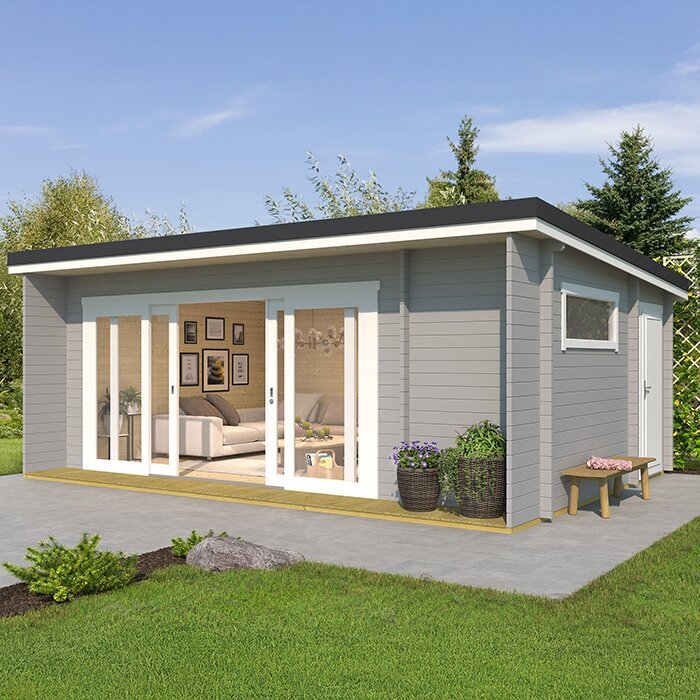
Track where leaves and other debris collect
Trees can shed more than leaves. Depending on the tree and season, the ground may collect seed pods, flowers, small branches or other material. Wind and rain can move that debris, so the area directly below the canopy is not always where the most will accumulate. Walk around the proposed site after ordinary weather and note whether material gathers near an entrance, against a wall or in a spot you would find awkward to clean. Also consider where debris is likely to be blown after it falls, including corners, narrow gaps and the approach to the shed. Pay attention to drainage paths as well, since damp organic matter may be more difficult to clear once it has settled into a low spot.
Check the product information for any features that may need periodic clearing, such as gutters if the chosen design has them. Do not assume that every shed has the same roof details or maintenance needs. Durano garden house is a starting point for comparing a model, not evidence of a particular drainage feature. Confirm its documented design and think about whether you can reach the areas that need attention without working beneath questionable branches. Plan where collected debris can be placed or removed, so routine cleaning does not create another obstruction beside the shed.
Plan for routine cleaning and tree care
A tree-side position can mean more frequent sweeping or clearing, even when the shed itself is a good fit. Think about where a broom, rake or other cleaning equipment can be used, and whether debris is likely to build up where you need to open a door or move stored items. The aim is not to leave an arbitrary gap around the building, but to understand the practical upkeep that the chosen spot will involve. Include less obvious tasks such as checking the base perimeter, keeping the threshold clear and removing material before it becomes compacted or wet. Consider who will do those tasks and whether they can be completed safely from ground level during periods of heavier leaf fall.
Tree maintenance should be considered separately from shed maintenance. Pruning decisions belong with a qualified tree professional, especially for high, heavy or damaged branches. If cleaning will involve a ladder or reaching across the shed, ask whether another position would make the job safer and simpler. When reviewing Veltor 1 garden house, check the product details and assess the actual cleaning access at the site; do not infer maintenance requirements from the model name. A position that permits ordinary upkeep from the ground may be easier to live with than one that depends on occasional difficult access.
Check the entrance and everyday approach
A shed’s entrance needs to work in the space around it. Branches, low growth or fallen material may obstruct the approach, while leaf litter can make the path untidy or harder to keep clear. Visit the position from the direction you expect to use it, and consider whether you can carry the items you plan to store without repeatedly navigating around the tree or its debris. Think about the largest or most awkward items likely to be moved in and out, not just everyday access when the route is clear. If the approach bends around a trunk or planting bed, allow for the turning room needed to carry those items without brushing against branches or the shed.
Also confirm how the chosen model’s doors operate and what space they need, using the product documentation rather than guessing. If a doorway faces a tree, consider whether branches or debris could make access inconvenient and whether the route can be maintained. Orello 1 garden room can be compared with other candidates by checking its documented layout and door details against the site. The model name alone does not tell you how it will fit your garden. Account for the standing space needed while unlocking, opening and closing the door, as well as the route beyond it.
Compare product information with the conditions on site
Before choosing a garden shed, gather the information that affects whether it can be installed in your preferred spot. Check the documented overall dimensions, the space needed for any doors to operate, and the manufacturer’s instructions for ground preparation and support. These details are model-specific; do not assume that two sheds described as garden rooms or garden houses have identical requirements. Compare the documentation with a measured site outline rather than estimating from the apparent size of the open area beneath or beside the tree. Include fixed features such as trunks, retaining edges, paths and existing garden beds on that outline, as these can affect both installation access and later use.
Then compare those requirements with what you observed near the tree. If access for site preparation is limited or visible roots raise questions, discuss the position with the supplier and installer before ordering. Modano 1 garden room should be assessed from its own specifications and instructions. If an important detail is not published, ask for clarification rather than filling the gap with an assumption based on the product’s name, appearance or a different model. Provide the same sketch, photographs and site observations to everyone involved, so decisions are based on the intended location rather than a general description.
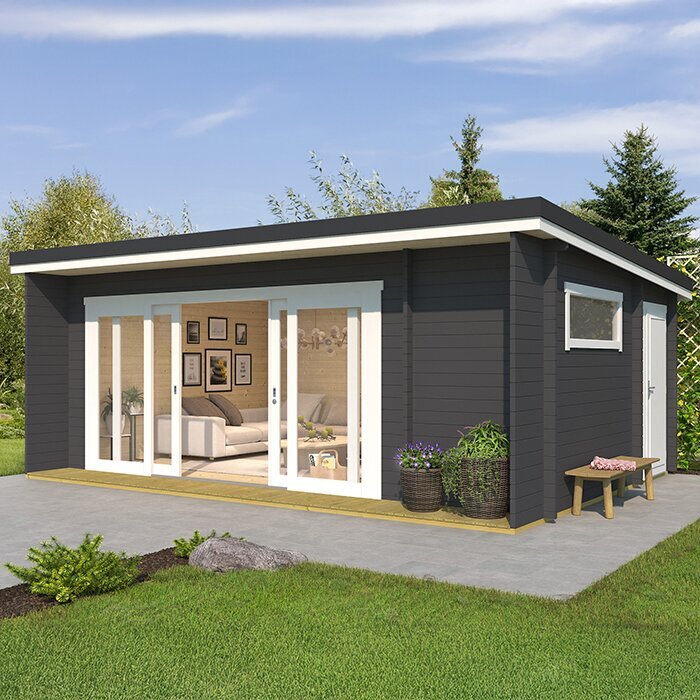
Compare possible locations over time
A brief site visit may miss seasonal changes in the tree and the way debris moves around the garden. If you have time, observe your preferred positions on more than one occasion, including after wind or rain. Record where leaves and small branches collect, whether the ground looks different in particular areas and whether the entry route stays usable. Photos or a simple site sketch can help you compare locations later without relying on memory. Note the date and weather when taking observations, as this helps distinguish a one-off event from a pattern that may influence routine maintenance. If the tree has a recognisable period of flowering, fruiting or leaf drop, include that period in your observations where possible.
Use those observations to weigh trade-offs rather than treating one factor as decisive. A position with less debris may still need professional assessment because of roots or branches; another may be easier to clean but poorly suited to the documented installation requirements. If you are considering M timber garden shed, compare its verified product information with the same site notes you use for other candidates. This keeps the decision about the actual model and location, not a general impression of the product category. A written comparison is useful when two sites seem similar but would require different levels of preparation or ongoing attention.
Confirm the plan before ordering and installation
Before placing an order, make sure the intended position and product choice still agree. Confirm the model’s documented dimensions, access and site-preparation requirements, and share relevant observations about the tree with the people responsible for installation. If a professional has advised that roots, branches or ground conditions need attention, resolve that question before committing to work that could be difficult to change later. Recheck the proposed footprint after any site changes, because clearing vegetation or adjusting an access route can alter how the location functions. Keep the final site sketch with the product information so the intended orientation, access route and areas requiring routine clearing are clear to everyone involved.
Allow for a change of position if assessment shows that the first choice is unsuitable. It is better to compare alternatives before preparing the site than to rely on cutting roots or altering a tree without advice. For example, Timber Tool Shed S can be evaluated using its own published specifications alongside your site assessment; its name does not establish its dimensions, support needs or suitability for a particular location. A clear plan helps keep ordering, site preparation and installation aligned. It also gives you a practical reference for future cleaning and tree-care decisions once the shed is in use.
Frequently asked questions
How close can a garden shed be to a tree?
There is no single distance that suits every site. Tree type, size, root spread, branch condition, shed design and ground conditions all matter. Compare possible positions, then ask an arborist or other suitably qualified professional to assess any tree-related concerns.
Can tree roots damage a garden shed?
Roots can affect the ground around a structure, but their presence does not automatically mean a shed will be damaged. The risk depends on the tree, soil, site preparation and the shed’s support requirements. Get professional advice before changing roots or planning foundations.
What should I check about branches above a shed site?
Look for branches that overhang the proposed position, signs of damage or deadwood, and the tree’s likely future growth. A visual check is not a substitute for an arborist’s assessment. Ask a qualified professional about branches that may pose a risk.
Will leaves and seed pods make a shed harder to maintain?
They can increase sweeping and cleaning, particularly if debris gathers around an entry or on parts of the shed that need to stay clear. Observe where it collects after windy or wet weather, and check which areas of the chosen design need routine attention.
Should I remove roots before installing a garden shed?
Do not cut or remove roots as a routine site-preparation step. That may affect the tree or the ground, and the right response depends on the circumstances. Ask an arborist to assess the tree and discuss the proposed shed location with the installer.
Choosing a shed position near trees is a matter of matching the site to the product and understanding what the tree may mean for installation and upkeep. Observe where roots, branches and debris could affect your plans, then check the model’s documented requirements. Where tree health, branch safety or root work is a concern, get qualified advice before deciding on the final position.
