
Repair or replace windows?
Assessing window condition properly
Draughts, fogging or a stiff closing action do not, by themselves, condemn a window. The decision depends on how the glazing, frame, seals, hardware, wall junction and intended use perform as a complete unit. A reluctant handle might need modest hardware work; moisture that repeatedly appears beside the frame calls for investigation beyond the visible mark. Comparing both pathways carefully helps avoid discarding a serviceable window or concealing deeper deterioration with a temporary treatment. This guide sets out what to observe, which photographs and measurements to gather before requesting a quote, and how to organise several affected windows within one project.
Break the issue down by component first
Begin with evidence rather than the window’s age. In daylight, examine each unit from both sides and note the precise location and timing of every symptom, including whether operation or weather alters it. List draughts, rattling, resistance, cracks, failing coatings, colour changes, dampness and condensation as separate observations. Photograph the sash both shut and open, then capture the bottom corners of the frame; these views usually say more than a broad description. Record whether the pattern affects one unit or an entire elevation. An isolated symptom often suggests a local fault, while repetition may point to the material, installation or way the windows are used.
Keep the components distinct during diagnosis. Glass may fail while its frame and fittings remain usable; similarly, a damaged seal can admit air without requiring a new sash. A replacement handle, however, will not straighten distortion or seal a defective wall junction. During an inspection, ask for evidence of the cause, a list of parts to remain and a method for checking the result. The assessor should also explain what has been excluded. That information permits a meaningful comparison of repair and replacement quotes. For a group of windows, prepare a table with one row per unit and columns for symptom, location, timing, operation and suspected source. Add the proposed treatment only after inspection. This reveals whether advice reflects each finding or merely applies one answer across the elevation.
Glass problems: isolated damage or a broader fault?
Treat a crack, damaged edge or pane with a lasting visual change as its own diagnostic question. First identify exactly where the damage sits and how it presents. If only the glazing has failed, fitting another pane may be feasible, provided the rebate, frame and retaining method can accept the work. Water on the indoor face may reflect room humidity and ventilation, whereas moisture trapped inside an insulated glazing unit points to failure within that unit. Neither observation supports a diagnosis from a distance. Note the circumstances: early morning, after a shower, during colder conditions or in all weather. A timed record gives the tradesperson something specific to investigate instead of the vague report that the glass has become cloudy.
If several panes show problems, avoid treating every unit as an unrelated decision. Decide whether operable sashes are still required, whether an uninterrupted fixed view would meet the room’s needs, and how retained frames would sit visually and functionally beside other windows. If the space does not rely on that unit for ventilation, a fixed-glazed window could form part of the design discussion, but it is not automatically suitable for an existing opening. Verify opening dimensions, ventilation needs, cleaning access and the consequences for daylight. Replacing only the glass preserves the current assembly; installing a complete unit permits new functions and divisions, while increasing the work required at the wall junction.
Assess the frame and connection joint separately
Minor scratches, small coating failures and limited weathering should not be confused with timber or frame sections that feel soft, have swollen, split or stay damp. Inspect bottom corners closely, along with sash-to-frame edges and concealed areas near sills and linings. Do not test suspect material by driving tools into it, and leave evidence visible for the assessor. Establish how far deterioration extends: has it affected only the finish, or compromised shape and fixing? New glass, seals or hardware cannot rely on a frame that lacks lasting stability. In that situation, ask a suitably qualified specialist to determine whether a durable repair remains possible.
Dampness beside a window may have begun elsewhere. Possible routes include the external seal, installation junction, sill, façade or moisture carried in indoor air. Treating only the stain can conceal the next episode instead of addressing its source. Ask the contractor to separate proposed frame work from repairs to the surrounding construction. For replacement, surveying and junction design must proceed together: dimensions, masonry condition and finishes on both sides all need coordination. Where the alteration changes the opening or could affect a protected or otherwise specially controlled building, involve the relevant qualified practitioners and authorities early.
Seals and hardware: often repairable, but not without limits
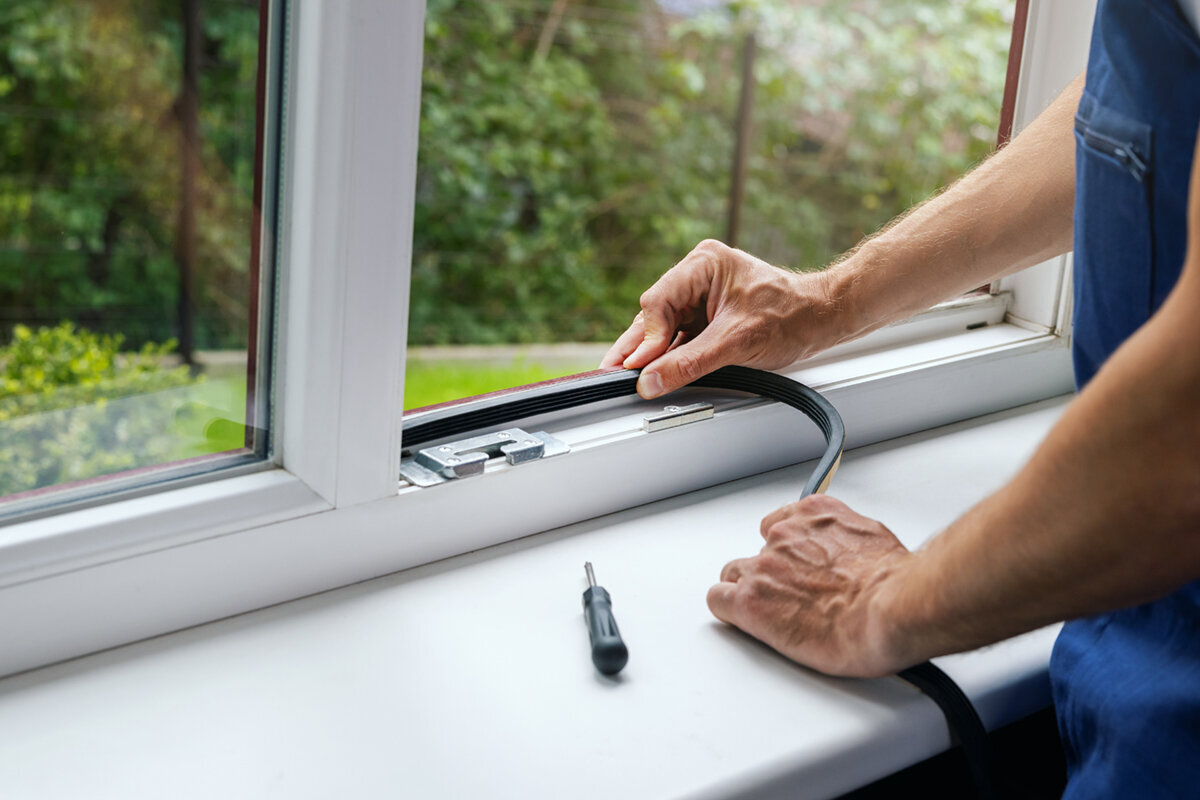
A local draught, resistant handle or uneven sash may arise from the seal, hardware or adjustment. Look for seals that have hardened, separated, loosened or compressed. Check whether the sash rubs, whether the clearance varies, and whether resistance occurs in only one operating position. None of these symptoms alone requires replacement. If the underlying unit remains sound, appropriate wear parts, skilled adjustment or hardware repair may provide a proportionate remedy. That depends on the cause, the condition of the system and whether compatible parts are obtainable. Do not approve routine adjustment without an explanation of why the alignment changed.
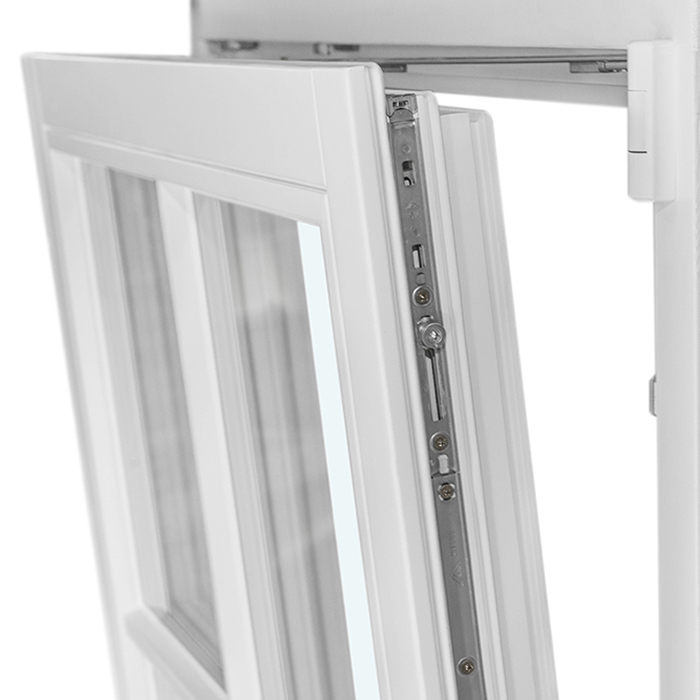
Repairing the fittings successfully still leaves the wider condition to consider. Confirm that the sash will remain aligned, each function operates safely and the supporting frame is stable. Replacement may also be sensible where another operating method would better suit everyday use. An inward-opening single-casement window uses a different movement pattern from an outward-opening unit, affecting both clearance and how the room functions. Before changing configurations, account for the clear opening, sill, radiators, curtains, furniture and outdoor space. This prevents a defect prompting a hasty product swap that later restricts practical use.
Make a repair decision with clear limits
A well-founded repair has a defined defect, a demonstrated cause and sound supporting and neighbouring construction. It can preserve an appropriate appearance without disturbing the opening. Require an itemised scope stating whether the contractor will clean, adjust, reseal, renew a pane, restore a finish or service the fittings. Define exclusions too: which elements remain untouched, what related damage falls outside the quote, and what later sign should trigger reassessment? Written boundaries allow genuine comparison between offers and stop substantially different jobs from being bundled under the single label of repair.
Do not pursue repair indefinitely simply because it is possible. Recurring dampness, interconnected areas of decay, unreliable support or sashes that no longer serve their purpose may lead to one intervention after another. In that situation, obtain a complete replacement proposal covering removal, disposal, any alteration of the opening and restoration of nearby finishes. Retain the original inspection notes, dimensions and photographs if you initially choose repair, as they provide a baseline for later comparison. Where windows contribute strongly to the building’s character, compare limited restoration, an accurate reproduction and a newly arranged unit before deciding which approach best preserves the intended appearance.
Plan replacement: do not simply reorder the old size
Use replacement as a chance to reassess how the window serves the room. Ordering from the old frame’s nominal size is inadequate. A proper brief records surveyed opening dimensions, wall construction, installation conditions, opening direction, sash count, handle position, divisions and any glazing bars. Identify the features to preserve, whether they are consistent sightlines, an established arrangement, period character or a calm expanse of glass. Openings in older buildings may be irregular and must not be treated as square by assumption. Have the actual site checked before committing to manufacture. Prepare a room-by-room use sheet noting sill height, sash clearance, ventilation, cleaning access and visible divisions, then compare it with the survey. One captures daily needs and the other physical constraints, allowing conflicts to be resolved before approval.
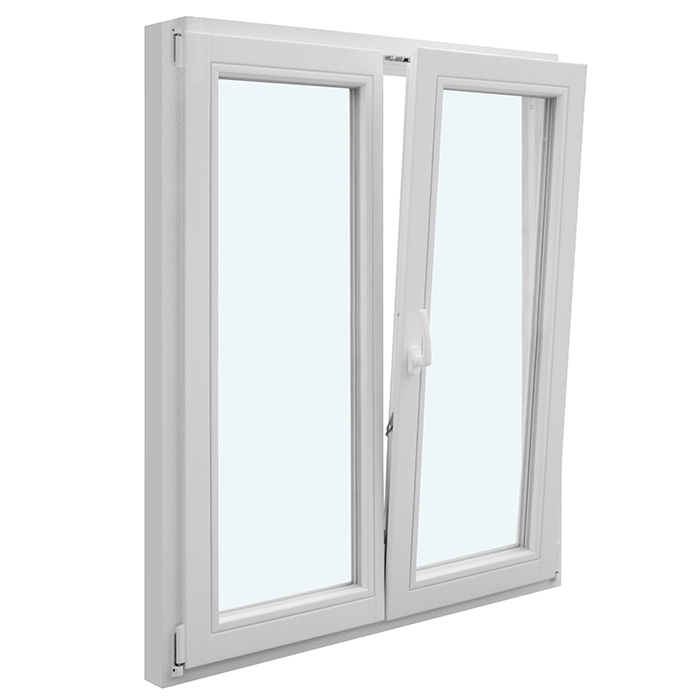
For rooms with two operable sashes, an inward-opening double-casement window may suit a room where two working sashes and inward movement are practical. Its name alone says nothing about compatibility with the wall, existing junctions or the performance the project requires. Confirm the dimension reference, outer frame measurement, clear opening, pane layout and hardware handing individually. Allocate responsibility for removing the old unit, protecting nearby finishes, completing junction work and making good. Full replacement may resolve more than a collection of small repairs, but careful coordination is needed so the result works with the building rather than merely occupying the opening.
Let daily use shape the opening and layout
A defect may start the project, but the room’s future routine should shape the answer. A kitchen worktop or narrow hallway creates different demands for handle reach, cleaning and sash clearance than an open living space. Identify the usual operator, plot the full swing and consider paths, planting and other outdoor obstructions. A broad moving sash provides substantial access but occupies more usable space as it travels. Conversely, fixed glass is not automatically advantageous where the room needs regular ventilation or an external route. Mark the sash arc on a plan and test it against furniture shown in its real position.
The arrangement of panes and sashes also changes how a room works. A slim opening section beside fixed glass may be more practical than two equal operable leaves. Irregular architecture should be measured on its own terms rather than forced into a standard rectangle. A fixed-glazed triangular and sloping window belongs to a range created for triangular or inclined openings, but only a detailed survey can establish project suitability. During consultation, describe sightlines, the preferred path of daylight and how the glass will be cleaned, not merely its outline. That keeps the decision focused on the window’s future role as well as its present defect.
Read heat, airflow and dampness together
Although draughts, cool interior surfaces and condensation are often reported together, each can have a separate origin. Unwanted airflow might pass a failed seal, an installation gap or a sash that is out of alignment. Surface warmth reflects the surrounding construction as well as the frame and glazing. Moisture generated indoors, heating patterns and ventilation also influence condensation. One cold morning is insufficient evidence. Log the exact position, room, weather, duration and whether the sash was shut or open. If the same damp pattern returns, a professional assessment can identify the causes and determine which remedies need to be coordinated.
When replacement forms part of a wider renovation, select windows in coordination with the façade, insulation, ventilation approach and heating situation. A Super Low Uw passive-house window opening outwards identifies a particular configuration; it does not establish that its junction details suit the building. Compare whole-window performance information across the proposed options rather than relying on one component value. Consider how greater airtightness could alter ventilation and everyday occupancy. Before ordering, ask appropriate qualified professionals and official bodies to confirm the technical requirements, any available assistance and the evidence required for the specific address. Applicable construction provisions, local climate and any strata or common-property approval must be checked for the individual project; this guide does not promise approval or programme eligibility.
Look more closely at roofs, curves and historic elevations
Unusual geometry requires closer analysis because either repair or replacement may significantly affect appearance and adjoining construction. For a roof window, the assessment must cover the roofing, inner reveal and physical access in addition to glass, seals and operation. A pivot roof window is one pivoting configuration that may be considered in a new design; it is not evidence that an existing roof unit can be exchanged without related work. Document installation position, operating height, shading, inner lining and any damp marks beside the opening. A contained defect may allow a focused repair with less disturbance. Multiple symptoms justify professional assessment of the roof-to-window junction as part of the same investigation.
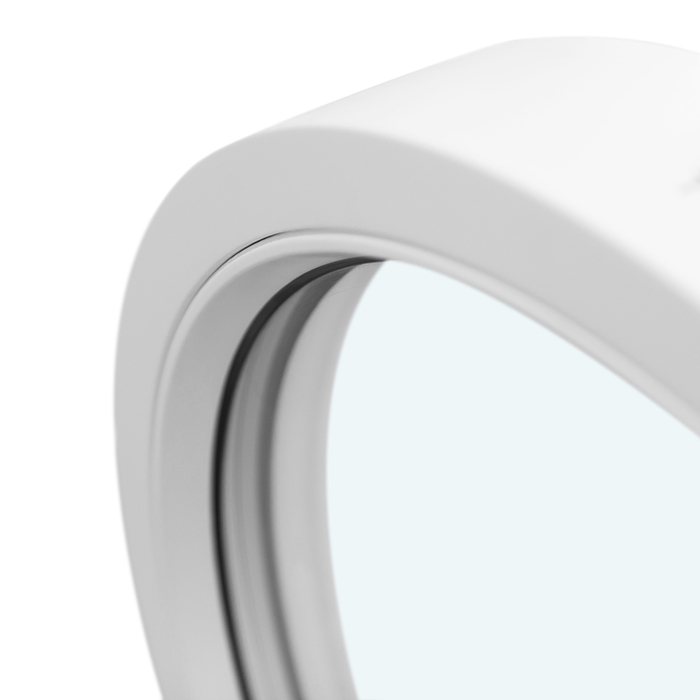
A circular or otherwise fixed shape remains a functional building element, not simply an ornament. A round fixed-glazed window is one possibility for a circular opening, subject to project checks covering size, glazing geometry, internal finishing and the wall junction. Where an elevation has historic character, make a detailed record of its profiles, divisions and bars before proposing changes. Distinguish decorative glazing bars from true glazing bars that physically divide the glass so quotations describe the same construction. Ask the relevant professionals and authorities whether the building or its surroundings impose additional requirements. Appearance alone is not enough to justify either retaining the unit or replacing it before those matters are understood.
Compare quotes, process and guarantee carefully
Compare the work included, not just the figure at the bottom of each quote. A repair proposal should identify the diagnosed cause, affected components, materials, access needs and likely follow-up. A replacement proposal should set out quantities, dimensions, handing, divisions, removal, installation, junction treatment, sealing, trims and restoration of nearby finishes. Establish which site measurements govern manufacture, when final configuration approval occurs and who resolves variations in the opening. Photographs may support an initial estimate, but they are no substitute for a reliable survey. Review each unit before ordering, particularly when a group appears similar yet contains small dimensional differences.
Sequence the window work with painting, plaster, flooring and façade tasks to avoid disturbing finished junctions twice. Clear safe access and protect furnishings beforehand. Bloomcabin provides a 5-year guarantee for its windows and doors. The stated delivery period is 4–6 weeks and remains subject to order confirmation. Where a new design includes a wide connection to an outdoor area, a Patio Life lift-and-slide door could be evaluated as a door arrangement; it should not be treated as a direct remedy for a defective window. At handover, inspect the movement, sash alignment, exposed finishes and all agreed details together, recording any departure from the specification in writing.
Frequently asked questions
Can a fogged window always be repaired?
No. Begin by locating the moisture and recording when it develops. Water on the indoor surface, condensation enclosed between panes and dampness beside the frame suggest different lines of investigation. A specialist should decide whether work confined to the glazing is adequate or whether the frame, wall junction and indoor conditions also require attention.
How do I check whether the seal alone is faulty?
A seal that is brittle, detached or visibly split is useful evidence, but it is not conclusive. Air may instead enter because the sash is misaligned, the fittings are faulty or the wall junction leaks. With the unit shut, identify the precise source and ask for separate written notes covering diagnosis and proposed treatment. That reduces the risk of renewing a sound seal while leaving the real fault untouched.
Must every window be replaced at the same time?
No. A staged approach can work when the condition, dimensions, visual result and junction details of each unit are coordinated. When similar deterioration appears across several windows, handling them as one project may streamline surveying, design choices and the construction sequence. Base the scope on each unit’s evidence and the combined work involved, rather than replacing everything merely because it is the same age.
What should I prepare for the first replacement enquiry?
Bring photographs taken from inside and outside, rough dimensions of each opening, the sash arrangement and preferred direction of movement. Describe the fault, the room’s use and nearby features such as sills, shutters, reveals or planned finishing work. These details support an initial discussion only; a site check must establish final measurements and whether the proposed configuration is suitable.
Is a new window automatically the better moisture solution?
No. The source might be humid indoor air, the window assembly, an unsealed junction, roofing or the façade. Installing another unit before finding that source can move the visible symptom without resolving it. Where dampness returns, arrange a combined investigation of the window, its connection and the surrounding construction before authorising either course of work.
Next step
A defensible choice starts with evidence, not a window’s age or a single symptom. Limited damage may favour repair when the frame, glass, fittings and wall junction can continue performing reliably together. Replacement becomes the stronger option when the remaining structure, intended operation or broader project demands it. Keep a record of measurements and findings, compare defined scopes rather than labels, and settle sash movement, divisions and junction details before ordering. Plan multiple windows collectively even if their eventual treatments differ. This turns an urgent response to a fault into a reasoned decision designed to remain suitable over time.
