
Replacing window glass: costs and keeping the frame

Plan window repairs properly
When a pane cracks, mist forms between panes or one window feels draughty, it is natural to ask whether new glass will do or the entire window should be changed. Start with the window’s condition, not the pane’s unit price. The glazing, frame, hardware, seals and wall junction operate together. If the frame remains dry, stable and functional, replacing the glazing can be a contained repair. But a warped sash, leakage around the building fabric or stiff operation may point to a more significant issue than the glass itself. Use this guide to seek comparable quotes and to plan glazing work alongside other building tasks.
Quote check 1
Judge the complete window rather than the obvious break
Damage visible in the glass may be only one part of the problem. Where impact or thermal stress has caused an isolated crack and the window otherwise closes well, changing the glazing may be appropriate. Fogging inside an insulated unit instead suggests failure of its perimeter seal. The surrounding frame might remain suitable, although drainage and the rebate still warrant careful examination. Ask for the window to be viewed from outdoors in daylight and from indoors while closed, rather than inspecting only the damaged face. Record any dampness, staining, peeling finish, air movement, rattles or difficulty operating the sash.
Focus on whether the sash offers a sound platform for the new unit. Its corners should be square, the beads secure, the bottom of the rebate undamaged and the hardware able to move the sash without scraping. For an inward-opening single-sash window separate a glazing fault from any contact between sash and frame. New glass will not, by itself, correct a sash that already rubs. Request written details of the components to be retained or repaired, together with any refitting risks identified by the contractor. This turns a broad request for repair into a scope that can be compared with other quotes.
Review the sash and frame before site measurement
On timber frames, pay attention to softened material, broken coatings, dark patches and signs of damp near corners or the bottom rail. A window specialist can distinguish routine surface maintenance from deeper deterioration. uPVC and metal frames need checks for cracking, distortion, failed welds or corner joints, and loose seals. The installation date does not settle the question: a well-maintained older window may accept new glazing, whereas a newer one with a distorted sash could require more extensive work.
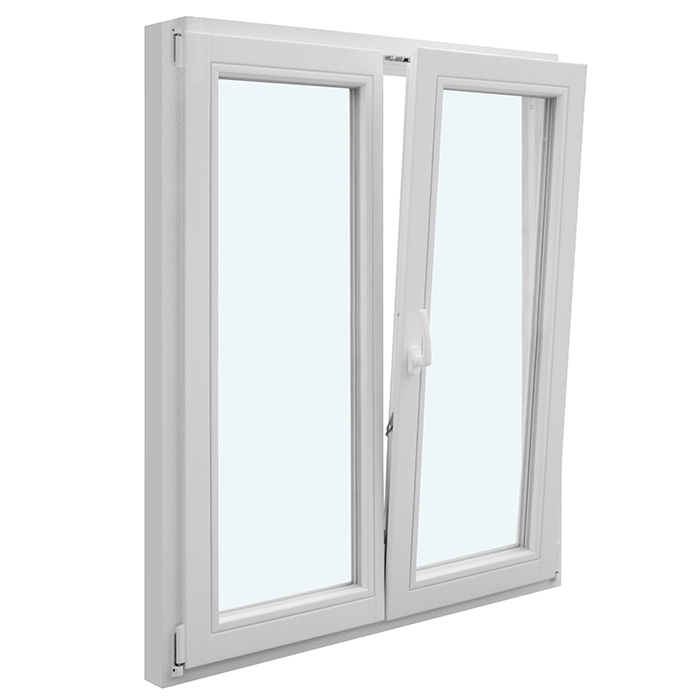
Operate the window as it is normally used. Cycle the sash several times, engage each locking point and check for consistent pressure along the seals. For a two-sash inward-opening window , also examine the meeting point, the order in which the sashes close and how they work together. A dropped sash or one that needs force to shut should have its adjustment or repair itemised separately. Confirm that the specified glass suits the current sash weight and hardware. Quotes are easier to compare when inspection, adjustment and glazing are defined together rather than treating the surrounding construction as irrelevant.
Quote check 2
What glass-replacement costs actually include
Build the total from the work required instead of relying on a broad square-metre rate. Site measurement establishes the unit dimensions and edge preparation. The quote may also need to cover the chosen glass, removal, setting blocks and sealing products, installation, final operating checks and waste collection. Complexity rises with large or elevated panes, restricted rooms, vulnerable finishes and external access requiring special equipment. Non-standard shapes, glazing bars and neighbouring fixed sections can add coordination even when only one area is damaged. For several windows, ask which charges apply per element and which arise once for the job. That shows whether combining the work is practical without assuming a bulk discount. Emergency boarding, another site visit or dedicated lifting and transport arrangements may be listed separately. Confirm that the price follows the job from initial measurement to a usable completed window.
Read competing quotes item by item. The words “replace pane” do not reveal whether site measurement, travel, protection, disposal or refitting the beads are covered. With a fixed-glazed window , the extraction method differs from an operable sash because hardware adjustment is unnecessary, but nearby finishes still require protection. Compare the proposed glass specifications as well as the quoted totals. The document should also set out how approval will be obtained if removal reveals damage to seals, beads or the rebate. This provides cost control without predicting concealed conditions.
Match the new glazing to the window already in place
A preferred modern glass specification will not necessarily fit an older sash. Overall unit thickness, mass and pane arrangement influence rebate clearance, block positioning and loads on the hardware. The contractor therefore needs to measure the rebate before recommending a compatible unit. Discuss the visible edge, perimeter spacer and the method used to seal the glass to the frame. Visual differences matter in an existing elevation too, because reflections, colour and spacer appearance may not match neighbouring windows.
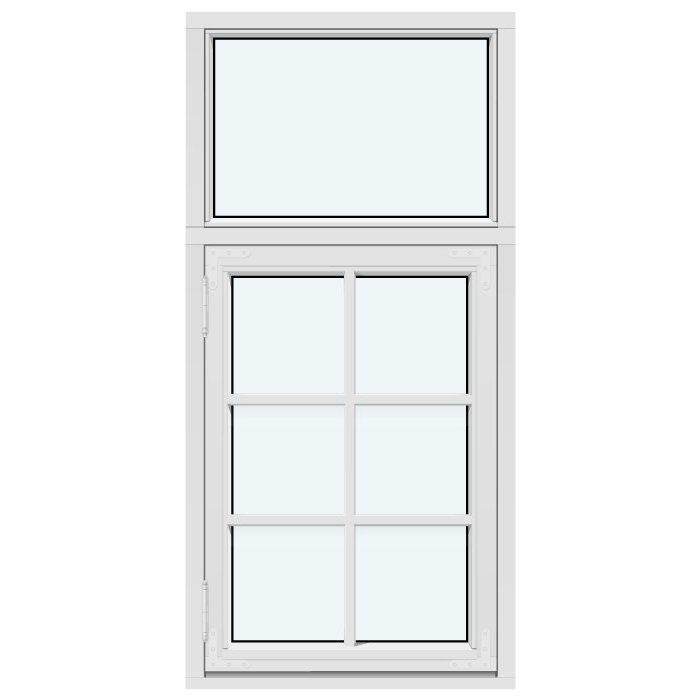
Where glazing bars are present, determine whether they physically separate the panes or are decorative pieces fixed to the surface. Each design calls for a different measurement and glazing arrangement. To preserve the character of an older building with an outward-opening heritage-style “Kombi” casement window , avoid specifying only “the same glass”. Document the sightlines, bar pattern and exact position of the damaged section. A detailed drawing or sample can remove ambiguity. Technical suitability does not guarantee a close visual match, while appearance must never compromise secure support or durable weatherproofing.
Quote check 3
Include seals, beads and drainage in the defined scope
Performance depends on more than the replacement unit: the glass must be supported correctly and protected around its perimeter from moisture and weather. Seal inspection is therefore essential. A brittle, split or contracted seal may leave the original leak unresolved after the glazing is renewed. For timber windows, inspect both the condition of the beads and how they are fixed. With other frame types, establish whether removal will damage the beads and whether compatible replacements can be sourced. The quote should distinguish the glazing task from associated remedial work. It should also separate parts proposed for preventative renewal from defects that cannot be seen until the rebate is opened. Agree beforehand how each category will be authorised. Ask whether hidden damage will be photographed, discussed before extra work proceeds or left untouched while a decision is sought. This preserves control over the scope without preventing an appropriate response on site.
Inspect the lower frame for damp marks and find out how the rebate discharges water. In the long term, a blocked or broken drainage route may be more serious than the failed pane itself. The same concern applies to an outward-opening top-hung awning window, although its exposure, access and opening action change how the inspection is performed. Ask whether the current seals are fit to retain, require renewal or cannot be judged until dismantling. Reuse should not be promised before an on-site assessment. A clear photographic record made before work begins also supports an orderly final inspection.
Identify where condensation forms before deciding on a cause
Moisture on the indoor face is not the same as fogging trapped between panes. Indoor condensation appears when humid room air meets a colder surface and may relate to occupancy, ventilation, indoor temperature or glass-surface temperature. Dampness inside the glazing cavity instead suggests that the insulated unit’s seal has failed. Under some weather conditions, condensation can also appear outside without indicating damage. A photograph rarely establishes the cause on its own. Note the affected face, the timing and whether moisture returns after being wiped away.
A new insulated glazing unit can address a failed unit, but not damp generated in the room or water entering at the wall connection. Where mould is present on the reveal, assess the room, junction and window together before authorising a glass-only repair. With an outward-opening Super Low Uw passive-house window , the model name likewise cannot establish how the installed window will perform in that building. A stated component value and real in-service behaviour answer different questions. For recurring moisture, obtain appropriate technical advice and coordinate the remedy before carrying out cosmetic surface treatment.
Quote check 4
Compare a targeted repair with replacement of the whole unit
Changing only the glass makes most sense when the defect is isolated and the frame, sash and controls remain dependable. Replacement of the complete window deserves closer consideration when faults overlap, such as distorted sashes, repeated seal failure, extensive frame deterioration or a deficient wall junction. Look beyond the immediate invoice and ask what unresolved work would remain after a glazing-only repair, including its likely effect on later maintenance and usefulness. An interim repair may be a deliberate choice, provided it is not presented as a comprehensive refurbishment.
A broad opening fitted with Patio Life lift-and-slide doors needs to be assessed as one operating system. The glass, sliding panels, running gear, seals and sill all influence everyday use. It may be possible to replace a broken unit independently even though stiff movement or a questionable junction needs separate investigation. Request two equally specific scopes: one for reglazing and its supporting work, and another for removing and replacing the complete assembly, reconnecting it and restoring surrounding finishes. Neither option should win by default. Clear inclusions and exclusions allow the actual condition and the broader renovation program to guide the choice.
Prepare access, measuring and protection within the property
Clear furniture, plants and fragile belongings from the work zone, or protect them before measurement begins. The contractor may need both indoor and outdoor access, enough space to handle glass safely, and advance notice of upper storeys, tight stairs or difficult façades. Pane size and site protection directly affect the method; large units cannot be handled like small sashes. Explain any scheduling or safety constraints created by children, pets or a business continuing to operate. With that information, the contractor can plan the visit rather than devise safeguards after arriving.
Confirm the position and geometry of roof or custom windows early. A pivot roof window involves access, internal finishes and weather protection quite unlike a window at ground level. Before the inspection, provide both close-up and contextual photographs, the opening direction, approximate height and width, and views of the reveal. They help with preparation but cannot replace final site measurement. Establish whether the sash must be taken out, how the opening will be covered during the task and which indoor surfaces need protection. Responsibility for removing glass fragments, packaging and any discarded beads should also be agreed.
Quote check 5
Sequence reglazing with the work of other trades
An isolated glazing job may proceed on its own. If work is also planned for the façade, interior plaster, roller shutters, sill or waterproofing, coordinate the sequence. Later activities should not damage fresh glazing, and another trade should not reopen a newly completed junction. A practical order is inspection, selection of repair or replacement, measurement, scheduling, protection, execution and handover. Give one person responsibility for collating questions, particularly in occupied or tenanted premises where unclear roles can cause wasted visits. Define the interfaces too: who removes shading, protects the sill and repairs affected paint or plaster? Record the measurements and decisions that one contractor needs from another. A short responsibility schedule often clarifies more than dates alone, including whether the glazing contractor is handling only the glass or also the frame and adjacent finishes.
New openings, structural alterations and façade work require more than a decision about glass. The design must resolve the relationship between the window, the wall junction and neighbouring construction. Precise site dimensions and a well-defined interface are particularly important for triangular or sloping fixed glazing because standard dimensions cannot substitute for its geometry. Have the responsible, suitably qualified practitioners assess requirements for the particular project. This article is not a design service or condition report. Early coordination is useful because it gives everyone a common understanding of where each contractor’s work starts and finishes, not because it supplies universal assurances.
Keep clear records of the quote, handover and guarantee
The quote should identify each window by room and position and note its approximate dimensions, opening action and damage. It should specify the glass, removal and fitting work, setting and sealing materials, access needs and disposal. Give every proposed alternative a separate scope. Ask what happens once the order is confirmed; Bloomcabin windows and doors have a delivery period of 4–6 weeks, subject to order confirmation. Do not commit other trades until the specific order and work sequence are settled. Before approval, reconcile dimensions, quantities, opening directions and element locations with the confirmation. Similar windows in one room can be distinguished by a sketch or position code. Require an explanation for phrases such as “as required”, including who decides, how consultation occurs and who approves extra cost. A written exclusions list can prevent later assumptions about plastering, painting or junction work.
Carry out the final inspection in strong, even light. Look across the glass and its edges for visible defects, confirm that seals and beads sit securely, operate each sash and check that the area has been left clean. For an outward-opening two-sash casement window, test both sashes, every lock and the way the pair meets at the centre. Photograph concerns and notify the contractor promptly. Bloomcabin provides a 5-year guarantee for its windows and doors. File the invoice with the order confirmation, product information and photographs taken before work; keeping that evidence together makes later queries easier to resolve.
Common questions
Can just one pane of an insulated window be changed?
Usually the contractor replaces the complete failed insulated glazing unit rather than a single layer within it. Feasibility depends on the sash, rebate, beads and availability of a compatible new unit. The window should be professionally inspected before final dimensions are taken.
What does fogging inside the glazing unit mean?
Fog or moisture trapped between the panes generally signals failure of the insulated unit’s seal. Where the surrounding frame remains serviceable, renewal of that unit may be feasible. The assessment should also cover the seals, beads, drainage routes and operation of the sash.
Does reglazing always require removal of the sash?
Not necessarily. Construction, dimensions, position and site access determine whether work can occur with the sash installed or requires removal and extra restraint. Before starting, the contractor should outline the chosen method, planned protection and any likely effect on surrounding finishes.
Will replacement glazing alter the window’s appearance?
Potentially. This is a design consideration as well as a repair decision because reflections, colour, glazing-bar patterns and visible edges may differ. Where several matching sections share an elevation, compare them before ordering so the renewed section does not become an unintended visual feature.
What should I provide when seeking a quote?
Send indoor and outdoor photographs, identify the room and opening action, describe visible damage, and give approximate width and height in cm. Previous invoices or product literature are useful where available. This material helps the contractor prepare but does not take the place of professional measurement at the property.
Next steps
Reglazing need not be a makeshift response when the existing assembly can support it. It is a focused repair once a professional has checked the frame, sash, seals, rebate and operation. A useful enquiry therefore goes beyond dimensions and one damage photo: explain the condition, access, desired appearance and any connected building work. Compare what each quote includes rather than focusing only on its headline total. If the assessment uncovers several weaknesses, request a parallel evaluation of complete window replacement. The resulting choice will reflect the condition of the whole element, not merely the broken glass.
