
Running Power to a Garden Shed: What to Discuss With an Electrician
Garden shed planning
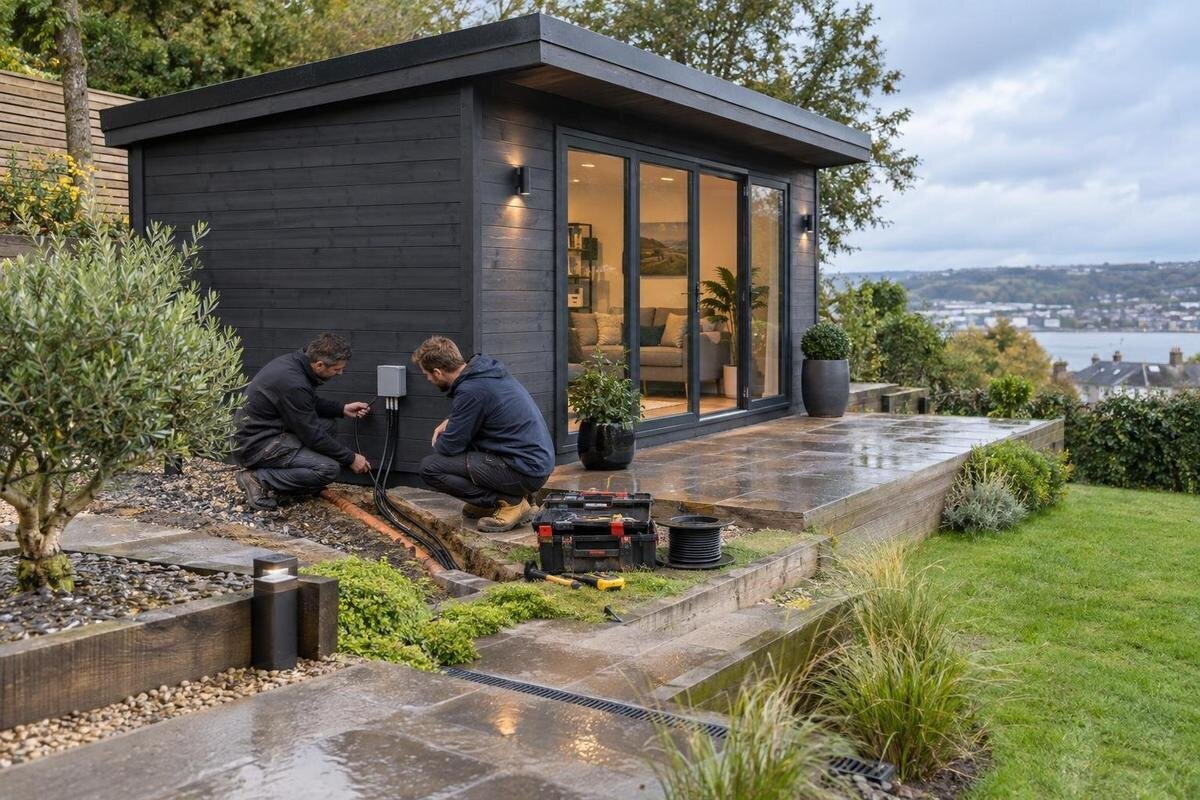
Power for a garden shed should be planned around how you will use it and the conditions on your property. Before ordering a shed or booking work, decide what needs power and prepare a site sketch for a licensed electrician. You can then discuss the cable route, supply capacity, safety requirements and approvals without trying to specify an electrical installation yourself.
01
Decide what the shed will be used for
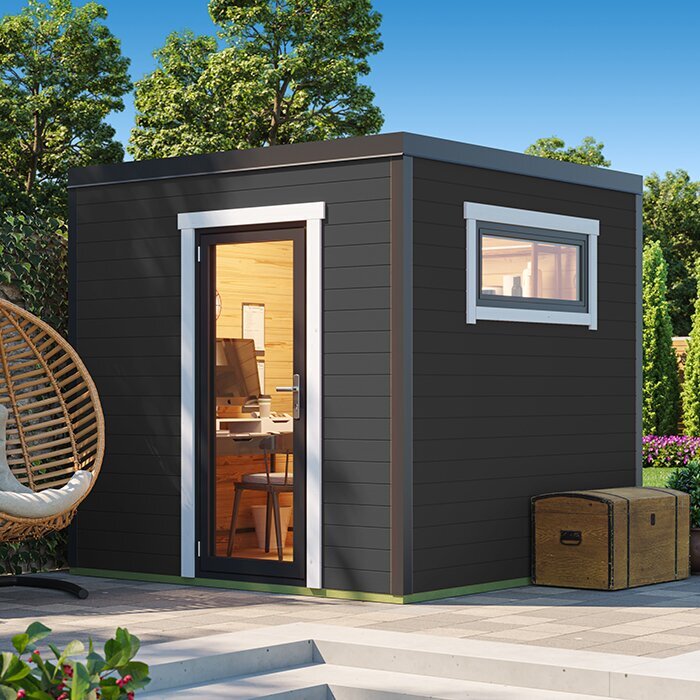
Begin with the job the shed needs to do. A space used mainly for storing garden tools has different priorities from one where you plan to use bench equipment, charge appliances, pursue a hobby or work at a desk for long periods. Note how often it will be occupied, whether people may use it at the same time, and which activities are essential. An electrician can use that picture to discuss a suitable supply and layout; a product name alone cannot say what the finished electrical setup will support. A listing such as the Verdana 1 garden house identifies a building option, not an electrical specification.
Write down the equipment you have now and anything you are seriously considering for later. Include lighting, chargers, tools and any heating or cooling appliance you expect to use, without trying to calculate the electrical requirements yourself. Where possible, keep the model details or manufacturer information for the electrician to review. Separate essentials from nice-to-haves: that makes it easier to compare a plan designed for your actual use with optional provision for a future change. If you are not sure what equipment will be used, describe the uncertainty rather than asking the electrician to plan around a vague possibility.
Choose the shed position and orientation
Mark the proposed shed footprint on a rough site plan before discussing a cable route. Show the house, the likely point where the supply would begin, fences, paths, established trees, garden beds and any surfaces or structures that could affect access. Add known services or obstacles if you are aware of them, but don’t treat a homeowner’s sketch as a confirmed services plan. Tell the electrician what you know and ask how any services that could affect the work will be identified. A clear sketch gives them a more useful starting point than a description such as “near the back fence”.
Orientation matters inside the shed as well as across the garden. Mark the doorway, windows and the places you expect to put a bench, desk or storage; these can affect where power points and switches would be useful. Confirm the chosen model’s dimensions and layout with the supplier rather than relying on a product photo. For example, use confirmed details for the Verdana 2 listing when marking the proposed position and interior arrangement. If you later rotate the shed or move the door-facing side, tell the electrician before the electrical plan is finalised.
02
Discuss the cable route with the electrician
Show the electrician both ends of the proposed route, if you know where the connection might begin and where you want power to enter the shed. Ask them to assess the options on site. The line that looks shortest on a sketch may not suit the property once paths, paving, planted areas, access and other services are considered. A route can also affect future garden work, so mention any plans for landscaping, new structures or changes to outdoor surfaces. Once you have marked a position for the Durano garden house listing, include it on the same plan so the route can be considered in relation to the actual location.
Ask what the proposed route means for the rest of the job, including access to the work area and any coordination with other trades. Clarify who is responsible for checking services, carrying out any associated site preparation and reinstating surfaces if work affects them. These responsibilities may sit outside the electrician’s electrical scope, so don’t assume they are included in a quote. Ask for the intended route and any important assumptions to be described in writing. That record helps avoid confusion if the shed location, garden layout or agreed work changes before the job starts.
Check the existing supply and expected demand
Ask the electrician to assess whether the property’s existing supply and switchboard arrangement can accommodate the shed’s intended use. The answer depends on the actual installation, what else is used at home and the equipment you plan to run in the shed. Share the appliance list rather than estimating what the electrical system can handle. You do not need to inspect the switchboard or work out capacity yourself. A product page, including the Veltor 1 product page, is not evidence that a particular property can supply power to a shed; that question needs an assessment of your site.
Talk through priorities as well as total demand. Explain which activities must be supported from the outset and which might be added later, such as another tool or a different use for the room. Ask whether the electrician can outline practical options and explain what each option would cover, including any limits you should understand before deciding. This is more useful than paying for provision based only on a distant possibility, or discovering later that the original plan did not account for a regular activity. Keep the discussion focused on your real equipment and likely use, not on a do-it-yourself calculation.
03
Plan power points and lighting around the layout
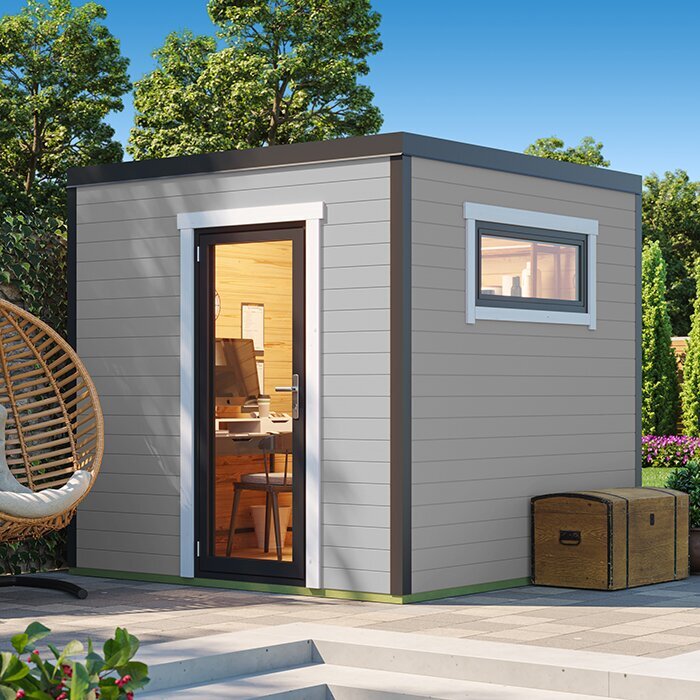
Sketch where you expect to put a workbench, desk, cupboards, shelves and larger equipment, and note how the door opens. Use that layout to discuss power point locations with the electrician. Points hidden behind storage or blocked by a bench can be inconvenient, while poorly considered leads can get in the way of normal movement. You do not need to choose a number or height yourself: describe the tasks and furniture positions, then ask the electrician to propose locations that suit the use and applicable requirements. Once the supplier confirms dimensions for the shed you select, whether Orello 1 or another model, update the sketch to match.
Describe the lighting you need for ordinary movement and for any close or detailed work. The electrician can discuss fitting and switch positions in relation to the doorway, work area and likely furniture, and whether an external light is part of the brief. Consider where shadows or glare might be troublesome, but don’t specify fittings based on a picture or a generic room plan. If your intended use is still flexible, ask which parts of the layout need to be settled now and which can remain open. Agree on the proposed positions before the shed is assembled or the interior is arranged around them.
Consider the shed’s environment and construction
A garden shed may experience conditions that differ from those inside the house. Depending on its position and use, the electrician may need to consider moisture, dust from tools, heat, condensation or exposure to cleaning and garden products. Describe the conditions you expect, including whether the shed is in a sheltered spot or is used for dusty work. Ask what safety measures and equipment are appropriate for that particular site. Don’t assume that a product label or the shed’s appearance establishes that its interior is suitable for any electrical fitting or appliance.
The shed’s construction and assembly sequence can affect how the electrical work is coordinated. Ask the supplier what construction details or instructions the electrician should see, and raise any planned wall or other building alterations before work is agreed. For a model such as the Modano 1 listing, check the details for the exact version you are considering rather than relying on the name or an image. Have the electrician advise on the electrical requirements, and ask the supplier about any changes to the structure. Agree which person is responsible for coordinating those decisions; don’t make alterations to accommodate wiring without that advice.
04
Confirm approvals and who is responsible
Before committing to the work, ask the electrician what approvals, inspections, notifications or network-provider coordination may apply. Requirements can depend on the work and its location, so avoid treating a neighbour’s experience or an online example as a definitive answer for your property. If you are unsure about approval for the shed itself, its position or other building work, check with your local council or the relevant authority. Clarify whether the electrical work and the shed have separate approval processes, and who is responsible for each one.
Coordinate the electrician with the shed supplier or installer while the assembly plan is still being discussed. Confirm when access is needed and whether the electrician’s scope depends on a particular stage of assembly. Ask who will manage any site preparation, arrange access and deal with work that sits outside the electrical quote. If your shortlist includes the M Timber garden shed listing, keep the exact model details available for that conversation, but don’t assume a product listing defines the electrical scope. Clear roles reduce the chance of missed work or conflicting assumptions between the trades.
Keep access and future changes in mind
Think about how the shed will look once it is in everyday use, not just while it is empty. Ask whether switches and power points will remain reachable after shelves, stored tools and furniture are in place. Avoid planning storage that would block access to controls or make the electrician’s future work difficult. If particular equipment needs a clear area around it, show that position on your layout. The electrician can advise on suitable arrangements; the aim is to make the agreed plan usable after the shed is set up, rather than placing fittings wherever there happens to be space during assembly.
Consider likely changes to the garden over the life of the shed, such as paving, planting, irrigation or a new structure nearby. Tell the electrician about plans that could affect access to the agreed route or work area. Ask what information about the completed work you should keep, and retain the agreed plan and relevant paperwork with the shed documents. Keeping the exact model name, such as Timber Tool Shed S, in your notes can help you relate those records to the building you chose. Future work should be discussed with a qualified professional rather than based on assumptions about what is behind a surface.
05
Compare quotes by checking what each includes
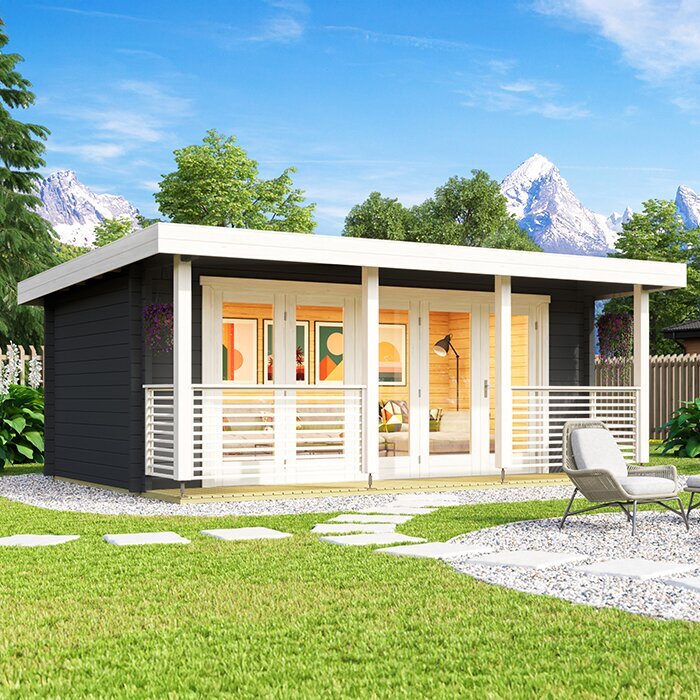
A useful quote should describe the agreed scope clearly enough for you to understand what is being proposed. Ask whether it covers assessment of the supply, the route, the planned power points and lighting, any switchboard work, and any required approvals or documentation. Confirm that the shed position and intended use match the assumptions behind the quote. If the document uses broad descriptions, ask what they mean before accepting it. A low or high total on its own does not tell you whether two quotes include the same work, use the same assumptions or leave the same tasks to you.
Check exclusions and responsibilities as carefully as inclusions. Ask who arranges site preparation, access, coordination with the shed installer and any repair or reinstatement that may be needed after associated work. Confirm how a changed route, a different shed position or a revised equipment list would be handled. Ask what records you will receive when the work is complete and whether any inspection or follow-up is part of the quoted scope. Written answers make comparisons clearer and help you decide whether the electrical plan fits the budget and the shed purchase without relying on assumptions.
Confirm the details before placing the order
You do not have to settle every electrical detail before choosing a shed, but the position, orientation and actual model should be discussed early enough to avoid planning around the wrong building. Ask the supplier for confirmed dimensions and relevant assembly information for the version you intend to buy. Give those details to the electrician, especially if they change the internal layout or the route being considered. If you have not yet chosen between models, share the options and ask whether a difference in location or layout would affect the planning discussion. Don’t rely on a product photo or model name as a substitute for confirmed information.
Before you place the order, bring the decisions together: intended use, equipment list, site position, layout, proposed electrical scope, approvals to confirm and the responsibilities of each trade. Check that the shed you are buying fits the planned location and that the electrician has assessed the same arrangement you intend to build. If a detail remains unresolved, identify who will confirm it and when, rather than treating it as settled. With the building choice and electrical brief aligned, you can make the purchase with a clearer understanding of what the powered shed will involve.
Frequently asked questions
Can I run power to a garden shed myself?
Don’t use a general guide to choose a cable route or make electrical connections. Arrange for a licensed electrician to assess the work, and ask what site preparation, if any, you can handle under the requirements that apply where you live.
What information should I give the electrician?
Share a site sketch showing the proposed shed position, its orientation and any known obstacles. Explain how you’ll use the space, list the equipment you expect to use, and mention any planned changes to paving, gardens or other parts of the property.
Should I choose the shed before arranging power?
Decide on the likely model and location early enough to discuss them with an electrician before the plan is fixed. Confirm the actual dimensions and layout with the supplier. If the shed position or design changes later, revisit the electrical plan.
Will my home’s existing supply be enough?
There’s no reliable answer without assessing the existing supply, the property and the shed’s intended use. Give the electrician your equipment list and ask whether the current arrangement can support it, or whether any changes need to be considered.
Do I need council approval for shed electricity?
Approval and inspection requirements can depend on the project and location. Ask the electrician what applies to the electrical work, and check with your local council or relevant authority if you’re unsure about separate requirements for the shed or its position.
Good planning brings the shed purchase and electrical brief into the same conversation. Give the electrician a clear account of your intended use, the equipment involved and the proposed site, then confirm the shed’s dimensions and assembly details with the supplier. A site-specific assessment can address the route, supply, safety and approvals; a product listing or generic guide cannot settle those questions. The result is a more considered purchase and a plan that reflects the shed you actually intend to use.
