
How to Shade a Garden Shed With a Large Glass Front
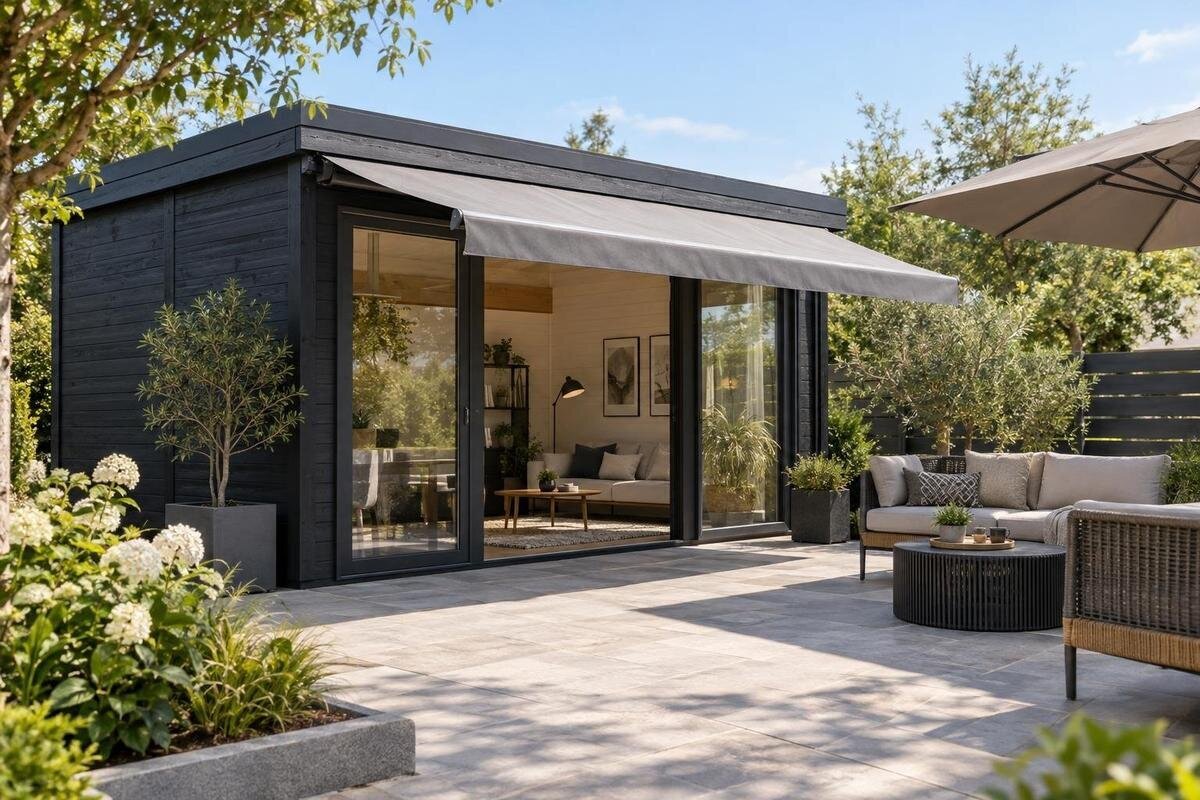
Garden shed buying guide
A large glass front can bring welcome daylight into a garden shed, but direct sun may cause glare and make some parts of the room harder to use. The right shade depends on when sunlight reaches the glazing, what happens inside and how much view and daylight you want to keep. If you are buying the shed as well, consider its position, opening layout and shade together rather than treating the covering as an afterthought.
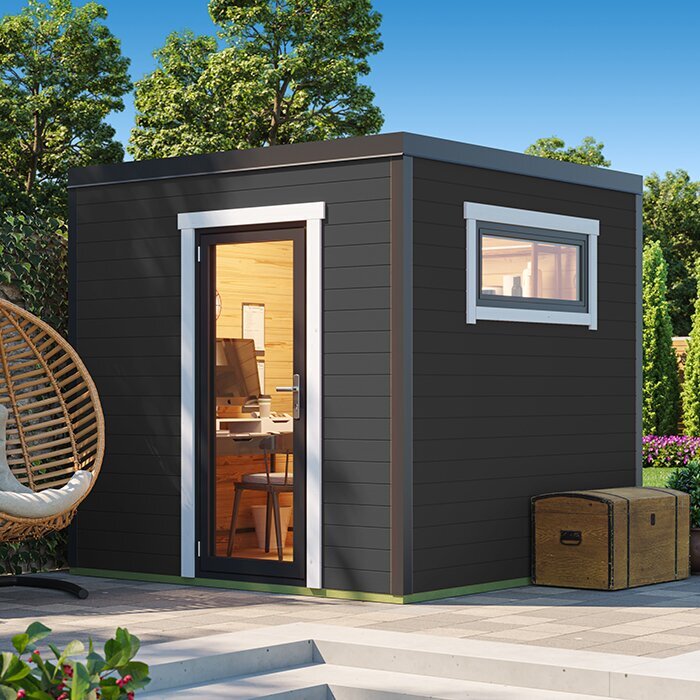
Map the sun at the glass front
Start by recording where direct sunlight reaches the glass, rather than choosing a screen from a product photo. Check the front at several points during the day on more than one clear day, and note whether the beam falls across the whole pane, one side or a particular height. High-angle sun may affect the upper glass, while lower morning or afternoon sun can enter more directly from the side. Also note when you use the room. A bright patch at a time you rarely visit may not need the same treatment as glare that repeatedly falls on your work area or chair.
Repeat the check at another time of year if you can, because the sun’s path changes with the seasons and one month’s record cannot describe every visit. Nearby trees, fences and buildings can cast shade that shifts or disappears, so treat it as variable rather than permanent. If the shed is not on site yet, use its proposed position and orientation on a garden plan, then confirm the sunlight once it is in place. Keep direct sun separate from general brightness in your notes: a room can be bright without a beam hitting the main seating or work area. This distinction can help you avoid covering the whole front when only part needs control. Photograph the front from inside and outside at the times that matter, and mark the date and time so the record remains useful later. Include reflections from pale paving, water or nearby windows if they affect the view or work surface. This simple record gives a shade supplier clearer information than a general description that the room feels too sunny.
Consider the shed’s position and orientation
Treat the building’s position as part of the shade decision. Before ordering a garden shed, check which way its glazed front will face in the proposed spot and whether the site allows you to turn the building. The same house can receive a different pattern of direct sun when its front faces another direction, changing the coverage and operating style you may need. Use a site plan to mark fixed boundaries, trees and nearby buildings, but don’t assume they will provide lasting shade. If placement is restricted, plan the house and shade together rather than buying a covering that only suits a different orientation.
Establish the actual glazed area and frame before asking for a shade quote. Product names and lifestyle photographs rarely provide enough information to size a blind or external screen. Read the listing drawings and specifications for the selected model, confirm which panels are glass, and ask about any missing opening or frame dimensions. When reviewing the Verdana 1 garden house page, use it to identify that product and check its own stated details; don’t size a shade from a photograph. If you need a custom covering, ask the shade supplier to confirm the measurement method and who is responsible for the final site measure.
Choose how much daylight to retain
Decide what you want the room to do before settling on how much of the glass to cover. A covering across the full front can help control direct light or views, but it also reduces the daylight you may want on cloudy days. A partial shade may preserve more of the outlook or protect one work area, yet leave glare at the edge. Think about whether you want the whole room more evenly shaded, a particular patch of sun removed, or the option to switch between the two. Those are different requirements for a shade’s coverage and operation.
Material openness, colour and position affect how a covering looks from inside. A more open weave may retain more of the view and light than an opaque screen, while an indoor light-filtering blind may soften the light without providing privacy. Ask suppliers for samples or images that show the material against glazing, and consider how it looks with sunlight behind it. For the Verdana 2 garden house, confirm the actual glass layout before discussing coverage with a supplier. Don’t assume that another model has the same front or that a similar product name means the openings are arranged alike.
Reduce glare where you use the room
Glare is easier to address when you know what it interferes with. In a work area, note whether direct sun falls on a screen, glossy tabletop or tools; in a sitting space, check whether it shines towards the main chair or crosses the usual view. A covering chosen only for the whole window may leave the bright angle untreated if the sun comes from the side. Where possible, settle the desk, bench or chair position before specifying the shade. That way, you can describe the actual line of sight to a supplier instead of buying a larger covering by default.
Consider the kind of light you want for the main activity. A room used for reading, making or sorting may need useful daylight without a sharp beam on the work surface, while a space used mainly for looking out may call for a different balance. If the furniture cannot move, give its position to the supplier and ask whether the proposed coverage addresses that angle. A sample can help you judge how a fabric looks, but it won’t reproduce every change in sunlight across the day. Base your decision on your observations as well as the sample, rather than treating colour or openness alone as a guarantee against glare.
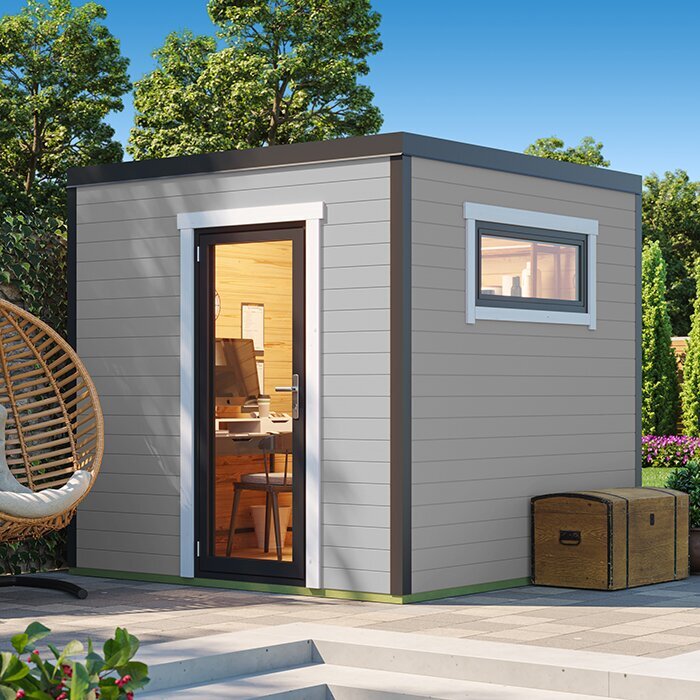
Balance privacy with the view
Check sightlines from the places where people might approach the shed, such as a path, gate or neighbouring outdoor area. A screen selected only for sun control may not block those views, and a more private covering may close off the outlook you want. Note whether you need to screen the whole front or only a particular section, and whether the main concern is someone looking in while you work or sit. This can help you compare a full covering with a smaller or adjustable option without assuming that shade and privacy are the same job.
Think about privacy in daylight and after dark. Some materials that retain a view from inside may also allow people outside to see in, depending on the angle and the light levels. A lit room can have different privacy needs from an unlit one, so don’t rely on a daytime view of a sample alone. If you are considering the Durano spacious garden house, check the actual glazing and opening arrangement on its product information before sketching the sightlines. Use those details to explain the privacy requirement to the shade supplier, then ask how the proposed material behaves from both sides.
Compare fixed and adjustable shade
A fixed shade provides the same coverage whenever the sun is out. It may suit a consistent pattern of exposure, but can reduce daylight when you would prefer an open view or brighter room. An adjustable screen or awning gives you more control as the light changes, though it brings operating parts and a need to consider where the covering moves. An indoor blind or curtain is another option where controlling the light and view from inside is the main priority. Compare each type against your observations, rather than assuming one style suits every glazed front.
Ask what the proposed system needs to attach to and how it will operate alongside the garden house. A shade supplier can explain the fitting requirements, while the house manufacturer can confirm what is suitable for the chosen building; don’t guess from a photograph. When reviewing the Veltor 1 garden house, use the listing to identify the model and check its own information, then ask about any details the page does not provide. If a mounting point or surface is unclear, get advice from the manufacturer or a qualified professional before placing an order.
Keep doors and access clear
Include every opening in the shade plan. A hinged door needs room to swing, while a sliding or folding arrangement has its own movement and access requirements. An external screen, awning or guide can obstruct a handle or doorway if its position is not coordinated with the openings. Draw the door’s travel area on the plan and note when it needs to be open, including when you are carrying items in or out. Don’t choose a shade solely by measuring the glass; the space around it may matter just as much to everyday use.
Ask the shade supplier to check the proposed system against the garden house’s current drawings and the way its doors operate. For a shortlisted model such as the Orello garden house, verify the actual door arrangement from its product information rather than inferring it from the name or a catalogue image. Confirm what happens when the covering is open, closed or retracted, and whether it affects the usual route into the room. If the listing doesn’t show enough detail to resolve a clearance question, ask before ordering instead of leaving the fit to chance.
Check outdoor suitability and upkeep
An external shade is exposed to conditions that an indoor blind may avoid. Ask the supplier whether the fabric, finish and operating parts are intended for the exposure at your site, including the amount of sun and the weather they may encounter. Check what the maker says about fading, cleaning and care, and whether the material needs particular maintenance. Don’t treat a general description such as outdoor use as proof that a product suits every setting. Where wind or rain exposure raises questions, ask the shade supplier for guidance on the specific system rather than relying on a broad product label. Ask how the system should be left when the shed is unattended and whether its operation changes in particular weather conditions. Also consider leaves, dust, pollen and splashback from nearby paths or garden beds, as these can affect cleaning frequency. Positioning that makes the covering difficult to reach may turn routine care into a neglected job, so include access for cleaning and inspection in the plan.
Think about upkeep before comparing options. Find out whether the covering can be cleaned without difficulty, which parts may need attention and what service or replacement arrangements are available. Ask for warranty terms and conditions in writing; don’t assume that all fabrics, fittings or installation work are covered in the same way. Review the details for the exact garden house, such as the Modano 1 garden house listing, alongside the shade product information. If attachment compatibility or care instructions are not clear, get confirmation from the relevant manufacturer before you commit.
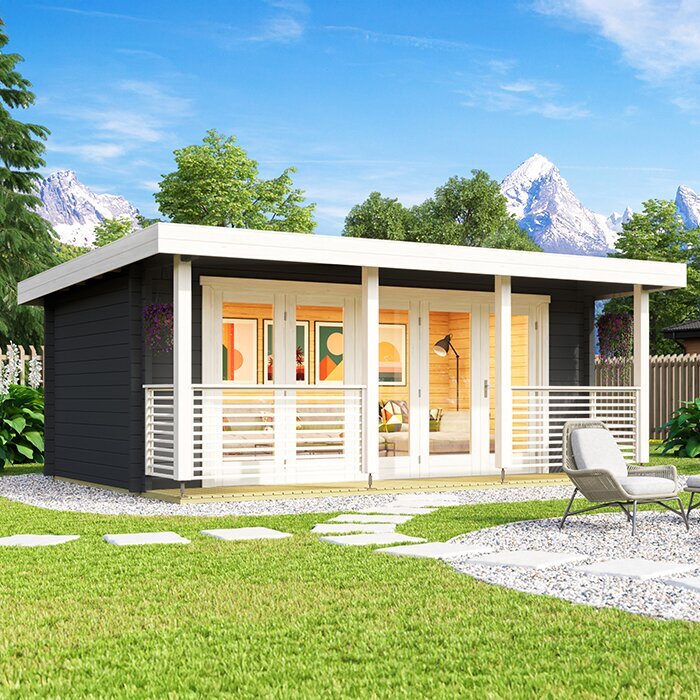
Compare the full purchase and installation scope
A useful comparison covers more than the visible fabric. Ask each shade supplier to state what the quote includes, such as the covering, frame or operating mechanism, site measure, installation and any additional work. If you are considering a powered control, confirm who supplies and installs it, and include a qualified professional for any electrical work. Check whether removal or disposal of existing fittings is relevant, and ask about the expected timing for measuring and installation. These details make it easier to compare quotes on the same basis without assuming that a low headline figure covers every part of the job. Request a written description of any preparatory work that must be completed before installation, including access to the site or any surface preparation. If the quote excludes a task, record who will arrange it and when it needs to happen. This avoids a covering being ordered to a design that cannot be fitted as planned.
Keep the building purchase separate from the shade quote unless the documents clearly state that both are included. A product page such as the M timber garden shed listing identifies a particular garden-shed model; it does not, by itself, establish what a separate shade supplier will provide. For the house you actually choose, note the listed inclusions and exclusions, then ask for the shade work to be itemised separately. Confirm who is responsible for checking the opening, the mounting requirements and any compatibility question, so an omitted task does not surface only after the house has been ordered.
Confirm the specification before ordering
Put the details a supplier needs in one brief: the exact garden house model, its position and front orientation, the confirmed glazed area, the preferred amount of shade, and any privacy or access requirements. Include the door arrangement and the location of the main work or seating area. Ask who will take the final measurements and whether they need to inspect the site. Sending the same information to each supplier makes their proposals easier to compare and reduces the risk of receiving quotes based on different assumptions about coverage or installation.
Keep each product page and shade proposal paired with the exact model it concerns. A listing such as Timber tool shed S identifies its own item; its details do not establish the glazing layout or mounting points of another garden house. For the glazed shed you intend to order, rely on its own current information and a confirmed measure. Before accepting the quote, check that the stated coverage, door clearance, operating method, included work and any unresolved compatibility questions are recorded in writing. That gives you a clear specification to refer to if the order needs clarification.
Frequently asked questions
Is an outside shade better than an indoor blind?
For blocking direct sun, an outside shade intercepts it before it reaches the glazing; an indoor blind mainly changes the light and view inside. The result depends on the covering, its fit and the glass, so don’t assume a particular level of performance from the shade type alone.
Can I reduce glare and keep the view?
Often, but the balance depends on the material, coverage and angle of the sun. An adjustable or more open covering may preserve more of the view than an opaque fixed one. Ask for a sample or a view of the material against glazing before deciding.
Will an exterior screen provide privacy at night?
Not necessarily. A screen that limits views in daylight may offer less privacy when the garden shed is lit from inside. Check the supplier’s information and consider the sightlines after dark as well as during the day.
Should I choose fixed or adjustable shade?
Fixed shade may suit a sun pattern that is consistent and predictable, while an adjustable option lets you change coverage as the light shifts. Compare how each works with your preferred daylight, access, maintenance and operating needs.
Can I attach an awning or blind to any garden shed?
Don’t assume that a frame or wall can take a particular shade fitting. Check the garden house manufacturer’s guidance and ask the shade supplier what mounting points are required. Get a qualified professional to confirm suitability where needed.
Good shade planning starts with the sun pattern at the actual garden house, not a generic idea of what a glass front needs. Once you know which areas cause glare, how much daylight and privacy you want, and how the doors must work, you can compare systems against the same clear requirements. Match the final shade specification to the exact building and confirmed opening measurements, so the glass remains useful without compromising access or the view you chose the garden shed for.
