
Black Friday buying guide: choose a small timber garden shed layout
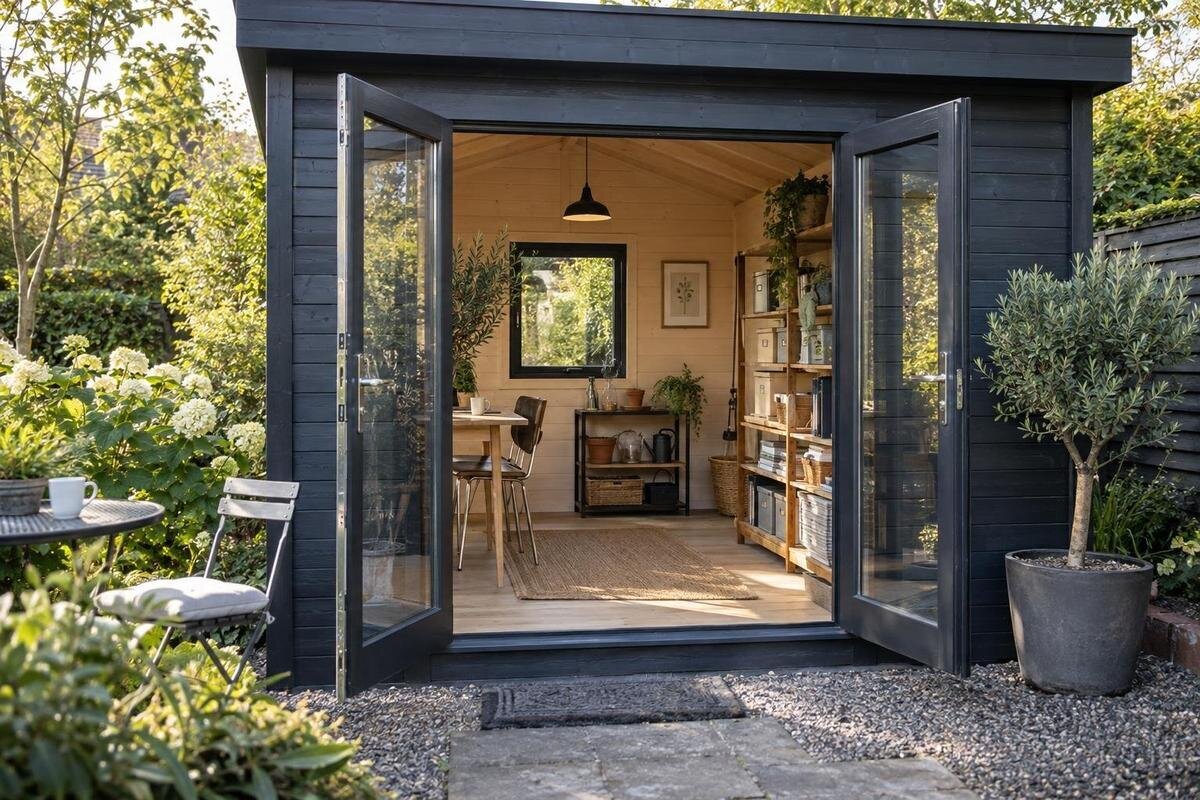
BLACK FRIDAY BUYING GUIDE
If you’re planning to buy a small timber garden shed this Black Friday, let the layout decide which listings deserve attention. A compact footprint can still be awkward if the largest tool won’t pass through the doorway or everyday items end up buried at the back. Measure the proposed space, map the route in and out, then compare product details and any published offer. The aim is a shed that fits both the backyard and the way you store things, not simply the smallest option on a seasonal page.
List what the shed needs to hold
Before browsing, write an inventory of bulky equipment, hand tools, garden supplies, seasonal items and anything you need to reach often. Measure the largest item in length, width and height, including fixed handles, protruding wheels or covers that add bulk. Measure it in the form you intend to store it, rather than assuming an attachment will come off. If several pieces usually sit together, record their combined width too. Note anything you plan to add soon, but avoid sizing around an undefined future collection. Keep measurements in the same units as product-page figures so each comparison is easy to check.
Rank the main job: keeping tools together, organising garden supplies, or holding a mix of both. Long-handled equipment needs a different arrangement from tubs or boxes, and items used weekly should not be trapped behind things stored for one season. Mark what must stay upright, what may be stacked and what needs quick access. That gives you a way to test a layout rather than chase the largest possible footprint. For a compact shed, a sensible order of access can matter as much as the number of items you can fit inside. Include the space needed to lift lids, pull out containers and safely retrieve items from low or rear positions. This helps distinguish usable storage from space that is technically available but difficult to reach.
Measure the footprint and the approach
Measure the proposed position on the ground, not just the patch that looks empty. Mark the maximum footprint with string or temporary markers and view it from the house, gate and main path. Note fixed features such as fences, garden beds, taps and established planting, and check that the shed won’t narrow a route you regularly use. Think about the yard when doors are open and equipment is being carried past. A rectangle can look generous on a plan while the real approach feels pinched, so marking it out is a quick way to spot conflicts before comparing listings.
Treat the outside footprint and usable storage area as separate measurements. Check the published width and depth, then look for internal dimensions and the clear doorway size; product pages may present these figures in different ways. Don’t use a stated floor area as a substitute for a plan of where tools will sit. Include room to approach and operate the entrance, and confirm any product-specific clearance guidance with the seller. Avoid applying a universal margin: the space needed depends on the door arrangement, the site and the manufacturer’s instructions. Also consider the working route from the shed to the part of the garden where equipment is normally used. A direct path can make a modest shed more convenient than a larger one that interrupts everyday movement around the yard.
Test the layout against the largest item
Start the layout with the biggest item that must go inside. Compare its dimensions with the clear opening, then think through the route: can it pass through the gate, turn along the path and enter without being lifted over an obstruction? Measure the item in the orientation you’ll carry it, not only in the position where it will be stored. A long tool may fit diagonally on paper yet be awkward to manoeuvre if other items occupy the turning area. Note what would need to come out before you can reach it; access order is part of capacity.
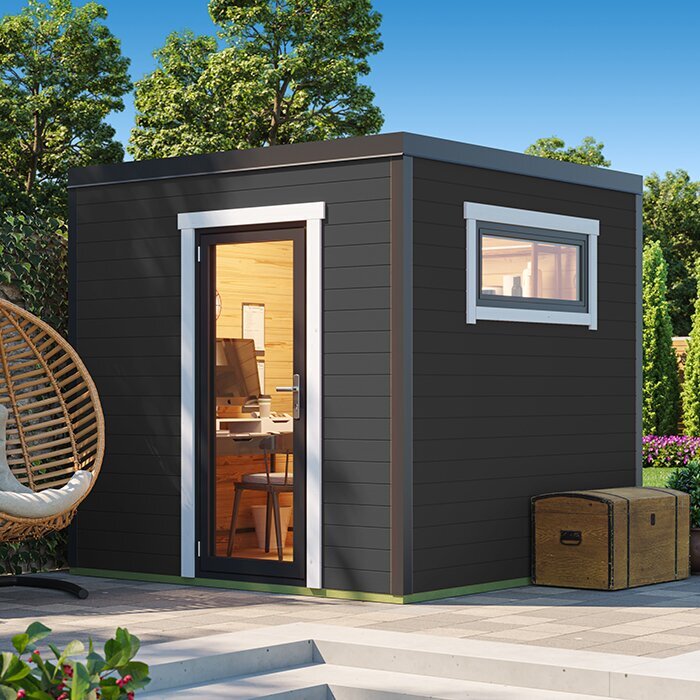
Draw the internal space and doorway from the product’s stated measurements, then mark the largest item and its route on the plan. If those measurements aren’t published or are unclear, ask the seller rather than estimating from a photograph. A page such as the Verdana 1 garden house listing is a candidate to test against the same drawing; its name and image don’t establish whether your equipment fits. Repeat the test with everyday items in their intended positions, so the plan reflects a working shed rather than an empty room. This also reveals where storage would block the path. Leave a realistic handling space near the entrance, especially if an item must be turned, wheeled or carried with two hands. The aim is to avoid a layout that works only after emptying half the shed.
Check the doorway and opening space
A doorway needs room to work both inside and outside the shed. If the listing identifies a hinged door, allow for its swing; if it identifies a sliding arrangement, check that the run beside the opening is clear. A fence, planter or narrow path can interfere with access even when the shed’s footprint fits. Consider how you’ll carry an awkward item through the entrance and turn once inside. Door style is not just a visual choice: it affects where you can walk, stand and place storage without obstructing the opening.
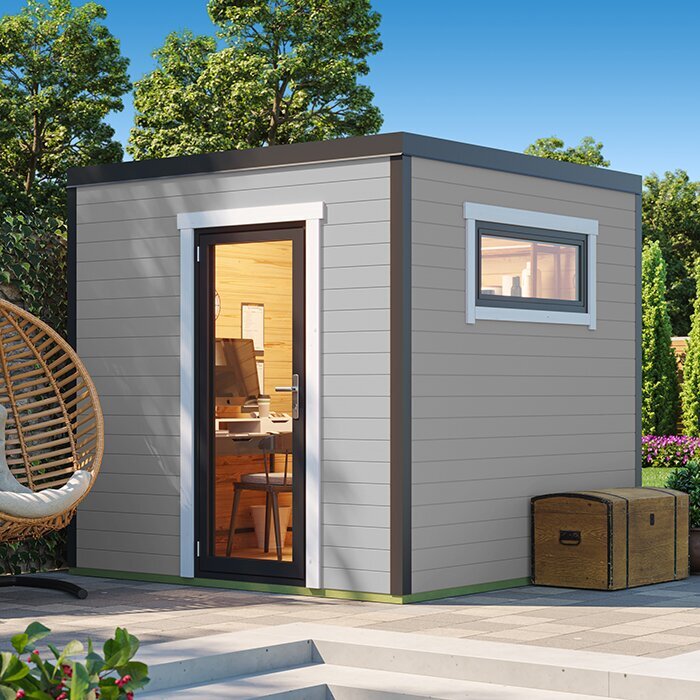
Compare the clear opening measurement, not just how wide the entrance looks in a product photograph. Apply the same access test to the Verdana 2 garden house listing: use the details stated for that exact model and check how the door area relates to your marked yard. If an opening measurement or door arrangement isn’t clear, confirm it before ordering. Also check whether items left just inside would make the doorway difficult to use. A shed that can be entered easily when empty may be inconvenient once the usual equipment is stored near the entrance. Think about wet-weather use as well: you may need somewhere to set down tools or step inside without immediately colliding with stored items. This is particularly relevant when the doorway is also the only regular access point.
Place frequently used items where you can reach them
Divide the interior into simple storage zones before deciding where shelves or other fittings might go. Keep frequently used items near the entrance, put less-used seasonal items further back, and reserve a clear path for anything you need to carry in and out. Group similar supplies so you can find them without moving unrelated equipment. If you store long tools upright, allow for their full length and keep them from narrowing the route. This arrangement makes the shed easier to use day to day, rather than merely proving that everything fits once.
Think about the difference between floor storage and raised storage, but don’t assume a product includes shelves or that its walls are suitable for any fitting you choose. Check what the listing says is included and follow the maker’s guidance for additions. A page such as the Durano garden house listing can be reviewed against your own storage plan: look for stated internal dimensions and included items, then note what you would need to arrange separately. Keep heavier or bulky equipment in a position you can access safely, without relying on a shelf or fixing that hasn’t been confirmed as suitable. Avoid creating a dead-end zone behind stored equipment unless it is reserved for items used only occasionally. A clear central route often makes a small interior easier to maintain and reorganise over time.
Confirm the site and base requirements
A usable layout starts with a suitable place to position the shed. Check the ground area, access for installation and any nearby features that could affect how you use the entrance. Consider whether the surface is even and where water tends to collect, but don’t assume that a particular base or preparation method suits every product or site. Review the manufacturer’s requirements for the exact model before arranging site work. If the ground, drainage or exposure raises questions, get advice from the seller or a qualified local professional rather than guessing from a product image.
Check the stated base and siting guidance for the Veltor 1 listing before deciding where it will go. If the page doesn’t give enough detail, ask what surface is required and whether there are product-specific restrictions. Consider the conditions at your own property, including exposure to sun, rain and wind, and confirm that the chosen model is appropriate for them. Where construction or site conditions need a professional assessment, consult a qualified local professional. Resolving these points before ordering helps avoid choosing a layout that fits on paper but cannot be set up as planned. Keep the intended doorway location in view when considering the site, since a convenient internal arrangement is of little value if the approach is obstructed by surrounding features. Recheck the marked footprint after deciding which side will face the path.
Compare the information in each product listing
Compare like with like: record each candidate’s stated outside dimensions, internal dimensions, clear doorway and any listed layout options. Check that figures refer to the exact model and configuration you’re considering; a model name alone doesn’t tell you its size or usable space. Note the stated construction and material information too, along with any care guidance. A product page such as the Orello 1 listing belongs in the comparison only after you’ve checked its published details against your measurements. If a key figure is missing, mark it as unconfirmed instead of filling the gap with an assumption.
Check what is included as well as the main structure. Product descriptions may distinguish between the shed itself and optional or separately supplied items, so look for clear wording about any fittings, accessories or assembly components you expect to receive. Compare the same set of details for every candidate, not just the figures that are easiest to find. Images can help you understand the appearance of a product, but they don’t establish dimensions, materials or what arrives with the order. Keep a note of unanswered questions and have them resolved before choosing a model. Date your comparison notes if you are reviewing listings over several days, and record the exact configuration beside each measurement. That simple record reduces the risk of comparing dimensions from one variant with details from another.
Treat a Black Friday price as one part of the decision
Black Friday is a useful time to review listings, but the seasonal label doesn’t confirm that a particular shed is discounted. If an offer is displayed, check that it applies to the exact model and configuration you want, and read any stated conditions. Don’t compare an advertised price for one setup with a different model’s standard listing as if they were equivalent. First establish that the footprint, entry and storage arrangement work for your backyard; then assess any published offer alongside the product information.
For a listing such as the Modano 1 page, verify what the page actually states about the selected option and any offer before you order. Check whether the displayed terms refer to the same model or variant you have assessed for fit, and confirm the final details at checkout. If an offer’s scope or conditions aren’t clear, ask the seller rather than relying on the Black Friday wording alone. This keeps the seasonal comparison grounded in the setup you need, without assuming a discount, deadline or saving that hasn’t been stated. Keep the practical checklist separate from any promotional message: a lower displayed price does not resolve a missing doorway measurement or an unsuitable storage plan. Making that distinction helps you decide without rushing an essential fit check.
Check delivery and assembly access
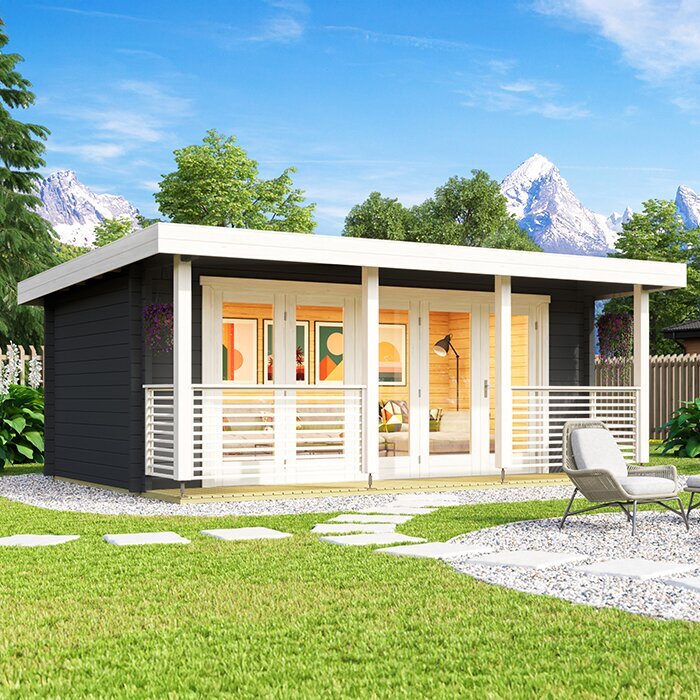
A shed can fit its intended spot but still be difficult to bring onto the property. Check the route from the delivery access point to the proposed location, including gates, turns, steps or narrow passages. Ask whether package dimensions or handling details are available, and compare them with the route you measured; the finished shed’s footprint won’t tell you how its components arrive. Confirm the delivery arrangements for your address and whether there is space to receive and temporarily manage the items. For example, the M timber garden shed listing should be checked for the details stated for that exact page.
Review the assembly information before checkout, including what preparation is expected and whether the seller recommends assistance. Confirm that the assembly area is accessible and that the site can be made ready in line with the product’s guidance. Don’t assume that every model uses the same process or that assembly is included with an order. If access, handling or site work presents a challenge, discuss it with the seller or an appropriate professional beforehand. These checks are about whether the chosen layout can be put in place, not just whether it fits once assembled. Plan where components can be placed while work is underway without blocking a gate, path or neighbour’s access. This temporary space is separate from the final shed footprint and is worth considering before committing to a compact site.
Choose between shortlisted layouts
Put the strongest candidates in a simple comparison table. Give each one a clear result for footprint, largest-item fit, doorway access, storage zones, site requirements and the order details you’ve confirmed. A model that fails an essential check can come off the list, even if its other features look appealing. Keep unknown information visible rather than treating it as a pass. This method makes it easier to compare small wooden garden sheds on practical grounds and prevents a prominent offer or attractive image from overshadowing an unresolved fit question.
For the remaining options, sketch the shed footprint and mark the door’s opening area, the usual route and the largest items inside. Use measurements published for the exact product, and revise the drawing if you learn that a figure or configuration differs. The Timber Tool Shed S listing can be assessed with the same checklist as any other candidate; the product name alone doesn’t establish that it suits your yard. The better choice is the layout that fits the site, stores the equipment you listed and remains usable after everything is put away. Before placing an order, review the final sketch against the original inventory and site measurements one more time. This last comparison can expose a forgotten item, blocked route or unresolved product detail while there is still time to choose a different layout.
Frequently asked questions
How do I check whether a small shed will fit in my backyard?
Measure the proposed outside footprint and mark it on the ground, then check the route to the entrance and the space needed to open the door. Compare those measurements with the product page, and check internal dimensions separately before deciding what will fit inside.
Should I choose the smallest footprint available?
Not automatically. A smaller footprint may leave too little room for the equipment you need to store or make access awkward. Compare the usable interior, doorway and storage arrangement as well as the space the shed occupies outside.
What measurements matter most for storing garden tools?
Measure the largest items, including handles or other parts that add bulk, and check their route through the gate, path and doorway. Look for the clear opening and internal dimensions on the product page; don’t rely on a product name or photograph as a guide.
Does Black Friday mean a garden shed is discounted?
No. Check whether an offer is actually displayed for the exact model or configuration you’re considering, and read any stated conditions. Choose a layout that works for your yard first; a seasonal label alone doesn’t confirm a discount or a suitable fit.
What should I confirm before ordering a timber shed?
Check the exact model, outside and inside measurements, clear doorway, included items, material and care information, and any base or siting guidance. Confirm delivery access and assembly requirements for your property as well, asking the seller or a qualified local professional about anything unclear.
A practical small timber garden shed is defined by more than its footprint. It needs to fit the yard, admit the items you plan to store and keep everyday equipment within reach. Measure the space and access route, compare the stated details for each exact model, and resolve questions about the base, delivery and assembly before ordering. Black Friday can provide a reason to review available listings, but the layout that works for your backyard should remain the deciding factor.
