
Tilt-and-turn or side-hinged windows?
Comparing window planning
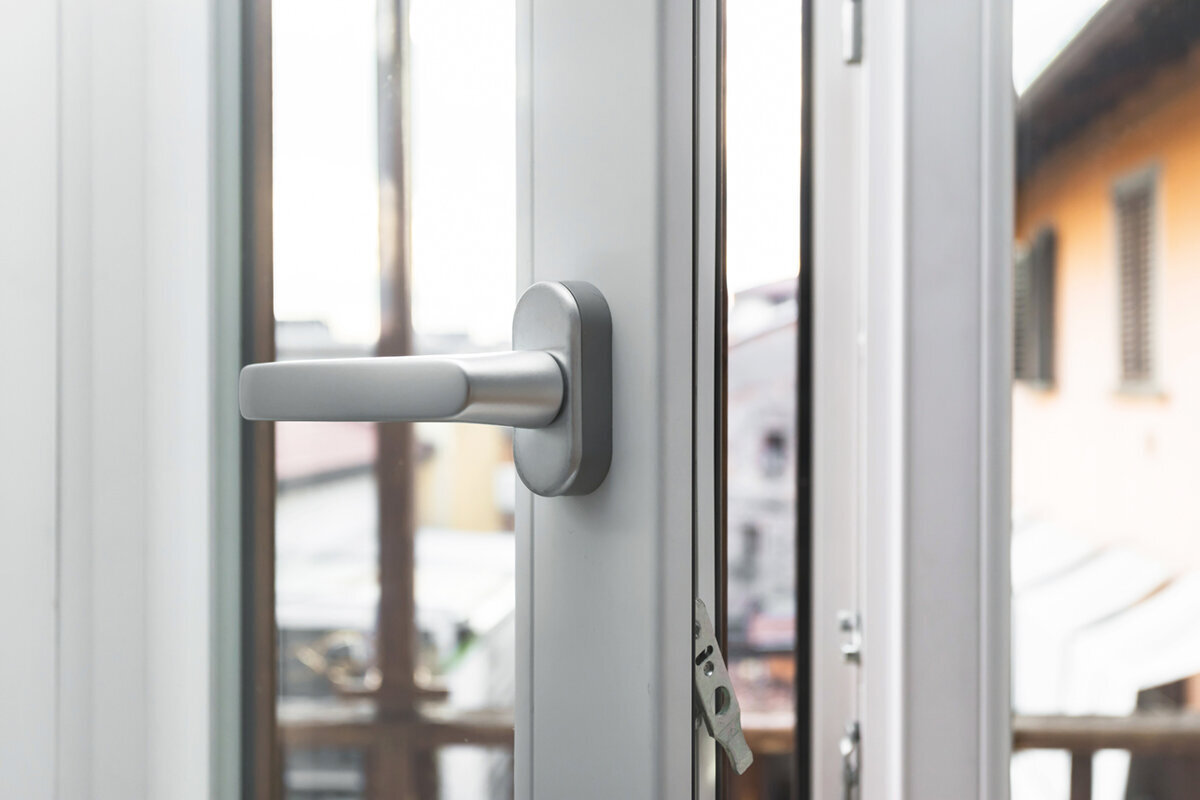
Frame colour, glazing and glazing bars often lead window planning, yet the opening system shapes daily use just as strongly. Consider how quickly the room can be aired, where the sash travels, what stands nearby and how the outside face will be reached. Tilt-and-turn combines side opening with inward tilt; a side-hinged window pivots only from its side. Neither is inherently superior. The right specification depends on the room, façade, window size, furnishings, cleaning route and whole-home ventilation plan. This guide clarifies the differences and the details to record before ordering.
Buying checks 1
First, distinguish the systems correctly
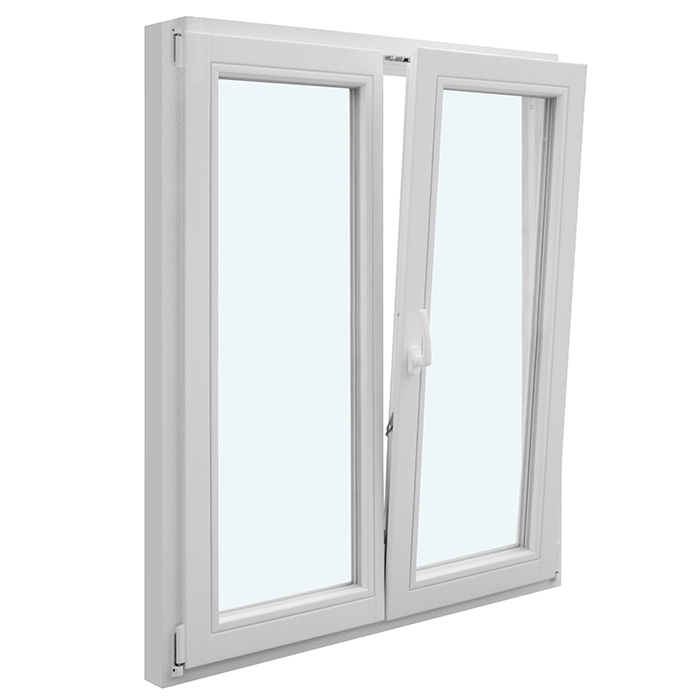
A tilt-and-turn window has two normal operating modes. In turn mode, the sash swings sideways into the room; in tilt mode, its upper edge opens inward. Depending on the situation, it can therefore be opened wide or used in a more limited position. A side-hinged window has the sideways opening movement but no tilt function. Although this sounds clear, quotations can blur the distinction with terms such as single-sash, double-sash, inward-opening or outward-opening. These are separate specifications. Sash number, hinge side and opening direction must each be decided in addition to the basic system. Even windows with the same visible dimensions may differ in handle number and in which sash is operated first.
For a useful comparison, record every opening position you need rather than only the window name. Must the sash open fully to reach a sill? Will a tilt setting be used regularly in the morning and evening? Or should the sash swing outward for spatial or design reasons? A single-sash inward-opening window states the opening direction and sash number, but does not automatically include tilting. Ask specifically for the intended hardware function. This avoids mistaking a drawing of an inward-opening sash for confirmation of a tilt-and-turn window. Also have the handle side confirmed from the interior view, as a drawing’s viewing direction can otherwise cause confusion.
Compare ventilation routines, not labels
The tilt position is principally an operating option for times when the sash should not stand fully in the room. It may suit a household’s ventilation routine, for example when occupants want to let in air between activities while keeping the space in front of the window clear. Turn mode remains important on a tilt-and-turn window: it creates a much larger opening for rapid air exchange and assists with many cleaning or access tasks. Do not assess a tilt-and-turn window only by its tilt setting; consider both modes across the day. A brief practical test helps: over several typical days, note when a window is opened fully and when a smaller opening would genuinely be more convenient.
A side-hinged window calls for deliberate full opening, not a complicated routine. This may work well when rooms are aired at set times and the open sash causes no obstruction. For kitchens, bathrooms and bedrooms, plan window quantity, room size, use, shading and existing ventilation together; a tilt setting is no substitute for a coordinated strategy. Tell the designer or supplier when ventilation occurs, which rooms may be left unattended and which openings should provide rapid air exchange. If mechanical ventilation is installed, define the supplementary task of openable windows instead of assigning it from habit.
Buying checks 2
Swing space forms part of room planning
With inward-opening sashes, turn mode occupies room space. Measure more than the clear window opening: draw the swing arc on the floor plan. A bedhead, tall desk, kitchen tap, curtains or low pendant light can make operation difficult even where the window looks well placed on an elevation. The question is not simply whether the sash can open in theory. It must be possible to open it far enough regularly and close it comfortably afterwards. This applies equally to tilt-and-turn windows and inward-opening side-hinged windows. Include reveal depth and projecting handles, as these can affect the usable opening angle.
Two sashes create two swing areas, as well as a decision about which sash will be used most often. A double-sash inward-opening window can provide a broad opening when both sashes are opened, but one may be the everyday operating side. Decide handle positions, hinge sides and any operating sequence before ordering. Also check whether a window behind a dining table or sofa could be tilted but scarcely turned wide. In that case, the tilt function may be valuable day to day, while turn mode remains available for cleaning and occasional rapid airing. Mark the proposed furniture layout on the floor with tape so you can see whether the operator and sash have enough room at the same time.
Inward or outward opening: assess direction separately
Tilt-and-turn windows in ordinary living areas are often planned to open inward, as their tilt setting and operation can be used from indoors. That does not mean every side-hinged window must open inward. Outward-opening side-hinged windows move the swing space outside the room and may therefore be useful where interior space is tight. The exterior needs equally careful consideration: paths, patio furniture, plants, external blinds, balustrades and neighbouring building elements must not obstruct the sash. The cleaning method must also suit the opening direction. Check, too, that an open sash can be reached from inside and closed in a controlled way; clear indoor space alone is not decisive.
A single-sash outward-opening side-hinged window is an alternative where that opening direction is wanted. Its product name does not imply a tilt setting, so confirm the hardware type separately. Above a balcony or beside a well-used external path, an open sash should not become an unexpected obstruction. Conversely, an outward-swinging sash can leave more room for furniture in a study. Assess indoor and outdoor space together, not only from a façade drawing. A simple dimensioned sketch showing the sash fully open often reveals clashes earlier than a later site visit. Include external shading and seasonally used items that can easily be missed on an empty plan.
Buying checks 3
Set window size, sash number and operation together
Larger openings change both sash handling and visual effect. One broad sash creates a generous opening but needs a matching swing area. Two sashes divide the width and allow different opening states, while adding a central section and more operating steps. On tilt-and-turn units, each sash’s tilt action must also be clear. Look beyond the exterior elevation: decide which sash opens daily, whether both are used equally and whether the fitted handle is reachable without stretching. Dimensions, weight and hardware must suit one another, so have the proposed configuration technically assessed rather than relying on a similar-looking display.
For wide façade openings, a double-sash outward-opening side-hinged window may be a suitable arrangement if the outward swing zones remain clear. It is not an automatic answer to every wide opening: a fixed pane beside a smaller opening sash may better suit another room routine. Coordinate the division with the sill, heaters, curtains and outward view. Anyone planning large elements should arrange a precise technical assessment of the proposed dimensions, installation and operability before ordering. General product names do not replace project-specific approval. Compare quotation drawings at the same scale as well; divisions that look similar in small separate views can substantially change the view, handle position and usable opening.
Plan cleaning access from the outset
Cleaning often becomes a practical issue only after installation. With an inward-turning window, the outer sash face can often be reached from indoors when it is opened wide. That is a practical advantage whether or not the sash also tilts. Tilt mode is not a cleaning position and should not be treated as a substitute for safe access. During planning, consider window height, locations above stairs, deep reveals, fixed fittings and possible outdoor obstructions. What is simple at ground level may need a different solution on upper floors. Check not only the centre of the glass, but also outer corners, frame areas and hardware that must remain accessible for regular care.
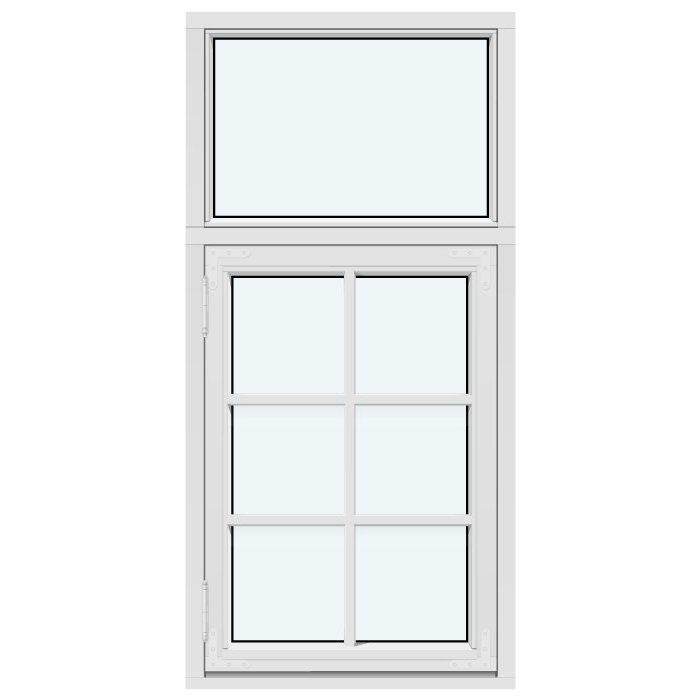
Not every glazed area needs to open. A fixed-glazed window has no moving sash and can make sense where daylight, outlook or a calm façade composition matters more than a ventilation opening. Its external cleaning still needs to be planned from the beginning. Do not automatically pair a fixed pane with an arbitrary opening sash; first decide which part of the opening is genuinely required for ventilation, access or cleaning. With a fixed pane and tilt-and-turn sash combination, also clarify which glass remains reachable in daily use and what cleaning method is planned for the fixed area. Assess access from the final installation height and surroundings, rather than a product image at eye level.
Buying checks 4
Test furnishings, privacy screening and sills realistically
A technically suitable window may still go unused if its surroundings are overlooked. Curtains and pleated blinds need clearance from handles and the sash path, while sill plants should not require moving whenever you ventilate. In kitchens, inward-opening sashes may hit taps or wall cupboards; in children’s rooms, desks can block full turn mode. Tilt-and-turn adds a smaller opening option, but you must still confirm that the sash can open fully for its intended task. Allow for future room changes too: today’s spare room may become a home office with a deep desk and additional shading.
Plan furnishings using realistic depths rather than symbols on a floor plan. Mark the sash in its open position and compare it with curtains, blinds, sill accessories and movable furniture. For a side-hinged window, a clear swing area is particularly important because there is no tilt setting as an alternative daily ventilation position. Concrete ordering details help: left or right handle, inward or outward opening, intended shading and clearance from fixed fittings. Coordinate these points between window supply, interior fit-out and electrical planning. A later-relocated light switch or a built-in cupboard set too close can permanently compromise use. In kitchens, check benchtop height, tap position and fully open cupboard doors together in the same view.
Not every opening needs a moving sash
Plan each pane for a purpose rather than giving every opening the same function. Where a room has several windows, a central tilt-and-turn sash might provide ventilation while fixed panes create a calmer elevation and a broader light area. Elsewhere, an accessible side-hinged sash may be sufficient. Assign each opening a role—outlook, daylight, cross-ventilation, access, cleaning or design—to avoid unnecessary moving parts and later conflicts. A room schedule listing main purpose, daily operation and cleaning route will show where tilt adds practical value and where it has been specified only from habit.
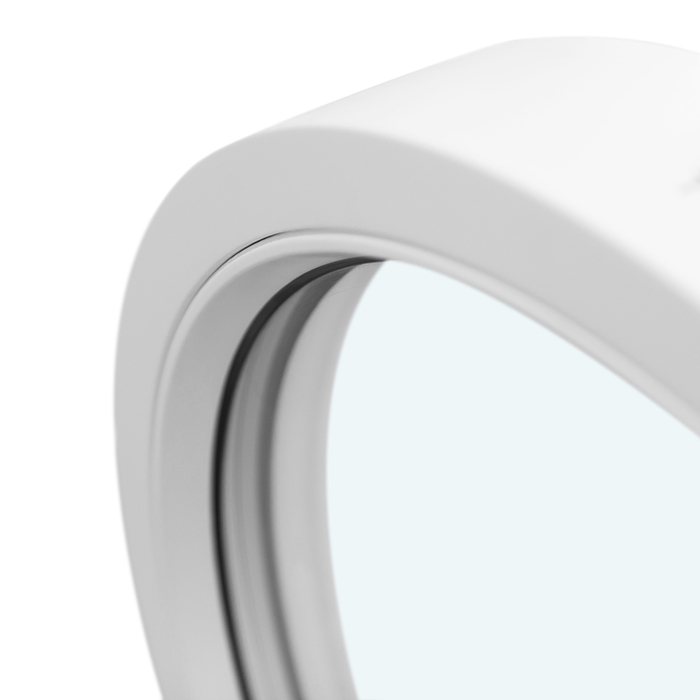
Special shapes should not force an opening function either. Fixed-glazed triangular and raked windows are intended for geometric window forms with fixed glazing, demonstrating that a window section can be useful without opening. If needed, complement such an element with a separately planned, easily reached ventilation opening nearby. The exact arrangement depends on the room and façade. For combinations, check division lines, cleaning and appearance from both inside and outside. This keeps the opening system concentrated where it is genuinely needed. Coordinate the visible widths of neighbouring frames and sashes so the functional layout does not look like an accidental interruption in the façade.
Buying checks 5
Special locations need their own opening decision
The comparison between tilt-and-turn and side-hinged windows applies to vertical façade windows. Roof windows, skylights and difficult-to-reach openings have different movement patterns and should not be selected by the same criteria. For a high window, operating height, handle reach, cleaning access and whether it should serve as a daily ventilation opening all matter. A window above a benchtop or in a stairwell also needs separate consideration. Do not automatically apply a successful bedroom-window choice to every part of the house. For hard-to-reach locations, note who will operate the element and from which safe standing area; a theoretically openable solution is not necessarily practical every day.
A pivot roof window is an example of a separate window type with a pivot action, not a version of a façade tilt-and-turn window. Selecting one requires assessment of the specific installation situation. For high façade openings, an top-hung outward-opening awning window may instead be considered where an outward-opening top-hung movement is wanted. Both alternatives substantially change operation and cleaning routines. For every special location, record the required movement, the person operating it and the available access while in use. On that basis, specialists can assess which option suits the construction and project. Compare special windows not only by their open appearance, but also by handle access, required movement space and the process for closing them in a controlled way.
Secure the order with an opening schedule
The best decision can fail through incomplete ordering information. Create one line for every window: room number, position, width and height, sash number, opening direction, hinge side, required hardware function and use. Add whether the sash is mainly for rapid airing, a daily tilt setting, cleaning or access. For tilt-and-turn windows, state the tilt-and-turn function explicitly. For side-hinged windows, make clear whether they open inward or outward and where the sash swings. Photos of furnishings and a floor-plan extract can expose uncertainties before approval. Then compare the schedule with every item number in the quotation; a general description on the first page is insufficient where windows differ across a project.
Coordinate the schedule across the project instead of ordering each room in isolation. Deliberately aligned sash divisions, handles and visible opening directions calm the façade; accounting for furniture and shading improves interiors. Before ordering, confirm available options, required measurements and suitability for the installation. Bloomcabin states a 5-year commercial guarantee for windows and doors; it does not exclude rights under the Australian Consumer Law. Delivery is stated as 4–6 weeks, subject to order confirmation. Check these details against your order, especially when combining elements. Approve only once dimensions, internal and external views, handle sides, sash movements and item numbers are consistent.
Frequently asked questions
Is a tilt-and-turn window always the better choice?
No. It provides turn and tilt positions, but an inward-opening turn mode still needs a clear swing area. A side-hinged window may suit where full opening is sufficient or a particular opening direction is preferred. Use, access, furnishings and the window’s role in the whole room are decisive.
Can an inward-opening window automatically tilt?
No. “Inward-opening” describes the direction of the turning sash, not its hardware function. An inward-opening window may be a side-hinged window only, or it may have an additional tilt position. Ask explicitly in the quotation and order confirmation for tilt-and-turn function, hinge side and handle position for every element.
What should remain clear in front of an inward-opening window?
Not only the sill: the sash’s real swing area must remain usable. Check furniture, curtains, heater covers, lights and kitchen taps. Also consider whether the sash opens far enough to reach its outer face. A sketch with the sash shown open is more informative than an elevation alone.
Can a fixed pane be combined with an opening sash?
This can be sensible when not every glazed area is needed for ventilation. First decide which opening will provide air exchange and how the fixed pane will be cleaned. Then check the division, outlook, operability and technical construction with the responsible specialist for your project.
What should an enquiry for a tilt-and-turn window include?
Provide the installation location, opening dimensions, sash count, opening direction, hinge side and an explicit request for tilt-and-turn hardware. Note the intended use—such as daily ventilation or cleaning access—and any furniture, shading or high installation. This lets the proposed configuration be assessed against your plan.
Next step
Tilt-and-turn works best when both tilt ventilation and full turn opening have genuine roles in daily use. A side-hinged window is not simply a cheaper substitute; it can suit clear opening routines and the available indoor or outdoor space. Assess each room rather than relying on one display: check sash clearance, cleaning access, furnishings, window divisions and the wider ventilation plan. A detailed opening schedule distinguishes turn, tilt and direction before ordering, giving the technical review a reliable starting point.
