
Warm-edge spacers in insulating glass explained
Window knowledge for choosing
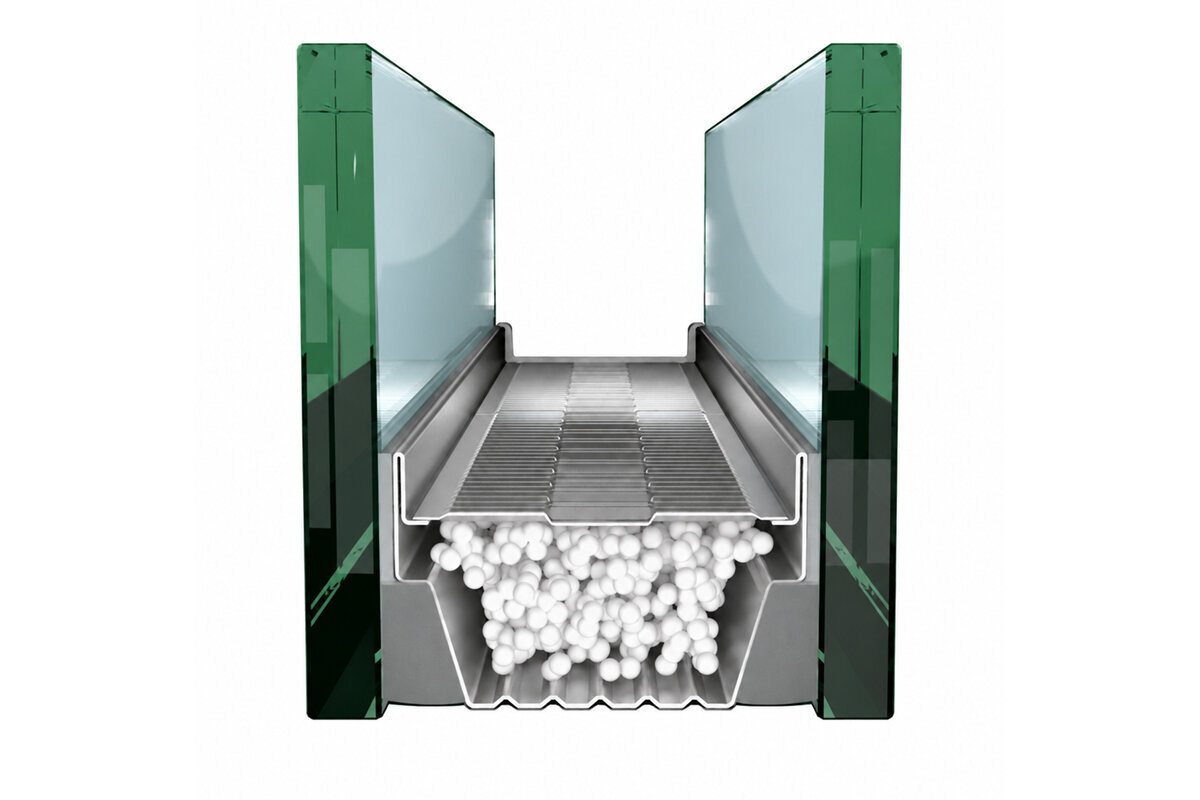
Window quotations may present similar frame and glazing details yet say little about the small spacer beside the glass perimeter. At that junction, the edge-seal assembly connects the separate panes. “Warm edge” is neither another pane nor a blanket mark of quality; it identifies a spacer designed to reduce heat transfer around insulating glazing. Any benefit must be considered as part of the finished window. Before choosing, discuss the glass specification, frame, proposed junction details and intended room use together. This guide explains where the spacer fits, how to compare quotation information and which questions can clarify the order.
The glass edge within the whole window
Several panes and the cavity between them form insulating glazing. A spacer runs around the unit to keep those panes correctly separated. It belongs to a perimeter assembly that also uses sealants and, where required by the design, other materials. Heat transfer can vary between the central glass, edge zone, frame and connection to the wall. Warm-edge technology addresses the glass-to-frame zone specifically; it cannot compensate for unsuitable glazing or a poorly chosen profile. Consequently, asking whether warm edge is supplied does not explain how the finished window has been specified for the project.
With a fixed-glazed window, the pane may be especially prominent, but assessment should not stop at the visible glass area. Fixed-glazed windows identifies a construction type rather than specifying what sits around the glazing perimeter. The quotation should name the glass and confirm whether the spacer is thermally optimised. Openable units introduce further variables, including sash construction, fittings and seals. Make comparisons between windows of equivalent dimensions, division and operation; otherwise, frame area or design differences may be mistaken for spacer effects. What governs the purchase is the recorded configuration for that item, not generic catalogue wording.
What “warm edge” means
“Warm edge” generally denotes a spacer engineered with less thermal conductivity than conventional metal alternatives. The term concerns its materials and design; it does not promise glass that feels warm. A technical explanation may instead describe improved isolation around the pane boundary. Results vary with the chosen spacer, glass composition, frame and installed conditions, so universal predictions about indoor temperatures or energy savings are unsound. A clear quotation records the warm-edge component within the glazing specification and, when asked, provides the system name or relevant technical data.
Because of its wording, the term can encourage unrealistic assumptions. Adding warm edge does not by itself make a basic window highly efficient. Equally, an advanced window may seem underspecified when the quotation does not list its perimeter assembly separately. Replace a simple “Is it included?” with more precise questions: Which spacer accompanies this glass? Is it specified for every item? Do the quotation, glazing schedule and order confirmation agree? This is especially useful when an order combines varied window dimensions, fixed panels and glazed doors. The marketing label then becomes a feature that can be checked in the paperwork.
Assess the complete element
Why the edge seal contributes to comfort
Heat flow varies across a building element. The glass, spacer and frame converge around the boundary of an insulating unit, where a thermally improved spacer is intended to reduce conduction relative to a more conductive solution. This may affect the room-side surface temperature near the pane edge. Its significance cannot be established from colour, photographs or a product name. Conditions outside and indoors, orientation, window dimensions, curtains and air circulation all influence the temperature and how the surface feels in a particular room.
Consider a living area with extensive glazing. The spacer should not drive the decision by itself, because the balance among glass, frame and edge zones differs from that of a small window. With Patio Life lift-and-slide doors review the glass selection, exposed frame area and building connections together. Room layout also deserves attention when furniture sits close to the glass or curtains regularly restrict airflow. Those choices alter circulation across the pane. Warm edge remains one specification detail; it cannot settle separate questions about ventilation, heating or furniture placement.
Read performance values correctly instead of mixing them
Window and glazing quotations contain several kinds of performance figures. A number describing the glass alone is not necessarily the result for the assembled window, which also includes its frame and perimeter system. A standard-size result likewise may not apply to another dimension or arrangement. Determine the basis of every figure first: does it represent central glass, the glazing assembly or the finished window? Comparisons are useful only where dimensions and reference basis align. If the paperwork is unclear, request an explanation instead of ranking unrelated data-sheet results. Check whether Ug or Uw accompanies the number, whether a reference dimension appears, and whether the result belongs to a standard product or your scheduled item. Ask how the perimeter system was accounted for in the complete-element assessment. This process shows whether two apparently similar figures are genuinely comparable. A structured table using consistent bases is more informative than unmatched technical values.
For projects focused on a particularly low Uw value, this distinction is especially important. Super Low Uw passive-house window, outward opening sets out a particular window arrangement and an intended level of performance, but its title alone gives no spacer specification. Obtain documentation for the required version and dimensions. Confirm whether its published figure covers your selected glass and glazing-bar layout. Bars applied decoratively and bars that physically divide panes produce different constructions, so identify them separately. Quotations should all follow one agreed design brief; presenting numerous figures without a common basis does not improve the comparison.
Coordinate glass, frame and building junction
Although the edge assembly belongs to the glazing, its selection interacts with several other decisions. The frame carries the glass, the glass must suit either the sash or fixed panel, and the assembled unit must connect correctly to the opening. Choosing a window without considering reveals, seals and fixing methods can leave important interfaces unresolved. Drainage, sill placement and internal finishes are involved as well as thermal detailing. A building designer or suitably qualified trade professional can review the junction for the actual project. Accurate opening dimensions, wall information and installation conditions must therefore be supplied.
For a combination of windows and doors, prepare one shared item schedule. Single-leaf patio door, inward opening has a different operation and purpose from either a window or fixed sidelight, yet its glazing still needs an unambiguous entry in the schedule. Before requesting prices, record each room, structural opening, handing, subdivision, intended appearance and unusual connection. Note any preference for the visible spacer colour. This reduces assumptions—for example, that every listed unit receives identical glass. Linking the warm-edge selection to each scheduled item makes the overall quotation easier to verify.
Compare glazing bars and special shapes without shortcuts
Window divisions affect both appearance and the basis on which quotations can be assessed. Some bars are decorative elements placed over or inside the glass; others divide the construction into separate panes. These solutions are not equivalent. Specify whether bars are required and identify their type. Warm edge applies around each insulating-glass unit, so a design containing multiple individual panes introduces more perimeter zones. That fact neither endorses nor rules out the divided design. It simply means the bar arrangement and glazing construction must be reviewed as a single proposal.
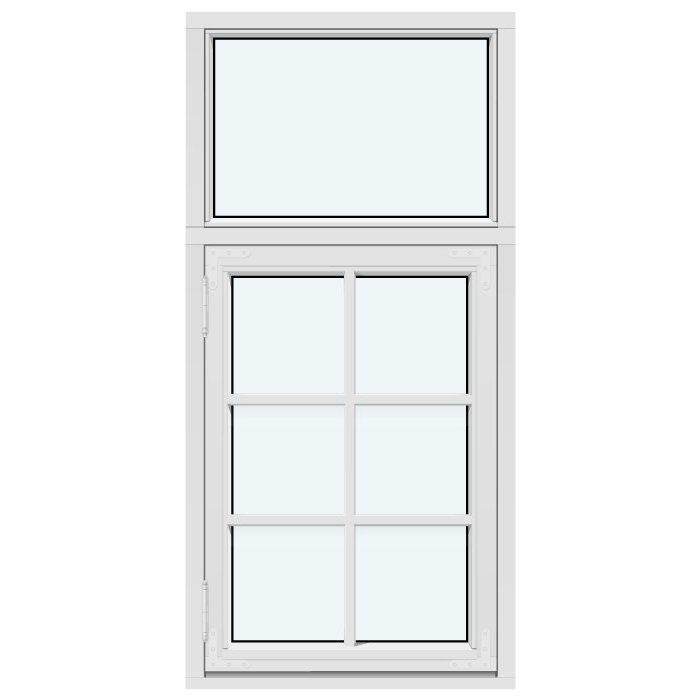
This clarification is particularly valuable for traditional elevations. Historic-style “Kombi” casement window, outward opening refers to both the window’s style and its method of operation. Agree separately whether the elevation will have no bars, decorative bars or bars that divide the panes. Where possible, provide a drawing that shows the intended fields and clear measurements. The supplier can then identify the glazing composition and perimeter construction for every field. This prevents an undivided opening from being compared with a quotation based on numerous smaller panes. Making the approved drawing part of the purchase documentation keeps visual and technical requirements aligned.
Assess the complete element
Set the use of opening windows first
Opening behaviour has an immediate practical effect, while the spacer is barely visible externally. Establish how the window will be used before refining its glass specification: consider ventilation, cleaning access, sash travel, nearby furniture and walking routes. Once the overall arrangement is settled, each item can receive an appropriate glass selection. A room may reasonably contain several opening styles without requiring different perimeter systems or glass in every unit. Standardising specifications can simplify purchasing, but not at the cost of an opening action that is unsuitable for its location.
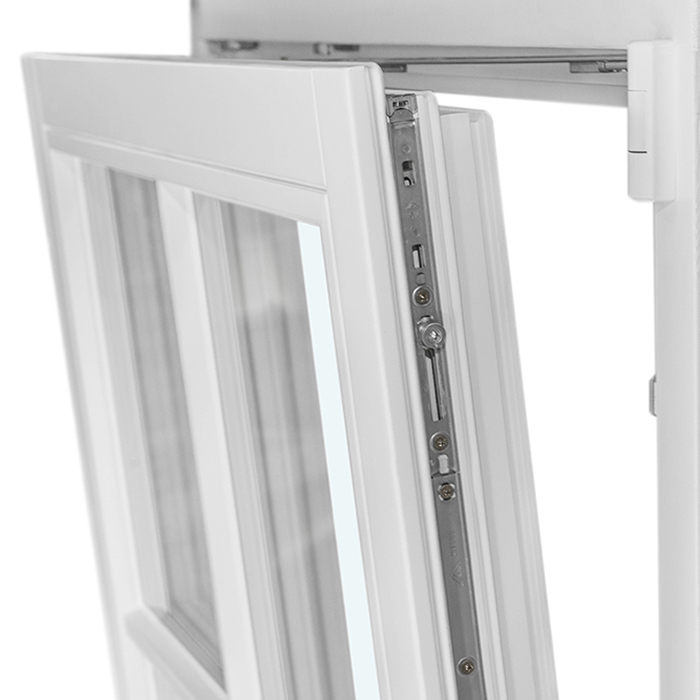
A single-leaf inward-opening window may work where its inward swing remains unobstructed. When requesting a quotation, begin with dimensions, hinge side and handle location instead of postponing those basics while discussing glass details. After confirming them, obtain a glazing description—including the warm-edge specification—for that exact unit. A statement covering an entire range is inadequate if the order contains custom dimensions, altered divisions or different glass. Follow a clear sequence: settle use and geometry, document the individual item, then secure written confirmation of its glazing and perimeter system.
Check doors and large glazing separately
External doors and large-format glazing combine frequent use, hardware, thresholds and glass areas. The edge seal remains part of the glass, but selection must account for other requirements. A door is opened, closed and may be subject to greater use than a fixed window. Questions about operation, access, required clear opening and threshold solution should therefore come before detailed spacer selection. Set the pane layout from the elevation and function as well. Every door item needs its own description for a clear order, rather than a blanket transfer of window details.
For a single-pane glazed door sidelight confirm whether it belongs to an entrance composition and record the glass intended for it. The name indicates one uninterrupted glazed sidelight but does not define the glass layers or spacer. Show the leaf, sidelight and neighbouring units on the same drawing. Spacer colour may be coordinated for appearance, while the technical construction should be specified separately in writing. Any acoustic, security or other project requirement needs assessment by the appropriate professionals during design. Selecting warm edge does not satisfy those independent requirements.
Write the enquiry so quotes remain comparable
An effective enquiry goes beyond approximate sizes and quantities by distinguishing requirements from preferences. Required information may cover operation, handing, structural-opening or manufacturing dimensions, subdivisions, glass choice and confirmation of a thermally improved spacer. Preferred colour, bar pattern and viewing face can be listed separately. Ask the supplier to flag any combination that needs a different technical solution, ensuring that substitutions are explained rather than made silently. For a multi-item order, prepare a schedule with item references, confirmed glass and a separate place for departures from the requested construction. This quickly reveals whether warm edge has been priced for every unit or only selected ones. It should also distinguish inclusions from options. Compare totals only after aligning the scope, because the lowest figure may omit part of what was requested. Settle every outstanding question in writing before accepting a proposal.
For roof areas, clarify the construction sequence and installation situation particularly early. Pivot roof windows identifies the window type, not an automatic choice of glass, junction or spacer. Provide the roof design and desired operation, as well as dimensions, to the professionals involved. The quote should state clearly whether warm edge is included for every proposed glazing unit or only selected items. Also compare whether both quotes contain the same number of glazed fields, opening function and accessory assumptions. An apparently cheaper total is not a useful basis for a decision where the scope of supply is described differently. Only an item-by-item comparison reveals variations.
Check carefully before ordering and on delivery
Before approval, read the order confirmation against your item schedule. Check dimensions, quantity, opening direction, division, glazing designation and the agreed warm-edge note. It is especially important to ask whether a later change to one item affects other details. Keep drawings, quotes, questions and answers together. They provide the shared basis for manufacturer, seller, installation team and site management. If anything is unclear, resolve it before production. Bloomcabin states a 5-year guarantee for windows and doors; delivery takes 4–6 weeks, subject to order confirmation. These details do not replace checking the specific order.
Do not identify the spacer on arrival merely from its appearance; colour and other visible features do not prove a technical specification. Use the order documents to verify item references, quantities, measurements and obvious damage. Match packaging and unit labels to the schedule without assuming that they establish unrecorded properties. Keep or photograph glass labels and accompanying paperwork until the checks are finished. Receiving the goods and technically accepting the installation are different stages: even a complete shipment may leave installation matters unresolved. Ensure the window-to-building connection follows the approved plan and promptly document variations. As with other products, the name of a double-leaf inward-opening window states its sash arrangement, not every customised glass selection. Retain an organised final file containing the confirmation, item schedule, glazing specification and installation information. Written records provide a more dependable reference than recollection of a verbal discussion.
Frequently asked questions
Is warm edge the same as triple glazing?
No. Triple glazing identifies how many panes make up the insulating unit, whereas warm edge identifies the improved spacer around its boundary. They may be selected together, but one does not define the other. Request both the full glass composition and the nominated perimeter system.
Is spacer colour a reliable way to identify warm edge?
No. Spacer colour may support the chosen appearance, but it cannot verify material, construction or thermal behaviour. Rely instead on the glazing schedule and written confirmation for the relevant item. A pale or dark visible edge, considered by itself, provides no sound basis for judging performance.
Must every house window have the same warm edge?
A consistent specification can make an order easier, but it is not a rule to apply to every element without checking. Windows, fixed lights, roof windows and glazed doors may have different requirements. Define the preferred version by item and request clear identification of any variations in the quote and order confirmation.
Does warm edge automatically improve the Uw value?
It may contribute to the finished window’s thermal result, but no automatic improvement can be assumed from the label. The outcome varies with dimensions, frame design, glass and the selected spacer. Compare figures prepared on an equivalent basis and obtain supporting data for the exact configuration being ordered.
Should warm edge be stated expressly in the order?
Yes, when it forms part of your selection criteria. Have the glass option or thermally improved spacer recorded against each applicable item. Broad brochure wording may cover several constructions and is not enough. Verify that the quotation, approved drawing and confirmation all describe the same selected specification.
Next step
Warm edge deserves attention because it affects the perimeter junction within insulating glazing. Its relevance comes from accurate specification, not expansive sales claims. Establish which glass has been selected, the door or window item to which it applies, and whether any whole-window figure corresponds to the requested dimensions. Discuss the spacer alongside the frame, subdivisions, opening action and proposed building connection. A precise item schedule and written confirmation of every glass option allow quotations to be assessed on equal terms and reduce assumptions before an order is approved.
