
Water-Smart Greenhouse Gardening 2026 | Bloomcabin
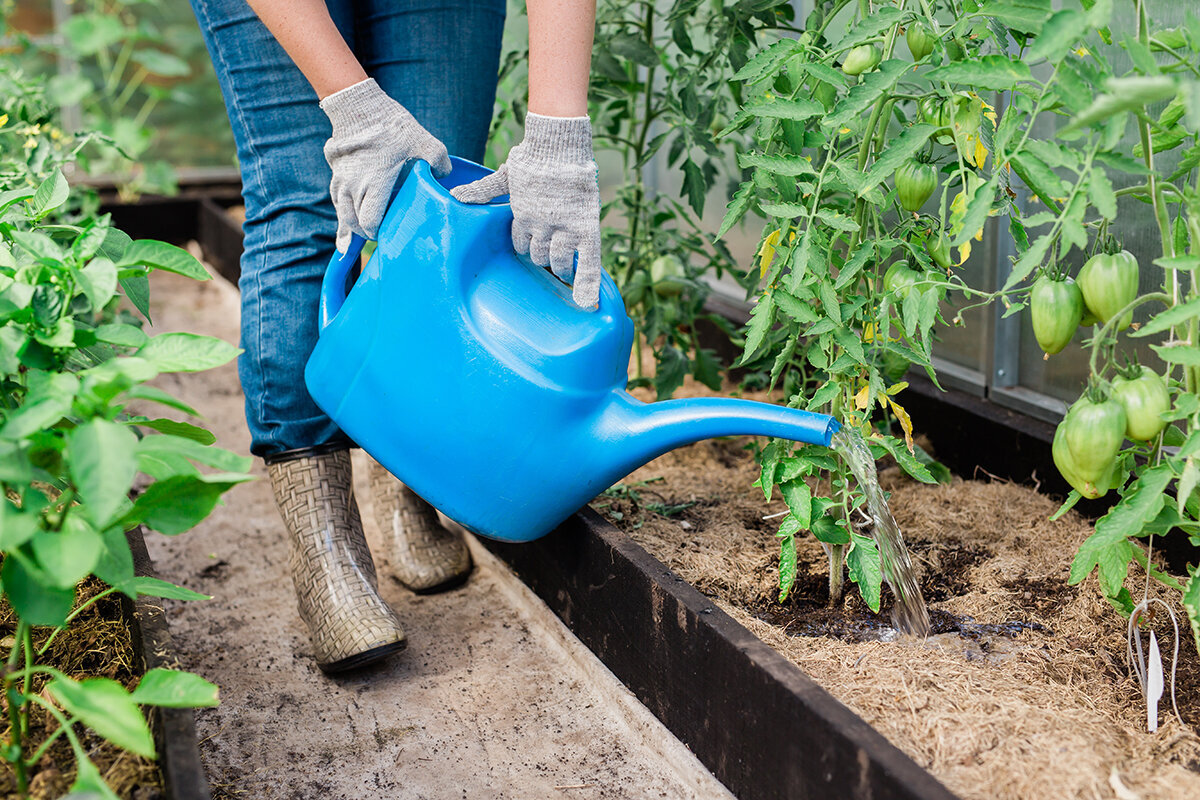
Water-smart greenhouse growing in 2026: bigger crops from a smaller water budget
Australian gardening has always required a close eye on the weather. Rain may arrive just when it is needed, yet another season can bring lingering dryness, sudden heat or abrupt swings between conditions. For many growers in 2026, the challenge is not variability alone but the speed and intensity of those changes. Planning how water will be used is consequently becoming an ordinary part of the growing year. Efficient watering is no longer a specialist idea or optional refinement. It is a practical route to healthier plants, less daily work and a productive garden that is not wholly dependent on mains water.
Few garden structures offer as much scope for improving water efficiency as a greenhouse, particularly one built to remain stable and useful over the long term. A sturdy aluminium frame with glass glazing creates more control than an exposed plot usually allows. With that control, watering can become an organised routine rather than a recurring rescue job. The purpose is not to deprive crops or force them to struggle. It is to prevent avoidable waste, reduce losses and direct moisture into the soil or growing medium in ways that encourage stronger roots and more dependable picking.
This practical overview is intended for Australian Bloomcabin readers, whether they are considering a greenhouse or refining one they already use. It covers the water-saving advantages of protected cultivation, ways to capture rainfall from the roof, and the elements of a durable system for a lower-waste lifestyle. It also examines the sustainability value of well-made aluminium and glass construction. A greenhouse that serves for longer requires fewer replacements, while a steadier growing environment can make careful use of water and other resources easier throughout its working life.
Why careful greenhouse water use matters in 2026
Efficient water use deserves attention beyond periods of extreme heat. It begins when the growing season is being organised and young plants are forming their roots. At that point, ask where each watering actually goes. The useful share reaches the crop and remains available to its roots; the wasted share may evaporate, leak, drain away, run onto unused ground or be applied at an unsuitable time.
Resilience is another priority for many gardeners in 2026, and it has a straightforward meaning in practice. The greenhouse should continue supporting crops when outdoor conditions become difficult. Tomatoes, cucumbers, capsicums, culinary herbs and leafy vegetables should remain manageable through unsettled weather. A robust routine also helps crops cope when nobody is home for several days, or when a sudden temperature rise sharply lifts their moisture requirements.
Meaningful savings usually come from several modest improvements rather than a single clever device. Shade moderates heat, which reduces transpiration and lowers demand. A surface layer of mulch slows moisture escaping from beds and containers, allowing roots to use it for longer. During wet weather, gutters can replenish a barrel or larger tank. That stored rainfall then provides a buffer through dry weeks and reduces how often the greenhouse must draw on the mains supply.
Because a greenhouse has clear boundaries, these measures can be coordinated in one manageable setting. Precise watering is harder across open ground, where wind, patchy rain and a larger area complicate control. Inside, delivery points, protected soil and climate measures can be arranged so moisture reaches the intended crop and stays accessible instead of disappearing quickly.
Why protected growing can use water more efficiently
At first, it may sound contradictory to associate a warm greenhouse with conservation, as higher temperatures can accelerate drying. Temperature, however, is only one part of the calculation. Efficiency depends on how much supplied moisture reaches a crop and how much is lost. Protected cultivation gives gardeners practical ways to address several of the main losses.
Wind is a major example. Moving, dry air draws moisture from soil and other growing media while also increasing transpiration through foliage. An outdoor bed, especially one with light soil, may look dry soon after being thoroughly watered. Air movement beneath glazing is more sheltered. Vents still provide essential circulation, but the plants are generally less exposed than they would be in an open, windy position. Reducing that exposure helps retain moisture and can produce the same crop with fewer litres.
The compact layout also makes accurate application simpler. Broad watering outside may wet paths, gaps and other ground that contains no crop. Within a greenhouse, the intended destinations are usually clearly defined beds, pots or planters. Water can be placed beside stems and above active roots rather than scattered widely. Drippers, capillary delivery and occasional thorough soakings offer alternatives to spraying, helping avoid litres that contribute little to plant growth.
More consistent surroundings bring another advantage. Plants that repeatedly wilt and recover can be harder to manage efficiently. Once a growing medium becomes excessively dry, roots function poorly and a large corrective watering often follows. Parched mixes may initially repel or channel water, letting it escape before the whole root area is rewetted. Combining ventilation with timely shade and a protected soil surface limits these sharp fluctuations and supports a steadier moisture pattern.
The glazed roof contributes as well, because it can act as a catchment. Rain that cannot fall directly onto greenhouse beds need not be treated as lost. Gutters and storage turn it into a resource for later use. In a well-arranged setup, rainfall lands on the structure, flows to a covered reserve and is eventually returned to the crops. This creates a useful cycle and lessens reliance on water that has been treated for mains distribution.
Simply owning a greenhouse will not reduce consumption. The result depends on how the space is operated. When evaporation and runoff are controlled and moisture is delivered into the active root area, the benefit becomes tangible: a greater amount of produce can be grown from each litre supplied.
Read root-zone moisture rather than relying on appearances
Efficient irrigation starts with judging what is happening below the surface. A dry-looking top layer may conceal ample moisture, while a visibly damp surface can sit above roots that remain dry after repeated shallow applications. Fast growth and rapidly changing sunlight make this distinction particularly important under glass. Instead of watering automatically because the top looks pale or dusty, inspect the depth used by the roots and manage that reservoir as part of a continuing system.
Crop responses are not identical. Established tomatoes, capsicums and eggplants often respond well to a substantial soaking followed by a brief period in which the medium becomes slightly drier, encouraging deeper exploration by roots. Cucumbers, seedlings and leafy vegetables commonly favour a more even supply and may be damaged by severe drying. Many herbs are relatively economical when their containers hold enough medium and excessive fertiliser or constant saturation is not driving weak, soft growth.
Permanently soaked beds are not the objective. Roots need enough available moisture without losing the air that keeps them healthy. Larger soil volumes, mulched surfaces, capillary mats and self-watering containers lengthen the interval before drying becomes stressful. These measures smooth out moisture changes, so each watering is easier to judge and fewer interventions are required.
Shape the greenhouse climate to curb water demand
Before investing in irrigation hardware, reduce the conditions that make crops unnecessarily thirsty. Excessive greenhouse heat drives rapid transpiration. Leaves may droop on a hot afternoon even while the soil beneath them is still moist. In that situation, adding water alone misreads the problem: the plant may be responding primarily to heat rather than a shortage around its roots.
Ventilation is the first line of climate management. Effective vents let accumulated warmth leave while fresh air continues to circulate. Moderating the hottest peaks helps lower plant stress and disease pressure, reducing the urge to apply emergency water. Roof vents that open dependably are particularly useful because they release rising hot air before the interior has remained overheated for an extended period.
Shade provides the next major control. Clear, still days can push temperatures up quickly across many Australian climates, even outside midsummer. Suitable shading softens incoming solar energy, protects foliage and slows moisture loss from beds and pots. It also breaks the unhelpful cycle of responding to heat-wilted plants with repeated watering while the heat itself is unchanged. Put protection in place before the first sustained hot spell so both growth and water use remain easier to regulate.
Humidity also needs balance. Hot conditions can leave the interior excessively dry, whereas cool periods may trap too much dampness. Conservation does not require deliberately making the air humid. Instead, avoid exposed, sun-baked ground and other factors that intensify dryness. Mulched beds and covered paths moderate the immediate environment. When temperature and humidity vary less abruptly, plants often require fewer corrective waterings.
Improve soil, growing media and the active root area
Hoses, timers and drippers help, but substantial savings begin in the root medium. It should absorb, distribute and retain moisture like a reservoir, rather than letting water pass through before plants can benefit.
Small containers offer little protection against drying. Their limited volume heats rapidly and can demand attention several times during difficult weather. To increase the interval between waterings without reducing production, give roots more medium. Larger pots, deeper planters, in-ground greenhouse beds and raised beds all increase storage capacity. That added reserve steadies growth and gives crops longer to draw on each application.
Physical structure is as important as volume. A useful mix retains moisture but also contains air spaces. Compaction and prolonged saturation exclude oxygen, damage roots and reduce the plant's ability to use what is supplied. At the other extreme, a mix that drains almost instantly encourages a shallow root system and frequent drying. Aim for an even wetting pattern, adequate retention and enough aeration for active roots.
A mulch layer tackles loss at the exposed surface. Direct sun can warm greenhouse beds and pots quickly, allowing an uncovered medium to release moisture into the air. Covering it shields the surface much like a lid. Each irrigation remains useful for longer, temperatures around shallow roots fluctuate less and a larger share of the supply stays where crops can access it.
The technique need not be elaborate. Placing an appropriate protective layer over a bed or container can noticeably change its moisture pattern. The medium commonly stays more uniform, accepts later watering more readily and loses less to rapid surface evaporation. Creating that calm, buffered root environment is among the simplest ways to improve the amount harvested from a limited water supply.
Apply each litre where it can support the crop
Using water wisely is different from withholding it indiscriminately. Crops still need enough for sound development. The goal is to strengthen roots and sustain growth while eliminating applications that do little. Frequent shallow splashes, poorly chosen times and repeated movement from severe dryness to saturation can consume substantial water without creating an equally strong result.
A thorough application, when suited to the plant and medium, encourages roots to occupy deeper layers. Access to a larger volume improves resilience when the surface begins to dry. Established tomatoes and capsicums often respond particularly well when deeper watering is combined with mulch and generous root space. The method also avoids the misleading result of a visibly wet surface above a dry lower root area.
Choose the time of day carefully. During fierce midday heat, evaporation is greater and plants may still look stressed after watering, prompting needless additional applications. Morning is often convenient because moisture is ready as growth and transpiration increase. Evening irrigation can also suit some situations, although leaving susceptible crops and surfaces very wet overnight may encourage fungal problems. Ventilation, shade and regular observation make whichever routine you choose more effective.
Seedlings and moisture-hungry crops such as cucumbers benefit from consistency. Letting cucumbers become severely dry may stress the vines and reduce fruit quality, but constant indiscriminate watering is not the answer. Select a delivery system that maintains an appropriate range without flooding unused space. Drip lines, capillary setups and containers with built-in reservoirs can all provide a steadier supply.
Choose irrigation that fits an ordinary week
A 2026 water-saving greenhouse should ease a busy week, not add another demanding chore. The best irrigation is often a straightforward system that you understand, check and use reliably, rather than complex equipment left poorly adjusted.
Manual watering can be remarkably economical. Aim the flow at the root area, avoid wetting empty surfaces and cover the medium afterwards to slow evaporation. No automation is required for those basic gains. Gardeners who enjoy a regular greenhouse visit can also notice changes in crop condition early. Their efficiency comes from close observation, suitable soil management and reduced losses rather than machinery.
A drip line supplies small amounts close to selected plants, making it a strong option for beds and rows. Slow delivery gives the medium time to absorb water, curbs runoff and avoids throwing fine droplets into the air. Once emitters are positioned and checked, the setup can work quietly in the background, maintaining consistency while reducing the time spent holding a hose.
Adjust timer schedules as seasons and crops change. They prevent forgotten watering and overlong sessions, but January settings may supply too much by March or May. Reassess daylight, heat, crop size and growth stage rather than leaving the controller unchanged.
Reservoir planters, wicking arrangements and watering from below are useful alternatives. Moisture rises or is drawn from beneath, so the exposed surface remains drier and evaporation is reduced. Plants can take up what they require over time, leading to fewer sharp changes. These methods can work particularly well for chillies, capsicums, herbs and compact collections of greenhouse pots.
The technology may vary, but the underlying task does not: keep an appropriate supply within reach of roots while closing off unnecessary escape routes. A sheltered growing space makes that coordination easier because irrigation, temperature control, shade and surface protection can all be managed together.
Turn rainfall from the greenhouse roof into irrigation
Stored rain changes both the practical and mental approach to watering. A visible reserve in a barrel or tank is not merely another supply; it represents part of a cycle under the gardener's control. Dry weather then becomes a question of managing the reserve thoughtfully rather than thinking only about additional mains consumption. That encourages planning and more deliberate use.
A greenhouse roof already provides a convenient catchment. Add correctly arranged gutters and downpipes, and rainfall can be channelled towards a barrel or tank. Australian rainfall differs greatly between regions and across the year, so storage should reflect local patterns rather than a single national season. Wetter intervals can build a reserve for later dryness. The arrangement should cope with heavy falls, discharge overflow safely and keep the collected supply in usable condition.
A single barrel is an accessible starting point for many home growers. Its contents may support seedlings, pots and part of the warmer-season demand. As the greenhouse becomes more productive, that first container may empty rapidly during hot weather. This does not mean the system has failed: vigorous crops require moisture. The realistic objective is to replace mains water whenever stored rainfall is available, not to eliminate irrigation altogether.
A larger tank or several linked containers extend the reserve through dry conditions. That buffer also supports steady low-flow irrigation, reducing the chance that a few hot days will exhaust stored water.
Rain collection supports lower-impact growing. Rain itself is free, although equipment needs purchase and upkeep. Using that stored water reduces some mains treatment and distribution demand, converting local rainfall into foliage, fruit and harvest.
Design rainwater collection for reliable daily use
Simplicity, durability and convenient maintenance are valuable qualities in a collection system. Many frustrations begin with only a few weak points: gutters that do not fall towards the outlet, inlets blocked by debris, or containers left where light and contamination encourage deterioration.
Give each gutter a slight, consistent slope towards its downpipe. A rigid, well-assembled aluminium greenhouse helps preserve that alignment over time. The detail may appear minor, yet even a modest dip or twist can send a surprising amount of rain over an edge or away from the inlet instead of into the intended store.
A collector or diverter transfers runoff into the vessel and can also determine where surplus water travels. Once the barrel reaches capacity, overflow should follow a controlled route rather than spilling around the base. Sensible discharge protects the immediate area from avoidable pooling, erosion and mess while allowing the collection point to remain accessible.
Fit a secure cover to the storage vessel. Excluding sunlight limits algal growth, while a lid also keeps leaves and dirt out and discourages insects from breeding in standing water. Enclosed storage generally looks tidier beside a greenhouse as well, an advantage when the structure occupies a prominent place in the garden.
Water destined for drippers should pass through suitable filtration. Tiny suspended particles may accumulate inside emitters even when the stored supply appears clear. An accessible inline filter is easier to inspect and clean than a blocked network of outlets. Even delivery keeps every crop supplied as intended and reduces the later rescue watering that follows unnoticed blockages.
Maintain cleaner storage and spend the reserve carefully
A few routine choices keep collected water easier to use. Containers standing in full sun heat more quickly and may support faster algal growth, so a partly shaded position can be advantageous. Clear roof channels and an inlet screen intercept much of the debris before it reaches the tank. A fitted lid reduces both contamination and evaporation, leaving fewer problems to correct later.
Prioritise uses where the reserve makes a meaningful difference. Seed trays, potted crops and ordinary greenhouse beds are all suitable destinations. During a rainless spell, directing stored water to these areas can materially reduce the mains supply required. Because the remaining level is visible or measurable, gardeners also tend to become more conscious of quantities and apply them with greater precision.
Gardeners often wonder whether harvested rain is sufficiently clean. For routine irrigation of greenhouse plants, runoff from a clean roof that is kept in a covered, maintained vessel is generally suitable. Prevent debris, algal build-up and blocked outlets rather than assuming storage can be neglected. With those basic controls, roof collection becomes a highly useful conservation measure.
Handle Australian heat and dry periods without flooding roots
A heatwave can make greenhouse care feel relentless. Plants release moisture faster, pots dry sooner and the interior may become uncomfortable for both crops and gardeners. The efficient response combines climate control with accurate irrigation. First reduce the heat load; then place the necessary water deep enough to remain available around roots rather than losing much of it from the surface.
Early shade preparation softens the strongest sun before plants are damaged. Uninterrupted ventilation carries accumulated heat away. Mulch shields the bed surface, while deeper or larger containers offer a more substantial moisture reserve. Working together, these measures replace repeated anxious top-ups with a more measured routine that is easier to monitor.
It is natural to reach for more water when leaves droop in severe heat, and genuinely thirsty crops may indeed need an extra supply. Nevertheless, wilt can persist even above moist soil if temperatures remain excessive. Adding still more at that point risks saturation, damaged roots and needless consumption. Diagnose both the root zone and the air temperature so that irrigation addresses the actual cause instead of masking unmanaged heat.
Dry spells make stored rain and measured delivery especially valuable. A greenhouse equipped with both has more options when weather remains unfavourable. Supplementary mains water may still be necessary, but the reserve reduces immediate dependence on it. Since protected cultivation often supports crops that perform less reliably outside, using each litre carefully can return a particularly worthwhile harvest.
Plan crops for a worthwhile return on water
Different crops reward the same watering effort with different yields. Allocate greenhouse beds and benches deliberately, considering household needs, the local climate and the maintenance you can provide.
Tomatoes illustrate the productive potential of protected cultivation. Give them ample root volume, a covered soil surface and regular moisture, and they may continue fruiting for months. Once established, they can also respond well to deeper applications that encourage an extensive root system. For many home gardeners, their combination of prolonged picking and strong yield makes tomatoes a compelling use of greenhouse space and water.
Capsicums and chillies are also capable of producing efficiently in appropriately sized pots or beds. Their liking for warmth suits protected conditions, yet they need not receive constant heavy applications. Stable moisture around a healthy root system is more useful than repeatedly alternating between very dry and waterlogged conditions.
Cucumbers generally demand more moisture, but accurate drip delivery can still make their production efficient. Avoid large fluctuations, because repeated severe drying stresses vines and may diminish the quality of the fruit. A dependable supply at root level supports both stronger yields and more consistent cucumbers.
Many herbs require comparatively little, especially Mediterranean species adapted to drier soil. Greenhouse herbs can also reduce the number of plastic packets bought with small supermarket bunches. Instead, only the fresh amount needed for cooking can be picked, leaving the plant to continue producing.
Leaf vegetables can yield generously with modest watering in cooler weather. Heat encourages bolting and increases the moisture needed for tenderness. In temperate Australia, grow leaves through cooler seasons and fruiting crops in summer; tropical and subtropical gardeners should follow local heat, humidity and rainfall.
Let the Australian growing year guide irrigation
Water use becomes easier to judge when the annual cycle is acknowledged. Day length, temperature and crop growth alter throughout the year, and irrigation must change with them. Conditions inside an Australian greenhouse in August bear little resemblance to those commonly encountered in January.
Across many temperate regions, late winter and early spring bring slower activity. At this stage, excessive moisture may pose a greater problem than dryness. Applying more than roots can use wastes water and can weaken them. Patient observation is often the most effective conservation tool during this quieter part of the cycle.
As spring advances, seedlings and young transplants need steadier moisture. Wicking equipment or a dependable manual routine can provide it without saturation. This is also a sensible period to prepare tanks and capture available rain before summer crops become larger and hotter weather raises their demand.
Early summer brings faster development from established crops. The benefits of mulch and generous root volume now become obvious. Check vents, shade and irrigation before the first major hot spell arrives; prevention is considerably easier than trying to restore heat-stressed plants afterwards.
Late summer calls for consistency rather than indiscriminate volume. Avoid allowing the medium to become so parched that later applications run through channels or fail to wet evenly. Keeping the root environment within a workable range makes every subsequent litre more useful.
Autumn's lower light and cooler weather often reduce demand. Continuing summer irrigation wastes water and can harm crops. Renewed rainfall may meanwhile replenish storage for late crops and autumn harvests.
Water cautiously in winter, generally prioritising lightly moist medium and healthy roots over rapid growth. Shelter may still extend production. Northern and tropical growers should follow their local wet and dry seasons, temperatures and crop behaviour.
The sustainability case for durable aluminium and glass
Resource-conscious gardening also involves the structure itself. Aluminium framing and glass can offer long service, delaying replacement and preserving the resources already invested. Durability is central to that environmental value.
A greenhouse that remains functional for decades avoids the materials and waste associated with frequent replacement. It may also reduce repeated manufacturing, packing and transport. A well-made aluminium frame keeps doors, vents, gutters and glazing properly supported despite weather exposure. That structural reliability contributes to predictable airflow and rain collection, both of which make crop stress and water management easier to control.
Aluminium suits long-term garden construction because it combines strength, corrosion resistance and recyclability. A sound frame can maintain its form through many seasons and changing conditions. Choosing a better-lasting structure can therefore mean fewer repairs and replacements over time, allowing the original investment of materials to keep providing practical value.
Glass has its own longevity advantages. Unlike certain plastic glazing materials, it does not weather by losing clarity in the same manner. Consistent light transmission helps preserve predictable growing conditions as the structure ages. Crops facing fewer environmental fluctuations may also be simpler to irrigate efficiently. Glass is straightforward to clean, and a greenhouse that remains pleasant to use is more likely to receive regular attention and maintenance.
Durable construction and efficient irrigation support wider savings. Home-grown produce can reduce transport, packaging and waste: pick tomatoes ripe from the vine and herbs directly for the kitchen, taking what you need instead of buying disposable packets.
Bloomcabin also approaches value as a long-term question. A well-built aluminium and glass greenhouse is intended for more than one growing season. Its contribution includes recurring harvests, a comfortable place to work and greater resilience in variable conditions. A stable frame also supports correctly aligned collection equipment and dependable ventilation, helping water and climate routines continue over many years.
When planning in 2026, consider more than a material's green credentials. Durable construction, consistent performance and fewer repairs or replacements reduce resource demand, supporting the environmental case for a long-serving greenhouse.
Link durable construction, stored rainfall and greener routines
Aluminium framing, glass glazing and roof-water collection can work as a connected home-growing system. The tank substitutes captured rain for part of the mains supply. Accurate delivery prevents avoidable loss. Mulch protects moisture after application, and sensible crop planning turns the available space and resources into a stronger harvest.
The greenhouse may also encourage habits with benefits beyond irrigation. Harvesting at home can cut packaging and reduce spoilage because produce is picked in the quantity required. The distance between plant and plate becomes only a walk through the garden, while freshness and growing quality remain under household control. Even a partial replacement of purchased produce can accumulate into a noticeable seasonal contribution.
For many people, protected growing also creates a restorative part of the garden. It provides a quiet, purposeful place for small daily tasks and close observation. Enjoyable spaces tend to be visited more often, maintained more carefully and retained for longer. That continuing use is itself important: environmental value is difficult to realise from equipment that is neglected or quickly abandoned.
Greater self-reliance and a closer relationship with food remain important aspirations in 2026. Greenhouse cultivation supports both by making more home production possible. Collecting rainfall and managing irrigation carefully adds another practical layer, ensuring that this connection is pursued with less unnecessary water use.
Find the small faults that quietly consume water
Most greenhouse waste is not spectacular. It accumulates through recurring habits: letting a medium become so dry that later water follows narrow channels; responding to a pale surface when deeper soil is still moist; maintaining many tiny pots that need daily attention; or waiting until crops are already overheating before installing shade. Each incident seems minor, yet the combined effect across a growing season can be substantial.
Perfection is unnecessary. Instead, arrange the greenhouse so inefficient outcomes are less likely. Provide enough root volume, shield exposed soil, moderate the internal climate and keep a rain reserve. Those safeguards reduce repeated losses without demanding continuous inspection of every container. The result is often a calmer routine as well as healthier and more productive crops.
Assemble your water-smart greenhouse plan for 2026
Treat the greenhouse as one integrated arrangement if the aim is to increase production while reducing consumption in 2026. Shelter limits wind exposure, climate controls moderate transpiration and accurately placed irrigation supplies the active roots. Mulch and generous soil volumes then preserve that supply. When these elements are coordinated, slow, deliberate delivery becomes far more effective than repeated broad watering.
Roof collection is a logical addition because it converts passing rainfall into a reserve for future irrigation. Gutters channel the supply away from the greenhouse surface and into storage, reducing the amount later drawn from the mains. Keep the vessel covered, maintain the inlet and use its contents through an efficient method to strengthen the system during dry weeks.
Long-lived construction amplifies those benefits. A quality aluminium greenhouse with glass remains useful for longer and avoids some of the waste associated with premature replacement. It can support fresh household harvests, fewer produce packages and less transport. The structure consequently becomes more than a short-term garden project: it forms part of the home and its lower-waste routines for years.
When considering an upgrade in 2026, include durability in the sustainability assessment. Fewer repairs, less frequent replacement and stable growing conditions can all reduce ongoing resource use. Bloomcabin discounts of up to 45% on selected premium aluminium greenhouses may make this an appropriate time to consider a long-lasting option that supports efficient water use across future seasons.
Water-smart growing is not about accepting poorer crops or constant restrictions. It creates greater freedom through preparation: a productive and resilient greenhouse, a calmer watering routine and better control when conditions change. The overall aim is simple—grow more food at home, discard less and use the available season and water with confidence.
