
A Complete Guide to Gardening for Wellbeing
Gardening for Wellbeing: A Complete Practical Guide
Introduction
Over recent years, gardening has grown beyond a simple hobby into a valuable way to care for mental and physical wellbeing. The therapeutic value of tending plants and making green spaces is now widely recognised, helping explain the rising interest in wellbeing gardening. This guide explores how working in a garden can support health, relieve stress and provide a sanctuary for relaxation, awareness and quiet reflection.
How gardening can support wellbeing
- Support for mental wellbeing: Gardening may lower cortisol, the hormone associated with stress. The rhythm of digging, planting and weeding can become meditative, helping people step away from the pressures and concerns of everyday life.
- Mood support: Fresh air, daylight and the effort of garden work can encourage the body to produce endorphins, which naturally lift mood. Watching flowers open and other plants flourish also brings pleasure, accomplishment and a satisfying sense of progress over time.
Physical health benefits
- Movement: Gardening provides moderate exercise through varied tasks such as digging, planting and watering. Doing this work regularly may support cardiovascular fitness, strengthen muscles and help the body maintain or improve flexibility.
- Vitamin D: Spending time gardening outdoors increases sunlight exposure, allowing the body to make vitamin D. This nutrient helps maintain healthy bones while also supporting normal immune system function.
Cognitive benefits
- Mental clarity: Planning what to grow, organising tasks and solving garden problems all exercise the mind. For older adults, this engagement can be valuable and may help slow the loss of cognitive abilities.
- Mindfulness: Gardening draws attention to immediate sights, scents, textures and tasks, encouraging mindfulness. Staying present in this way may ease anxiety and bring greater overall mental clarity.
Creating a wellbeing garden
- Meditation spaces: Dedicate part of the garden to meditation. This might be a bench in a tree's shade, a private corner with seating, or a purpose-made path where you practise walking meditation.
- Plants: Choose soothing, fragrant plants, including lavender, chamomile and jasmine. Their aromas can add a layer to the meditation experience.
Sensory gardens
- Purpose: A sensory garden is planned to engage sight, sound, smell, touch and taste, offering a rich experience that can have therapeutic value for both children and adults.
- Elements: Combine plants with varied textures, colours and scents. A water feature can add the calming sound of moving water, while wind chimes provide gentle sound.
Edible gardens
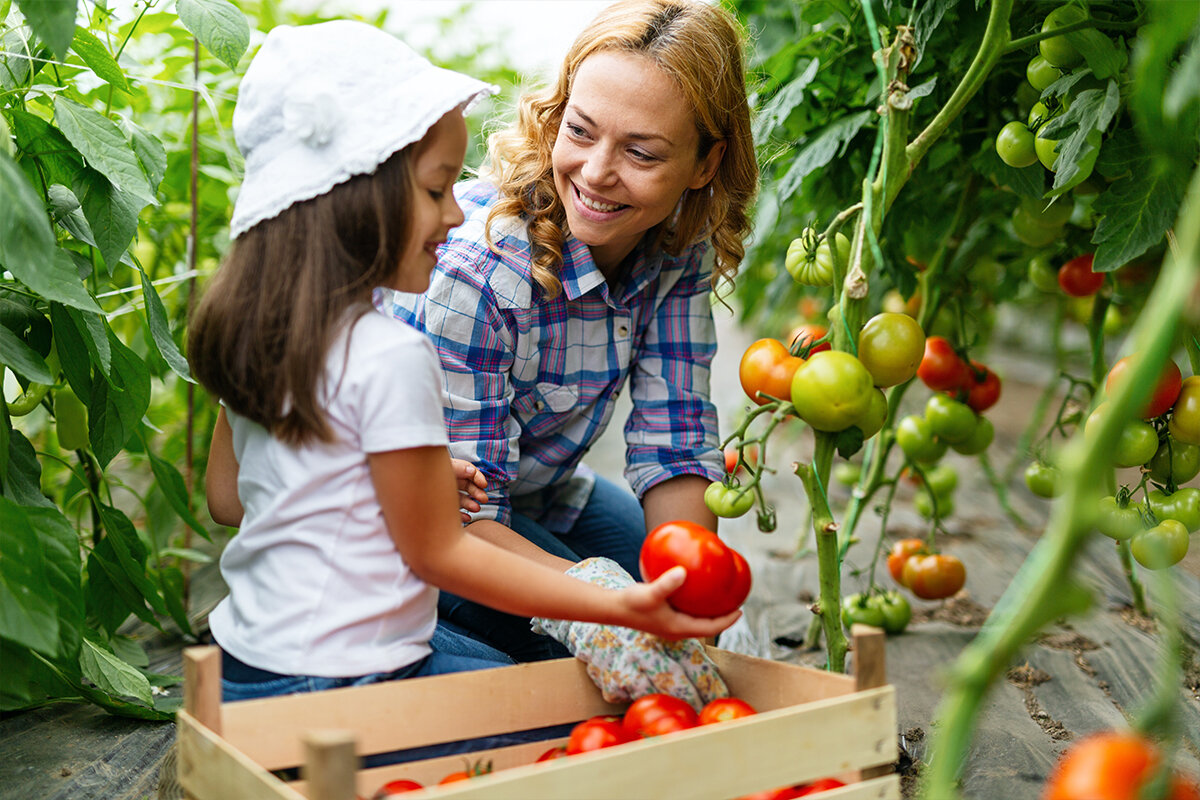
- Health benefits: Harvesting your own fruit, vegetables and herbs provides fresh, nutrient-rich produce. Raising food at home may also encourage healthier eating habits.
- Plants: Grow a selection of edible plants, with tomatoes and strawberries alongside herbs such as basil and mint. These choices bring satisfaction throughout cultivation and a reward when harvest time arrives.
Fragrant gardens
- Aromatherapy: Scented plants can strongly influence mood and wellbeing. Include aromatic choices such as rosemary, gardenias and roses to make a fragrant garden that encourages relaxation and stress relief.
- Placement: Position scented varieties near windows, seating areas or pathways. Careful placement lets you enjoy their fragrance each time you rest or walk through the garden.
Practical ways to garden for greater wellbeing
- Start small: For a first garden, choose one small area that feels manageable. Several pots or a compact raised bed provide an achievable place to begin.
- Choose suitable plants: Choose plants matched to your region's climate and soil. Australian native plants are often easier to look after and maintain.
- Build a routine: Create a regular rhythm for tending the garden. Consistent involvement can add structure and continuity to everyday life, which may benefit overall mental wellbeing.
- Garden with others: Join a community plot or gardening group. Working with others can enrich the experience while providing companionship and additional emotional support.
Conclusion
Gardening for wellbeing is a holistic practice that combines physical activity, mental rest and a close relationship with nature. With a generous backyard or compact balcony, you can create greenery that supports wellbeing. Add a place for meditation, features that engage the senses and plants for eating to shape a personal retreat for health and happiness. Explore what suits your space and local growing conditions, then let regular garden time become a source of calm, pleasure and contentment.
For more information and garden products that may help you create your own restorative wellbeing garden, visit Bloomcabin.
