
What to Grow in an Australian Greenhouse | Planting Calendar
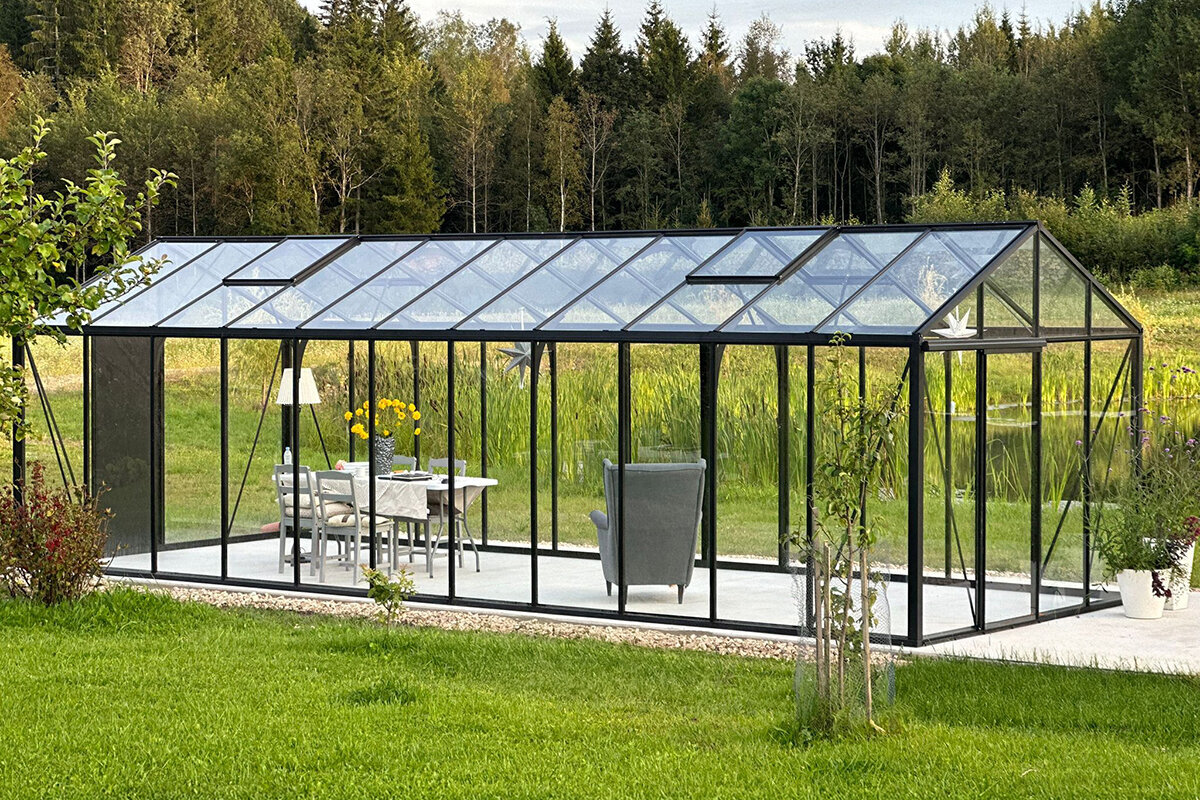
What can you grow in a premium aluminium greenhouse? A month-by-month guide for temperate Australia
Australian gardeners often ask: What can I grow in a greenhouse – and is a quality greenhouse worthwhile? Australia’s climates range from hot summers to cool winters, sudden cold snaps and differing daylight levels. An aluminium greenhouse offers controlled conditions and a longer, steadier growing season.
This practical greenhouse planting calendar for Australia outlines suitable plants and their needs month by month. It covers more than crop lists: soil preparation, nutrients, watering, light and ventilation all matter for successful year-round greenhouse growing.
We also cover what distinguishes a premium greenhouse and what to consider when choosing the best greenhouse for home gardeners , including the choice between glass and polycarbonate for Australian conditions. You will see why a Bloomcabin greenhouse suits long-term, high-quality gardening.
Why an aluminium greenhouse suits Australia
Australian conditions vary enormously between regions, with intense sun, humidity, temperature swings and cool winters. A premium aluminium greenhouse does not rust or rot and remains dimensionally stable through persistent moisture. These qualities give it a durability advantage over many simpler garden structures.
For winter greenhouse growing light can be limiting, especially in southern areas. This makes the choice between glass and polycarbonate important. Glass has very high light transmission, allowing leafy crops to make the most of available daylight through shorter winter months, when the sun sits lower.
A Bloomcabin greenhouse makes practical use of these strengths with stable aluminium profiles, quality glass, effective ventilation and a design intended for lasting garden use.
Using this greenhouse planting calendar
Successful greenhouse gardening is not about forcing every crop in every month. Match plants to the season and manage the conditions inside. Use this as a temperate guide, adjusting timing for tropical, subtropical and cool districts. This greenhouse planting calendar helps you make sound choices throughout the year.
In Australia, dependable watering, regular ventilation to manage humidity and loose, nutrient-rich soil are especially important. With these foundations, the question what can I grow in a greenhouse has a broad answer: considerably more than outdoors.
January: Summer crops and careful ventilation
January highlights the greenhouse’s value, but heat management is essential. Strong airflow and suitable protection help heat-sensitive crops while harvests continue during summer greenhouse growing.
Suitable crops: Tomatoes, cucumbers, capsicums, herbs, lettuce, chillies and young kale.
Soil and water: Keep soil loose, humus-rich and well drained. Water consistently, preferably in the morning, without allowing waterlogging.
Light and ventilation: Keep glazing clean and ventilate well to control heat and condensation.
February: Sowing for autumn and preparation
In February, many gardeners begin sowing robust seedlings for cooler autumn growing.
Sowing: Lettuce, spinach, rocket, kale, basil, leeks, onions and celery.
Growing medium: Use fine, loose seed-raising mix. Feed only after the first true leaves appear.
Temperature: Most seeds germinate at 18–22 °C. Protect them with fleece on cold nights if needed.
March: Growth gathers pace
As temperatures ease, plants establish well. This is a good time for pricking out and potting on.
Plants: Lettuce, herbs, early brassicas, tomatoes and capsicums.
Ventilation: Vent regularly to help prevent fungal diseases.
April: Early harvests and winter-crop preparation
April starts a productive cool-season phase. Fast crops can be harvested while winter plants take their place.
Plants: Lettuce, radishes, spinach, carrots, potted strawberries, kale and herbs.
Nutrients: Feed moderately and consider calcium for later fruit development.
May: Cool-season growth
May supports reliable leafy growth as many fruiting vegetables slow down.
Plants: Spinach, rocket, lettuce, herbs and Asian greens.
Fertiliser: Choose fertiliser for the crop and follow the label; fruiting plants benefit from potassium as fruit develops.
June and July: Winter greenhouse season
Harvests continue in winter. Ventilation still matters for managing moisture and condensation.
Harvest: Spinach, lettuce, herbs, rocket and microgreens.
Care: For any continuing fruiting crops, remove side shoots, train stems and water in the morning; avoid excess moisture.
August: Sow for spring
For spring harvests, begin fresh sowings in August.
Sowing: Tomatoes, capsicums, cucumbers, basil and spring onions.
September and October: Spring extension
As outdoor beds warm, the greenhouse remains a productive head start.
Plants: Tomatoes, cucumbers, herbs and lettuce.
Care: Increase watering and keep an eye on ventilation.
November and December: Productive summer growing
Growth accelerates, and harvesting is possible regularly. Microgreens also remain useful in sheltered spaces.
Plants: Tomatoes, cucumbers, capsicums, herbs and microgreens.
Glass or polycarbonate: which is better?
The choice between glass and polycarbonate matters in Australia. Glass offers high light transmission and durability; polycarbonate insulates more strongly but admits less light.
For winter greenhouse growing and a visually refined garden, many gardeners choose a glass greenhouse in the premium segment.
What is the best greenhouse for home gardeners?
The best greenhouse for home gardeners is durable, well ventilated, low maintenance and designed for years of use.
A Bloomcabin greenhouse brings together quality materials, elegant design and functional details for dependable year-round greenhouse growing.
Conclusion: a greenhouse for every season
With a quality aluminium greenhouse and a considered greenhouse planting calendar , gardening becomes more predictable and rewarding. Enjoy fresh produce through much of the year, not only one brief season.
A Bloomcabin greenhouse provides the quality, stability and design for lasting enjoyment.
