
When Should You Order a Hot Tub for Summer in Australia?
Hot tub buying guide
Summer is a useful target, but it is not an order date. To have a hot tub ready for a particular occasion, supply, delivery, site preparation and any required professional work need to fit together. Timing depends on the exact model, your location and which tasks apply, so a universal Australian order-by month would be guesswork. Choose a preferred first-use date, request current information for the model and postcode, then work backwards from the tasks with the least flexibility. Treat estimates as planning inputs until you know what is confirmed.
Choose a realistic first-use date
Pick the date you would ideally use the hot tub for the first time, then mark it as fixed or flexible. A booked holiday or planned gathering may create a firm deadline; an ordinary weekend can usually move. That difference matters because the same delivery estimate may be acceptable for a flexible plan but too uncertain for a fixed event. Record both your preferred date and the latest date you could accept without changing the plan. If other people need to be present to receive a delivery or coordinate work, note those dates too. Also record any dates when you cannot receive the order. A delivery that arrives earlier than expected may still be inconvenient if you are away or the site is not ready, so give the seller your acceptable arrival period as well as your summer target.
Define “ready” as usable, not merely delivered. Site preparation or model-specific setup may still be needed before first use, and the seller may provide instructions that need to be followed. Ask which steps apply to the exact product, who is responsible for them and how much time they may need; do not assume that services are included with the purchase. If guests or other bookings depend on your first-use date, decide whether they can be moved. That gives you a practical target for readiness rather than a date that only describes arrival.
Work backwards through the timeline
Build a sequence from your preferred first-use date backwards. Choose the exact model, ask for current availability and a delivery estimate for your postcode, then request the model-specific setup prerequisites. Identify any work or professional appointments that need to happen before delivery or use, and ask how they fit with the seller’s proposed schedule. Only then can you judge how much time to allow before ordering. This is a planning sequence, not a claim that every hot tub needs every kind of work; follow the product instructions and advice relevant to your site.
Write down dependencies as well as dates. If a professional needs product information before assessing the site, that information must come first. If a delivery booking depends on confirmed address or access details, ask when those details are required. Ask each person involved what they need and when they can realistically do it. The task with the least flexibility is often the one to plan around. Distinguish tasks that must happen in sequence from those you can arrange at the same time. For example, you may be able to seek appointment availability while waiting for the seller’s response, without committing to a booking yet. Record whether each appointment is merely discussed, provisionally held or agreed, so your plan does not rely on an unmade booking. This makes it easier to see which answer is holding up the order and which enquiries can continue independently.
Check availability for the exact model
Check the exact model rather than inferring availability from a general category page or another product’s status. Contact the seller with the model name and your postcode, and ask whether it is currently available to order, what fulfilment timing applies and when that information was last confirmed. For a specific enquiry, include the Bloomcabin hot tub Cove 2 listing so the seller can identify the product you mean. Distinguish being able to place an order from having a unit allocated to it. Ask whether the availability answer describes the position today or applies to an order you place by a stated date, and what you need to do to secure the arrangement offered. Record any deadline attached to that answer rather than assuming it remains open indefinitely.
Clarify what the seller means by available. Ask whether the timing applies to the exact product you intend to order and whether any selected variation, if applicable, could affect it. If an alternative is suggested, request its timing separately instead of assuming it will arrive sooner. Ask what event starts the fulfilment estimate and what makes a date official: a conversation, quote, checkout or later written confirmation may not mean the same thing. Note when you asked and what the seller said, since an undated status is weak evidence for a summer plan.
Clarify what the delivery window means
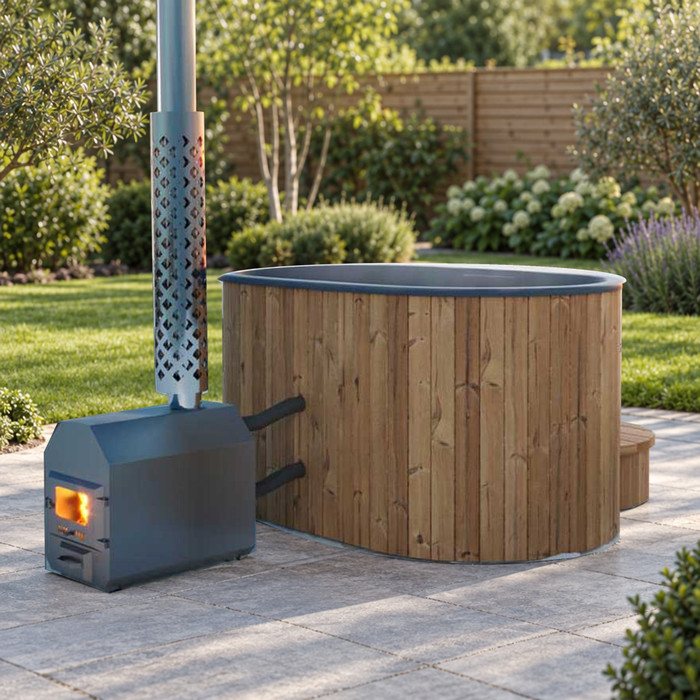
A delivery window might be a broad estimate or an agreed appointment, so ask the seller to define it. Is it a forecast for dispatch, an estimated arrival range at your address or a booking that has been accepted? Confirm which postcode and delivery scope the answer covers. If you receive a range, ask which end of it to use for planning and what could move it. When asking about the Bloomcabin Hot Tub Haven 6, include the model name and your postcode so the response is tied to the relevant product and destination.
Before accepting an order or quote, ask what must happen before a delivery date becomes firm and how the confirmation will be recorded. It should be clear whether the date is an appointment or still depends on outstanding conditions. Do not assume an order receipt is also a delivery booking unless the seller confirms that. If an appointment cannot yet be confirmed, ask when the next update is due and what event will prompt it. This lets you use an estimate for planning without treating an early forecast as guaranteed.
Include site preparation in the schedule
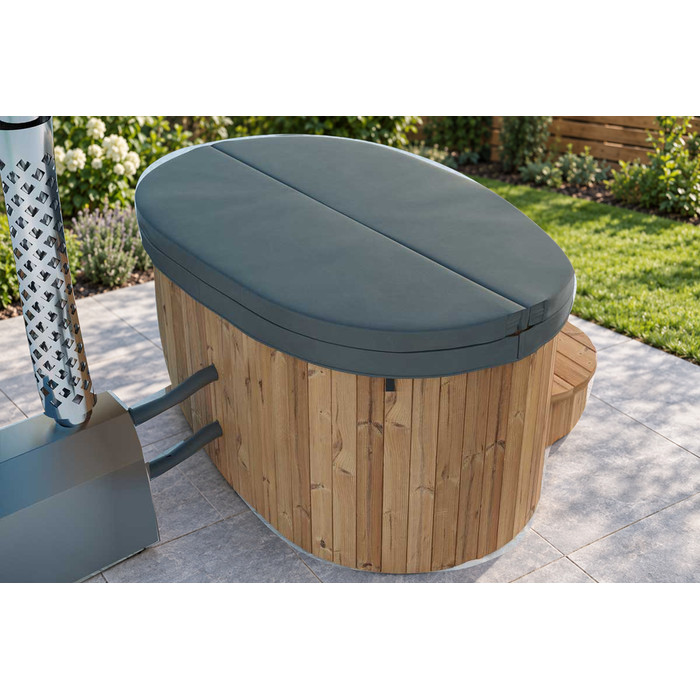
Site readiness belongs on the same calendar as supply, even if someone else is organising it. Request written setup prerequisites for the exact model, then ask a suitably qualified professional to assess any work within their expertise. If local approvals or property-specific requirements may affect planned work, check with the relevant authority or a qualified professional rather than relying on a general product listing. You can attach the Bloomcabin Hot Tub Fjord 8 product page to identify the model, while asking the seller directly for current prerequisites and the likely sequence.
Find out which tasks must be completed before delivery, which can follow it and who is responsible for each. Ask the seller and any professional involved to confirm how their schedules fit together; do not assume that one party has arranged the other. If the site may not be ready, ask in advance whether a delivery date can be changed, whether holding the order is possible and whether any conditions or charges apply. These are questions to resolve, not services to assume are available. The answers help prevent an arrival date that does not match site readiness.
Ask what could change the date
Ask what could move the estimate for your order, rather than only whether it will arrive “on time”. Depending on the seller’s process, relevant factors might include the model’s current availability, confirmation of the destination, completion of order details, delivery scheduling or an unresolved site prerequisite. Ask which of these apply to your order and whether the date depends on anything you have yet to do. For the Bloomcabin hot tub Aurora 10, separate outstanding actions you need to take from matters the seller is handling. Give each action an owner and a due date so a missing response does not quietly hold up the schedule.
Agree how a change will be communicated: who will contact you, what update they can provide and when they will review the revised date. Ask what choices you would have if the new estimate no longer suits your target, and whether changing, rescheduling or cancelling has stated conditions or costs. Get the seller’s actual terms in writing rather than relying on general assumptions. If a professional appointment or other booking depends on delivery, ask when it makes sense to confirm it. That turns a possible delay into a situation you can plan for.
Build a buffer from verified timings
Set a buffer using the information you have, not a standard number of weeks borrowed from another buyer. If the seller gives a range, plan against its later end unless you have a confirmed date and a clear reason to rely on an earlier one. Include the time needed for outstanding preparation, professional appointments and any seller-stated conditions. Leave more room where your first-use date cannot move. When seeking an updated estimate for Cove 2 from Bloomcabin, ask what the range covers and when it was last confirmed. Your buffer is contingency for your plan, not an extension of the seller’s promise.
Separate information into three groups: confirmed, estimated and unknown. Record an agreed appointment as scheduled, a forecast as provisional and unanswered prerequisites as unresolved risks. Compare the latest plausible ready date with your preferred first-use date, allowing for any steps that remain after delivery. Keep the buffer visible as spare time rather than allocating all of it to planned tasks. If one task moves, check whether it uses that spare time or also pushes back another appointment. Equally, avoid adding the same allowance twice when two estimates already cover the same stage; ask what each range includes. If the margin is narrow, decide whether to move the date, seek clearer information or accept that you may miss it. Avoid disguising uncertainty with an arbitrary buffer; make the margin reflect the parts of the timeline that have not been settled.
Weigh ordering now against waiting
Ordering now is easier to justify when you have checked the exact model’s current availability and delivery estimate for your location, understand which dates are provisional and have a workable preparation plan. Waiting may make sense if you do not yet know whether the site can be ready, cannot get a current availability answer or would have no margin before a fixed event. Use the Haven 6 listing to identify the product in an enquiry, then ask the seller for current timing. If you choose to wait, identify the answer or milestone you are waiting for and set a date to review it. That gives the pause a purpose rather than leaving the purchase undecided.
Compare the actual choices, not ordering now against an imagined guaranteed date later. Ask how timing may differ if you order now, wait until a site decision is made or check availability again later. Confirm any stated payment milestones, date-change terms and the point at which a delivery slot is actually agreed. If these details are unclear, pause long enough to get an answer. With a flexible first-use date, you may prefer to wait for greater site certainty; with a fixed deadline, proceed only when the available information supports the whole sequence.
Check timing before switching models
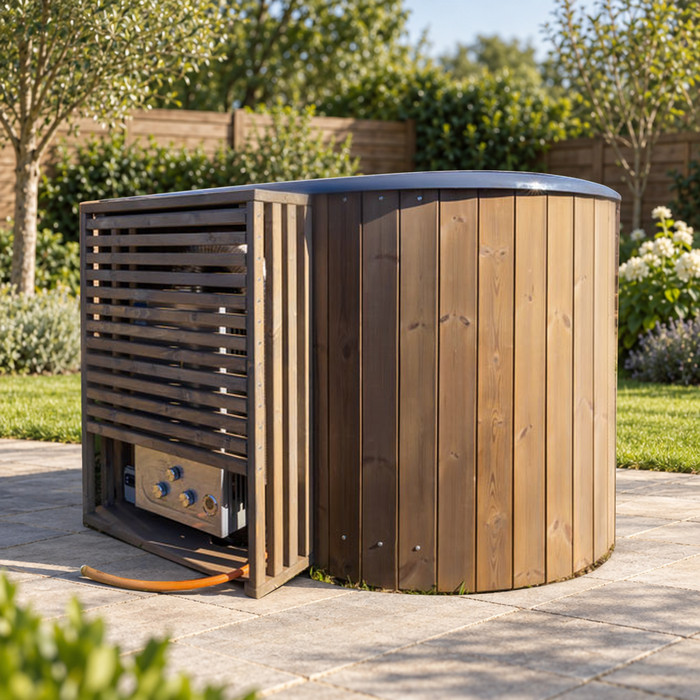
If your preferred model’s schedule does not work, ask whether another model is currently available and request a separate delivery estimate. Do not assume an alternative will arrive sooner because it has a different name, number or appearance; the seller needs to confirm timing for that product and your destination. You can list Bloomcabin Hot Tub Fjord 8 alongside the other exact model names in your enquiry. Compare the answers on the same basis: the same postcode, intended order date and preferred arrival period. Note when each estimate was supplied. If one answer is older or refers only to dispatch while another covers arrival, clarify those differences before deciding which option offers a more workable schedule.
Before switching, check whether the change affects any preparation, access or professional work already planned. Ask the seller to explain any effect on the order date, delivery window, payment arrangements or existing booking. Confirm that the revised product suits your site and intended use using verified product information; a faster estimate is not useful if it leaves a fit or setup question unresolved. If you keep your original choice, ask when its estimate can be refreshed. A model change is a new timing decision, so record the new answer rather than carrying over the first product’s dates.
Set a decision date and track updates
Set a decision date before your first-use target: the last point at which you can adjust plans without disrupting the rest of the sequence. Base it on the seller’s latest useful update, preparation dates and your buffer, not a generic Australian month. Keep a short record of the chosen model, postcode supplied, estimate, confirmation status, outstanding prerequisites and who is responsible for each. When asking about the model shown on the Aurora 10 product page, provide your enquiry or order reference if you have one and ask for timing based on your current details. Keep earlier estimates dated rather than overwriting them without explanation, so you can distinguish the latest answer from a superseded one. If the next seller update falls after your decision date, ask whether an earlier update is possible or decide what you will do without it.
At your decision date, choose whether to proceed because the confirmed information leaves enough time, adjust the planned first use or pause to resolve an unknown. Once ordered, keep the timeline current: note any changes, tell affected professionals or household members, and reconfirm appointments when the seller’s stated milestones are reached. If the timing no longer works, refer to the written change or cancellation terms rather than relying on a conversation that may not cover every consequence. A short, updated timeline is more useful than a confident but unverified promise.
Frequently asked questions
How far ahead should I order a hot tub in Australia?
There is no reliable lead time that applies to every model and postcode. Ask the seller for current availability and a delivery estimate for the exact product and your location, then include the time needed for any relevant site preparation. Work back from your preferred first-use date and allow a buffer based on those answers, rather than another buyer’s experience.
Is there a best month to order for summer?
A particular month is not a dependable order-by rule. Your timing depends on the model’s current availability, the delivery window offered for your location and the preparation your site needs. Do not assume there will be a seasonal shortage or that ordering in a certain month guarantees arrival. Check the current position with the seller before deciding.
What is the difference between an estimated and a confirmed delivery date?
An estimate is a planning forecast; it may still depend on conditions or later scheduling. A confirmed date or window should be identified as such by the seller, with any conditions made clear. Ask what the date refers to, what could change it and how the confirmation will be recorded. An order receipt alone may not confirm a delivery appointment.
Can I order while site preparation is still being planned?
That depends on the product, seller’s terms and what your site needs. Before ordering, ask whether delivery can be coordinated with outstanding work, whether a date can be changed if the site is not ready, and whether any charges or conditions apply. Get the product-specific prerequisites and check any relevant property or local requirements with a qualified professional.
What should I do if the delivery estimate changes?
Ask what has changed, what the revised timing is based on and when you will receive another update. Find out whether the new date affects any preparation appointments or your first-use plans, and ask what options and stated terms apply if the timing no longer works. Keep the response in writing and revise your timeline rather than relying on the earlier estimate.
The right time to order depends on whether your chosen model’s current availability, the seller’s delivery window and your preparation schedule leave enough time before first use. Keep a preferred first-use date, a latest acceptable date and a record of what is confirmed, estimated or still unresolved. Order when that sequence is workable and you understand the conditions attached to the timing. If the margin disappears, revise the date or resolve the unknown rather than treating an estimate as a guarantee. That keeps your summer plan practical without relying on assumed stock, standard lead times or another buyer’s experience.
