
Where Should You Put a Hot Tub in Your Garden?
Garden planning
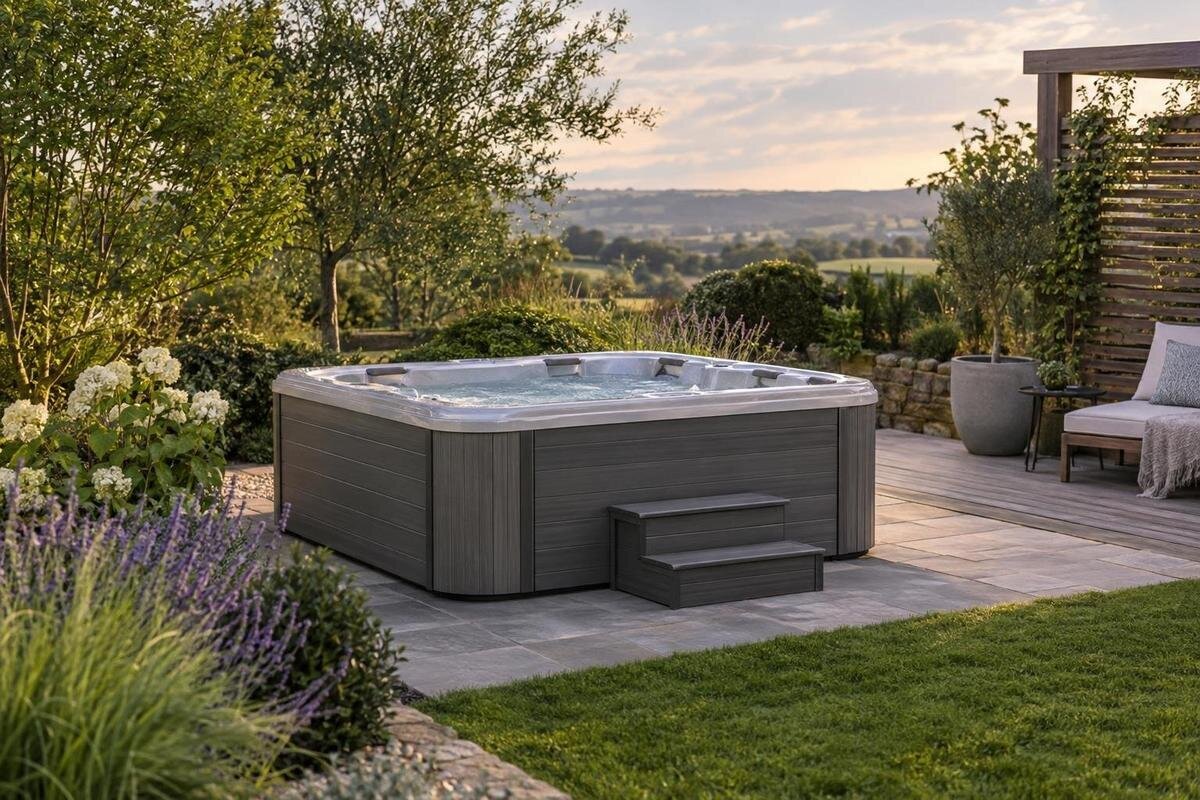
Finding the right place for an outdoor hot tub is a balance between how easy it is to reach and how it feels when you get there. Compare the route from the house, sun, wind and outlook at the times you expect to use it rather than choosing by appearance alone. A position can be convenient but exposed, or appealing but impractical to reach. Shortlist a few options, then check the exact model’s siting requirements and any local requirements before deciding.
How your hot tub routine shapes the location
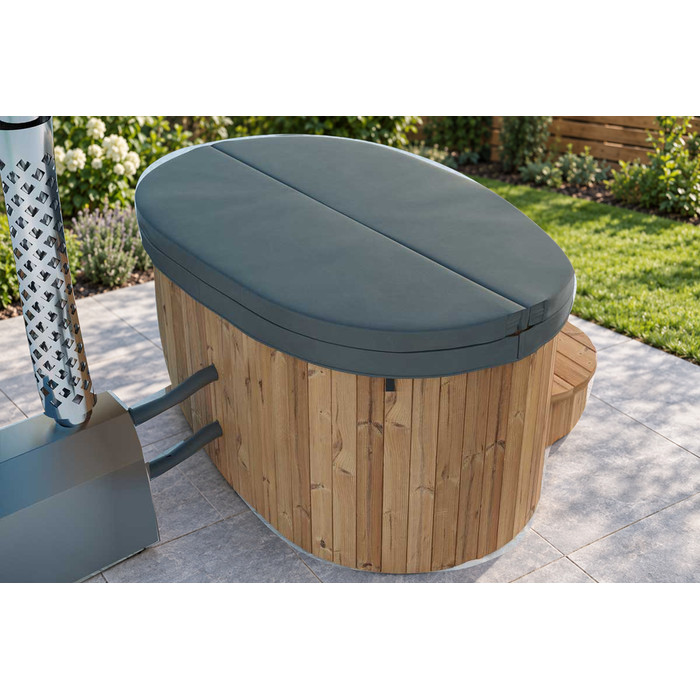
Before comparing garden corners, picture an ordinary visit rather than a special occasion. When are you most likely to use the tub: after work, early in the day or at weekends? Who will usually come outside, and which door will they use? Note whether you expect a quick dip or a longer stay, and whether you want to be close to towels, changing space or a place to sit afterwards. The location needs to suit the routine you genuinely expect to keep. A beautiful corner used only when conditions are perfect may be less useful than a simple, comfortable route you will take often. If several people will use it, ask each to consider the route; the shortest option is not necessarily the easiest for everyone.
Compare each candidate against those answers: note the path from the door you would use, the time of day and the weather you expect. Someone who wants frequent evening use may value an easy return indoors; someone seeking a separate garden destination may accept a longer walk. There is no universal ideal distance, because household layouts and preferred routines differ. If the Cove 2 hot tub is on your shortlist, treat it as a model to check against its documented requirements, not as a guide to how much space or access it needs.
The advantages and trade-offs of a spot near the house
A position near a house entrance can make everyday use simpler. Towels, robes and other belongings are close at hand, and the walk back indoors is shorter when the air is cool or rain arrives. It may also suit a household that prefers spontaneous use rather than planning a separate outing in the garden. Look at the route from the door you actually use, not just the nearest wall: a side entrance or laundry door may be more convenient than the main living area. The nearest point on the house is not automatically the easiest route. If towels and changing space are inside, account for those trips too.
Closeness has trade-offs. A candidate may occupy a route used for daily trips, sit beside an area you want to keep available, or make late-evening activity more noticeable from a nearby room. Consider whether doors, paths and normal garden tasks still work without detouring around the proposed spot. These are household-layout questions, not reasons to rule out a near-house position. If you are considering the Haven 6, include those everyday routes on the site sketch you use to assess its fit. That gives you a clearer comparison than looking only at the unused space beside the house.
When a farther garden position makes sense
A more distant position can give the tub a stronger sense of separation from the house and may offer an outlook that is unavailable nearer the door. That can suit people who want a deliberate break from indoor routines, especially if the garden path itself is pleasant and direct. The benefit is personal, though: a location that feels separate is useful only if the trip remains comfortable at the times you intend to use it. Consider the round trip, not just the walk out. When you are finished, you will still need to return indoors in the same weather and light.
Distance also changes how often some people use an amenity. If a long, dark or exposed approach feels like a chore on a cool evening, a position that looks ideal in daylight may be less appealing in winter. Think about who will use the tub, how they move around the garden, and whether a long path remains convenient. When considering the Bloomcabin Hot Tub Fjord 8, weigh the appeal of a separate garden destination against that everyday journey before settling on a position. A more remote spot may feel restful on weekends yet less attractive on a weeknight, so judge it against both patterns rather than treating distance as an automatic advantage or drawback.
Measure the route, not just the distance
Measure distance along the route people will actually walk, rather than drawing a straight line from the house to a point on a plan. A fence, gate, garden bed, change in level, step or narrow turn can make a short gap feel much longer. Mark where a person would enter and leave the tub area, then trace the path in both directions. If the direct route crosses a space used for another purpose, note that too. Count corners and sections that become narrow when garden furniture or bins are in their usual places. The comparison should reflect the garden as it is used today, not just how it looks in a sketch.
Try the route at a likely time of use and imagine carrying ordinary items such as towels; do not rely on a midday walk if evening use is the plan. Delivery access is a separate feasibility question: a comfortable walking path does not prove a large item can reach the proposed location. Ask the supplier what information is needed to assess delivery and on-site access for the chosen model. If you have shortlisted the Fjord 8 hot tub, check its model-specific delivery guidance against the whole route from the property entrance to the proposed position, not just the final stretch of garden path.
Compare sunlight at the times you will use the tub
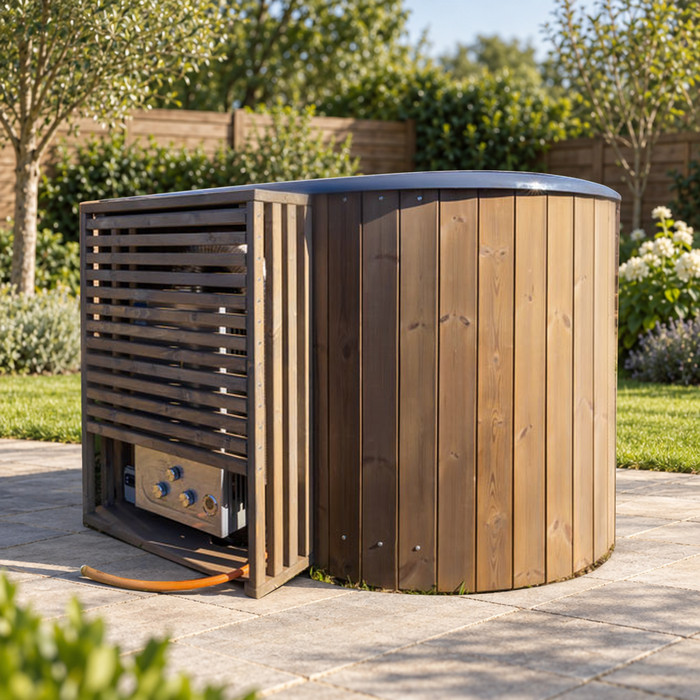
Watch how direct sun and shade move across each candidate area. Morning sun, strong afternoon sun and a shaded corner can feel quite different, even within one garden. Note the likely exposure at the hour you would use the tub, and whether nearby trees or buildings cast shade then. A spot that is pleasant in one part of the day may be less comfortable at another. Avoid relying on a single midday inspection: it can hide both earlier shade and the late-afternoon conditions that matter to your routine. Compare specific time windows rather than simply labelling an area sunny or shady.
Think beyond the current month. The sun angle and tree cover can change over the year; deciduous branches may leave a spot more exposed in winter, while summer shade may be valuable during hotter periods. Record what is permanent and what is seasonal rather than assuming one observation represents the whole year. Sunlight is a comfort factor, not a substitute for the chosen model’s published siting guidance. If you are comparing the Aurora 10 hot tub, keep your sunlight observations alongside the site measurements so you can assess both personal comfort and the model’s requirements without confusing the two.
Assess wind and wet-weather conditions
Notice how wind reaches each spot. A completely open area may feel breezier than a position screened by the house or established planting, while a narrow passage between structures can channel airflow. Observe the site on more than one occasion if you can, especially at the times you expect to use it. Look for the direction from which gusts arrive and whether branches or loose leaves regularly move through the area. A screen is not automatically a solution: first judge the conditions at the candidate spot, then check any proposed shelter or structure against the supplier’s guidance and its suitability.
Rain and ground conditions deserve a quick observation as well. After wet weather, note where water collects, where it runs, and whether the route becomes uncomfortable to use; do not treat a dry-day appearance as proof that the site stays dry. Overhanging vegetation can also make a location harder to keep clear, depending on the garden. These observations help eliminate inconvenient positions, but they do not establish that a base is suitable or that drainage work is adequate. If you are unsure about the ground or runoff, ask an appropriately qualified professional to assess it rather than relying on guesswork.
Judge the outlook from the proposed position
An outlook can make one position more appealing than another, but assess it from the place where the tub would sit, not from the garden gate. Consider what you would see at the times you expect to use it: a tree canopy, a broader garden view, a wall, a neighbouring building or an area of regular activity. The view may be different after dark or when garden lighting is on. A location with a modest view can still be the better choice if it works much better for access and weather.
To compare sightlines, stand or sit near each proposed position and look in the directions you are likely to face; do this at more than one height if the ground slopes or the view is partly screened. A temporary marker can help you remember the candidate spot, but do not use it to estimate the tub’s footprint unless you have the correct model dimensions. The Bloomcabin Cove 2 can be included in that model comparison, with the view judged separately from the technical fit. A simple sketch of each outlook can make the comparison easier than relying on memory.
Revisit each spot at different times and seasons
Garden conditions change with the clock as well as the season. Visit the shortlist at the time you expect to use the tub: shade at breakfast may differ from shade after work, and wind can feel stronger once the sun has gone. If you are considering evening use, check the route and outlook in low light rather than relying on daytime impressions. Where possible, revisit after rain and during a cooler spell. A single pleasant afternoon is weak evidence for a location you expect to use through different conditions. Write down the approximate time, cloud cover and wind so the visits are easier to compare.
Australian gardens vary widely, so use the weather you actually experience rather than a broad assumption about your region. If cooler winter evenings are normal where you live, consider whether the walk from the house and time spent outside suit your routine then; if hotter periods are more relevant, give shade and sun exposure more weight. Seasonal foliage, prevailing wind and wet ground can also change how a position feels. Keep notes on each visit, because memory tends to favour whichever candidate you saw most recently.
Compare shortlisted locations side by side
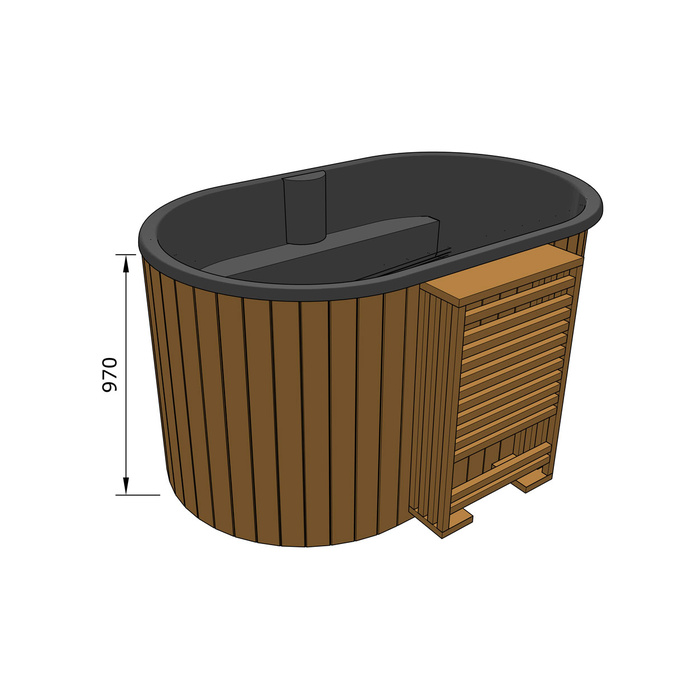
Once you have a few candidates, put the same questions beside each one: walking time from the usual door, direct sun at likely use times, wind exposure, outlook and how each changes with weather. Use simple ratings or short notes, but keep the factors separate. A location might score well for convenience and poorly for outlook; collapsing everything into a single number can conceal that trade-off. Mark any deal-breaker explicitly, such as a route no one wants to take in winter, rather than letting a high score elsewhere cancel it out. Clearly flag unresolved points so a good view does not distract from a practical concern.
Assess feasibility separately from comfort. A pleasant, convenient candidate should remain provisional until you know whether the chosen model can be installed and serviced there. Keep unresolved questions beside each location rather than treating a lack of information as a positive result. If the Bloomcabin Hot Tub Haven 6 is on your list, use its current model-specific guidance to identify which of your two or three preferred spots warrants closer assessment. This helps you avoid choosing a favourite solely on appearance, while keeping an alternative available if the first location proves impractical or requires changes you do not want to make.
Confirm the site suits the exact hot tub model
Before committing to a location, match it to the exact model’s current supplier instructions. Confirm the outside dimensions, required working clearances, base or support requirements, delivery route, access for servicing and any utility needs from the relevant documentation. Those details cannot be worked out from a product name, photograph or the space that looks available from above. Ask the supplier which measurements and site information they need, and have a qualified professional assess matters that depend on the ground or services. Keep the guidance you used: generic advice for a similar product may not apply.
Local requirements may also affect whether a proposed position is practical. Check with your local council and the relevant state or territory authority about requirements that apply to your planned equipment and site, and ask the supplier or qualified tradespeople about technical questions. Do not assume a generic online checklist covers a particular property. For a model such as the Bloomcabin hot tub Aurora 10, obtain its current specifications and siting guidance and assess the garden separately. If the preferred position does not match, compare another location first, then reconsider the model.
Frequently asked questions
Does a hot tub have to be near the house?
Not necessarily. A closer position can make short, frequent visits easier and simplify trips indoors; a farther one may offer an outlook or sense of separation you prefer. Compare the whole route at the hours you expect to use it, including the return journey, rather than choosing by straight-line distance alone.
Is a sunny spot better than a shaded one?
Neither is universally better. Direct sun may feel welcome in cooler conditions, while shade can be preferable in hotter weather, and the balance changes over the day and year. Observe each location at the times you expect to use the tub, and note what trees or buildings shade it.
When should I inspect possible locations?
Visit at the times you expect to use the tub, such as early morning or evening, and return after rain or during cooler conditions if possible. Record the time and weather. If you cannot observe every season, use your experience of the garden and check the exact model’s siting instructions separately.
Can I put a hot tub on an existing deck or paved area?
Not without checking. An existing surface’s appearance does not confirm that it meets the chosen model’s support requirements. Find the current instructions for that exact hot tub and have a suitably qualified professional assess the actual structure or ground. Do not infer suitability from another model or a product photograph.
What should I confirm before choosing a location?
Confirm the exact model’s dimensions, required clearances, base or support requirements, delivery and service access, utility needs and any local requirements that apply. Ask the supplier and relevant authority what information is needed for your property, and get qualified, site-specific advice on technical matters.
The strongest choice is the one that remains appealing in ordinary conditions, not just during a sunny site visit. Compare each location against the same routine, observe it at likely use times, and keep comfort separate from technical feasibility. Once the preferred model’s dimensions and supplier instructions have been checked against the site, you can decide whether to proceed with that position, choose another corner or revisit the model shortlist.
