
Where to Position a Garden Shed for Sun, Shade and Privacy
Garden shed placement
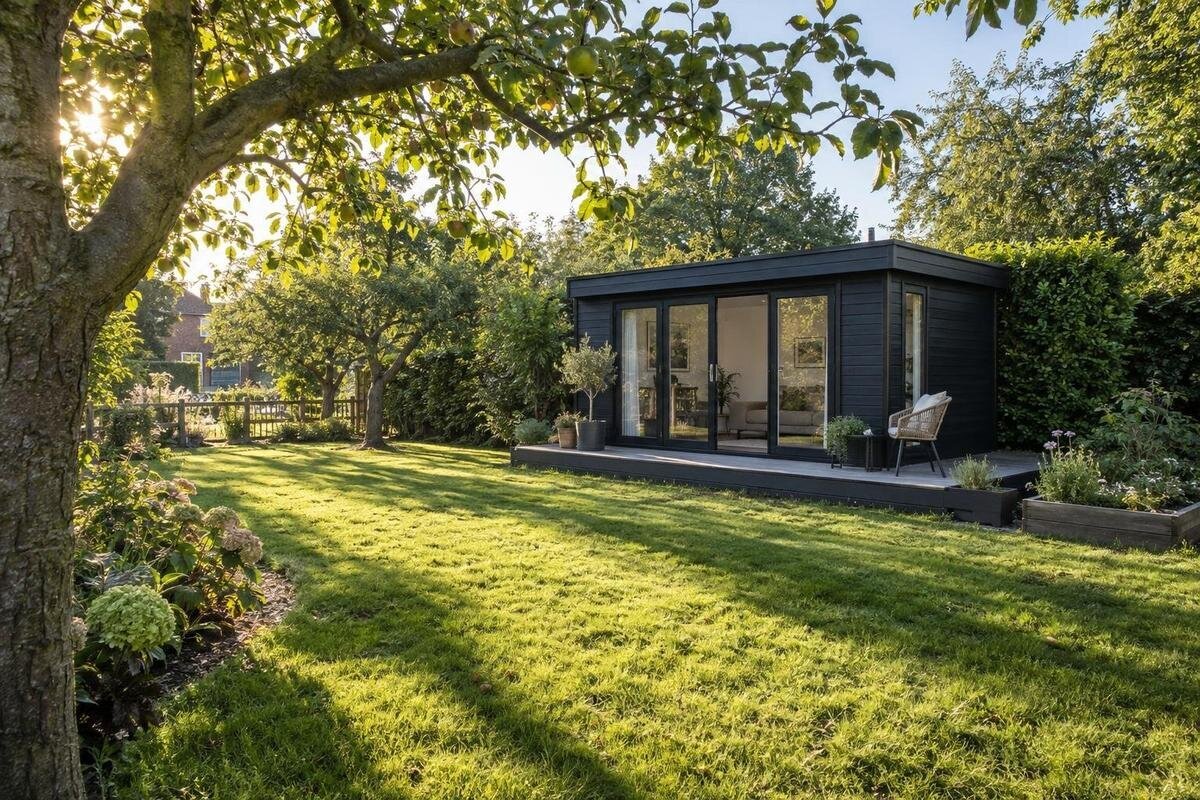
Working out where to position a garden shed is easier when you assess the backyard before choosing a model. Sunlight shifts through the day, shade changes with it, and privacy depends on who can see the space from nearby windows and paths. A spot that looks ideal from inside the house may feel exposed from the shed, or too dark for the way you intend to use it. Compare a few realistic locations against your preferred light, sightlines, garden routes and ground conditions. Good garden shed placement matches those observations to the exact model's dimensions and siting requirements before you order.
Buying considerations 1
How intended use affects the location
Before weighing up sunlight or privacy, decide what the building needs to do. A garden shed used mainly to store equipment may work best near the garden tasks or route you use most; a space where you plan to sit, work on a hobby or spend time in the afternoon makes natural light, glare and outlook more important. If you will use it mostly in the evening, daytime sun may carry less weight than access and the view. These priorities can point to different parts of the backyard. Note the main use, the hours you expect to be there, and whether you want to look out or limit views in.
Rank those needs before comparing locations and models: identify the one or two conditions you cannot compromise on, then list the preferences that could change. You might accept some shade to reduce a direct view from a neighbouring window, or choose a more visible part of the yard because it is easier to reach and gets useful light. Sketch two or three candidate areas rather than committing to the first promising spot. Mark a rough footprint and the side you expect to approach, so your notes capture both the location and how the building would face. If the intended use could change, favour a position that can serve more than one activity. Keep a fallback location in case a model's confirmed footprint rules out your first choice.
Observe sunlight at different times of day
One visit gives a poor picture of garden shed sun exposure. Sunlight and shadows shift over the day, so a patch that is bright in the morning may be shaded later by your house or a fence. Visit each candidate at several times—morning, around midday and later in the afternoon—and note which parts of the planned footprint receive direct sun. Include the side where a doorway or window may sit, not just whether the roof area looks bright. Repeat on another day if cloud or unusual weather makes the first observation unrepresentative. A few time-stamped photos can help you compare patterns, but keep written notes about when each was taken.
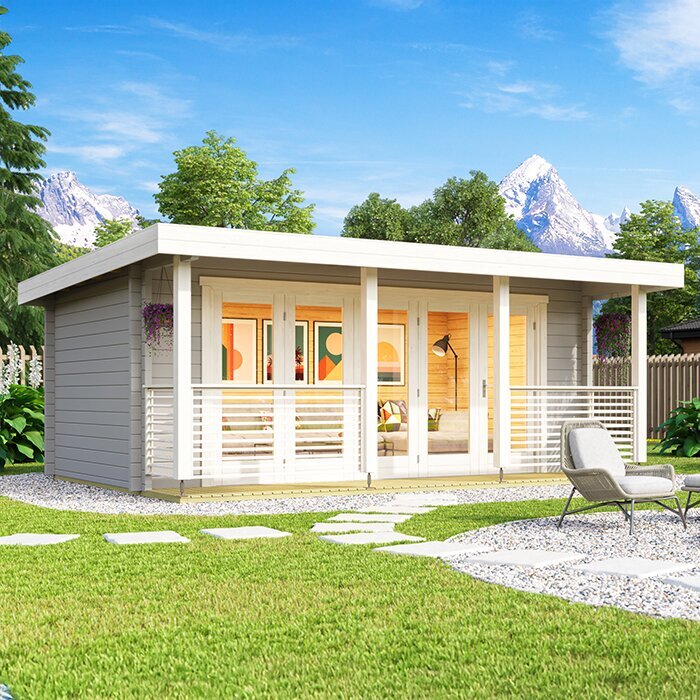
Record the time, the direction of the shadow and whether sunlight reaches an intended work area or outdoor spot near the shed. Sun angles change through the year, so a check in one season may not reflect conditions when you will use the building at another time. If you expect year-round use, consider the seasonal pattern as well as what you can observe now; if you mainly use the shed at particular hours, give those observations more weight. Compare your notes with the confirmed footprint and opening positions of each shortlisted product. For the Verdana 1 garden house, confirm the exact configuration before choosing a direction; a catalogue image cannot establish how it will sit in your backyard.
Buying considerations 2
Choose how much shade you want
Shade is a preference to assess, not a fixed requirement. A shaded position may reduce direct glare around an occupied space, while a darker location can be less suitable if natural light matters for a hobby or work area. Partial shade may cover only one side of the footprint, and its position can shift as the day progresses. Think about when you are most likely to use the shed: late-afternoon shade may matter more than morning shade for regular after-work use, but that is a personal trade-off, not a universal placement rule. Consider the light where you intend to sit or work, not only the appearance of the exterior. A spot that changes from shade to sun is different from one that stays shaded.
Separate shade already cast by the house or fence from shade you hope to create later. A screen, canopy or other addition can alter both light and sightlines; check whether it is practical for the site and the exact product rather than assuming it will fit. Compare each candidate at the times you recorded, then decide whether you want a consistently shaded position, a brighter one or a mix. Keep Verdana 2 in your shortlist as a model to assess against those observations; its name or a product photo does not tell you how much useful light a particular location will receive. Check configuration details before treating it as a match, and consider whether a planned screen would affect an opening or approach.
Check the openings before choosing an orientation
Orientation affects what the shed's openings face, which in turn influences daylight, outlook and how exposed the interior may feel. If the model has a window, door or other opening, check its position and relate it to the sun, the approach path and nearby sightlines. A door facing a busy route may feel less private, while a window facing a bright part of the garden may suit one use but not another. Consider both the inside of the building and the area just outside the entrance. Do not assume the building can be turned or reconfigured simply because its footprint appears symmetrical; the exact design and available options determine what is possible. Treat orientation as part of model selection, not a detail to settle after ordering.
Mark the intended front and every opening shown in the product information on your site sketch. Then picture the approach to the door and the view from any window: does the entry face the route you actually use, and do openings face the part of the garden where you want light or privacy? For the Durano spacious garden house, verify the opening arrangement for the exact product version before settling on an orientation. If the listing is unclear, ask the retailer rather than inferring the layout from a styled image. Get confirmation before ordering if a particular facing is important.
Buying considerations 3
Assess privacy from more than one viewpoint
Privacy is about sightlines, not just the boundary. Check the proposed position from your own windows, neighbouring homes, outdoor seating and any footpath or gate where people regularly pass. Stand or sit at the viewpoints that matter and consider what someone could see into the shed, as well as what you would see looking out. If you expect to sit inside, test the view from a seated position as well as standing. A fence may screen one angle while leaving another open; a spot that feels private from the kitchen can still be visible from an upstairs room. Test the actual footprint and openings rather than judging the centre of the site alone.
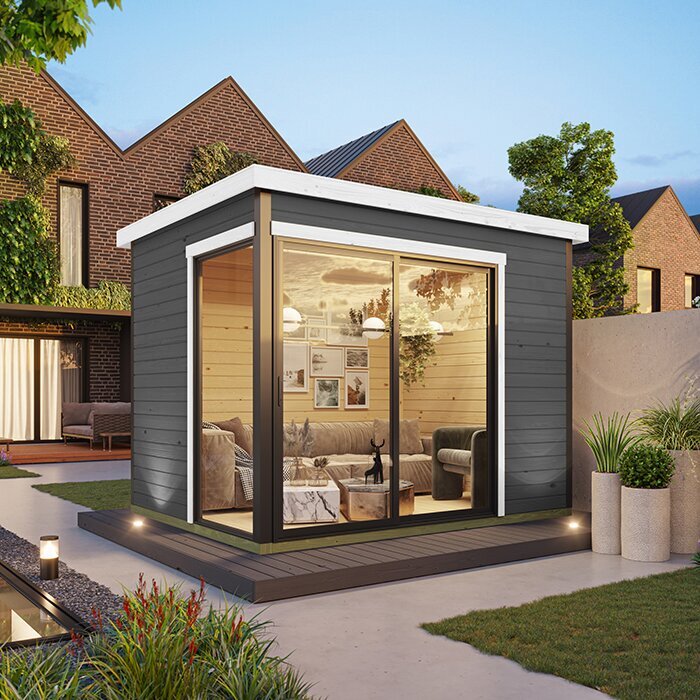
Decide how private the space needs to feel for its intended use. If a sightline is a concern, first see whether moving the shed or changing its orientation solves it without losing the light you want. Screening, fencing or planting may be alternatives, but can alter shade, access and the garden's appearance; check that a proposed screen is practical before relying on it. Consider whether it would block an opening or create a new shaded area. Targeted screening may protect one important view while preserving a brighter outlook elsewhere. When assessing Veltor 1, use the confirmed opening positions as part of the sightline test, not just the model name or a single image.
Fit the shed into the way you use the backyard
Sun and privacy should fit the way you use the rest of the backyard. Mark the likely footprint using dimensions you can confirm, then see how the position affects paths between the house and garden, access to beds, outdoor seating, a clothesline or play areas. The question is not merely whether the building fits: will you still be able to use the surrounding space as you do now? A spot tucked into a little-used corner may preserve a central open area, while another could interrupt a regular route or dominate the view from a frequently used room. Compare at least two layouts before deciding, including the view from the house.
Add the preferred approach side and the main view from the house to your sketch. If you will regularly carry items to and from the shed, walk that route at your normal pace and notice whether it crosses a busy part of the garden. A temporary outline on the ground can make the scale easier to judge than a product photograph; use removable markers that will not damage the surface. If an outdoor table or lawn is used at the same time, consider whether the route would cut through it. When plotting Orello 1, use its confirmed footprint rather than estimating size from an image, then compare how the position affects the paths and outdoor areas you want to retain.
Buying considerations 4
Check the ground and water flow
A position with the right light can still be unsuitable if the ground is uneven, soft or prone to holding water. Look at the surface after rain and note where water flows or pools, whether the proposed area slopes and whether the surface seems stable. Also notice whether nearby paving or a higher part of the garden directs water towards the site. Conditions can differ across a small backyard; do not assume a sunny, attractive patch is ready for a building. A dry-weather visit may not reveal how the ground behaves after rainfall, so observe it then if you can. Ask a qualified installer or relevant trade professional to assess ground you cannot judge confidently.
Use the chosen model's written instructions for its base or ground-preparation requirements instead of relying on a general rule. If the site needs levelling, drainage changes or a prepared base, the work may affect which position is practical, so resolve the question before committing. Before choosing a spot for Modano 1, check the product information for stated siting and base guidance; if the details are unclear or water collects there, get advice from a qualified professional. If substantial work may be needed, clarify its scope before ordering. This keeps sun and shade from becoming the only tests of a viable location.
Confirm the model details before ordering
With a shortlist of sites, compare each with the exact garden shed you intend to order. Confirm its external dimensions, any stated overhangs or projections, door and window positions, and the configuration being sold. A floor plan or written product information is more reliable than estimating from a photograph. Check whether selecting an option changes the footprint or opening layout; if the listing does not answer that, ask the retailer to confirm before preparing the site. Find out whether stated dimensions describe the full outside size or only part of the building. This can rule out a location early, before you spend time or money on ground work. Use the same model version when comparing notes.
Also clarify purchase details that affect placement: what is included, what site preparation is expected, whether assembly is included or arranged separately, and what access is needed to move components to the chosen area. Check the retailer's delivery information and the actual route on your property rather than assuming a vehicle can reach the site; gates, steps or a narrow passage may change the plan. For the M timber garden shed, use the product page as a starting point for facts to confirm, not a reason to infer dimensions or suitability from the name. Ask about missing details before placing the order.
Buying considerations 5
Resolve trade-offs between sun, shade and privacy
Some backyards do not offer one position with the preferred sun, shade and privacy all at once. Decide which factor is essential and which might be improved without changing the building's location. A movable screen, a changed seating arrangement or planting may help with a particular view; a site with some shade may be preferable at the time you expect to use it. Treat these as options to assess, not guaranteed fixes: a screen can create a new shadow, and planting takes time to establish and may change through the seasons. Identify any work needed to make an option function before you count it as a solution.
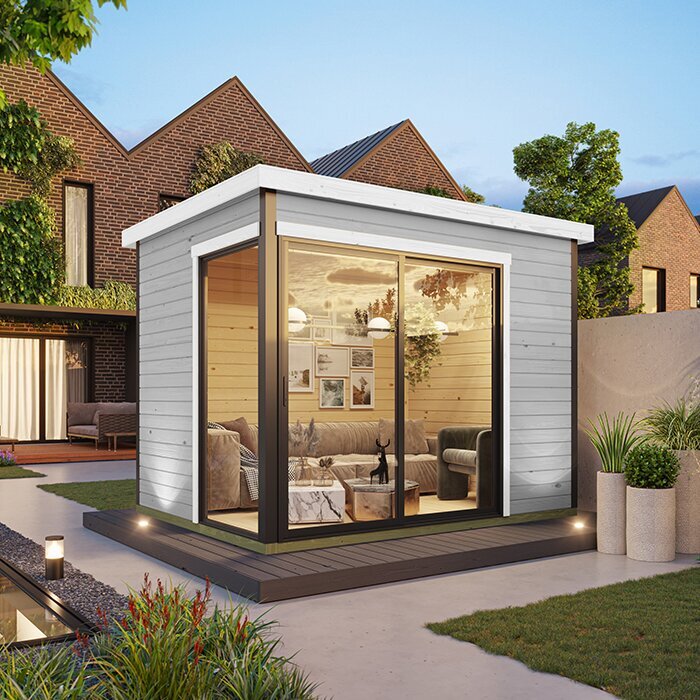
When light and privacy conflict, compare the trade-off from the viewpoint of actual use. Could shifting the building or turning it—if the product permits—improve the view without making the approach awkward? If not, decide whether another site or a considered screen is the more dependable option. If Timber tool shed S is on your shortlist, weigh it against the same priorities as every other model; do not order first and then try to make an unsuitable corner work. Confirm that any proposed change to the site will remain compatible with the exact product and its setup guidance, and consider the effort needed to maintain it.
Compare the final sites against your priorities
Before placing the order, return to each candidate location with the same scorecard. Rate sunlight at the times that matter, the amount of shade your intended use can tolerate, privacy from the relevant viewpoints, the garden routes you need to keep and whether the ground requirements are understood. A simple side-by-side table makes trade-offs easier to see; it need not create false precision with elaborate scores. Apply the same criteria to every site so an attractive view or convenient corner does not outweigh a serious drawback. Mark non-negotiables separately from preferences, and remove a location if it fails an essential requirement.
Revisit the strongest option on another day, or in another season if practical, and compare it with the exact product details before committing. Confirm the footprint, opening orientation, base guidance and any unresolved access questions; treat a seasonal pattern you have not observed as an uncertainty rather than an assumption. Check whether local approval or siting requirements apply with the relevant authority or a qualified professional where needed. If the decision depends on a judgement about sloping ground or installation, do not rely on a sketch alone. A good location need not be perfect in every category, but it should meet the important needs without leaving a significant compromise unexamined.
Frequently asked questions
Which direction should a garden shed face?
There is no single direction that suits every backyard. Match the selected model's confirmed opening positions to the light, views and privacy you want, and check that its configuration allows the orientation. Observe candidate sites at different times rather than deciding from one sunny-day view.
Is sun or shade better for a garden shed?
Neither is right for every use. Direct light may make a space feel brighter, while shade may reduce glare, but conditions vary through the day and year. Base your choice on when and how you plan to use the shed, not a set number of sun hours.
How can I check whether a garden shed will feel private?
Look from the viewpoints that matter: your home, neighbouring windows, outdoor seating and nearby paths. Mark the footprint and opening positions, then consider what is visible from each direction. If screening is part of the plan, check whether it could change the light or block an opening.
How can I test a garden shed location before ordering?
Mark the footprint with removable markers and observe the site in the morning, around midday and later in the afternoon. Record sun and shade, walk the intended approach and look at the ground after rain. Use the exact product dimensions and confirm its base requirements before settling on the spot.
What details should I confirm before ordering?
Confirm the model's external dimensions, opening positions and configuration, its stated base or ground requirements, and any delivery or assembly arrangements that affect the site. Ask the retailer about missing product details. For questions about the ground or installation, consult a qualified professional and check whether local requirements apply.
Good garden shed placement comes from matching a real sun-and-shade pattern with the privacy you need and the way you use the backyard. A short list of tested locations makes it easier to see where a model's openings, footprint and base requirements fit. If one site is a compromise, decide on a practical remedy before ordering rather than relying on an unconfirmed assumption. The strongest choice is the one whose trade-offs you understand and whose product details you have confirmed.
