
Window condensation: inside, outside or between panes
Window guide
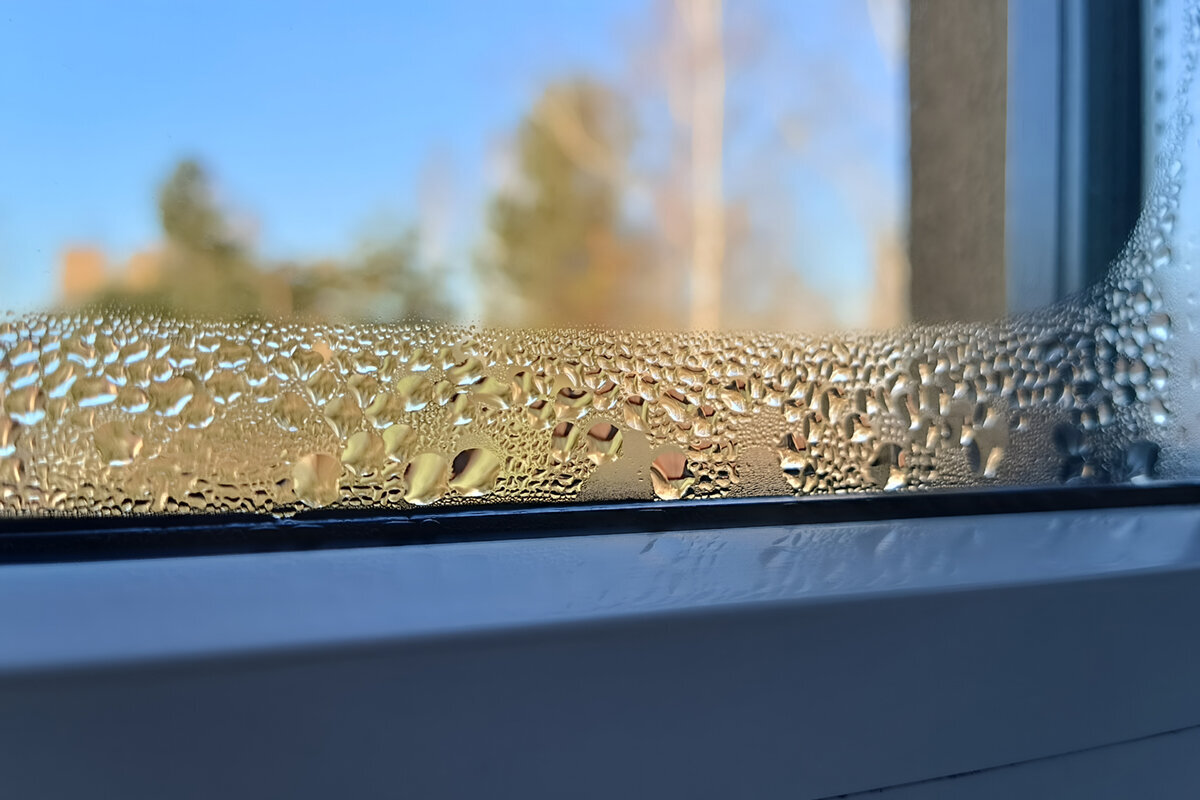
One morning can present three distinct window conditions: water running down the bathroom glass indoors, a light film across the bedroom window outside, and cloudiness apparently trapped within one glazed unit. Each points to a different process and requires a different response. Rather than treating condensation only as an irritation, anyone considering replacement windows should examine how indoor air, surface temperature, glazing, frames, wall junctions and room use interact. Renovation can alter that balance. This guide explains the three possible moisture locations, practical initial checks and the information needed to plan a coordinated window project.
First, identify exactly where the condensation sits
Before discussing ventilation, replacement glazing or an entirely new window, inspect the glass from several angles. Briefly wipe a visible surface with a dry cloth only when this helps locate the moisture. Room-side condensation is reachable from indoors, while an external film lies on the weather-exposed face and often appears early in the day. Haze that remains beyond both accessible surfaces may be inside the glazing cavity. Record the timing as well: did it follow showering, cooking or sleep; does it last all day; and is every window affected or just one? Careful identification avoids treating harmless outdoor dew as damage or generalising a problem confined to one location.
Also map the precise position of the water. A fine, uniform film across the centre needs different consideration from drops along the bottom edge, damp corners, wet seals or marks on the reveal. Furniture, heavy curtains and indoor blinds can restrict airflow beside the glass. A heater beneath the opening, a deep sill or curtains kept closed may therefore explain why only certain areas are affected. Note the room temperature, ventilation pattern and use of the space. Collecting these observations before seeking advice makes it easier to describe whether the event is daily, limited to colder periods or persistent, rather than simply saying that the window sweats.
Indoor condensation: how humid air becomes surface moisture
Air inside a room carries water vapour. As it loses heat beside the inner window face, it can reach the dew point and leave visible moisture. This is more likely when indoor humidity is high or the surface is especially cool. Showering, cooking, indoor laundry drying, plants and several occupants can all add moisture, particularly where ventilation is limited. Bedrooms often become more humid overnight as outdoor conditions cool. Condensation found there in the morning offers useful evidence about the overnight balance, although it does not establish the cause by itself. Older windows and isolated, unfavourably positioned building elements can both be affected.
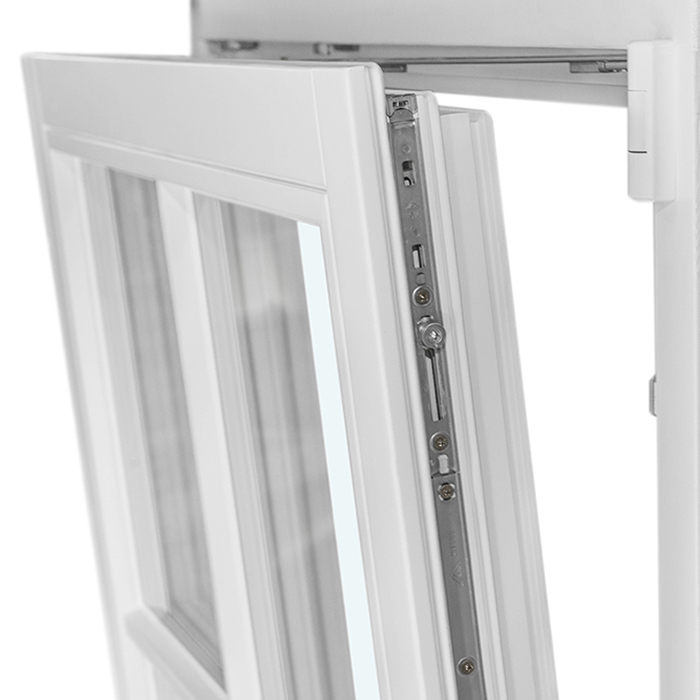
A buying decision should not rest solely on a centre-of-glass figure. Temperatures on the room-side surface also depend on the glazing edge, the amount of frame, window dimensions, installation position and connection with the wall. Before replacement, consider which arrangement suits the wall construction, room use and ventilation plan. A single-sash inward-opening window identifies an opening configuration, not guaranteed suitability for every building situation. Treat glazing, frame design and wall connection as one specification. If only selected windows are changing, consider whether the resulting indoor surface temperatures could vary noticeably across the room.
Immediate steps when condensation appears indoors
Do not allow room-side water to remain on the window for extended periods. Wipe the glass, frame and sill, then see whether deliberate ventilation reduces the droplets. Opening the window fully for a short period can replace moisture-laden air; keeping it barely open may perform differently as the weather changes. After showering or cooking, limit the spread of humid air into adjoining spaces. Include morning ventilation when assessing a bedroom, but avoid cooling the room so far that its surfaces stay unnecessarily cold. Effective moisture removal should respond to the room, daily activities and current conditions rather than follow one rigid routine.
Arrange a professional assessment if substantial condensation continues under otherwise reasonable conditions, gathers around edges, frames or reveals, or appears with mould or a musty odour. The review should extend beyond the window itself. Appropriate specialists can consider thermal bridging, wall connections, possible water entry and airflow through the room as a system. During renovation, postponing installation decisions until after ordering the window is particularly risky. Confirm who will measure the existing openings, design the junctions, record present damage and coordinate the necessary trades before fitting. This converts a visual observation into a structured investigation instead of an unsupported diagnosis.
What exterior condensation can tell you
Outdoor condensation develops through a different process. During a clear, humid night, the outer pane may lose enough heat for atmospheric moisture to settle on its surface. Dew visible at daybreak that clears as sunlight or warmer air reaches the glass is consistent with this pattern. Although it can briefly obscure the view, it does not alone indicate excessive moisture inside the home. Exposure to open sky, building position, still conditions, eaves and nearby vegetation may all influence whether the outside face becomes visibly wet.
Exterior moisture therefore cannot serve as a single measure of window quality. Confirm that it is on the outside, note whether it evaporates, and look for separate concerns such as damaged seals, water in the frame rebate or dampness indoors. When designing a broad non-opening glazed area, such as a fixed-glazed window, plan cleaning access, shading, ventilation openings and everyday operation on their own merits. Fixed glazing may work well within a carefully designed combination, but the room still needs suitable openings for cleaning and air exchange. Morning dew on the exterior should not distract from those decisions.
Moisture between panes is a different finding
Insulating glazing encloses a sealed cavity between its panes. Moisture, streaks or persistent cloudiness apparently located in that cavity cannot be reached by wiping either exposed face, unlike ordinary surface condensation. Because light and weather can change its appearance, take photographs under more than one set of conditions. Compare the same area carefully to rule out reflections, dirt adhering outside or water left on an accessible surface. Decide on further action only after the evidence reasonably establishes that the haze is between the panes rather than on them.
The affected unit should then be assessed on its own circumstances. Gather the purchase paperwork, order confirmation, photographs, measurements, installation date and records of earlier repairs. Bloomcabin offers a five-year commercial guarantee for windows and doors; the documents and inspection determine whether an individual claim is covered. This guarantee does not limit consumer rights that cannot be excluded under the Australian Consumer Law. One affected unit does not automatically justify replacing every window. If broader renovation is already planned, however, it may be practical to assess the glazing, sash, frame, wall connection and adjoining windows together. A documented condition assessment reduces the risk of ordering the wrong replacement.
Why edges, frames and reveals often matter
Moisture may emerge somewhere other than the place initially expected. Different components meet around the glazing edge and frame, while the wall connection helps determine the room-side temperature of the reveal. Water gathering mostly in one bottom corner may reflect restricted airflow as well as a cool junction. Furniture close to the window, a broad curtain or a covered heat source changes the way warmth reaches the surface. These practical details can account for different behaviour from two windows used under otherwise similar room conditions.
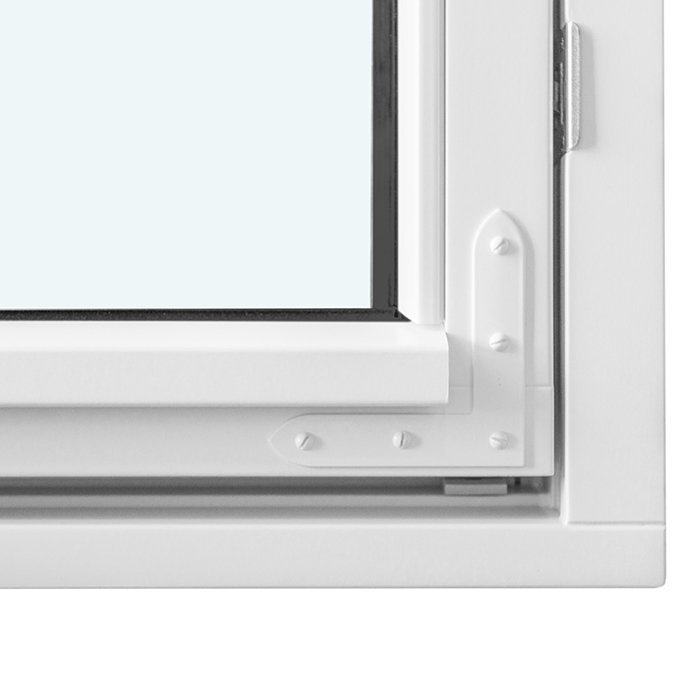
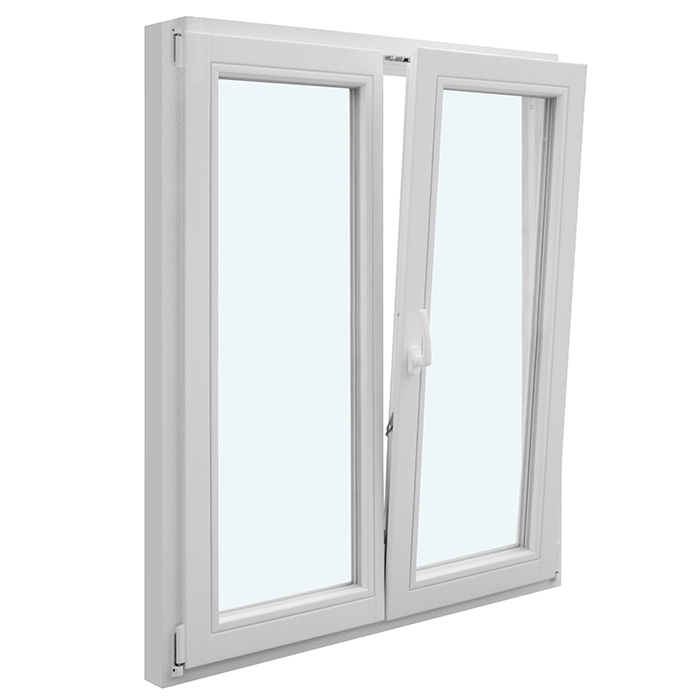
During renewal, measurements and junction design deserve as much scrutiny as the window's visible appearance. Discuss reveal depth, sills, existing shutters or shading, interior linings and where the insulation layer lies. A double-sash inward-opening window is defined by its two sashes and opening direction, neither of which establishes whether a proposed wall connection will work. Match every opening to a recorded size, handing, glazing choice and installation plan. Where symptoms occur only near the frame, investigate them before ordering. A replacement unit might hide an unresolved junction defect rather than correct it.
Assess roof glazing and broad openings separately
Unlike a vertical façade window, a roof window occupies a sloping plane. Humid, warm air moves upwards, so the highest part of a room may have its own airflow and temperature pattern. Moisture can consequently appear quickly on roof glazing after someone showers in an upstairs bathroom or cooks in an open-plan living area. Blackout coverings, indoor privacy blinds and limited movement of air near the pane also affect the result. A pivot roof window needs assessment for operation and daylight as well as cleaning reach, intended ventilation and the humidity produced in the room.
A wide patio opening combines a large glass area with a prominent design feature. Curtains, furnishings and heat sources can strongly shape airflow beside it. A Patio Life lift-and-slide door requires different planning from a conventionally hinged window. Decide how regularly it will operate, whether it forms part of the routine ventilation strategy, where furniture will stand and how the threshold integrates with the floor. A single observation of dew is not a sound basis for accepting or rejecting extensive glazing. Instead, coordinate shading, glazing, opening method, room heating and junction design. During alterations, survey neighbouring windows and doors together rather than dividing connected elements into unrelated orders.
Look beyond the Uw value
A performance figure is useful for comparison, but cannot describe the entire risk of condensation. Practical outcomes also depend on temperatures across the glass, frame and glazing edge, along with unit dimensions, the balance of frame and glass, and the installation detail. Orientation and shade further influence the temperature profile. Ask each supplier to identify whether a quoted figure represents the complete window, only the glazing or a specified sample size. Without a common and clearly stated basis, the configurations cannot be compared reliably.
A Super Low Uw outward-opening passive-house window includes the intended opening direction in its name, but the title alone supports no additional performance conclusion. Request figures for the actual size and configuration being quoted, together with details of its proposed connection to the building. Improved insulation may alter room-side glass temperatures, yet it cannot replace sound moisture control or careful fitting. Likewise, selecting a seemingly superior figure will not necessarily remedy dampness if room use or the reveal remains unexamined. A suitable specification brings all these factors together instead of relying on one number.
Turn existing conditions into a replacement specification
Build a schedule of the openings before browsing individual product pictures. For each one, record its room, dimensions, opening action, handing, movable and fixed panels, visible glazing bars, indoor and outdoor faces, and the exact areas affected by moisture. Include both overview and close-up photographs. In an older home, note any façade proportions, divisions or visual details that should remain. A heritage-style outward-opening “Kombi” casement window combines a particular appearance with a particular function, so assess it against the measured opening and installation conditions. Its heritage styling does not by itself resolve ventilation, indoor-humidity or junction questions.
Ask for a quotation that separates included work from items requiring further agreement. It should cover the product configuration, measurement basis, glazing, opening direction, accessories, removal, fitting, junction work and any finishing needed around reveals or sills. Coordinate the order of trades too: arranging plastering, flooring, sills and windows independently may create avoidable rework. Bloomcabin states a delivery time of four to six weeks, subject to order confirmation. Release the order only after measurements, specifications and trade interfaces are settled. A careful approval based on the diagnosed conditions is preferable to ordering quickly from incomplete evidence.
Questions to prepare before a consultation
Translate what you observed into a clear brief. Identify the wet face, room and time of occurrence, then note whether water also reaches the seals, frame or reveal. Describe heating, ventilation and normal activities in the space. Record recent changes involving insulation, windows, furniture or the room layout. Photographs taken under comparable weather conditions and a note about seasonal or continuous recurrence add useful context. A qualified contractor can then judge whether room use and airflow deserve attention first or whether a component needs detailed investigation. Where appearance alone leaves the location uncertain, inspection or measurement may be needed.
Before ordering, establish the exact site dimensions and opening direction. Check that moving sashes will clear furniture, curtains and neighbouring doors; decide which panels should move or remain fixed; and document cleaning, shading, sill and junction arrangements. For a small utility space, a top-hung outward-opening casement window could be suitable, provided its reach and the room's intended ventilation pattern are compatible. Put every decision into the written quotation. The result should be a verifiable configuration whose responsibilities, limitations and connections are understood by the supplier, installer and customer.
Common questions
Does condensation indoors necessarily mean the window is faulty?
No. A short-lived rise in indoor humidity combined with a cool surface may be enough to create it. Persistent drops, staining or dampness around frames and reveals deserve further investigation. Assess room air, heating, circulation, window construction and the wall connection together instead of concentrating only on the glass.
Why might a new window develop condensation outdoors?
The exterior pane may cool sufficiently for water from humid air to collect on it. This often appears as early-morning dew and can clear as conditions warm. Its presence alone does not demonstrate a fault. Verify that the film lies on the exposed outer face rather than inside the glazing cavity.
Is moisture trapped between panes something I can remove myself?
No. When moisture is genuinely inside the sealed cavity, wiping the two accessible glass faces cannot reach it. Photograph the condition and retain the paperwork for that unit. Professional examination can establish which component is affected and whether attention should focus on that element or form part of a broader project.
Will turning up the heating stop condensation indoors?
Maintaining an appropriate temperature may warm the surfaces, but extra heat alone cannot correct continuing high humidity or a poorly performing junction. Consider moisture generation, ventilation, heat distribution and construction together. Where the frame or reveal shows unusual dampness, investigate the reason rather than masking it with stronger heating.
Does condensation mean every window needs immediate replacement?
Not automatically. Locate the moisture and establish its likely cause first. Haze inside one glazed unit calls for a different response from indoor water appearing across several windows. Where other renovation work is planned, assess the windows, wall connections and intended room conditions as one coordinated project.
Next step
Condensation becomes useful evidence only after its position has been confirmed. Moisture indoors draws attention to humidity and room-side surfaces; an exterior film relates to outdoor cooling and weather; haze between panes concerns the particular glazed unit. Buyers should therefore avoid making a decision from one photograph. Observe the pattern, keep records and consider window design, installation junctions, room use and ventilation together. Reliable dimensions, clear images and specific questions allow a replacement project to be defined with greater confidence. Suitable professionals should assess the existing building before a particular product and installation solution is finalised.
