
How to check window and door warranties
Buying guide for windows and doors
Opening method, appearance and glazing often lead the comparison when windows or doors are being chosen for a new build or replacement. Later protection, however, depends on the entire order: the agreed specification, responsibility for measuring and installation, included connection details, and the documents governing a complaint. A warranty is not a broad assurance covering the whole building project. It is a voluntary written commitment with its own duration, requirements and boundaries. Rights under Australian Consumer Law may also apply, depending on the transaction. Separating those rights from the warranty and documenting the interfaces between the product, installation and other trades makes quotations clearer and problems easier to manage.
01 / Compare documents
Distinguish warranties, statutory rights and goodwill
Warranty and legal rights are often treated as the same thing, although they serve different purposes. A warranty is an additional voluntary statement by its provider. Its wording sets out the qualities or parts covered, the conditions for making a claim and the remedy offered. Legal rights instead arise under the relevant contract and applicable law. Whether the arrangement is a product purchase, supply with installation or a broader building contract changes the position. In Australia, consumer guarantees under Australian Consumer Law cannot be excluded by a manufacturer’s warranty. A statement such as “with warranty” is therefore not enough: request the full terms before placing the order and read them with the quotation and order confirmation.
Goodwill occupies a separate category. It can produce a workable outcome, but it is not binding cover promised beforehand. Avoid assuming that every later adjustment or change in appearance will be completed without charge. Organise a straightforward project file into product warranty, contract and installation sections, then identify the contact responsible for each component. With an entry door, the supplier might answer for the agreed door set while the installer remains responsible for different work. Although this division can appear formal, it reduces the risk of a complaint becoming stranded between several businesses.
Compare what is covered, not just the term
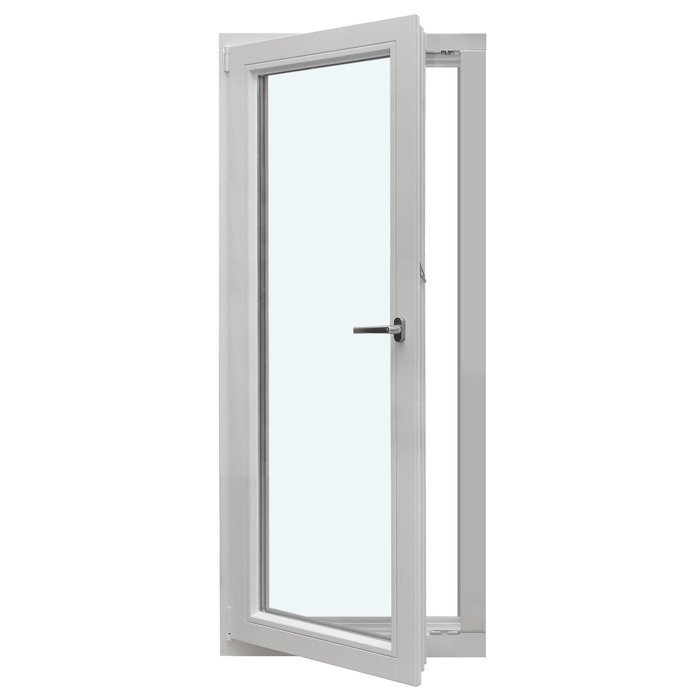
Two five-year window and door warranties are meaningfully comparable only when each defines its subject with equal precision. Bloomcabin provides a five-year warranty for windows and doors. Establish whether its terms concern the whole unit or selected components, and look for separate treatment of the hardware, seals, glass, finish, frame, threshold and accessories. Determine whether cover concerns material or functional variation, or one expressly identified characteristic. For example, the label single window opening inwards identifies the configuration only. Every other feature intended to form part of the agreement needs to be recorded in the ordering documents.
Give the proposed remedy the same scrutiny as the stated cover. Conditions might specify a repair, replacement of an affected component or some other response without promising an entirely new unit or work on neighbouring building elements. Find out who conducts the investigation, whether an on-site visit is contemplated, and how removal, refitting, access and ancillary work are handled. For a practical comparison, record whether you received the warranty document, which parts it includes and what response it offers. This reveals whether commitments with matching durations deliver comparable practical protection.
02 / Define the order
Treat the order as the definitive product record
Many later complaints can be traced to an order that lacked precision. Its confirmation should allocate the opening direction, sash count, measurements, frame appearance, colour or finish, glazing, divisions, handles, hardware and special accessories to the correct unit. For decorative details, differentiate applied bars from bars that divide the glass. If appearance was discussed, specifying “without bars” also matters. File drawings, approvals and amendments together, each with its version date. Ask for verbal commitments to be confirmed promptly by email rather than relying on later recollection.
Unusual shapes need extra care. With a fixed-glazed triangular and angled window ordering and installation may depend heavily on its position, the side from which it is viewed and the reference edges used. Note which drawing supplies each measurement and whether the contractor undertook the site measure. Before approving production, consider the reveals, sills, shading, internal lining and furniture as well. You are not expected to engineer every detail personally. The purpose is to give the appointed specialist an auditable basis, allowing any mismatch between the intended look, the order and the delivered unit to be identified accurately.
Assign installation and building interfaces separately
Even a correctly manufactured unit may perform badly when site measurements, fixings, seals, the threshold or adjoining trade work are incompatible. Equally, leakage at an interface does not by itself prove that the window or door is defective. Before appointment, obtain written answers on who measures and fits, the extent of connection work, and who supplies and installs sills, waterproofing, exterior junctions or trims. If existing construction will be opened, nominate who evaluates concealed damage and authorises extra work. Resolve these coordination points during planning instead of waiting until a defect is reported.
For a single inward-opening patio door consider its swing together with the floor build-up on both sides, drainage and the patio transition. Its name establishes the opening direction but says nothing further about each construction interface. Have the responsible contractor describe those boundaries in plain language. Record the approved design status of the threshold, floor level and adjacent finishes. If another trade later alters the build-up, document whether movement clearance, access or junction details have changed. Larger projects involving several trades may benefit from independent professional planning. A suitably qualified designer or contractor should decide technical and project-specific requirements. Warranty wording is no substitute for an accurate site measure or coordinated interface design.
03 / Allocate installation
Examine exclusions instead of skipping them
An exclusion is not inherently suspicious; it defines where the commitment stops. Common boundaries concern ordinary wear, misuse, insufficient care, unapproved modifications, damage from outside forces or problems caused by faulty building interfaces. The particular terms remain decisive. Ask what the document means by expressions such as “intended use”, “maintenance” and “external influence”, and resolve uncertainty before ordering. A visible blemish should not automatically be treated as covered, but neither should a general rejection be accepted without an intelligible explanation.
Alterations made after handover deserve particular attention. Extra hardware, films, privacy products, drilling or third-party work may complicate an investigation into cause. A customer selecting a Patio Life lift-and-slide door needs to order the intended opening system and check any proposed addition against both the manufacturer’s instructions and the installation requirements before proceeding. Avoid harsh cleaning agents and inappropriate tools for adjustment for the same reason. Keep the operating and care material, then provide it to occupants, tenants or future owners. Following that process cannot ensure a claim succeeds, but it removes several avoidable sources of disagreement.
Record commencement and critical dates
Duration is only part of the timing question; the terms must also identify the triggering event. It could be delivery, invoicing, installation, handover or acceptance. Check whether repaired or replacement components follow another rule. Keep the relevant contract wording and documentary evidence together. Alongside the date, retain the delivery docket, installation report, handover record or invoice that supports it. Staged projects may create different dates for individual units. A consolidated schedule helps ensure that a door fitted later is not mistakenly assigned the delivery date of an earlier window.
Once work finishes, create a compact register of the installed units. Record the room or façade, element number, product, relevant date, file location and contact. It is particularly helpful where units look alike. A fixed-glazed window requires a different complaint description from an operable sash, while its element number identifies it without ambiguity. Show whether delivery, fitting and handover happened together or on separate dates, and record where subsequent repair reports or parts receipts are stored. The register links events with their correct items without requiring you to interpret a legal deadline. In the first weeks, note only what you observe: location, date, weather when a draught is noticed, or the operating steps involved. An orderly chronology assists investigation without presenting an untested technical explanation as fact.
04 / Document handover
Build the records before trouble occurs
Do not wait for damage before assembling a useful complaint file. Keep quotations, orders and confirmations with data sheets, drawings, approvals, variations, delivery evidence, installation and handover reports, invoices, warranty conditions, and operating and care manuals. Give digital files descriptive names based on details such as room and date. Properly filed photographs taken just after installation can show the initial condition, although they are not a substitute for expert inspection. Record who supplied important advice, approved a task or authorised a stage, with the relevant date. Critical agreements should not survive only as isolated chat messages.
Doors may also have records relating to handles, sidelights and agreed accessories. If a one-piece glazed door sidelight is ordered with an entry door, group the two under the same entrance assembly while keeping their separate order positions visible. That arrangement prevents an issue with one item from being attributed to the other. At handover, verify that file names, element numbers and drawing revisions correspond. A brief index is more practical during a complaint than a disordered bundle of attachments. For an apartment or rental, decide who retains the originals and who is given the operating and care information. Orderly records cannot improve materials or workmanship after the event, but they can speed up factual review and make communication considerably clearer.
Report observable facts first
When an unusual condition appears, notify the contractual contact promptly in writing. Describe the evidence before proposing a cause: name the unit and location, say when the behaviour began, identify the circumstances, and explain how it can be reproduced. Include photographs or a short video where useful, plus the element number and relevant order records. You might write: “The study window sash has not closed completely since 12 March; the photographs and order confirmation are attached.” Give each concern its own numbered point. State whether operation is simply difficult, moisture can be seen or the unit is temporarily out of use. This allows the recipient to assess urgency and request the right information without relying on an unsupported diagnosis. It is far more useful than writing only “window defective”.
Ask for a reply within a reasonable period, and retain both transmission evidence and responses. Leave the component unchanged unless urgent damage control is necessary or the contact authorises work. Repeated adjustments, dismantling or the use of unsuitable sealants can erase useful evidence about the original condition. With a pivot roof window describe its position, the operating steps and the exact visible location of the concern rather than attempting a remote diagnosis. After an inspection, request written confirmation of the observations, assigned responsibilities and proposed next actions. A clear record helps keep the discussion directed towards a solution.
05 / Manage the complaint
Coordinate inspection, rectification and records
An inspection begins by establishing a cause; it does not itself concede responsibility. Make the area accessible, have the paperwork ready and, where possible, present the reported condition without alteration. Give a concise account of what occurs, then allow the contractor to undertake the technical evaluation. If particular weather or operating conditions reveal the issue, state them without speculation. Before the visit ends, establish the suspected cause, any tests still required, the proposed response, who will perform it and when an update is due. Document both commitments and unresolved investigations so that arranging an appointment cannot later be mistaken for completing the remedy.
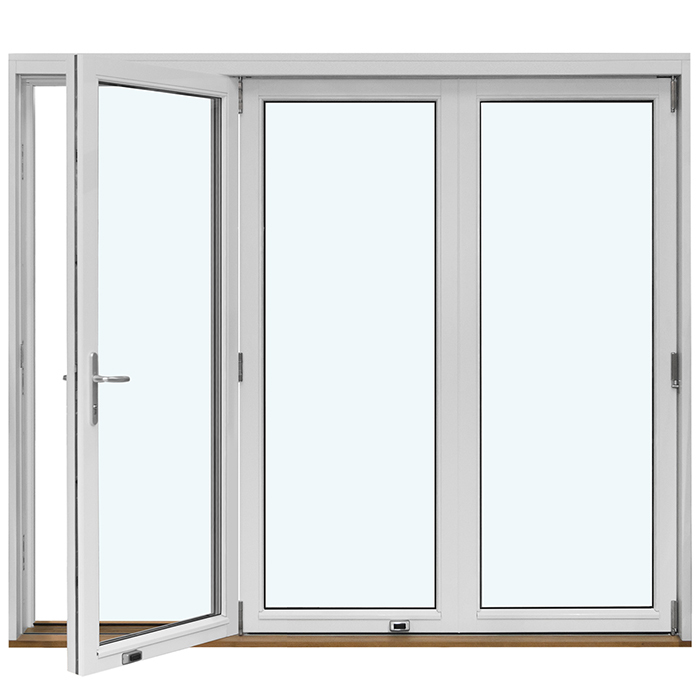
Promptly review the outcome together after an adjustment, repair or replacement, and add it to the project record. Identify the unit, describe the work and note whether a period of further observation is required. With sophisticated opening systems such as outward-opening folding doors ask for the operating method to be demonstrated again after the work rather than checking only that the leaves move once. Rectification may resolve one problem while leaving questions about finishes, junctions or neighbouring components; list those matters separately. Sign only for what you have actually examined, and ensure anything not resolved remains expressly marked as open.
Use a checklist to compare warranty offers
Prepare a written comparison before committing. Identify the contract party and warranty provider, then list the exact windows and doors concerned. For each offer, record included components and characteristics, excluded situations, the event that starts the term, maintenance duties, evidence required and the available remedy. Also allocate site measurement, installation and interface work, and identify the first recipient for any complaint. Ask the seller to point each answer to the relevant document rather than leaving it as an oral sales assurance. The result compares usable protection, not simply prominent warranty language.
Include delivery in the wider project sequence. Bloomcabin has a delivery period of 4–6 weeks, subject to order confirmation. Align production approval, site readiness, the fitting period and subsequent trades before promising fixed dates elsewhere. For an outward-opening panelled entry door, agree in advance how access, protection during building work and the interior fit-out will be coordinated. Its product description verifies the stated configuration only; it does not add other characteristics. Accurate paperwork, a workable sequence and clearly named contacts create a sound basis for efficient assessment should an issue later appear.
Frequently asked questions
Does a five-year warranty necessarily include every window or door component?
No. The stated term does not define the covered parts or circumstances. Read the conditions for their precise reach, any component-specific provisions, exclusions and the remedy offered. Check those details against both the order and its confirmation.
Who should receive my complaint: the maker, seller or installer?
Write first to the contractual contact identified in the order or installation agreement so that the assessment can be coordinated. A separate provider may be named in the warranty, while supply, fitting and building interfaces can remain different responsibilities. Include the pertinent records with your written report.
What photographs are useful when reporting a problem?
Use wider views to identify the unit, followed by detailed images of the concern. Where relevant, photograph its number, the room or façade and the operating position. Label every image with a description and date. Photographs preserve visible conditions for inspection but cannot determine the technical cause.
Should I adjust a sash that feels stiff?
Consult the operating and care material first, then notify the issue in writing. Unapproved intervention may obscure its cause. If a qualified contractor performs an adjustment or tells you how to proceed, obtain a record of the action and outcome. Immediate safety measures take precedence if danger or consequential damage is imminent.
Which details belong in a handover report?
Record the date, project address, identifiable units, visible observations, unresolved matters, agreed follow-up tasks and relevant contacts. Attach available operating and care documents. Do not use a general statement that everything is finally defect-free when particular items have not yet been tested or completed.
Next step
Warranty review belongs within both product selection and construction planning. Look beyond duration to the included parts, exclusions, commencement event, required evidence and available remedy. Make responsibility clear for the product commitment, purchase agreement, installation and building interfaces. Comprehensive order records, unambiguous element numbers and a factual problem report can prevent confusion. If the cause cannot yet be established, ask the responsible contractor or an appropriately qualified independent professional to assess it. The warranty then becomes a defined and testable part of the project rather than a vague label.
