
Wood-fired or electric hot tub: which suits your routine?
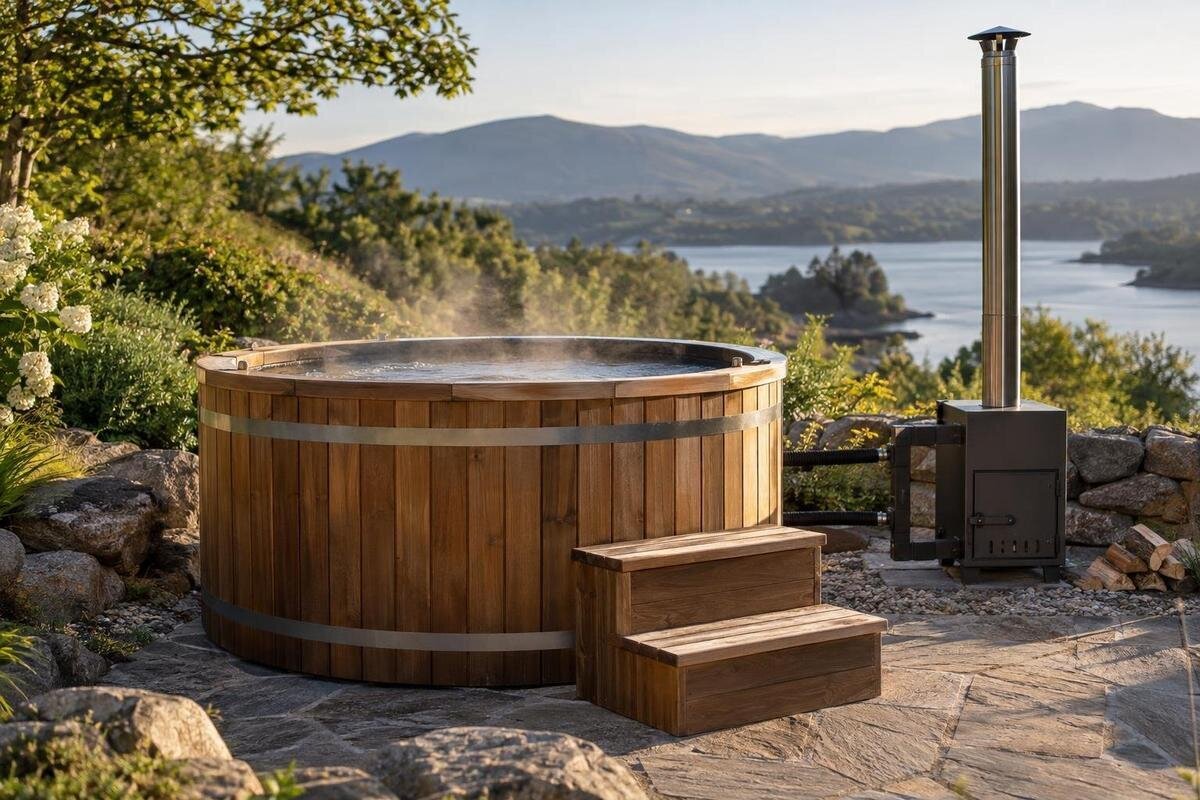
Outdoor hot tub guide
Wood-fired and electric hot tubs call for different kinds of preparation, but neither is automatically the better fit. Your usual session time, how often you use the tub, whether you want to tend a fire, and how practical fuel or power is at home all affect the routine. Compare those recurring demands with the instructions for the exact model and configuration; a heating label alone cannot tell you how much planning or attention a particular tub needs.
01
How often and when will you use the hot tub?
A useful comparison begins with a calendar, not a heater label. Mark the periods when you would realistically use the tub: a regular weekday evening, a weekend afternoon or a few planned occasions. Frequent use can make a repeatable routine more valuable, while occasional use makes the gap between sessions and the work of getting ready more noticeable. Neither pattern automatically favours wood or electricity; each exact model has its own preparation requirements. Include the time you are willing to spend preparing, not only the time you hope to spend soaking.
Consider how fixed those session times are. A Saturday afternoon booked ahead presents a different planning problem from an evening soak that depends on when everyone gets home. Note how much free time you usually have before each session, including days when plans change. Work, daylight and weather can shape outdoor plans, so test your expectations against an ordinary week and an inconvenient one. Also distinguish a regular session from an occasional extra: your preferred heating routine should accommodate the use you expect most often, rather than being chosen around a rare gathering. If your plans vary through the year, record both patterns. That gives you a realistic schedule to compare with each model’s preparation requirements, without assuming that one heating category will suit every part of your calendar.
How much notice can you give each session?
The practical question is how preparation fits into your day, rather than which heating category wins a generalised heat-up comparison. A wood-fired routine involves starting and tending a fire as directed; an electric routine avoids those fire steps but still has a model-specific preparation process. Ask the manufacturer how the exact tub is prepared, whether you need to stay nearby and what to do if a session is delayed. Distinguish time when you must actively do something from time when preparation is under way: both affect your plans, but in different ways. If your evening window is short, preparation may crowd out the soak; if you plan ahead, the same tasks may be easy to accommodate. Consider a late finish at work or a cancelled session as well as a plan that runs smoothly. Do not build your routine around an assumed heating time.
For the Cove 2 hot tub, ask which heating configurations are offered and request preparation guidance for the version you are considering. Set that guidance against a real slot in your diary, such as after work or at the weekend. Work backwards from when you would like to use the tub and identify when preparation would need to begin. Then ask whether you would actually be available at that point. This is not a heating-time calculation; it is a way to spot a routine that relies on you being home earlier than usual or interrupting another regular commitment.
02
How hands-on do you want heating to be?
A wood-fired tub asks you to be involved in the heating process: making fuel available, starting the fire and tending it in line with the instructions. For some owners, that outdoor ritual is a benefit. It gives the session a deliberate beginning and suits someone who enjoys a task alongside the soak. For others, monitoring the heating competes with the reason they wanted the tub. Be candid about whether you would welcome the work on a busy or tiring day, not only on a relaxed weekend. If the person keen to tend the fire is not always home, consider how that affects shared use.
Electric heating removes the need to manage a wood fire and source firewood, but it should not be treated as synonymous with hands-free use. The selected model may still have specific start-up, supervision, cleaning or control instructions; do not assume an automatic timer, remote control or particular way of holding temperature. When considering Haven 6 hot tub, first confirm the offered heating configuration, then compare its operating tasks with the level of involvement you want. A useful distinction is whether you enjoy preparing the tub as part of the occasion or simply want preparation to take as little of your attention as possible.
Is fuel or power practical at home?
Wood-fired heating depends on a workable fuel routine. Check what kind of fuel the manufacturer specifies, whether you can obtain it reliably and where it can be kept in line with the product guidance. Think through the carrying route and whether restocking would be convenient at the times you normally use the tub. A supply nearby may still be inconvenient if collecting it requires a separate trip whenever you want a soak. Decide who would keep track of supplies and whether that task fits an existing household errand or becomes another job to remember. When considering Fjord 8 hot tub, confirm its heating configuration before assessing fuel arrangements. The useful question is not simply whether fuel is available, but whether obtaining, storing and handling the specified fuel would be manageable week after week.
Electric heating changes the supply question rather than making it disappear. Ask for the exact configuration’s power requirements and have a qualified electrician assess whether the proposed location and supply are suitable before you commit. A general product description, another model’s needs or a nearby power point cannot confirm that. Consider whether the arrangement is realistic for your household and whether the person assessing it has the manufacturer’s information. This is a professional suitability check, not a guide to carrying out electrical work yourself.
03
What jobs recur before and after a soak?
List the small jobs that happen at each session, not just the heating step. With a wood-fired system, the routine may include getting fuel ready, lighting and tending the fire, then dealing with any residue or equipment cleaning required by that particular design. Read the manufacturer’s instructions before assuming what can wait until later. If those tasks fall to the same person every time, decide whether they are welcome or likely to be skipped when life gets busy. A reliable routine is one you can repeat, not one that depends on an unusually free afternoon.
Both heating categories still involve water care, cleaning and the checks set out for the exact unit. A different heater does not remove those responsibilities, and a generic list may not match a particular configuration. If Aurora 10 hot tub is on your shortlist, use its owner guidance to separate jobs associated with each session from work required at other intervals. Clarify which are routine owner tasks and which, if any, call for professional servicing. Include the work that happens after everyone has finished using the tub: a convenient start does not necessarily mean the whole session fits your schedule. Note whether you would usually have time afterwards or would need to plan another suitable time, where the instructions allow it. Keeping session-related and periodic jobs separate makes the workload easier to judge without treating every task as something you must do before every soak.
How will smoke, noise and fuel storage fit the setting?
A wood fire also changes the feel of the outdoor setting. Consider where smoke could travel in your yard, whether it might enter open windows or reach your usual seating area, and whether nearby households could be affected. Make room for fuel storage without turning the route to the tub into a regular nuisance, and follow the manufacturer’s storage advice. These are practical questions about your space, not reasons to assume every property is unsuitable. If you are uncertain about a local restriction, check with the relevant local authority rather than relying on generic advice.
Electric heating avoids burning wood at the tub, but do not assume that the whole setup will be silent. Depending on the particular equipment, other parts of the tub may make operating noise, so ask the manufacturer what to expect and when equipment runs. Think about the times you would use it and the position of bedrooms, neighbours’ outdoor areas and quieter parts of the yard. This is separate from access to power: a workable supply does not tell you whether everyday operation will suit the setting.
04
What happens between sessions?
Usage gaps deserve their own check. A tub used every week may fit one care pattern, while an owner who pauses for a longer stretch needs clear instructions for the heater, water and equipment during that time and before returning to use. The right procedure depends on the exact model and conditions, so do not guess that wood-fired units can be left one way or electric units another. Ask how to handle both short breaks and longer periods of non-use, and factor the answer into the routine you can maintain.
When checking the Cove 2 product page, look for between-session guidance that matches the heating configuration you are considering. Separate three questions: what must be done when regular use stops, which care tasks continue during the break, and what is required before you use the tub again. This distinction is useful if holidays, work travel or seasonal changes interrupt your usual pattern. A break from soaking is not necessarily a break from every care responsibility. If someone else would look after the tub while you are away, identify the tasks they would need to take on from the model’s instructions. Compare that arrangement with your actual absences, rather than assessing ownership only during weeks when you are home and using the tub regularly.
How will you share the heating tasks?
People in the same household may want different levels of involvement. One person might enjoy fire-tending, while another prefers to avoid handling wood and concentrate on the soak. Neither preference settles the choice unless the practical division of work suits both. Discuss who would prepare the tub, who would manage supplies and who would complete the care required afterwards. Also consider whether someone would want to use it alone when the usual person responsible for preparation is unavailable. If so, their willingness to handle the required tasks matters too. A routine that depends entirely on one enthusiastic person may work well, but it should be a deliberate arrangement rather than an assumption that only becomes clear after purchase.
For the Haven 6 model, use the instructions for the exact heating version to discuss that division of work. Rather than agreeing vaguely to share responsibility, identify which tasks each person is willing and able to do in accordance with the guidance. Include less appealing jobs as well as starting the session, and distinguish an agreed responsibility from occasional help. If the tub is mainly for one person, assess the complete routine on that basis rather than counting on others to fill gaps. This discussion can reveal whether your preference is genuinely for a heating method or for having someone else manage it. Choose an arrangement the household accepts, with no essential task left to an assumed volunteer.
05
What should you verify about a model’s heating option?
Check the exact heating option before comparing model pages. Confirm the model identity, the heating type of the offered configuration, whether other configurations are available and that the information refers to the version you would actually choose. With the Fjord 8 listing, for example, do not infer the heater from the product title or photograph; ask for current manufacturer or seller documentation. A product identity can help you find a listing, but it does not tell you the equipment or routine included in a particular configuration.
Then look for the details that answer your lifestyle questions: required fuel or power, how the heater is operated, what attention is expected while it runs and the care instructions between sessions. Ask for the matching owner guide if the listing is unclear, and confirm that any answer relates to the same configuration. You do not need a detailed comparison of heating times to judge the routine; you do need to know what tasks the manufacturer expects and when. If operating controls are mentioned, confirm which ones are included rather than assuming from the model name.
What does an ordinary week look like with each option?
Finally, compare both options against an ordinary week. Note your likely session days, how much notice you can give, who will prepare the tub, whether fuel or power is practical and how much ongoing attention you are willing to provide. Separate hard constraints, such as having no realistic fuel-storage option, from preferences, such as enjoying a hands-on ritual. A simple pass, uncertain or fail beside each item is more useful than a vague impression. If the routine only works on your easiest day, it may not be the right everyday fit.
Apply that test to the exact version shown on the Aurora 10 product page. Compare its operating and care requirements with the time, supplies and attention available at home. Keep essential conditions separate from preferences: an option that cannot meet a practical requirement should not win simply because you like the idea of it. If both methods remain workable, give more weight to the tasks you will repeat most often and how you feel about doing them. If neither fits, revisit your expected pattern of use rather than assuming you will become more available or more enthusiastic after buying. Any unanswered configuration question can remain marked as uncertain until clarified. The aim is a realistic choice between routines you can sustain, not a declaration that one heating method is universally better.
Frequently asked questions
Is electric heating automatically the easier option?
It removes firewood handling and fire-tending, but does not guarantee instant use, automatic controls or no maintenance. Check the selected configuration’s preparation, operating and care instructions, and have a qualified professional confirm that its power requirements suit your home.
Does a wood-fired hot tub only suit occasional use?
No. It can suit frequent use if you enjoy tending the fire, have a practical fuel routine and can keep up with the model’s care instructions. Frequency alone does not determine which option will fit.
Can I tell which heating method will be ready sooner?
Not from the heating category or model name. Ask for the manufacturer’s guidance for the exact configuration and its operating conditions; do not base your schedule on a generalised time comparison.
What if fuel storage or power access is difficult?
Treat the constraint as a genuine filter. Confirm the exact fuel requirements or power specifications for each available version, then assess what is practical at home. A qualified electrician can check an electric setup.
Do both types still need ongoing care?
Yes. Heating method does not remove the need for water care, cleaning and the checks set out for the particular tub. Use the manufacturer’s instructions for the model and configuration you are considering.
Think of the heating choice as a commitment to a repeated routine. Wood-fired may suit someone who actively wants the fire-related preparation and has a practical fuel arrangement; electric may suit someone who would rather avoid those tasks and can confirm a suitable power setup. Those are starting points, not guarantees about how a particular model operates. Once your timetable, preferred level of involvement, supplies and between-session care are clear, compare the documented configuration of any shortlisted tub. The better fit is the method whose ordinary responsibilities you are willing and able to repeat.
