
2025 Greenhouse Living: Well-Being Under Aluminum and Glass
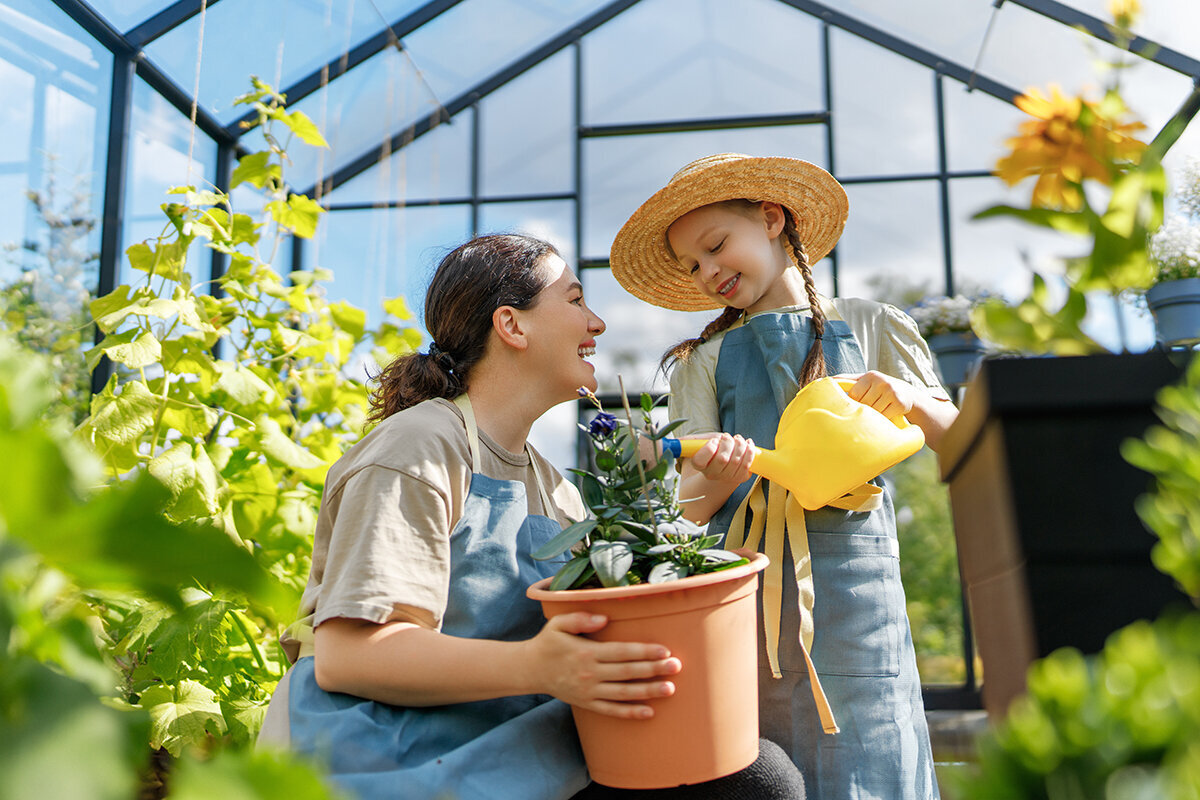
Think of a greenhouse as a room for growing rather than simply another structure in the garden. In 2025, an aluminum-and-glass model offers a practical place to combine food gardening, quiet time and a closer relationship with the seasons. It can accommodate reliable tomatoes, less familiar plants and ingredients picked at home, while encouraging habits that reduce waste and bring you into contact with nature more often.
Consider what makes a greenhouse timely in 2025, along with the ways aluminum and glass can change your day-to-day approach to gardening.
What makes 2025 a fitting year for a greenhouse?
Make gardening part of your wellness routine
Gardening adds purposeful movement, a regular routine and contact with living plants to the week. Studies have linked time in nature and gardening with reduced stress, better mood and greater physical activity. An aluminum-and-glass greenhouse shelters crops from some weather changes, making it easier to spend time tending plants regularly. In colder Canadian regions, year-round production may still require suitable heating, lighting and ventilation.
Bring more of the harvest home
Raising some of your own fruit and vegetables may reduce reliance on purchased produce and help you use food before it goes to waste, both useful steps toward a lighter environmental footprint. A ripe tomato gathered from the greenhouse is especially satisfying, and gardeners who choose pesticide-free methods can control that part of the growing process themselves.
Newer designs offer more control
Depending on the model, current aluminum-and-glass greenhouses may combine better insulation, purposeful ventilation and base systems intended to simplify setup. These elements give gardeners more ways to manage the environment for tomatoes, herbs and other crops. In 2025, that flexibility can make protected growing feel less daunting and more enjoyable.
Reasons to choose aluminum and glass
1. Materials selected for durability
An aluminum frame keeps weight manageable while providing strength, corrosion resistance and protection against ordinary weathering. Glass allows abundant daylight to reach the plants and adds an insulating barrier around the growing area. Used together and maintained appropriately, these materials are intended to provide a greenhouse that remains useful for many years.
2. Growing beyond the outdoor season
A greenhouse can extend the productive months well past the usual outdoor season. With environmental controls suited to the local climate, winter tomatoes, delicate spring flowers and herbs across the year may be possible. Conditions vary widely across Canada, so heating, supplemental light, ventilation and site-specific snow or wind planning may be necessary. The sheltered setting can support more predictable crop cycles for new and experienced gardeners alike.
3. Garden appeal and potential property value
An aluminum-and-glass greenhouse provides working growing space while also becoming a visible garden feature. Clean framing and transparent panels suit many contemporary landscapes. A thoughtfully positioned and well-maintained greenhouse may improve a property's appeal and perceived value, although it cannot guarantee a particular increase in resale price.
4. A layout shaped around your project
Greenhouse ranges may provide several sizes, styles and optional fittings. Built-in shelves can organize pots and tools, while upgraded ventilation can help manage heat and moisture. Choosing only the features relevant to your crops creates a workspace that fits your gardening plans.
Preparing for a greenhouse project in 2025
Start with the base
The base affects stability and service life. A concrete slab, treated-timber base or compacted gravel may suit the project if it matches the greenhouse instructions, soil and site. Compare drainage, durability, frost movement and installation demands before deciding. Canada’s National Model Codes do not by themselves identify the rules in force at a particular address, so confirm the applicable code with the province or territory and ask the municipality about any zoning, permit or construction requirements for the property.
Choose an inviting first crop
Let 2025 be an opportunity to grow something unfamiliar. Tomatoes provide noticeable progress and a rewarding harvest under suitable greenhouse conditions. For an approachable start, add basil, parsley or mint; each brings fragrance and greenery to the space as well as fresh flavour to the kitchen.
Plan upward as well as outward
Vertical growing can increase the usefulness of a modest footprint. Arrange shelves and hanging containers at different heights while leaving enough room to tend the plants. A deliberate layout lets the same floor area accommodate more crop varieties without making the greenhouse difficult to work in.
Add automation where it earns its place
Automated irrigation, thermostatic controls and LED growing lights can take some repetition out of greenhouse care. Used appropriately, they help maintain favourable conditions when the gardener cannot check the space continually. Select each system for the crops and local climate rather than assuming every greenhouse needs the same equipment.
The value goes beyond the structure
Buying a greenhouse can change how the garden fits into everyday life. Aluminum-and-glass designs combine a functional growing room with durable materials and an attractive appearance. With equipment appropriate to the climate, the space can carry favourite plants through more of the year, supply additional homegrown food and offer a quiet setting for time among plants.
