
Aluminum Greenhouse Glazing: A Practical Comparison
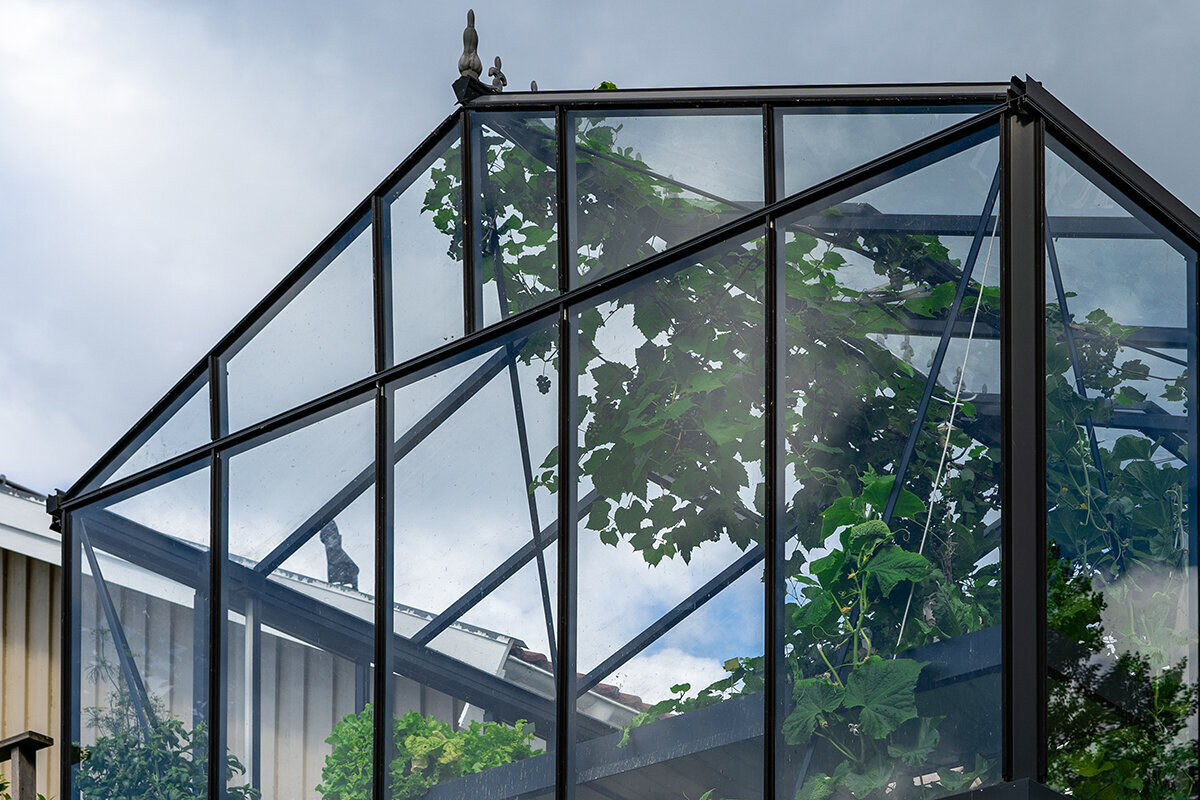
Selecting Glazing for an Aluminum Greenhouse
A glazing decision can change how quickly an aluminum greenhouse warms, cools and holds humidity. It also affects the light crops receive and the cleaning or seasonal management the structure will need. Here, the choices are examined by function: insulated polycarbonate; clear glass made safer through tempering; coated glass that assists with cleaning; and reflective glazing intended to reuse available sunlight. Weigh those traits against your crops, local exposure and preferred level of upkeep.
Polycarbonate for insulation and impact resistance
Polycarbonate combines low weight with durability and is a familiar greenhouse material for growers at any experience level. Manufacturers offer single-wall and multi-wall formats. The cavities inside a multi-wall sheet hold air, slowing heat loss and helping indoor temperatures vary less during cool weather. Gardeners who place a high value on warmth retention may find that construction particularly useful.
It also handles knocks well. Compared with glass, a polycarbonate sheet is less likely to fracture when struck by hail or flying debris. It can admit the daylight needed by crops while filtering damaging UV radiation, although actual light transmission and UV protection depend on the selected panel. That combination can reduce exposure-related plant damage and support healthy growth through the seasons.
Some versions include a UV-protective treatment. Besides shielding the growing space, this treatment can slow sunlight-related degradation of the sheet and lengthen its service life. For a greenhouse where durability and heat retention matter, verify the chosen panel’s UV specification as well as its wall construction.
Tempered safety glass for brightness and safer breakage
Tempered safety glass creates a bright enclosure with an unobstructed view. Its high transparency lets plentiful sunlight reach foliage and supports photosynthesis. Where crops demand strong illumination, that light can encourage more vigorous growth and improved yields. The visual clarity is also attractive when the greenhouse forms a prominent part of the garden.
Tempering gives this glazing greater strength and helps it cope with recurring temperature shifts inside a greenhouse. When failure does occur, the pane breaks into many relatively dull fragments instead of pointed shards. That breakage pattern offers a practical safety advantage in an active garden workspace where accidental impacts can occur.
The trade-off is thermal performance. A clear tempered pane does not conserve warmth as well as multi-wall polycarbonate. Sites with pronounced temperature changes may consequently call for closer management of both heating and air exchange to keep the crop environment suitable.
Self-cleaning glass to reduce upkeep
Self-cleaning glass pairs a tempered pane with a surface treatment intended to simplify care. Sunlight activates a photocatalytic process that breaks down organic grime, while the treated surface helps water, dust and loosened residue clear more readily. This can slow the buildup that would otherwise reduce clarity and require frequent washing.
This feature has particular value at sites exposed to regular rain or substantial airborne dust. The coating can extend the interval between hand cleanings, saving time while allowing more available daylight to reach the plants. It suits gardeners who want a clear growing space without washing the glazing as often.
The name does not mean that maintenance disappears. Stubborn marks or accumulated debris may still require an occasional wipe. Self-cleaning glass can also cost more than standard tempered glazing, so balance the potential time savings against the added expense.
Reflective glazing for redistributing light and warmth
Reflective glazing uses a mirror-like surface to send sunlight farther into the enclosure and help retain warmth. It may be considered for cooler locations or sites where winter daylight is limited. By redirecting the light that is available, the glazing aims to give foliage enough illumination for photosynthesis during dimmer periods.
Redirected sunlight can increase light intensity and spread it more widely around the greenhouse. In a suitably managed structure, that may lengthen the cultivation season, support year-round growing and benefit plants with high light requirements. The combination of redistributed light and retained warmth may also help moderate internal conditions.
Those same reflective qualities require care with delicate crops and plants that prefer shade or indirect light. Greater intensity can raise the risk of scorching or overheating. Match this material to the light tolerance of the crops in your plan instead of assuming that more reflection will suit every plant.
A site-first way to decide
Begin with site exposure rather than material popularity. Compare available sun, seasonal temperature swings, hail risk, plant light tolerance and your willingness to clean the roof and walls. Conditions differ considerably across Canada, and even nearby properties can have different shade and weather exposure. Choose polycarbonate when insulation and impact tolerance lead your priorities; use tempered safety glass where brightness and clear views rank higher; consider a self-cleaning finish to lighten washing; and select reflective glazing when redirected light and retained warmth serve the crop plan.
A material becomes the right choice only in relation to a particular site and growing plan. Rank thermal insulation, natural light, cleaning effort and reflection in the order that matters to you, then confirm that the selected product has the characteristics you expect. This approach gives the greenhouse a better chance of remaining useful and productive over the long term.
