
A Canadian Greenhouse Calendar for Fresh Harvests
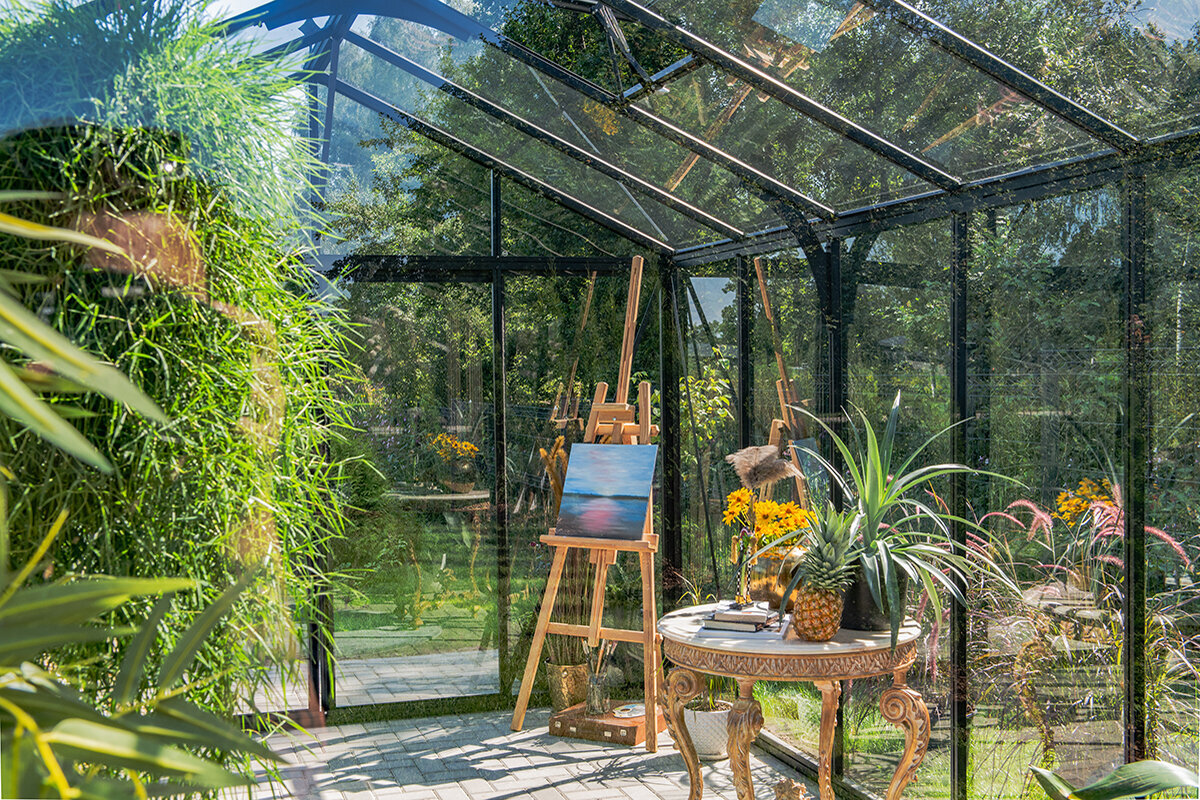
A Canadian Greenhouse Calendar for Home-Grown Food
Canada does not have one uniform outdoor growing season. In many regions, limited winter light and cold weather shorten the harvest, while a well-built aluminium greenhouse provides a sheltered space for stretching the schedule. Pair sensible crop choices with a durable glass greenhouse made by Bloomcabin , and the year's menu can range from spinach in winter to sweet tomatoes in summer.
Use this month-by-month greenhouse planner as a flexible framework rather than a fixed national planting timetable. Along the way, it looks at the practical reasons an aluminium greenhouse can suit Canadian conditions, while outlining Bloomcabin's approach to quality, appearance and everyday function.
What aluminium brings to a greenhouse
Before you decide to buy a greenhouse , compare frame life, weather resistance and upkeep. Timber can decay, untreated steel may rust, and some plastics become brittle; by contrast, an aluminium greenhouse retains its form, resists corrosion and needs relatively little care over many years. Those qualities are valuable in places that experience frost, rain and frequent temperature swings.
Each Bloomcabin glass greenhouse has a strong aluminium frame and 4 mm tempered safety glass. The glazing admits abundant daylight, slows heat loss and gives plants a barrier against wind, rain and snow. Managed ventilation, watering and temperature control then create a useful microclimate for vegetables, herbs and flowers. When comparing options for long-season growing , include Bloomcabin on your shortlist.
Use the seasons as cues, not deadlines
January: Review the setup
Begin with the structure rather than the seed packets. Wash the glazing to improve winter light, and inspect the vents, irrigation and any heating equipment. Where insulation and temperature control are suitable, an aluminium greenhouse can host early trays of onions, leeks, cabbage or kale. Gentle bottom heat from a heat mat may assist germination, but follow the crop and equipment directions.
February: Add cool-tolerant greens
As daylight increases, try spinach, mâche (corn salad), arugula and radishes, plus parsley or chives. A bright day can raise humidity and temperature quickly, so adjust the vents rather than waiting for condensation. In Bloomcabin customer feedback , optional automatic window openers are noted as a convenient aid for regulating the growing space. Confirm compatibility with the chosen model.
March: Make room for seedlings
This is a useful point to start tomatoes, peppers, cucumbers and eggplants when your local light and heating setup can support them. Inside a ventilated glass greenhouse , give young plants space and inspect leaves for aphids or other pests. Regular air exchange also helps discourage mould.
April: Pot on and begin picking
Early greens and herbs may now be harvestable, while tomatoes and zucchini often need larger containers. On warm, clear days, vent before the interior overheats. The tempered glazing used in Bloomcabin greenhouses spreads incoming light across the growing area and helps limit scorching.
May: Support flowers and fruit set
As blossoms appear, gently hand-pollinate tomatoes, cucumbers and peppers if few insects are visiting. Water for even soil moisture and apply organic fertilizer according to its label and the plant's needs. A Bloomcabin aluminium greenhouse offers shelter that can soften rapid outdoor weather changes for more sensitive varieties.
June: Stay ahead of summer heat
Long days can bring vigorous growth and heavy demand for water. Vent in the morning when conditions call for it, then adjust openings again toward evening rather than following a rigid routine. Tomatoes, cucumbers, basil and chilies may be ready in quantity. Compared with a thin plastic cover, a managed glass-growing structure can moderate temperature shifts; ventilation and shading still matter in hot weather. This is one practical reason for Bloomcabin's glass construction.
July: Pick often and plan the fall crop
Harvest vegetables and herbs as they ripen, then use open spaces for spinach, chard, carrots or beets intended for fall. Rotating plant families can support soil health and make pest management easier. Use only compatible shelving or hanging-pot supports on the aluminium frame, and respect the model's installation guidance.
August: Clear, refresh and resow
Remove finished crops, loosen compacted soil and incorporate compost where appropriate. Fast-growing salads and Asian greens can begin the next cycle, with timing adjusted to your region. The aluminium greenhouse from Bloomcabin requires little routine finishing: it does not need painting to guard against rust, and its frame is designed to keep its shape.
September: Capture the softer light
Late tomatoes and peppers may still be producing while fall salads and herbs establish. Take down seasonal shade material when it is no longer needed so the lower sun reaches the plants. In a properly insulated glass greenhouse from Bloomcabin, insulation slows overnight heat loss; actual temperatures still depend on the weather and any heating used.
October: Shift to cold-season priorities
Finish the summer harvest, tidy spent growth and consider garlic, onions or spinach for the cooler period. Close-fitting glass and frames help conserve warmth, but Canadian frost protection depends on the site, insulation and temperature control. The best greenhouses for an extended season are the ones matched to the property's conditions and the gardener's plans.
November: Manage moisture and overnight cold
Spinach, mâche and Asian greens may continue under cover. Use brief ventilation when sunny conditions cause excess humidity. If more warmth is necessary, choose suitable heating equipment and ask a qualified local contractor about electrical work; water containers can also serve as thermal mass. Customer experiences mentioned in a Bloomcabin review include November vegetable harvests, illustrating what a well-managed glass house can make possible rather than guaranteeing the same result everywhere.
December: Maintain, observe and plan
Growth usually slows, yet cold-tolerant plants may continue providing leaves when their light and temperature needs are met. Clean, service and organize the greenhouse while sketching next year's crop plan. Stepping into a glass greenhouse on a bright, frosty morning can be satisfying; that connection with the winter garden is also a theme in Bloomcabin customer reviews .
Three habits that make greenhouse care easier
Match temperature, airflow and watering to each crop instead of relying on one universal setting. Where a crop calls for 18 to 25 °C, monitor the full growing area, ventilate as needed and prevent waterlogging. Automatic openers, fans and drip irrigation can reduce daily chores. Regularly cleaned glazing also makes better use of winter light. An aluminium greenhouse from Bloomcabin provides a durable base for these routines, while the accessories and controls should be selected for the model and local conditions.
What owners value in Bloomcabin glass and aluminium
Common themes in Bloomcabin customer reviews include long-lasting materials, refined design and dependable performance. Compared with a basic plastic structure, a Bloomcabin glass greenhouse is intended to stay clear, solid and weather-resistant over years of use. Its role can be both practical growing room and architectural garden feature.
Compare the smaller Classic, the roomier Oasis and the conservatory-inspired Orangerie by layout, intended use and site needs—not by model name alone. Canada has no single nationwide permit rule: verify the code adopted in your province or territory and ask the municipality about zoning and approvals. Have a local professional assess foundations plus site-specific snow and wind demands. Browse the collection at Bloomcabin.com/ca to compare the designs with your space and growing plans.
Plan for the full 365-day cycle
Greenhouse gardening is not limited to harvest days. Sowing, tending, cleaning and planning all belong to the yearly rhythm. With a Bloomcabin aluminium greenhouse , activity can continue across all 365 days, although crop growth and harvest timing depend on regional daylight, outdoor temperatures, insulation and heating. The goal may be winter spinach, January herbs or August tomatoes; treat each as a plan to manage, not a guaranteed calendar.
For gardeners ready to buy a greenhouse , Bloomcabin combines an aluminium frame, safety glass and considered design in a practical long-term structure. Check the selected model and property conditions rather than assuming one configuration fits every Canadian site.
See the aluminium and glass greenhouse range at Bloomcabin.com/ca.
