
Canadian Greenhouse Crop Calendar | Planting Through the Year
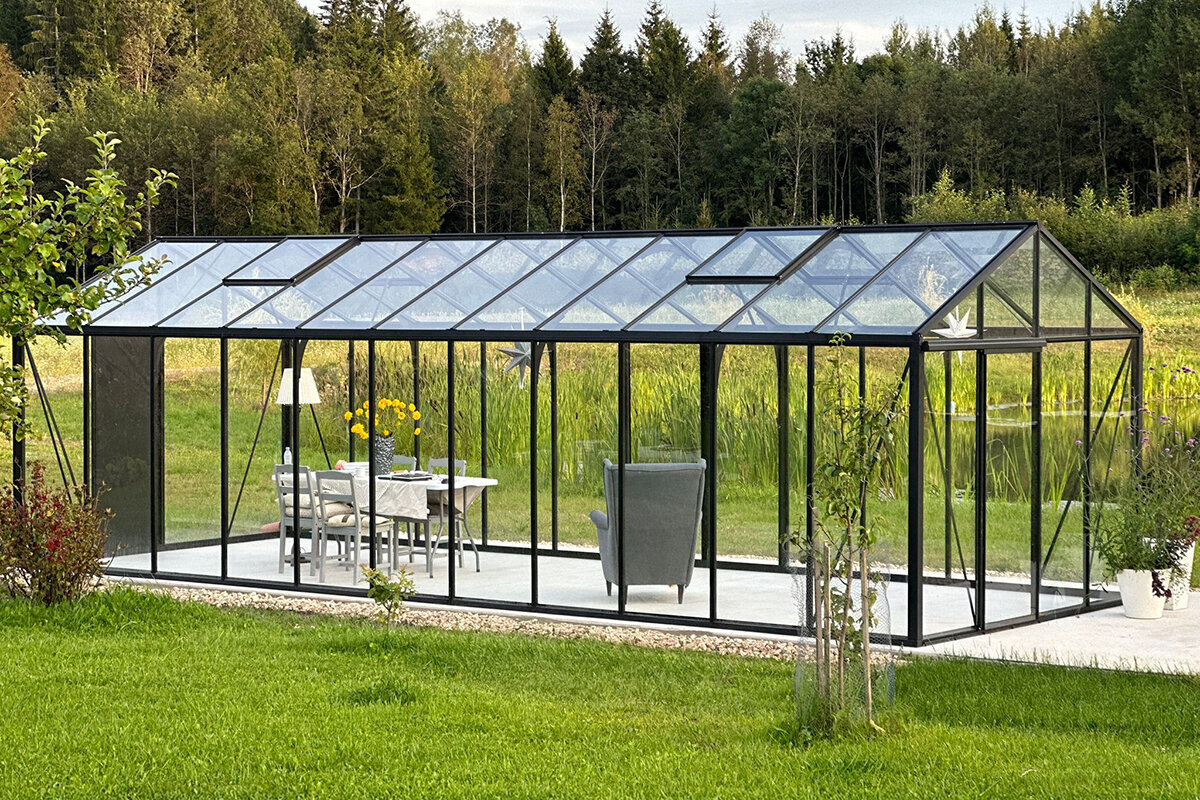
A Canadian crop calendar for a premium aluminum greenhouse
For many gardeners in Canada, the first questions are practical: Which crops belong in a greenhouse —and does investing in a higher-quality structure pay off? Conditions differ sharply by region: late cold snaps, snow, humid heat, dry intervals and scarce winter light can all shape the season. A thoughtfully managed greenhouse with an aluminum frame buffers plants from exposed conditions, gives the grower more control and can lengthen the useful growing season.
Use this seasonal greenhouse planner as a framework, not a single planting schedule for the whole country. It follows crop choices and care through the months while emphasizing local weather, greenhouse temperature and available light. Soil condition, feeding, watering, daylight and airflow all contribute to reliable greenhouse harvests across the year.
It also explains the qualities to look for in a higher-grade greenhouse , the practical questions to ask when selecting a greenhouse suited to a home gardener , and the trade-offs between glass and polycarbonate glazing under varied Canadian conditions. Finally, it shows how a Bloomcabin greenhouse can support a productive garden for many seasons.
Why aluminum frames make sense in varied Canadian weather
From wet coastal periods to rapid temperature swings and low winter sun, Canadian gardens do not share one climate. A well-made aluminum greenhouse is suited to ongoing outdoor use because the frame does not rust or rot and retains its form in damp conditions.
For greenhouse crops in winter , temperature and daylight may both restrict growth; an unheated greenhouse is not automatically frost-free. The glazing choice between glass and polycarbonate therefore deserves attention. Glass has high light transmission, allowing leafy crops to use more of the limited winter daylight when temperatures are also kept suitable.
A Bloomcabin greenhouse Bloomcabin brings stable aluminum profiles, quality glass and useful ventilation together in a design made for repeated garden use.
Reading the calendar for your region
Protected growing works best when the crop follows the conditions rather than the calendar alone. Watch the season outside and the temperature, moisture and light under cover. This seasonal greenhouse calendar offers a monthly planning sequence that you can move earlier or later for your location.
Consistent watering, moisture-reducing ventilation and loose soil with adequate nutrients form the foundation. With those basics managed, the greenhouse can accommodate a wider range of crops than an exposed bed for much of the year.
January: hardy leaves and quick microgreens
In many Canadian regions, January production requires heat or other suitable freeze protection; in milder conditions, sheltered beds can remain productive. Where light and temperature permit, small harvests demonstrate the benefit of cold-season greenhouse growing.
Suitable crops: Spinach, winter lettuce, lamb's lettuce, baby kale, arugula, chives, parsley and microgreens including radish greens or pea shoots.
Soil & water: Aim for loose, humus-rich soil that drains freely. Saturated winter soil is a frequent cause of trouble. Apply water sparingly, preferably early in the day.
Light & ventilation: Clean glazing captures more of the available daylight. On mild days, a short airing can help clear condensation without needlessly chilling crops.
February: start seed trays and prepare
This is a planning month in much of Canada. A temperature-managed greenhouse can help establish sturdy seedlings, but the right start date depends on region, light and intended transplant timing.
Start from seed: Celery, onions, leeks, basil, eggplants, chili peppers, sweet peppers and tomatoes.
Growing medium: Fill trays with a fine, open-textured seed-starting medium. Begin feeding only after true leaves emerge.
Temperature: Many of these seeds germinate at 18–22 °C. Fleece can soften a brief overnight chill, but it is not protection from a deep freeze.
March: longer days, faster growth
Increasing daylight often speeds growth. Separate crowded seedlings and pot them into larger containers when their roots and top growth are ready.
Plants: Herbs, leafy salads, early brassicas, plus tomatoes and peppers that were started earlier.
Ventilation: Exchange humid air regularly to lower the risk of fungal problems.
April: combine early picking with summer preparation
Fast crops may now be ready to pick while heat-loving plants are prepared for permanent spots. In colder areas, wait until overnight conditions inside the greenhouse are suitable.
Plants: Radishes, carrots and container strawberries; lettuce and spinach; tomatoes and peppers where their final positions are warm enough.
Nutrients: Apply fertilizer moderately and keep later calcium demand in mind as fruiting crops develop.
May: blossoms and the first fruit set
As fruiting vegetables flower, steady care now can influence the harvest that follows.
Plants: Cucumbers, tomatoes, culinary herbs and peppers, with melons where the greenhouse has enough room.
Feeding: A feed weighted toward potassium supports developing fruit.
June & July: busy harvest months
Crops are now picked often. Move hot, moist air out of the structure, especially during warm spells.
Harvest: Salad leaves and herbs, along with cucumbers, peppers and tomatoes.
Care: Tie and prune plants according to their needs, then schedule watering for the morning.
August: begin the cool-season succession
Sow the next round for autumn during August rather than waiting for summer crops to finish.
Sow: Asian greens, green onions, arugula, lamb's lettuce and spinach.
September & October: keep the season moving
Protected space can keep yielding as growth in exposed beds begins to taper.
Plants: Swiss chard, herbs, spinach and salads selected for autumn conditions.
Care: As evaporation falls, reduce watering and prioritize good light and air exchange.
November & December: slow growth, careful harvesting
Plants develop slowly under short days, yet suitable crops may still be picked where freezing is prevented. Microgreens make efficient use of this quieter period.
Plants: Microgreens, winter lettuce, spinach and lamb's lettuce.
Choosing between glass and polycarbonate
When comparing polycarbonate with glass glazing , decide which properties matter most for your site. Glass provides high light transmission and a long-lasting appearance; polycarbonate generally offers greater insulation while admitting less light.
For gardeners planning winter production under glass , the clear appearance and light transmission of glass often make it the preferred option in the higher-end part of the market.
How should a home gardener choose a greenhouse?
A well-chosen home greenhouse should last, ventilate effectively, be easy to maintain and remain practical over years of use.
A Bloomcabin greenhouse combines quality materials, an elegant form and functional details for productive growing in every season.
Conclusion: plan by season, then adjust locally
Pair a durable aluminum-framed greenhouse with a regionally adjusted growing plan and the garden becomes easier to organize and more productive. Instead of being limited to the outdoor season, you can harvest fresh vegetables during more of the year when the greenhouse conditions support them.
A Bloomcabin greenhouse provides the quality, stability and considered design needed for lasting enjoyment of the garden.
