
Choosing a Hot Tub for Your Cottage or Vacation Home

Cottage hot tub guide
A hot tub at a cottage is used in bursts: a weekend can follow weeks away, and visits may be concentrated in one season. That makes the buying question broader than choosing a product name. The tub has to fit your visit pattern, the work required between stays, and the support realistically available at the property. This guide focuses on personal use at a vacation home, where intermittent visits—not guest turnover—shape the decision.
Map your likely visits across the year
Write a calendar for a typical year rather than basing your choice on a best-case season. Mark likely weekends, longer stays, and months when work, weather or travel may keep you away. Separate visits you can count on from trips you hope to add. A run of short weekends with long gaps creates different demands from a few extended stays, even if the total time at the cottage looks similar. Include how far ahead you know your dates and whether the property is easy to reach on short notice. The useful measure is how regularly you can use and oversee the tub under ordinary conditions, not the busiest week you can imagine.
Then consider what each stay is for. If you mainly go for a quick weekend, time spent confirming the tub’s status or sorting out an unexpected issue could take up a noticeable part of the visit. During a longer stay, you may have more opportunity to follow the manufacturer’s operating and care guidance, though that still takes time. Neither pattern automatically points to a specific model. It defines the attention you can provide and how much support you may need to arrange. The gap between visits matters too: two trips close together may be easier to oversee than the same number spread across several months. Shortlist for the routine you actually expect.
Plan for the first hours after arrival
Arrival is where intermittent use becomes most visible. If you drive several hours, arrive late, or have only a short stay, decide what you would do if the tub were not ready or its status were unclear. Read the exact model’s operating guidance before buying and ask what preparation is expected after a period away, what conditions need to be confirmed before use, and whether the manufacturer specifies a sequence or timing. Don’t plan around a guessed warm-up period or assume the tub will be ready simply because it was left in place. A dependable arrival plan needs a fallback, not an optimistic assumption.
When considering Bloomcabin Hot Tub Haven 6, ask what someone would need to check before you travel and what you would need to do after arriving. Establish whether any preparation can be arranged in advance and which tasks remain your responsibility; don’t assume remote monitoring or a quick restart is available. Then consider how you would respond if a check revealed a problem. For a short weekend, would you postpone the trip or enjoy the cottage without the tub? Your answer helps establish how much certainty you need about readiness before leaving home.
Set a workable plan for care between visits
An empty property does not remove the need to understand how the exact tub is meant to be managed. Before settling on a model, obtain current operating and care instructions and establish how it should be managed during your longest planned absence. Ask what monitoring or in-person checks the manufacturer requires or recommends, how an interruption or warning should be handled, and which issues need qualified service. Don’t assume every hot tub can be left alone or that a routine for one model applies to another. These requirements belong in the buying comparison because they determine whether your visit pattern is workable.
Use the Cove 2 product page to identify the model you are considering, then compare its documented care requirements with the time and help you have available. Separate work you can handle during a stay from anything that would need attention while you are away. Consider the longest interval between visits, not just a typical weekend gap, and whether someone could attend as required throughout that period. If a reported problem would require an extra trip or qualified service, account for that responsibility before ordering. The care plan should remain workable even when you miss a planned visit.
Name the person responsible when you are away
Identify a person or service that can take responsibility during your absences, and be precise about what that means. A trusted neighbour may be able to report whether access is possible, while a paid provider may offer a different scope; neither arrangement should be assumed. Agree on how the person can reach the property, how they will contact you, what they are authorized to do, and when a qualified technician should be called. Keep the current manual and appropriate contact details accessible, and make sure the helper understands which decisions remain yours. For an isolated cottage, confirm that the route is usable when you will need support, not just during summer.
If Bloomcabin Hot Tub Aurora 10 is on your shortlist, discuss the model’s care requirements with the person or service you would rely on. Confirm what they are willing and able to take on rather than treating a general offer to help as a complete arrangement. If no dependable help is available, consider visiting more often, arranging professional service, or asking whether the manufacturer supports a suitable seasonal plan. Each option involves time, coordination or money. Assess it against the season with your longest absences, including what would happen if your usual helper could not attend.
Choose a seasonal or year-round approach
A cottage used mainly in warmer months presents a different planning question from one you visit throughout the year. Seasonal use can reduce the number of months you plan around, but it does not explain how the tub should be managed when use pauses or resumes. Ask for the manufacturer’s current guidance for the exact model and the conditions at the property; don’t assume every tub has the same closure or restart process. If your visits are occasional, consider whether the effort around pausing and resuming use is proportionate to the time you expect to spend there. Include travel access, not just climate, in that decision.
For year-round use, consider the coldest expected conditions, likely interruptions to power or road access, and your ability to reach the property or arrange service when needed. When reviewing the Fjord 8 product page, ask for the model’s current cold-weather operating and care guidance. Use it to assess both a normal winter visit and an unexpected absence caused by inaccessible roads. Establish what the owner should do if access or utilities are interrupted. Cold-weather suitability, freeze protection and recovery procedures cannot be inferred from the model name; the requirements need to fit the winter routine you can realistically maintain.
Check utilities and access before narrowing the shortlist
Check utilities before turning a shortlist into an order. Give a qualified electrical professional the exact requirements for any candidate and ask whether the cottage’s existing service and site can accommodate them; general advice that is not tied to the model and property may not answer that question. Also consider whether the property has an appropriate water source and how water will be managed when the tub is serviced or taken out of use. Ask the municipality or a qualified service provider about any local guidance that applies. This is a feasibility check, not a do-it-yourself installation plan.
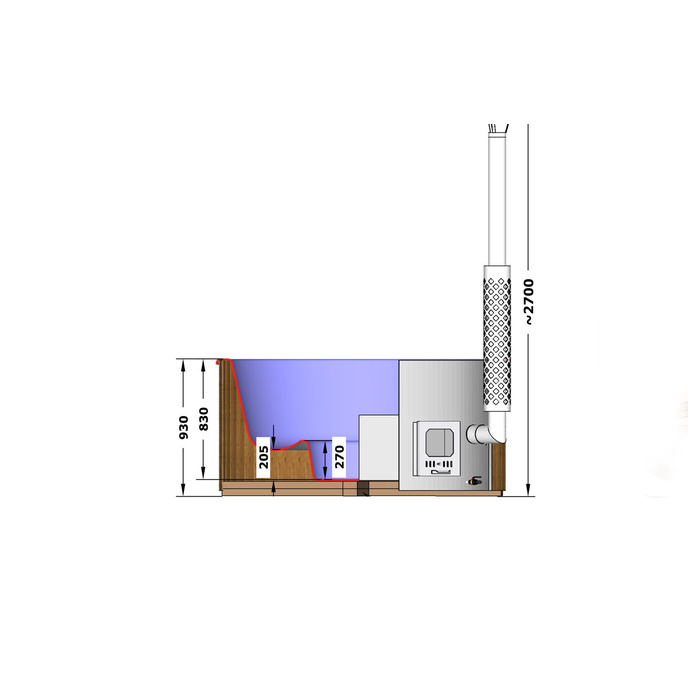
Physical access matters too. Confirm the route a delivery and service team would need to use, including gates, slopes, stairs, seasonal road conditions and room to work at the destination. If you are considering the Haven 6 product page, obtain the model’s actual dimensions and access requirements before assessing that route. Distinguish getting the tub onto the property from allowing a technician to reach it later. Consider whether those routes remain available during the months you plan to use it. Workable utilities alone are not enough if the people delivering or servicing the tub cannot reach the site.
Verify service coverage near the cottage
Map service coverage to the cottage’s address, not your primary home. Ask sellers or manufacturers which service providers, if any, can support the exact model in that area, whether they travel to the property, and how scheduling changes during the busiest season. Find out how to report an issue, what information the provider needs, and whether urgent or after-hours help is available. Treat each point as a question until confirmed; a product being listed for sale does not establish that local service is available. If response times matter to your visit plans, ask providers for their current expectations rather than relying on a general promise.
Read warranty terms alongside the service plan. For Bloomcabin Hot Tub Fjord 8, check what is covered, what is excluded, which service or care conditions affect coverage, and how a claim is started. Ask whether the local company you would use meets any stated conditions and how warranty-related work would be arranged at the cottage. Keep this separate from the question of routine service availability: you need to understand both. Don’t assume terms are identical across models or sellers, or that a provider’s willingness to visit answers every question about coverage.
Compare documented requirements, not model names
Create a side-by-side comparison from current documents for every model you are considering. Record dimensions, capacity, operating requirements, utility needs, care guidance, cold-weather instructions, access requirements and warranty terms only when the manufacturer or seller confirms them. Mark missing information as unknown rather than filling it in from an image, product name or similar model. In particular, a number in a model name is not a verified seating or capacity specification. This keeps the comparison focused on facts that affect your routine and property, instead of assumptions that make one option appear easier to own.
Separate must-haves from preferences. A requirement you cannot meet—such as an access condition, service arrangement or care responsibility that does not fit your schedule—should remove a model from consideration, regardless of its appearance. Give Bloomcabin Hot Tub Cove 2 its own column alongside the other candidates, with unknown details clearly marked. Once the essential requirements are met, compare how each option fits your ordinary stays rather than an ideal summer holiday. Keep the reasons for ruling a model in or out beside its specifications so that an appealing photograph does not outweigh an unresolved ownership problem.
Include ongoing costs in the decision
Compare ownership costs without inventing a total from an advertised price. Start with a current written purchase quote and note what it includes, such as applicable taxes, delivery, selected options and any separately quoted setup work. Then list the ongoing variables: local electricity rates, how often you use the tub, water and care supplies, service visits, seasonal arrangements, and any paid monitoring or checks. These amounts depend on the property and your routine, so a figure from another cottage may not be a useful forecast. Keep purchase and operating assumptions separate.
Use the same assumptions for each candidate, and ask local providers for prices where a service or assessment is needed. When comparing the Aurora 10 listing with other options, record the quoted inclusions separately from expenses you still need to establish. If you visit mostly on weekends, account for extra trips or hired help even though they may not appear on a seller’s quote. Keep those assumptions visible so you can revise the comparison if your visit schedule changes. Wait for current local figures before deciding whether the plan fits your budget, and don’t compare a partial quote with an all-in estimate.
Confirm the exact model and property requirements
Before committing, check that the specifications, operating and care manual, warranty wording and written quote all refer to the exact model you intend to order. Resolve any differences in the stated requirements or purchase inclusions. Bring outstanding property questions to the appropriate professional or authority: model-specific utility needs to a qualified professional, applicable local requirements to the municipality, and relevant guidance to provincial or federal sources. Confirm electrical, fire-safety, water-care and cold-weather advice without borrowing instructions from another location or model. If property insurance could be affected, ask your insurer which terms apply to the proposed purchase and use.
Make the order conditional on the parts of the plan that matter most: the model’s documented needs fit the property, expected care can be covered during your longest absence, and a realistic service route exists. If any of those points is unknown, pause long enough to resolve it or revise the plan. For a cottage, intermittent use changes the meaning of convenience: being able to reach the tub on a weekend matters less if nobody can check it or help when you are away. A good choice is the one whose confirmed demands fit both the site and the calendar you will actually keep.
Frequently asked questions
Can I leave a hot tub unattended between weekend visits?
There is no universal interval or arrangement to assume. Check the exact model’s current operating instructions for how it should be managed during an absence, what monitoring or in-person checks are called for, and how to respond to a problem. Arrange reliable help for those needs. If nobody can respond during your longest absence, reconsider the use plan rather than assuming the tub can be left alone.
What should I ask a local service provider?
Ask whether the provider serves your cottage’s exact address and supports the specific model, when it can attend, and whether seasonal or urgent calls are available. Confirm what the service covers, how warranty-related work is handled, and any costs in writing. A general service area or a seller’s product listing does not prove that help can reach the property when you need it.
Can I use a hot tub only during the summer?
That depends on the exact model’s instructions and the care needed when use pauses and resumes. Ask the manufacturer for its current guidance for your location and intended schedule. Don’t apply another model’s instructions or assume that seasonal use removes the need for attention between visits. Include the effort involved in pausing and restarting use when deciding whether the plan suits your stay pattern.
How can I tell whether the tub will be ready when I arrive?
Ask the seller or manufacturer what needs to be confirmed before use after an absence, and whether someone can check the status before you travel. Don’t estimate a restart or heating period from the model name or another product. For a short stay, have an alternative plan in case the tub is unavailable when you arrive.
Does a model number show how many people a hot tub accommodates?
No. Treat the name as an identifier only. Check the current specification sheet for capacity, dimensions, seating layout and operating requirements, and confirm any detail that affects your intended use. A number in a catalogue name is not evidence of how many people the tub accommodates or whether it suits your property.
A cottage hot tub has to fit the time you spend there and the time the property sits empty. A sound shortlist rests on two things: documented requirements that suit the site, and a credible plan for care and service between visits. If either depends on assumptions about readiness, weather or local help, resolve that uncertainty before choosing a model.
