
Common Hot Tub Buying Mistakes and How to Avoid Them
Buying guide
Most disappointing hot tub purchases begin with a reasonable-sounding shortcut: choosing the best-looking model, comparing only the advertised price or assuming the product name answers practical questions. Those signals can help you build a shortlist, but they cannot establish how a particular unit will fit your routine, property or budget. This guide pairs common buying mistakes with checks you can make before committing in Canada, without treating unverified model details as facts.
Before you buy 1
Set priorities before comparing hot tubs
One common mistake is browsing product pages before deciding what the hot tub needs to do in your everyday life. Write down who is likely to use it, how often, whether you expect regular use or occasional visits with guests, and who will take responsibility for ongoing care. Think about the seasons and times of day when you realistically expect to use it, and the experience you want—quiet soaking, conversation or another specific purpose. Use the answers to describe your likely routine rather than an ideal occasion. If more than one person will use it, agree on the main priorities before looking at model names.
Separate must-haves from preferences. A firm space or access constraint and a budget ceiling may rule out a candidate; a finish or optional feature may simply be a preference. For every must-have, note the evidence required: published dimensions, a seating layout, written package details, a measured site check or professional advice. Start a comparison row for Bloomcabin Hot Tub Cove 2, and leave entries incomplete until you have the relevant facts. If you cannot yet rank a preference, leave it unscored rather than letting the product page decide its importance. If two priorities conflict, note which one takes precedence instead of treating every feature as equally important.
Do not let appearance or one feature decide
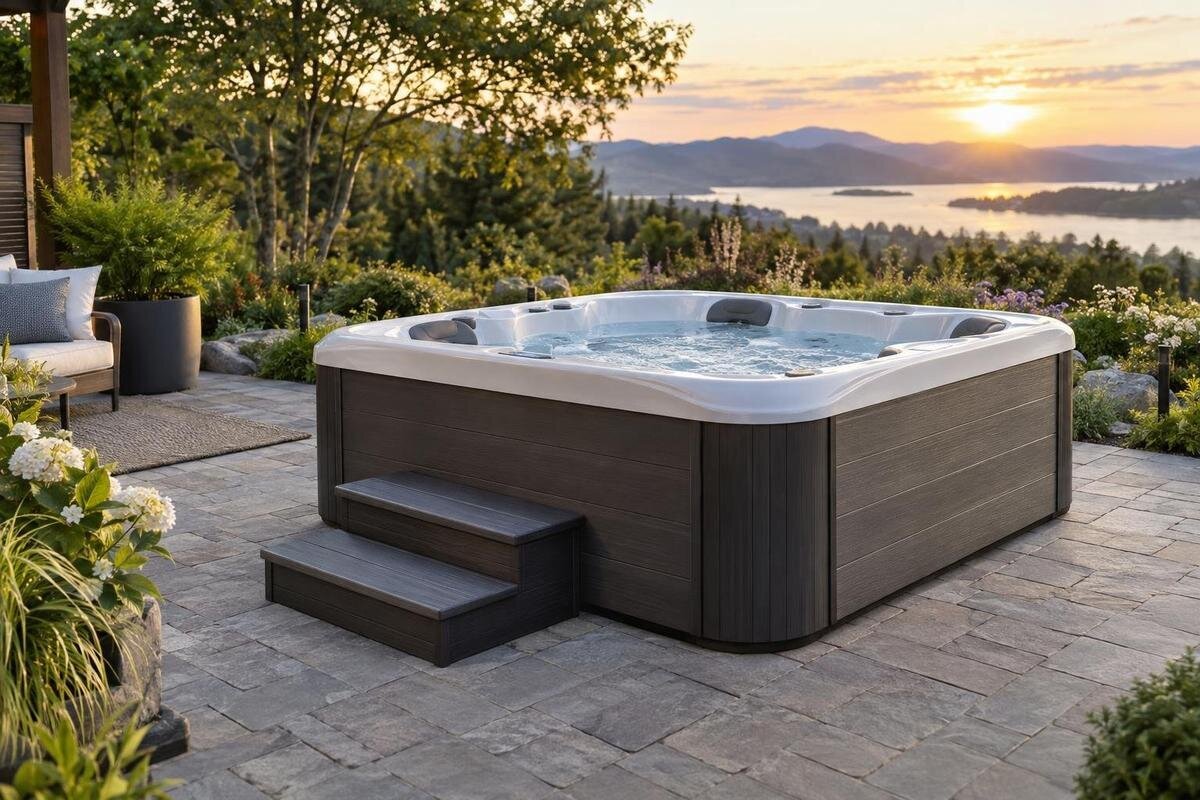
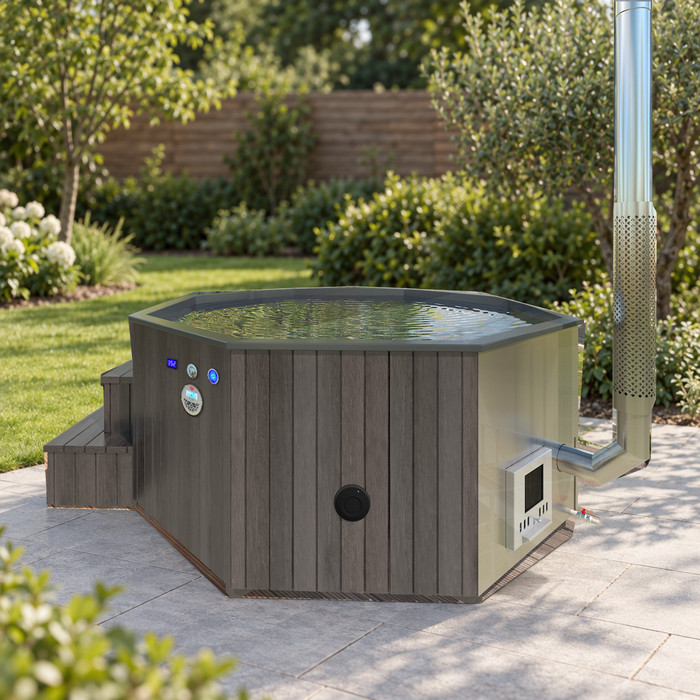
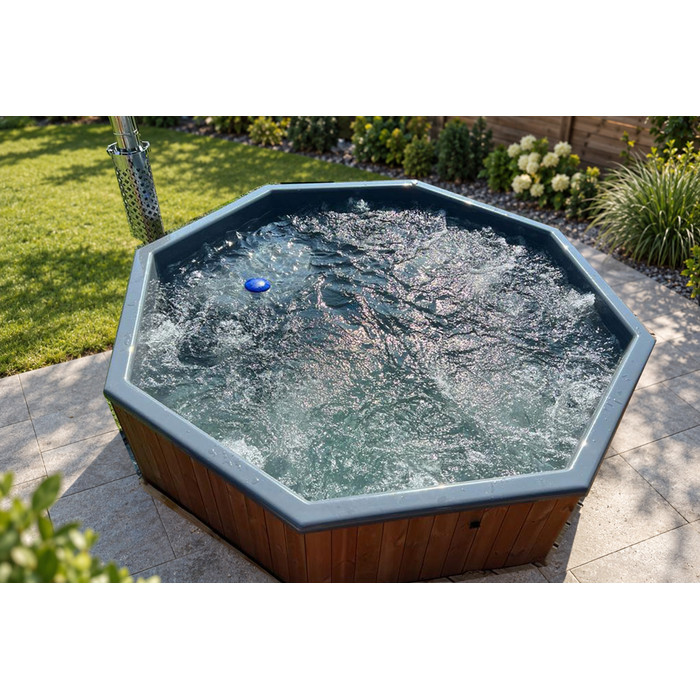
Product photography can help you judge appearance, but it cannot establish a tub’s dimensions, seating layout, comfort, performance or purchase contents. An image may use a particular angle or setting, so do not use people, furniture or surrounding space as a measuring guide. Use current written product information for factual comparisons; if a detail that matters is missing, ask for it. Where possible, arrange a viewing or request a clearer description, but treat either as additional evidence rather than a substitute for specifications. The point is not to ignore appearance; it is to keep it in the right place in the decision.
A single feature can distort the decision in much the same way. If a listing mentions something such as lighting, jets or a control option, confirm that it belongs to the exact model and selected configuration, whether it is included or optional, and what using or caring for it involves. Record the feature’s availability separately from your interest in it: an appealing option is not necessarily part of the advertised package. Judge Bloomcabin Hot Tub Haven 6 by the same criteria as every candidate: a standout detail matters only if it addresses a priority you wrote down. When you cannot verify a feature, mark it unknown instead of assuming it is present or important. Do not let a persuasive feature push basic fit and upkeep questions off your list.
Before you buy 2
Compare the whole cost, not just the advertised price
An advertised price is only a useful comparison when the offers cover the same things. Check what each figure refers to—the exact model and configuration—and whether taxes, delivery, positioning, setup, site work, connection work or accessories are priced separately or left out. These items are not automatically included, and the lines that matter depend on the actual offer and property. Put confirmed amounts in one column and estimated, unpriced or excluded items in others. Avoid comparing a bare-unit total with a broader package total as though they were interchangeable. That separation makes missing costs easier to spot and questions for the seller more precise.
Keep one-time and recurring expenses separate; they answer different budget questions. Electricity, water-care supplies, routine maintenance and replacement items may affect ownership costs, but actual amounts depend on documented product details, local rates and how the tub is used. Ask for any estimates and the assumptions behind them; do not infer consumption or running costs from a model name or a general claim. In your worksheet, use the Bloomcabin Hot Tub Fjord 8 product page to identify the candidate, and leave any unsupported cost figures marked as unknown. If no reliable estimate is available, do not enter zero.
Treat model names as identifiers, not specifications
Names and numbers identify a product; they do not disclose its specifications. The numerals in Cove 2, Haven 6, Fjord 8 and Aurora 10 are not proof of seating capacity, dimensions, water volume or any other measurement. Nor does a word in a name establish a material, performance level or included upgrade. Before comparing models, locate current documentation for the precise model and configuration. If a value is absent or ambiguous, ask rather than extrapolating from another model, a product photograph or a neighbouring catalogue entry. This matters especially when a detail could determine whether the tub suits your space or routine.
Use a consistent specification sheet. Record only relevant published information—such as external dimensions, seating layout, clearance guidance, electrical information, care instructions and stated inclusions—and note where each item came from and when you checked it. These are points to verify, not claims about what every listing contains. Check the units and whether each specification applies to the configuration being offered before comparing figures across models. The name on the Bloomcabin Hot Tub Aurora 10 product page identifies the product; it cannot answer a question the documentation does not. Send unresolved technical questions to the seller or an appropriately qualified professional.
Before you buy 3
Plan for ongoing upkeep
Underestimating upkeep can make a seemingly straightforward purchase harder to manage after delivery. Ask for the manufacturer’s care instructions for the exact model. Find out what routine water testing and treatment involves, what cleaning is expected, how any serviceable components are cared for, and what the instructions say about periods when the tub is unused or conditions change. These are questions, not universal care directions: do not assume one schedule, product or method applies to every tub. A short sales description is not a substitute for instructions you can follow, and a broad promise of easy care does not explain the actual tasks.
Consider who will do the work, whether the routine fits their time, and what consumables or replacement items are specified. Ask for recurring maintenance estimates where available, including the assumptions; avoid treating an absent estimate as a low cost. While reviewing the Cove 2 product page, note only the care information actually stated and list gaps for follow-up. If you expect seasonal pauses or periods away, ask how the manufacturer says to manage those circumstances. A realistic care plan includes the tasks, supplies and person responsible—not merely a vague expectation that upkeep will take little effort.
Check the property before settling on a model
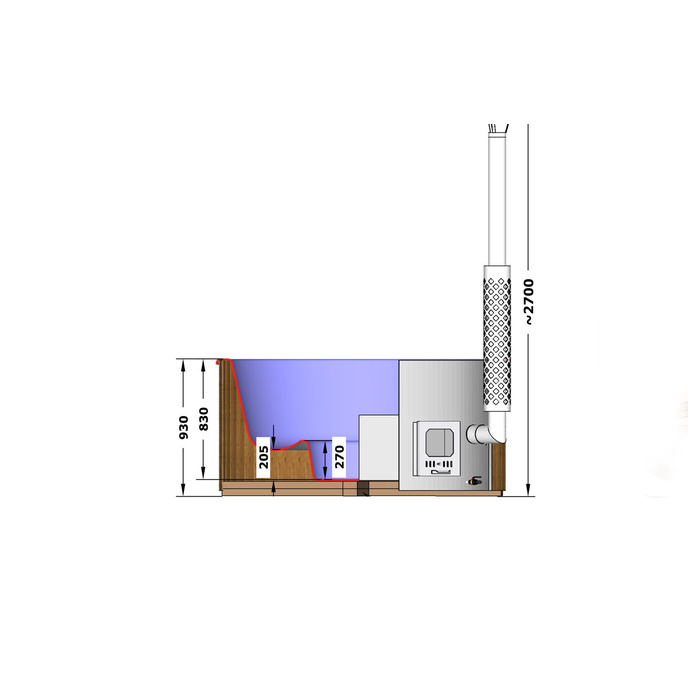
A late practical check can stop a promising shortlist from becoming an unsuitable order. Before settling on a model, compare its published dimensions and clearance guidance with the intended location and the complete route to it, including gates, steps, corners and delivery access. Think about space to reach service points as specified by the manufacturer, not just whether the main outline fits. This is a preliminary check, not an engineering assessment: do not infer that a surface or structure is suitable from a photograph or quick visual estimate. Ask the seller what site information is required and consult a qualified local professional where the placement needs assessment.
Confirm technical and local questions early too. Do not guess electrical requirements or act on generic online advice; provide the exact model information to a qualified electrician and ask about the proposed connection. Check applicable municipal or provincial requirements with the relevant authority rather than relying on a general answer. Consider privacy, everyday access and the setting around the proposed location as well as the delivery route. If service to your postal code, access conditions or site preparation could affect the purchase, resolve those questions while you can still compare alternatives. Keep the Haven 6 product page with your site notes, but do not treat the catalogue identity as evidence that a particular property is ready.
Before you buy 4
Confirm exactly what the purchase includes
Another common assumption is that the model name or advertised unit price describes everything you receive. The exact package and service scope need to be stated for the particular offer; an accessory, delivery, positioning or setup task could be included, optional, separately priced or excluded. Ask specifically about anything you expect to need, such as a cover or steps, without assuming those items are supplied. Also clarify who prepares the site and arranges any separate work. Treat every line as a question to confirm, not as a standard package rule.
Ask for a written summary naming the exact model and configuration, included items, optional items, exclusions, applicable taxes, delivery scope and each party’s responsibility. Confirm whether delivery reaches the intended location or stops elsewhere, and what setup language means for your purchase. A product page such as the Fjord 8 listing identifies the candidate, but a photograph or catalogue name does not establish package contents. Use the same question list across competing offers; the answers, not assumptions about a brand or model, determine whether the totals are comparable. Record any payment or change terms exactly as stated in the seller’s documents.
Get specific answers instead of relying on assumptions
Broad descriptions such as “complete,” “easy-care” or “all-season” are not detailed specifications. Treat them as prompts for questions: what does the wording mean for this exact model and configuration, which conditions or included components does it cover, and where is the information documented? Do not assume a general description confirms suitability, durability, performance, warranty terms or local compliance. Request the source document or a precise written reply, and distinguish marketing language from model-specific facts. When a statement affects a must-have, leave it unresolved until the answer addresses that particular point.
Make questions easy to answer: Is this feature standard on the selected configuration? What exactly is included? Which document gives the dimensions? Who handles the separately listed work? Save the dated response with the offer and check it against the order summary before committing. Online checkout may leave practical questions unanswered, so do not treat a completed cart as confirmation of details it does not state. For the Aurora 10 listing, record the model identity and seek confirmation for any missing fact; a generic assurance or product image cannot fill a documentation gap.
Before you buy 5
Compare every shortlisted model on the same basis
A comparison can give false confidence if each candidate is judged using a different source or assumption. Put each model in a separate row and use identical columns for confirmed specifications, source and date, included items, unknowns, one-time cost lines, recurring-cost assumptions, care workload and site questions. Label facts, estimates and personal impressions separately. If one listing has more detail than another, mark the missing entry as unknown; do not score it as absent or silently borrow a value from a related model. This keeps an incomplete listing from looking either better or worse than the evidence supports.
Compare in two passes. First test hard constraints, such as your budget ceiling, documented fit with the intended location and essential care requirements. Do not let attractive preferences compensate for an unresolved pass-or-fail issue. Then compare preferences you can genuinely assess, such as appearance or a documented feature, using the same scale for every candidate. Decide what matters before reviewing scores, and update the table when a seller supplies new documentation or changes the offer. This helps identify which models deserve follow-up without pretending that an incomplete comparison has a winner.
A practical checklist before committing
Before placing an order or paying a deposit, run through a written check: exact model and configuration; the specifications that matter to your use; maintenance instructions and recurring-cost assumptions; confirmed package contents and exclusions; a comparable total with relevant cost lines; and any site, access or technical question answered by the appropriate seller, local authority or qualified professional. Mark every item confirmed, still open or not applicable, and note the supporting document or person. This is more useful than a checklist that simply counts features because it shows where a decision rests on evidence and where it still rests on a guess.
If a key fact conflicts across documents, ask which current document applies and request clarification in writing. If a must-have remains unresolved, pause rather than assuming it will be fine after delivery. A detail you do not need can stay outside the decision instead of driving unnecessary research. Keep the current listing, written answers and offer summary together, then check that the final order still matches the model and scope you assessed. A sound shortlist is the one whose important requirements can be confirmed—not the one with the most impressive name or the longest feature list.
Frequently asked questions
Does the number in a hot tub model name tell me how many people it seats?
No. Treat the number as part of the model name, not as a seating capacity, dimension or water volume. Check the published seating layout and measurements for the exact model and configuration, then decide whether they suit your intended use.
What should I compare beyond the advertised price?
Ask which taxes, delivery, positioning, setup, site or connection work and accessories are included, excluded or priced separately. Consider recurring expenses such as electricity, water-care supplies and maintenance as well. Use estimates only when their assumptions are clear.
How can I find out how much upkeep a hot tub involves?
Request the manufacturer’s care instructions for the exact model before buying. Check what routine tasks and supplies are specified, how often the instructions call for them, and who will take responsibility. Avoid assuming one care routine applies to every tub.
When should I check whether my property is suitable?
Do it before settling on a model or placing an order. Compare the documented dimensions and access needs with the proposed location, and ask an appropriate local professional about site and technical questions. Check applicable local requirements with the relevant authority.
What if the seller has not clearly stated what is included?
Ask for a written breakdown of the exact model, package, optional items, exclusions and responsibilities. Keep unanswered points marked as unresolved, not included by assumption. If a missing detail affects a must-have or the total cost, pause until it is clarified.
A careful buying decision does not require certainty about every optional detail. It does require a clear view of what matters to your household, evidence for each must-have and honest labels for what remains unknown. When a model’s documented specifications, upkeep plan, site questions and purchase scope line up with your needs, you can decide whether it deserves a place on the shortlist. If they do not, keep comparing rather than letting a name or headline price make the choice for you.
