
Do You Need Permission for a Hot Tub in Canada?
Canadian hot tub planning
Planning a hot tub in Canada can involve more than one approval, and a national yes-or-no answer will not tell you what applies at your address. Local zoning and building rules, provincial or territorial electrical oversight, possible restrictions on a wood-fired heater, and private rules set by a condo corporation or landlord are separate questions. Before committing to a model, identify the authority responsible for the parcel and describe both the tub and any associated enclosure or building work. Ask about the precise proposal rather than relying on a general answer to “Do I need a hot tub permit?” A model name alone cannot establish whether an installation is allowed.
Why there is no single Canada-wide answer
There is no single Canada-wide hot-tub permit rule that resolves every property. Municipal or other local authorities may administer land-use and building requirements, while provinces and territories have roles in building and electrical regulation, including how permits and inspections are assigned. The division of responsibility differs by place. A local bylaw may use terms such as “spa,” “pool” or “accessory structure”; ask whether its definition includes your proposed installation. An answer about one category cannot safely be transferred to another without confirmation. The tub, an enclosure and related construction may each be assessed separately.
Treat permission as a set of checks: whether the tub itself needs approval, whether related construction or electrical work does, whether zoning or enclosure rules apply, and whether a landlord or condo corporation must agree. If the property is outside municipal boundaries or is administered by a First Nation or another distinct land authority, confirm which office has jurisdiction before using a municipal checklist. If the Bloomcabin Hot Tub Cove 2 product page is on your shortlist, give officials its exact catalogue name and request current technical documents from the seller or manufacturer. Do not infer dimensions, capacity, equipment or permit status from a model name. An exemption for a standalone tub, if local rules provide one, would not automatically settle whether associated work is exempt.
Which local office should you contact first?
For a property within a municipality, begin with its official planning or building-permit contact rather than relying on a general online answer. Department names differ: zoning, development services, building, bylaw services and permit intake may sit together or operate separately. Give the civic address and ask whether that office has jurisdiction over the parcel and handles hot-tub zoning and building questions. If not, ask for the responsible office and the right contact route. A building-permit counter may not decide land-use questions, and someone answering a general enquiry may need to refer you to a planner or building official.
Describe the proposal in plain terms: an outdoor hot tub, its intended heating type, and whether it includes a fence, enclosure, shelter or other building work. Ask separately whether the tub itself needs approval and whether each related element does. Request the applicable bylaw or permit information, required application documents, any inspections, fees and the process for obtaining a formal decision. If staff say an application is unnecessary, ask what facts that answer depends on and whether it covers the whole proposal. If the Bloomcabin Hot Tub Haven 6 listing is among your options, identify the model in your enquiry and ask which specifications staff need from the supplier to assess it.
What should you ask about zoning, setbacks and enclosures?
Do not assume every locality uses the same setback, reference point or definition for an outdoor feature. Ask whether placement rules cover the hot tub itself and, separately, whether they cover a fence, screen, roofed structure or other enclosure. If a setback applies, ask what it is measured from and which official parcel information or map the office uses. If your property has an easement, watercourse or other mapped constraint, ask whether it affects the proposal and which authority can confirm that. A neighbour’s answer or a rule found for another municipality is not a reliable substitute for confirmation about your address.
An enclosure can be a separate planning or building question, not just a detail attached to the tub. Ask whether a fence, barrier, privacy screen, gazebo, roof or weather cover is treated as an enclosure or structure under local rules, and whether a separate application or safety requirement applies. Ask specifically whether any barrier rule is assessed independently of zoning setbacks or building-permit triggers; one answer may not settle every issue. Describe the proposed feature rather than relying on a broad label such as “cover.” If you are considering the model on the Bloomcabin Hot Tub Fjord 8 page, distinguish the tub from any surrounding features in your enquiry so officials can address each part of the proposal.
Could related building or electrical work need approval?
Approval for a hot tub does not automatically cover associated construction. A new deck, platform, gazebo, roof or enclosed structure may be assessed as building work, with its own permit trigger and application. Ask whether an exemption for one element, if applicable, covers only that item or also related work. Clarify whether the office expects drawings, other documents or inspections, and whether approvals must be in place before the work begins. Ask which department assesses each part of the proposal instead of assuming that one permit covers everything.
Electrical approval is a separate check. Provinces and territories have roles in electrical regulation, and permits or inspections may be assigned to an electrical safety authority or another designated office. The municipal building department can direct you to the right contact, but do not assume it issues every electrical permit. Give the responsible authority the exact product identity and the manufacturer’s current electrical documentation, then ask what approvals apply to the equipment and any work needed to serve it. If you are considering the model on the Bloomcabin Hot Tub Aurora 10 listing, collect that information before discussing the proposed work with a qualified electrical professional. Leave wiring and installation decisions to that professional.
Are there restrictions on wood-fired hot tubs?
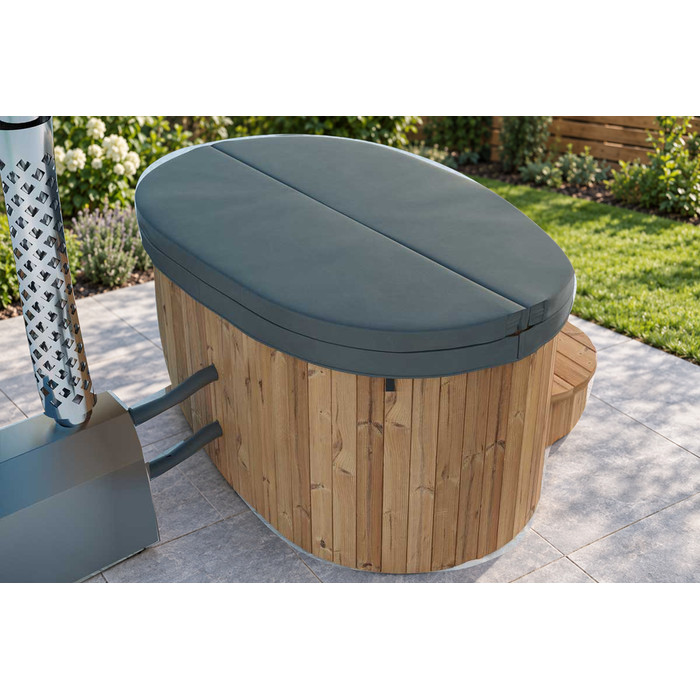
If the proposal includes a wood-fired heater, ask about that fuel and appliance explicitly rather than asking only whether a hot tub is allowed. Contact municipal bylaw or fire-prevention staff and ask whether local rules distinguish a purpose-made heater from an outdoor fire or open-air burning. Do not assume that permission for one type of fire answers the other question, or that approval for a hot tub includes approval to burn wood. Identify the heater model and consult the manufacturer’s information where available; the heater is a separate detail from the tub’s catalogue name.
Ask whether restrictions concern where the appliance may be used, smoke or nuisance, seasonal conditions, or temporary fire and air-quality restrictions, and which office sets or communicates them. The point is to establish whether any such rule applies to your property and proposal, not to assume that restrictions are the same everywhere. A temporary order or advisory may raise a different question from a standing bylaw, so ask how to check current status and when to do so. If local staff refer you to a provincial or territorial authority, confirm the applicable information with that office too. Keep the enquiry specific to the proposed heater; a general answer about backyard fires may not settle the issue.
How do condo, rental and shared-property rules differ?
Government approval and private permission are different. If you own a condominium unit, check the declaration, bylaws, rules and approval process for the condo corporation or, where applicable, strata corporation. Ask the board or property manager who is authorized to make a decision. Do not assume the proposal involves only your unit or that a board has already approved it. Ask whether the corporation requires a written application, plans, manufacturer documents or other information, and get its response in writing before treating the proposal as accepted. Names and governance arrangements vary by building.
Renters should ask the landlord or property manager for written permission and check the lease and applicable building rules. On jointly owned land, a shared yard or property governed by a homeowners’ association or similar body, ask the owners or organization responsible for that area. Confirm who can approve the proposal, whether conditions apply and whether approval needs to be revisited if the plan changes. Private permission does not replace government permits, and a permit does not override private restrictions. If you share the listing for Bloomcabin Hot Tub Cove 2 with a board or landlord, include your proposed location and related work so the request describes what you intend to install on the property.
What information helps officials answer?
An office can respond more usefully when it can see the actual proposal. Prepare the property address, a short description of the tub and proposed heater, the model name, and a simple plan of the parcel showing the intended location if requested. List any fence, barrier, enclosure, shelter or building work separately rather than bundling it under “hot tub.” Ask the supplier for current manufacturer documentation if the authority needs dimensions, equipment details or installation information. Do not estimate measurements from a photograph or model number. You do not need to identify the correct bylaw before contacting staff.
Ask each office to specify what it is deciding and what remains outside its remit: zoning, building work, electrical review, fire or wood-fuel restrictions, or private-property approval. Request the official bylaw or permit reference and confirm which application form and supporting documents apply. If staff point to a website, check that it is the relevant authority’s official information and ask how it applies to the proposal you described. You can include the Bloomcabin Hot Tub Haven 6 product page with your initial enquiry, then supply the manufacturer information the office requests. Distinguish a request for preliminary guidance from a formal application, and ask whether the information you have provided is sufficient for the type of answer you need.
Keep permit decisions and conditions in writing
Keep a simple record for each enquiry: the office contacted, date, staff contact if provided, property address, description you gave and the answer or referral. Save copies of official bylaw pages, application documents, emails, permit decisions, conditions, fees and inspection requirements. Ask whether an informal email is preliminary guidance or the formal approval, and what document shows that permission has actually been granted. A written record helps you see whether an answer covers zoning but leaves building or electrical work unresolved. It also gives another staff member the same facts if you need to follow up.
Keep the proposal consistent while approvals are being considered. If you change the heater, add an enclosure, revise the location or choose another model, ask each relevant office and private decision-maker whether its answer still applies. Do not assume an earlier response covers a changed plan. Store the manufacturer’s current documents with your records and note which version you supplied. If your application references the catalogue entry for Bloomcabin Hot Tub Fjord 8, keep a copy of the product information submitted with it so your records show what officials considered. Ask about any expiry date, conditions to meet before use and proof of inspection or sign-off, and retain those details with the decision.
How can approvals affect your budget and timeline?
Permission questions can affect the project budget as well as whether a proposal can proceed. Depending on what is required, possible cost variables include application or permit fees, plans or reports, professional advice, inspections and changes to proposed work. Some items may not apply at all. Ask each authority for its current fee information and whether separate applications are charged separately; ask qualified professionals for written quotes for any documentation or work they say is needed. Separate confirmed fees from estimates, and do not use another municipality’s fee as your own figure.
Timing also depends on the responsible office, the application and whether more than one approval is needed. Ask how long a complete application currently takes to review, what may delay it, whether additional documents or a visit are required, and whether approvals need to be obtained in a particular order. Do not treat an estimated review period as a guarantee; leave room for questions or a revised submission. Before committing to a model or related work, weigh the known fees and process against your budget and desired schedule. Revisit the shortlist if an approval condition changes the proposal.
When should you pause before ordering?
Before deciding whether to order, establish which approval questions have been answered for your address and proposed configuration, and which applications or private permissions remain outstanding. If an official says no permit is required for one part, ask which rules still apply and whether that answer assumes there will be no enclosure, building work or change in heater. If an application is required, understand the documents, fees, review process and possible conditions before making a purchase commitment. Keep the Bloomcabin Hot Tub Aurora 10 product page with your shortlist while you assess whether the approval process could require changes to your preferred proposal.
Pause if no one can confirm jurisdiction, offices give conflicting answers, a landlord or condo corporation has not agreed, or wood-fired equipment or associated construction remains unresolved. Ask for the right referral or clarification, then revise the proposal and submit an updated description if needed. When a question turns on specialist design or electrical compliance, involve a qualified professional and ask the authority what documentation it will accept. This keeps an unresolved approval question from being mistaken for permission and lets you continue product selection once the key requirements are clear.
Frequently asked questions
Does every hot tub in Canada need a permit?
There is no single Canada-wide answer. Whether an approval is required depends on the authority responsible for the property and on the tub and any related work. Ask about zoning, building and electrical requirements separately.
Should I contact my municipality or my province or territory?
For a municipal property, start with the municipality’s planning or building-permit office and ask who handles each part of the proposal. Electrical permits and inspections may be handled by a different designated authority. If the property is outside municipal jurisdiction, confirm which office is responsible for that parcel.
Does a government permit replace condo or landlord approval?
No. Government approvals and private permissions are separate. Check with the condo or strata corporation, landlord, property manager, co-owners or other body responsible for the property, as applicable.
Can I assume a wood-fired hot tub is treated like a fire pit?
No. Ask the local fire-prevention or bylaw office how rules apply to the specific heater and fuel. A rule about open-air burning may not answer whether a particular hot-tub heater is permitted.
Can I order the hot tub while an approval is pending?
You can decide when to order, but unresolved approvals may affect the proposed model, related work, cost or timing. Before committing, find out what is still outstanding and review the seller’s current order terms rather than assuming an application grants permission.
The answer depends on the exact property and proposal, not just on the fact that you are buying a hot tub. Confirm the responsible authority, ask about zoning and any related building or electrical approvals, check wood-fired restrictions where relevant, and obtain any required private permission. If a key answer is still uncertain, resolve it before committing to the model or work you have in mind.
