
Garden Trends Shaping 2025
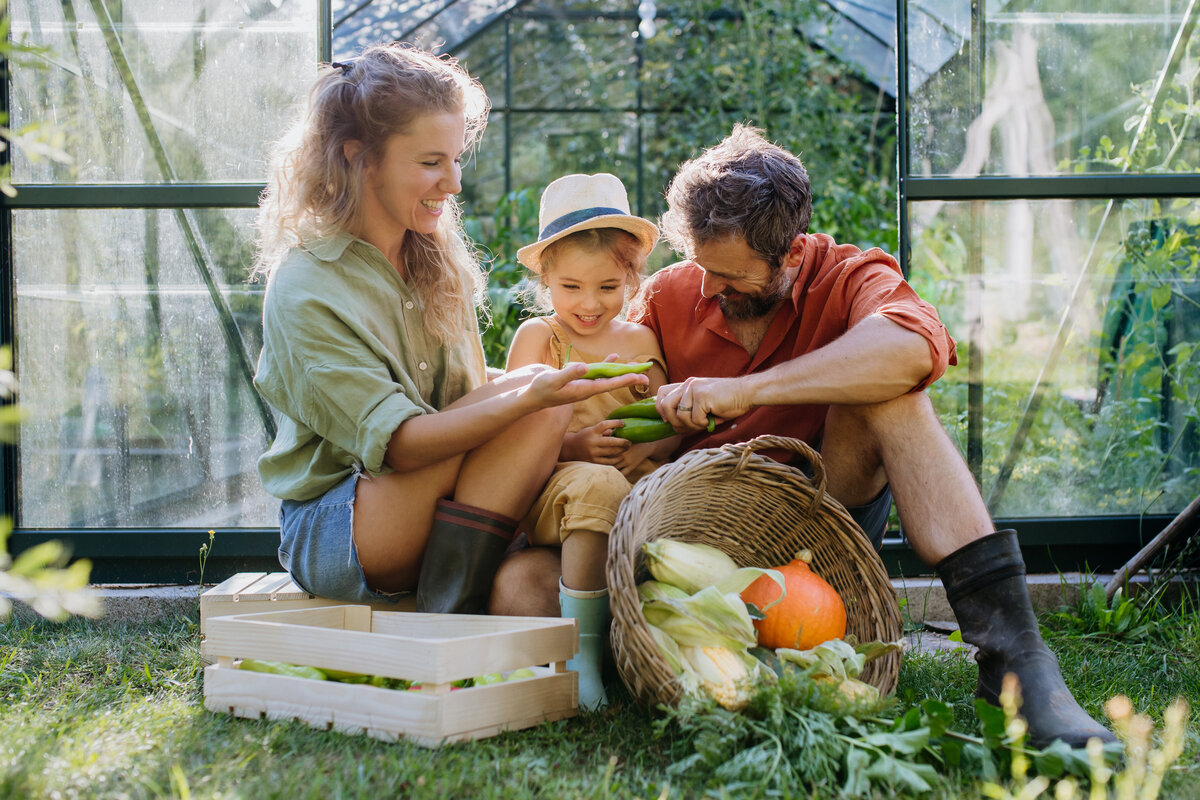
Gardens in 2025 are being shaped by practical technology, thoughtful use of resources and more individual choices. Whether you tend a full backyard, a compact city plot or a few containers, these ideas can help you make the most of your space while working with nature. Here are the garden trends worth exploring in 2025.
1. Garden technology that earns its place ?
Connected tools are moving from novelty to useful garden equipment for everyday care. Moisture sensors, programmed watering and monitored greenhouses can help gardeners make informed adjustments rather than rely on guesswork.
- Connected greenhouses: Sensors can track temperature, light and humidity, making it possible to check conditions and adjust them remotely.
- Automated watering: A well-set system can give plants the water they need when schedules are busy and help avoid unnecessary watering.
These tools can be particularly helpful where outdoor space is limited, provided they are matched to the plants and local weather.
2. Lower-impact gardening ?
Sustainability is becoming a practical part of garden planning. In 2025, many gardeners are looking for ways to reduce waste, conserve water and build healthier growing spaces.
- Composting: Kitchen scraps and suitable garden material can be turned into rich compost for beds and containers.
- Rainwater collection: Capturing rain for watering can reduce reliance on treated water when conditions allow.
- Organic growing: Using fewer chemical fertilizers and pesticides can lessen environmental impact and support healthier plants. Before using a pest-control product, confirm that it is registered for use in Canada and follow its label.
Gardeners are also choosing native plants suited to their region because they can be easier to establish, may need less water and maintenance when well matched to the site, and can support local biodiversity. Conditions vary widely across Canada, so choose for your own site.
3. Edibles with design appeal ??
Food growing is becoming part of the overall garden look. Fruit, vegetables and herbs can be arranged with the same care as ornamental planting, creating spaces that are productive as well as attractive.
- Vertical growing: Walls, trellises and other upright supports make room for edible crops where ground area is tight.
- Herb displays: Keeping herbs close to the kitchen adds both a useful harvest and a fresh green feature indoors or out.
- Purposeful mixed planting: Pairing ornamentals with edible plants gives one area more than one role without sacrificing visual interest.
It is an appealing approach for urban gardeners who want to harvest food without access to a conventional garden.
4. Gardening for variable weather ?️
Changing weather patterns are influencing how gardens are planned. In 2025, resilient planting and flexible protection are key considerations when preparing for heat, dry spells, frost or sudden shifts in conditions.
- Water-wise planting: Plants that cope well with drier periods can make a garden more adaptable where water becomes limited.
- Plant shade: Shade structures can help protect vulnerable plants during periods of intense sun and heat.
- Season extension: Greenhouses and cloches offer a way to shelter tender crops from frost and make better use of the growing season, which differs markedly by region.
5. Calm, pared-back garden design ?
A simpler garden can be both striking and easier to care for. Open layouts, strong structure and considered plant choices are defining a contemporary approach to outdoor design.
- Hardscape features: Gravel, stone paths and raised beds can bring order and function to the layout.
- Fewer, stronger choices: Rather than filling every space, gardeners are selecting a smaller number of plants with real presence, such as distinctive trees or shrubs.
- Earth-led colours: Muted natural shades create a restful backdrop and allow planting forms to stand out.
6. Growing indoors ??
With less private outdoor room available in many communities, indoor gardening continues to attract interest. Balconies, windowsills and larger interior spaces all offer opportunities to bring living plants closer to daily life in 2025.
- Living walls: Vertical plantings that also act as decorative features.
- Smart indoor gardens: Systems such as the LivingBloom Smart Garden can simplify growing herbs and vegetables at home.
- Microgreens and herbs: Quick-growing, compact crops offer a convenient way to enjoy fresh leaves and flavours throughout the year.
